Get

In Your Inbox

Catster is reader-supported. When you buy via links on our site, we may earn an affiliate commission at no cost to you. Learn more.

Do Long-Haired Cats Need Baths? Vet Approved Grooming Advice

Share

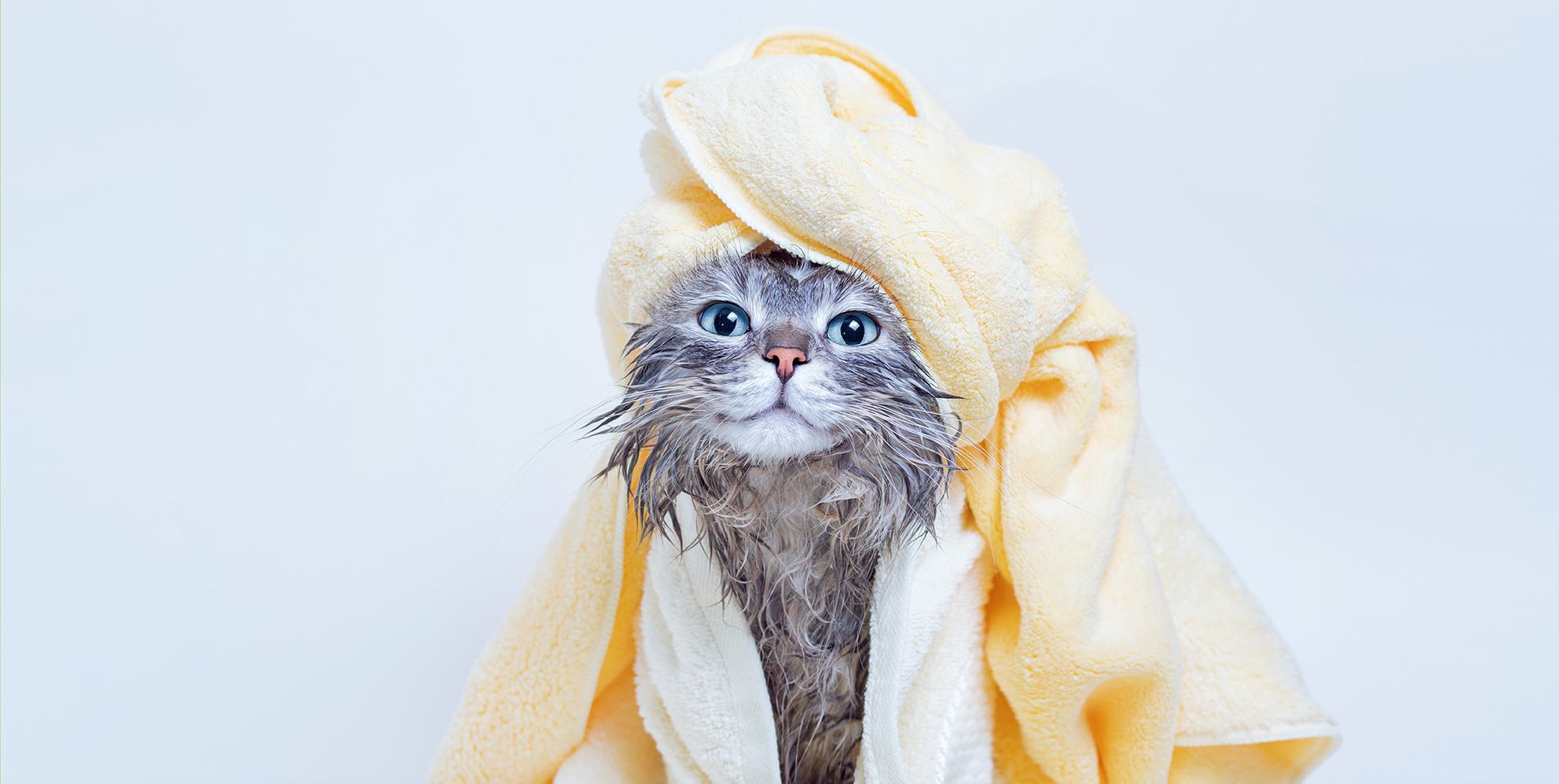
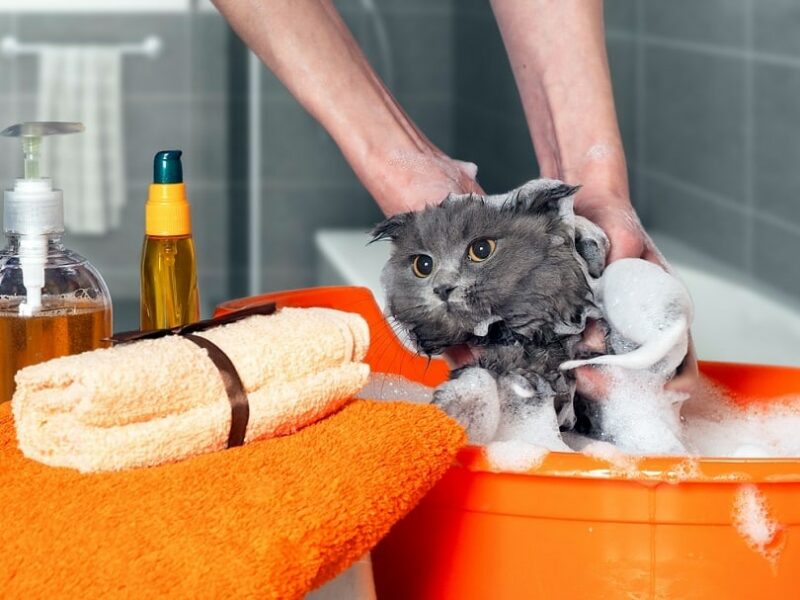
gray cat newly bathe

Most felines are notorious for disliking getting wet, so bathing a cat might seem challenging. The good news is that most cats rarely need baths! But what if you have a long-haired cat? With all that hair, do they require baths?

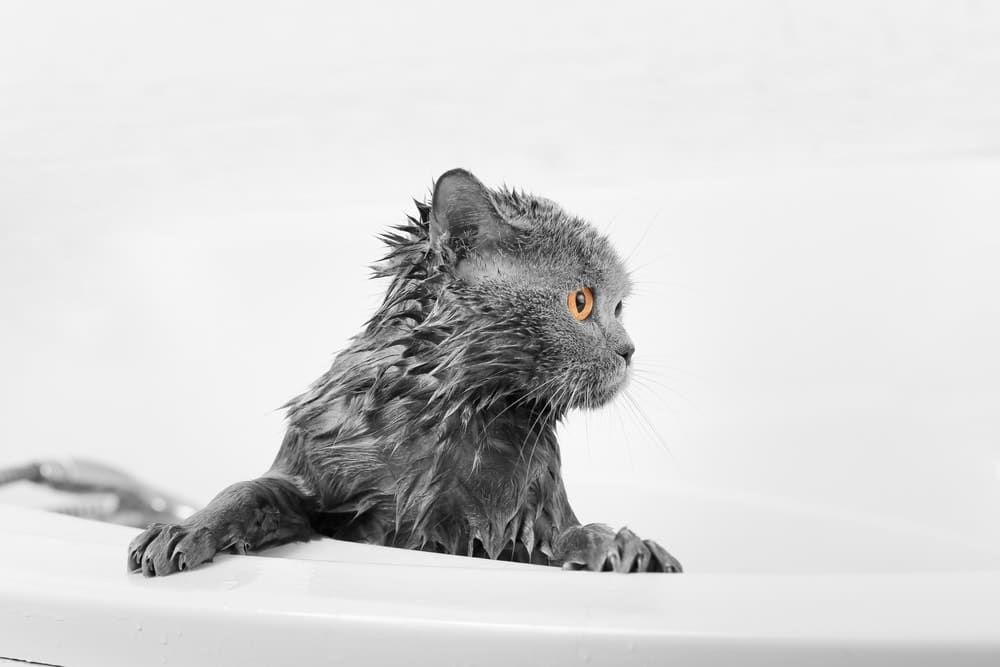
Long-haired cats shouldn’t need to be bathed often, as they are excellent at keeping themselves clean. In fact, bathing a long-haired cat can actually cause the fur to become knotty and matted, so you’re best off keeping them on solid ground. However, there may also be occasions when a long-haired cat gets extremely dirty and requires a bath.

Here’s what you should know about long-haired cats and baths.

divider cat paws oct 2024

Do Long-Haired Cats Need Baths?

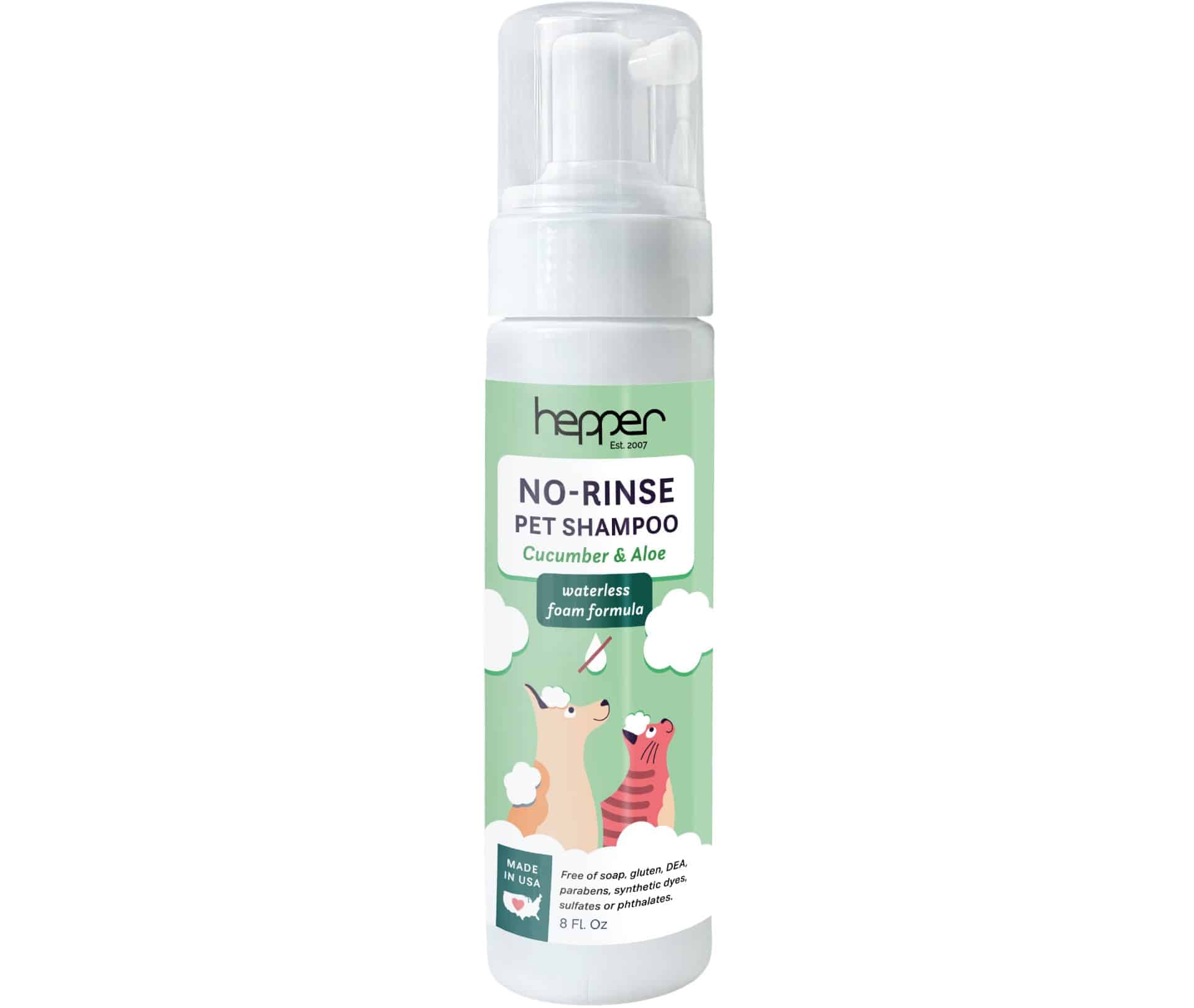
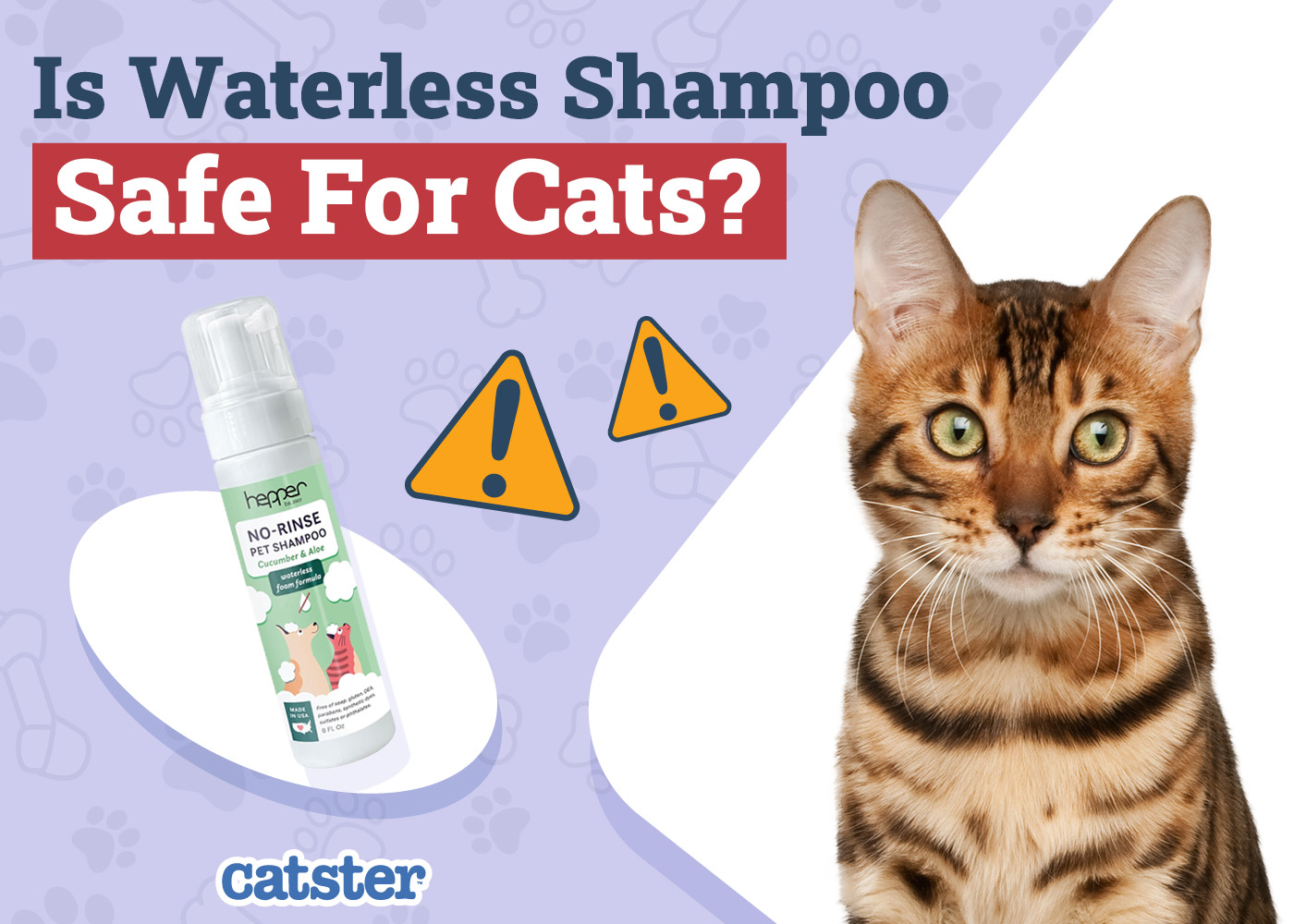
Mostly, long-haired cats don’t need baths any more than short-haired cats, and in fact, the opposite is usually true. That long coat stops dirt and grime from penetrating down to the skin, so most long-haired cats will come up nice and clean with a good brushing. If you are wanting to get that just-shampooed look and smell, try a waterless shampoo or wet wipes to remove any surface dirt and keep them smelling amazing. Detangling sprays are also a great accompaniment to a long-haired cat grooming session.

Keeping your cat clean doesn't always mean you have to give them a full bath. The Hepper Waterless No Rinse Shampoo and Wash Wipes are great waterless products to keep on hand. They're specially formulated to be safe for cats of all ages and breeds. The hypoallergenic formulas contain natural, moisturizing ingredients that effectively remove dirt without irritating your cat's skin. The waterless shampoo is the ultimate fur refresher, and the wipes make cleaning sensitive areas like eyes, ears, paws, and bum a breeze. Learn more about each product in the table below. 

Image Product Details
Waterless Hepper Waterless No Rinse Pet Shampoo Hepper Waterless No Rinse Pet Shampoo
  • Cleanses & deodorizes without water
  • Natural ingredients & pH balanced
  • Fresh scent
  • On-The-Go Hepper Wash Wipes Hepper Wash Wipes
  • Great for on-the-go
  • Perfect for sensitive areas
  • Tough on dirt, gentle on skin
  • At Catster, we’ve admired Hepper for many years and decided to take a controlling ownership interest so that we could benefit from the outstanding designs of this cool cat company!

    How Do I Bathe a Long-Haired Cat?

    Some cats have a nose for mischief, and if you find yourself faced with a filthy feline, you may need to brace yourself and give your cat a bath.

    Here are a few tips for bathing a long-haired cat.
    • Before you try your first bath, get your feline friend used to the bathroom, sink, or tub. Try putting a little water in the sink or tub and encourage them to play with it (you can even toss some toys in!).
    • Gather everything you need for a bath before you start, like shampoo and conditioner designed for felines, and towels. Make sure they are all within your reach, but not easily knocked over. You will need at least two towels; one for the first dry, then others to keep on drying.
    • Be sure you brush your pet beforehand to get rid of as many mats and tangles as possible, as this is more difficult to accomplish with wet hair.
    • Play with your kitty before a bath to help them get rid of some energy. A tired cat can be easier to handle during bath time.
    • Close the bathroom door before starting the bath, so your cat can’t escape.
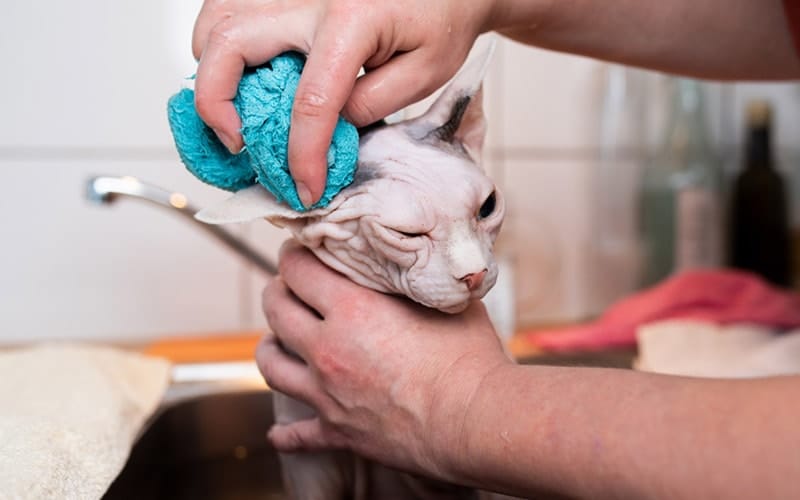
    • If you have a handheld showerhead, use that to bathe your pet instead of putting them in water (just make sure it isn’t on a high setting; you want a gentle rain feel). You can also use cups to pour water (gently!) over them. Avoid getting water over the face or in the ears.
    • If you’re unable to bathe your kitty in this way, then fill the tub or sink with a few inches of warm (not hot!) water. Ideally, you want the water to come to just above their belly; if it’s too shallow, you’ll have trouble getting them wet and rinsing shampoo. Plus, if they think they have a chance of getting away without getting wet, they will struggle even harder. Most of the time, once your cat is completely wet, they tend to accept their fate!
    • Give your cat plenty of reassurance and praise while bathing them.
    • Only use a small amount of shampoo!
    • Stay calm while bathing your pet. Felines can easily pick up on emotions like stress, and if your cat feels you’re stressed, they’ll become stressed, too.
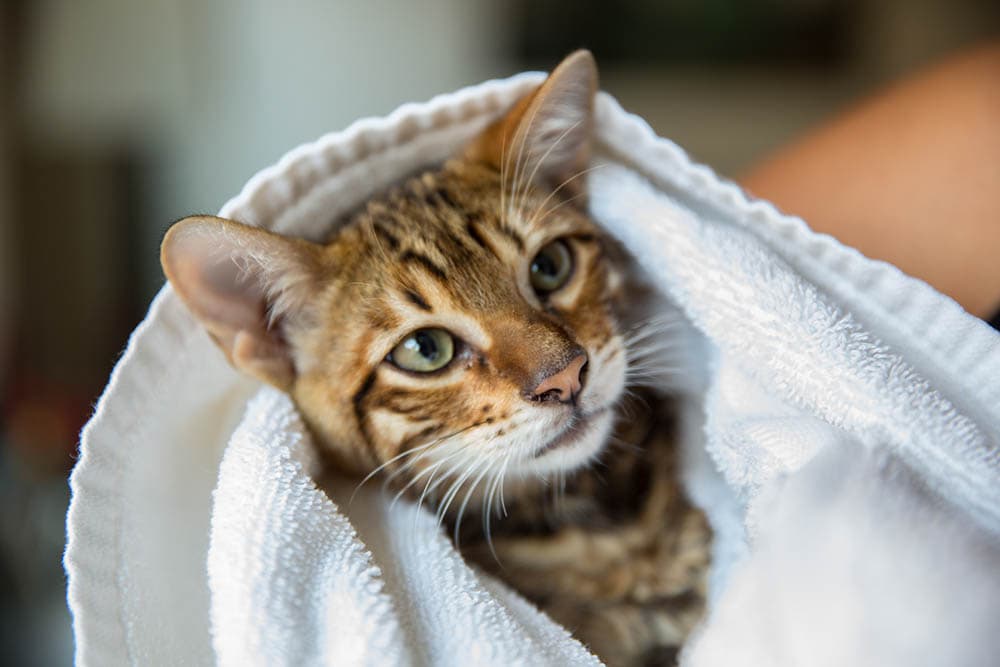
    • Once your cat is clean, use the towels to dry them off. Many cats are scared of hair dryers, so use the towels to dry them off as best as possible. If your pet isn’t afraid of the hair dryer, you can set it to low heat to dry them.
    • Because wet fur is more likely to become knotted or tangled, use a detangling spray and comb out the fur as it dries.
    • If your pet seems severely distressed by the bath, stop and let them go. Forcing them through something that’s causing an overwhelming amount of stress will be traumatic for your cat.
    • And, if all else fails, take your cat to the groomer to be bathed.
    white-British-long-haired-cat-smiling-or-happy
    Photo Credit by: Sviatoslav Shevchenko, Shutterstock

    Can I Keep My Long-Haired Cat Clean Without Baths?

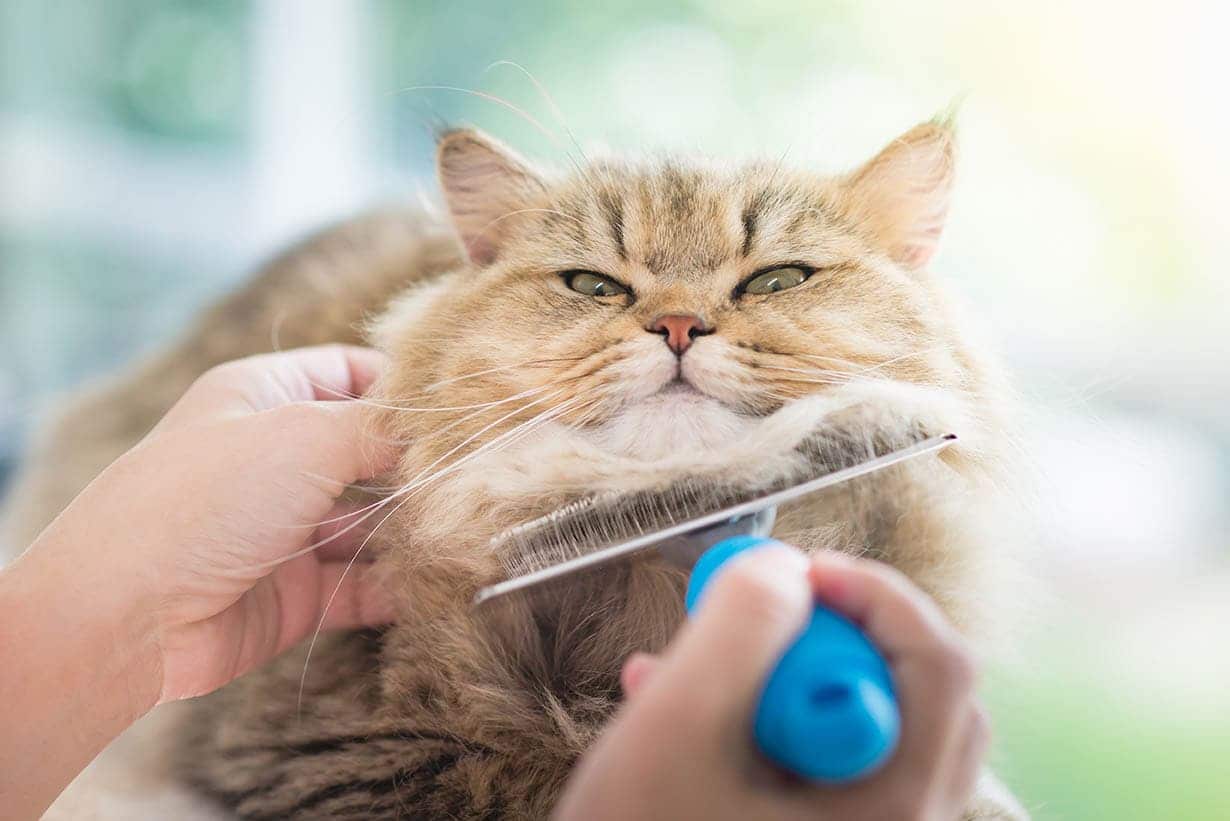
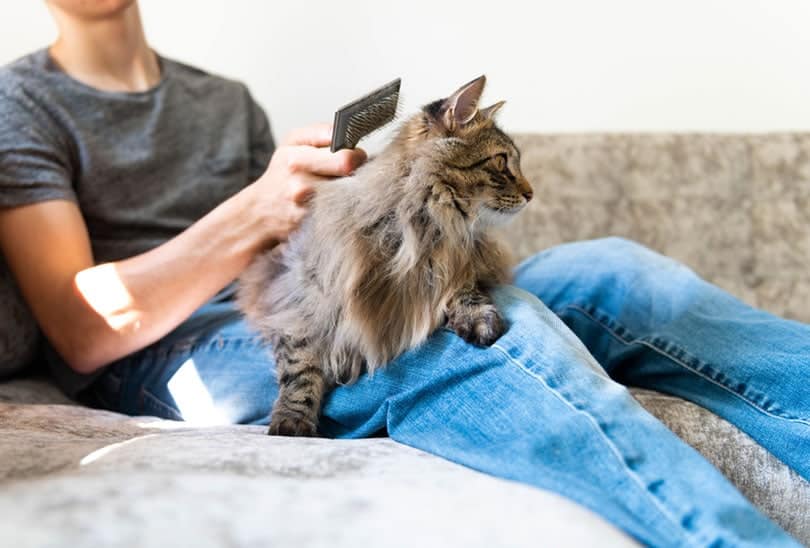
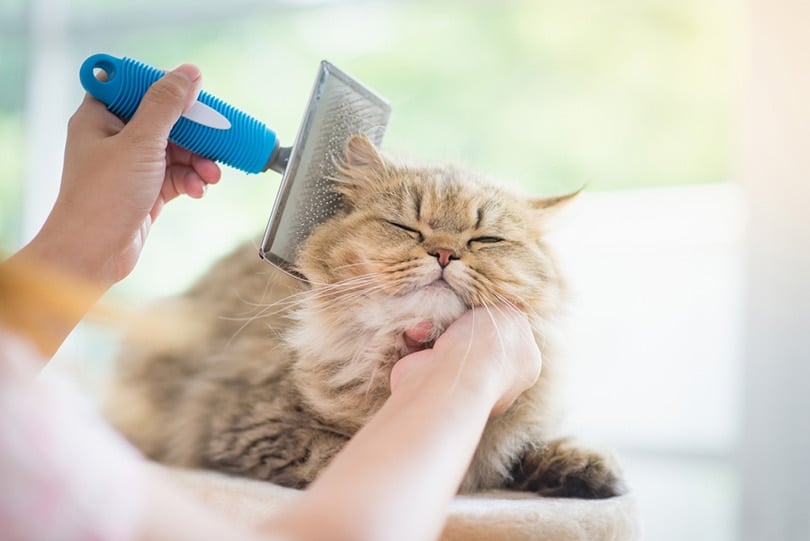
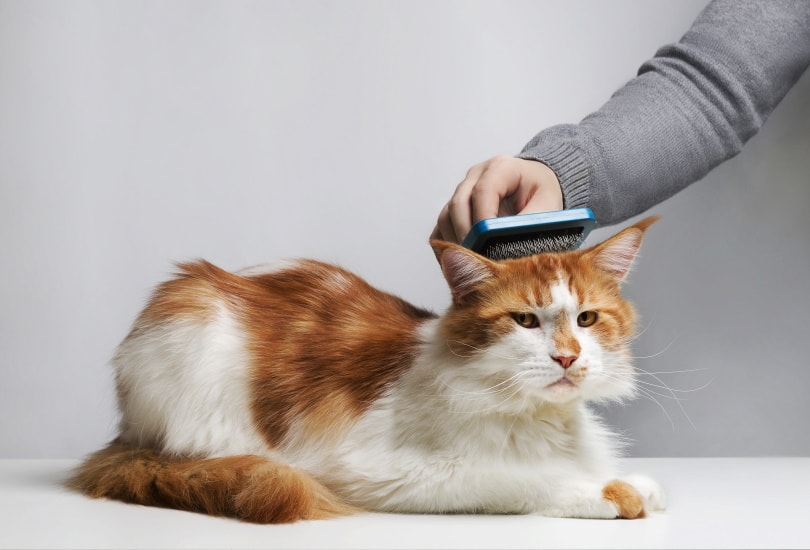
    Regular brushing is the best way to do this, particularly for long-haired cats. Long-haired cats require regular brushing (at least once a day is advisable) to help keep their coats from tangling and matting. Brushing also gets rid of dead fur and stimulates the natural oils of your cat’s skin, which leaves their coat looking healthier. Plus, getting rid of all that dead hair means your cat is swallowing less fur when they groom themselves, which can help decrease the number of hairballs they get.

    Keeping your cat’s face clean by cleaning their ears and wiping around the eyes (especially if they have runny eyes) will also help.

    What if My Long-Haired Cat is Really Matted?

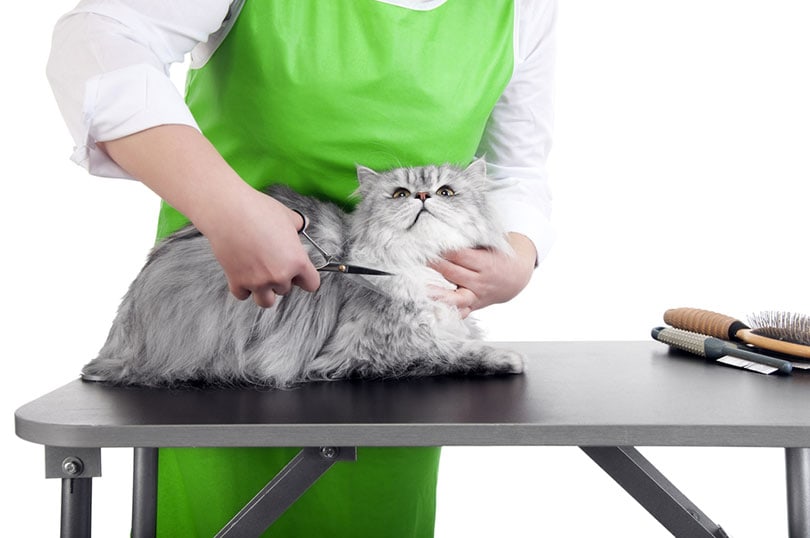
    It’s quite common for long-haired cats to get little dreadlocks, and these can quickly turn into big dreadlocks. If you are dealing with smaller knots, you can try using a good detangling comb or even some pet clippers to cut the knotted fur away. Be really careful when using clippers, as cat skin is quite fragile, and many kitties have needed stitches after an ill-fated grooming session. Never use scissors. If your cat has a really matted coat, you are probably best going to your vet or a groomer to have them clipped. Sometimes cats need a sedation to have their whole body clipped, so keeping on top of grooming is the best way to avoid this.

    If your cat is not used to being brushed, start out with a soft bristled brush to get them used to the sensation, without risk of pulling the fur. Once they are accustomed to being brushed, you can introduce a more effective detangling brush to tackle small knots and keep on top of shedding hair. Grooming mitts are a great way to sneak in some grooming without them noticing!

    divider cat paws 2 oct 2024

    Final Thoughts

    Long-haired cats don’t necessarily require baths, but on occasion, they may need to take the plunge. Because wet hair is more likely to tangle, it is much better to stick to brushing as your grooming mainstay for your long-coated feline, using products like dry shampoo or detangling spray to help get through any knots and keep them smelling fresh.

    If you have a long-haired cat in the family, or are thinking of getting one, get them used to being brushed on a regular basis, preferably from a very young age. Teach them to associate a brush with treats and kind words, so that you can maintain their coat without claws and recriminations.


    Featured Image Credit: KDdesignphoto, Shutterstock

    Want content like this delivered to you?

    Sign Up For Our Newsletter

    News, insights, expert advice, and everything cat

    * By submitting, you agree to our Terms & Conditions and Privacy & Cookies Policy.


    How useful was this post?

    Click on a star to rate (you can leave written feedback after clicking submit)

    Help us improve Catster for pet parents!

    Your feedback really matters.

    What did you like about this post? Also how can we improve it?

    Join the conversation

    Leave a Reply

    You’re very welcome to leave a comment or question. Please know that all comments must meet our community guidelines, and your email address will NOT be published. Let’s have a positive and constructive conversation.


    Catster's Digital Magazine is Back!

    Vet-approved health & behavior advice

    Real cat stories & community features

    When a Cat Becomes a Water Fountain – Why Cats Vomit After Drinking

    Seeing a cat drink water and then promptly bring it back up can be confusing. Sometimes the explanation is fairly simple, particularly if...

    Chatting About Sleeping Positions, Loafing & Cats in Tubes | Chatty Cattys, Episode 33

    In this episode of Catster’s Chatty Cattys podcast, Dr. Karyn and Nicole dive deep into the fascinating world of feline sleep behaviors. From...

    The Bite Stuff: The Truth Behind a Cat’s Sudden Nip

    A cat bite that seems to come out of nowhere is one of the more confusing things a cat owner deals with. Everything...

    Your Cat’s Purr Proves They’re One of a Kind

    There are few sounds more comforting to a cat parent than the familiar rumble of a purring cat. You probably know your own...

    More related

    100+ Unique Cat Names: Ideas for Rare & Eclectic Kitties

    When you start to think about what goes into a pet’s name, there are a lot of things to consider. Do you like...

    How to Stop Your Cat Peeing in the House (Without Moving Across the Country)

    Hi, I’m Dr. Karyn! Read my introduction to learn more about me and meet my five hilarious cats: Clutch, Cyril, Alex, Zelda, and...

    Why Is My Cat Squinting One Eye? (Vet Answer)

    Our cats squint at us for several reasons. It can be a gesture of affection, a sign that they are in pain, or...

    Can Orange Cats Be Female? Genetics & Rarity Explained

    You might have heard that all orange cats are male, leading you to believe that if you spot an orange cat, it must...

    Keep reading

    Can Cats Eat Tomatoes? Vet-Approved Nutritional Science & Info

    The tomato is a fruit that is widely used in the culinary arts. It is a member of the nightshade family and is believed to have originated in South America. The tomato has smooth, usually red skin and contains numerous...

    Can Cats Eat Tomatoes

    Are All White Cats With Blue Eyes Deaf? Vet-Reviewed Facts & FAQ

    At some point, you’ve likely heard someone say that all white cats are deaf—particularly those with blue eyes. But is this factual? Not entirely! While white cats with blue eyes certainly are more prone to hereditary deafness—white cats, in general,...

    turkish cat with blue eyes_love pattern_shutterstock

    Carrageenan In Cat Food: Vet-Reviewed Uses, Safety & Verdict

    If you’re a cat owner who likes to read pet food labels, you’ll probably come across some ingredients you don’t recognize. Since you don’t want to feed your cat anything toxic or unsafe, your next step is to research unfamiliar...

    bengal cat eating wet or pate food

    Colorado Hemp Honey Review 2026: A Detailed Look

    More and more cat owners are beginning to understand the benefits CBD can offer their cats. Not only does this natural compound work incredibly well to help anxious kitties calm down, but it’s also useful for many chronic conditions, to...

    Colorado Hemp Honey CBD Pet Products

    Pheromone Diffuser for Cats: Vet-Reviewed Pros, Cons & FAQ

    Pet parents use pheromone diffusers to reduce stress and anxiety in cats. They release continuous streams of synthetic pheromones that can decrease anxiety and are frequently suggested as ways to manage unwanted stress-related behavior, such as marking and scratching. Cats...

    Synthetic Pheromene Diffuser and Tabby Cat

    How To Get a Stool Sample from a Cat: 4 Vet-Reviewed Steps

    Regular fecal testing is an important aspect of preventative care for cats, and an essential diagnostic tool if your feline is feeling under the weather. If your veterinarian asks you to provide a stool sample for your cat, however, it...

    cat poop in litter box

    Has Your Cat Food Gone Bad? 8 Vet Reviewed Signs to Look For

    Cat food manufacturers follow strict guidelines to produce safe products, but after they leave the factory, they can become damaged or improperly handled during shipping. The last thing you want is to feed your cat spoiled food, but you don’t...

    owner feeding his cat

    Can Cats Eat Ferret Food? Vet-Reviewed Nutrition Facts

    The latest figures from the American Veterinary Medical Association (AVMA) estimate that 326,000 American households include at least one ferret.1 Many families have more than one pet, which may lead you to ask: Can cats eat ferret food? While felines...

    Can Cats Eat Ferret Food

    Love Cats? So Do We! Join the Catster Community

    Stay informed with expert pet care insights delivered straight to your inbox! Discover professional guidance on animal behavior, feeding tips, trusted product picks, and much more.


    Sign up for the Catster Email Newsletter

    Stay informed with expert pet care insights delivered straight to your inbox! Discover professional guidance on animal behavior, feeding tips, trusted product picks, and much more.