


In this article
It’s an instinct shared by many pet owners. You’re enjoying a food you like, and your pet also wants a piece. It’s hard not to give in to the temptation and give your furry friend a bite. After all, if it’s safe for you, it’s safe for them, right?
Unfortunately, the truth is that’s not always the case. Plus, we often eat plenty of foods that aren’t good for us, either.
A hot dog may seem like a harmless stick of meat, not far from any rat or bird your cat killed and dragged home. However, looks can be deceiving. So, can cats eat hotdogs? The answer is no! A hot dog is vastly different from any food your cat would naturally have in their diet. Experts will tell you that hot dogs are not a food you should feed your cat, but if you want to know more, read on.

No, You Shouldn’t Feed Your Cat Hot-Dogs!
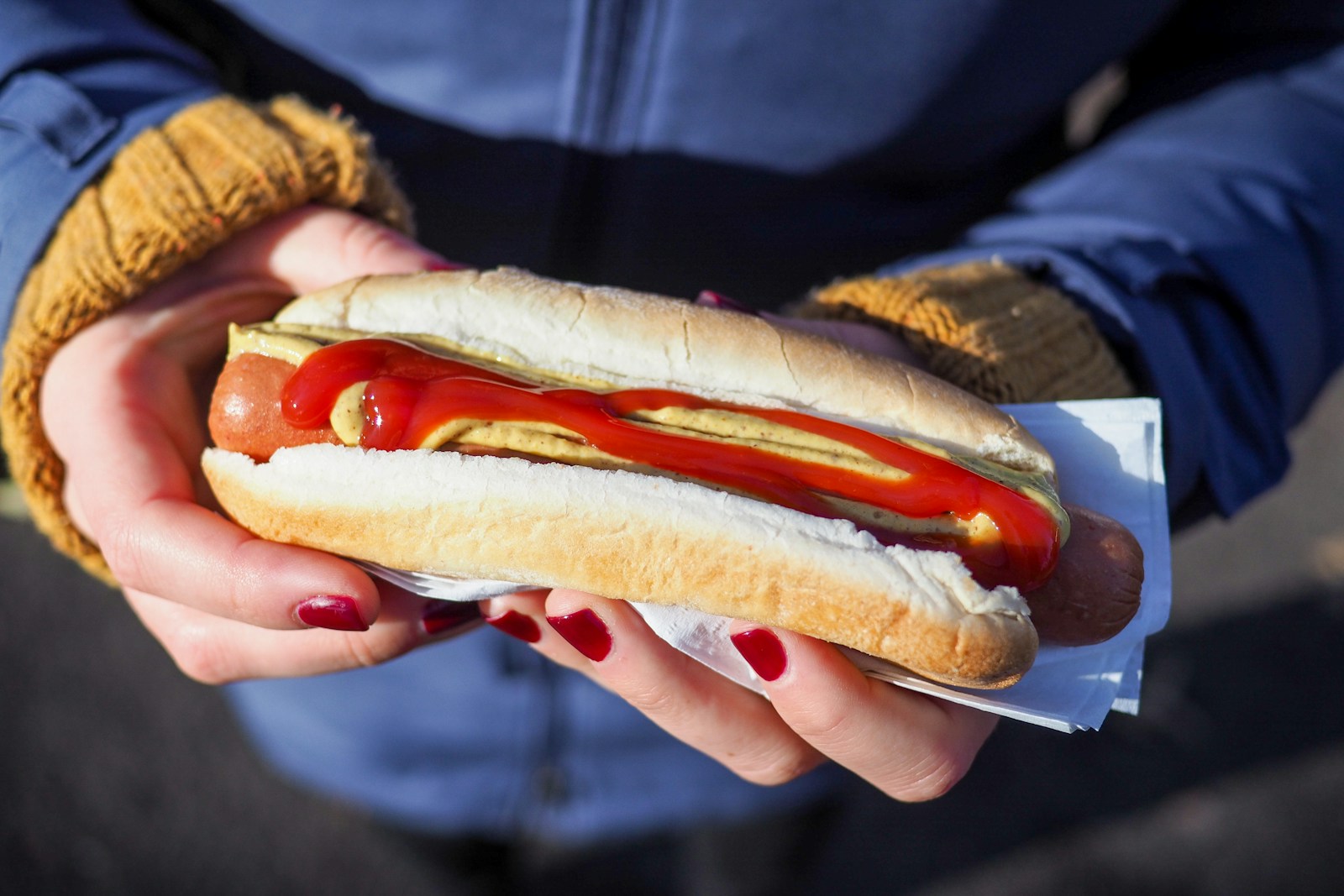
While a hot dog might seem like a harmless treat, they contain ingredients that are far from ideal for our furry friends. They generally have very high levels of sodium, fat, and artificial additives and preservatives that can easily disturb your cat’s digestive system and cause an upset stomach, not to mention the potential long-term health risks associated with weight gain from eating such calorically dense food. Some hot dogs also contain additional spices and seasonings, such as onion or garlic, that are toxic to cats when consumed in certain amounts. In general, processed human foods should be kept away from felines and you should focus on feeding your cat appropriate foods that meet their nutritional needs.
What’s in a Hot Dog That’s Bad for Your Cat
In truth, hot dogs aren’t healthy for humans, either. It’s recommended that humans avoid consuming hot dogs frequently, especially in large amounts. Let’s take a look at some of the ingredients in a hot dog that you don’t want to feed your cat or yourself!
High Sodium Content
Everyone knows that too much sodium in your diet can cause health problems. In humans, it can cause high blood pressure, but with cats, the effects depend on the amount they consume.
Although taking a small bite out of a hot dog is unlikely to cause serious issues to your cat when it comes to sodium content, it still isn’t something you should be offering your kitty. Too much sodium can lead to increased thirst, vomiting, diarrhea, while amounts more than 0.05 tbsp will lead to signs of salt toxicity.
If your pet is showing any of these signs or you are worried they may have eaten too much salt, speak to a vet promptly.
Too Much Fat
We’ve already mentioned the high-fat content of hot dogs, but it’s one of the biggest reasons not to feed them to your cat. Excess fat can lead to a stomach upset, and excess of any empty calories will predispose for obesity on a long term basis.
Nitrates and Nitrites
All sorts of preservatives, dyes and additives are found in hot dogs, including nitrates and nitrites. Since hot dogs are made to have a long shelf life and be ready to eat without being thoroughly cooked, they contain far more preservatives than many other foods.
Our bodies have become accustomed to the high amount of preservatives and other compounds that have become a significant part of our diet, but there isn’t as much scientific information when it comes to our pets. Some of the scientific papers have looked into the effects of nitrates and nitrites in food on animal health, as well as their varying concentrations, while there have been cases of unsafe amounts in cat and dog food leading to various neurological signs and deaths in 1997 in New Zealand.
Learning about what your cat can and cannot eat is a crucial part of keeping them happy and healthy! Choosing a bowl to serve cat-friendly foods in is another important decision pet owners face. Satisfy the specific needs of your cat with the innovative design of the Hepper NomNom Cat Bowl. Learn why it’s our (and our cats!) favorite food and water dish here. At Catster, we’ve admired Hepper for many years and decided to take a controlling ownership interest so that we could benefit from the outstanding designs of this cool cat company!
But, Aren’t Cats Carnivores?
Most of us are aware that cats are clever hunters. To us, eating a dead pigeon seems disgusting. On the other hand, we eat hot dogs without giving it a second thought. So, to us, a hot dog seems like a healthier, safer bet. Why wouldn’t we want to share some with our cats?
On the surface, this logic seems to make sense. Pigeons and rats carry diseases that we know aren’t present in our hot dog meat. But the meat that your cat would be eating in the wild is very different from the processed meat in a hot dog.
Wild Meats vs. Processed Meats
If it’s all meat, why should I avoid feeding my cat a hot dog when they can eat rats outside? Our bodies have evolved to digest the processed foods that we eat. Before we created processed products, they did not exist on Earth.
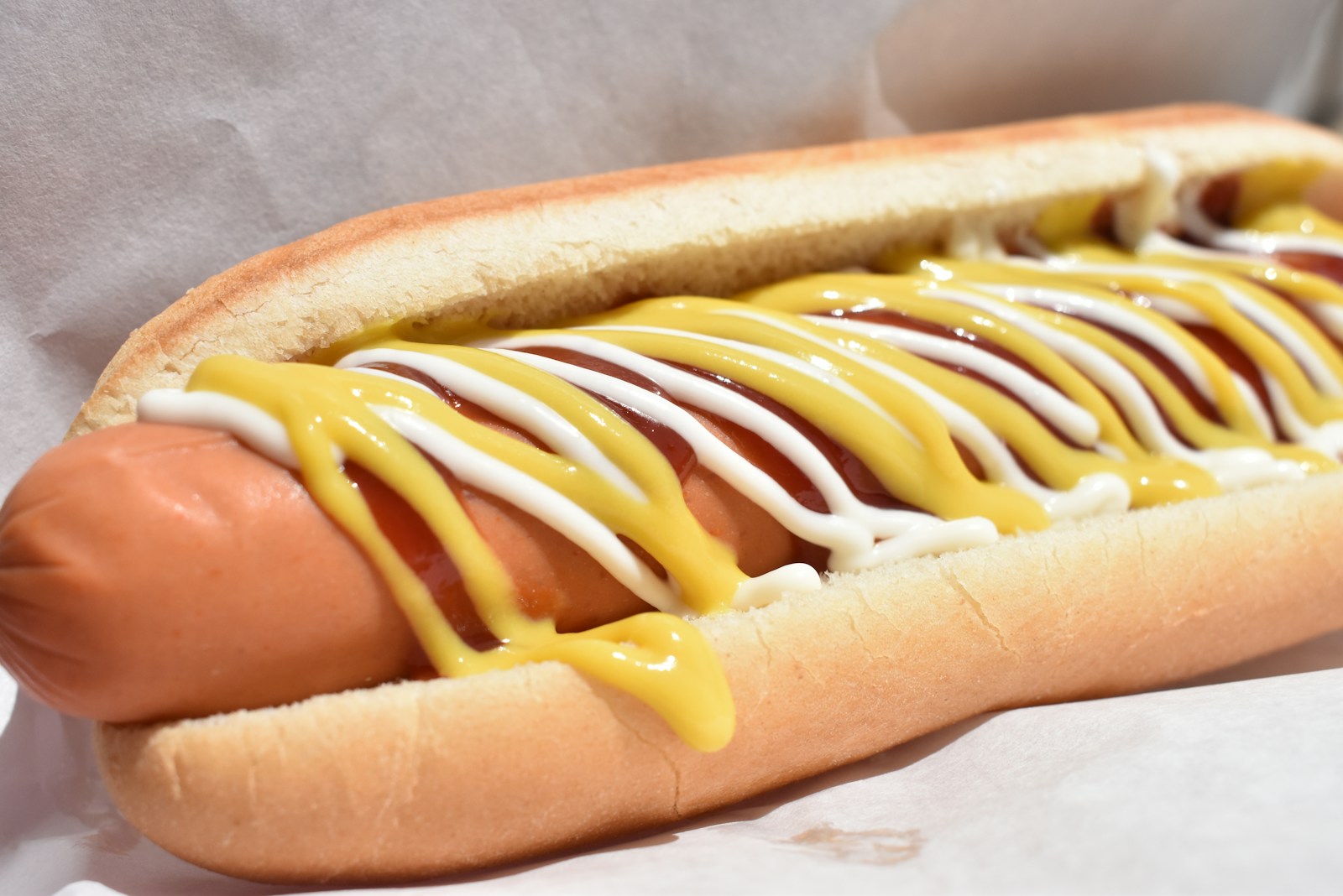
A hot dog isn’t just ordinary meat, though it looks like it on the surface. It’s an amalgam of several meats and parts of animals, plus many chemicals and preservatives.
Moreover, hot dogs have an incredibly high-fat content. In the wild, very few animals have as much fat. A cat’s natural diet consists almost entirely of very lean meats.
Humans aren’t the only ones with an obesity problem today. Many pets are as overweight as their owners, and part of the problem may be that they’re being fed inappropriate amounts of processed foods that were never meant to be a part of their diet, combined with a less active lifestyle and too many treats.
While sharing human food with your cat is not always safe, we have a solution that will keep you both smiling.
We've currently got a 40% discount to share on the HUMAN-GRADE premium cat food that ranked number #1 in our reviews! CLICK HERE & use code Catster24 to SAVE 40% on Smalls cat food!
Conclusion
In the end, every pet owner has to make their own decisions about their pet’s life. But if you want to help your cat live their best life, hot dogs should not be a part of their diet.
These foods contain too much fat and empty calories which can contribute to your cat being overweight long-term or lead to digestive issues. Plus, the excess sodium, spices, and seasonings can be harmful and sometimes even toxic to your cat. Finally, the preservatives and additives in hot dogs are unhealthy for your cat, which is another reason why hot dogs aren’t a good food to feed your furry loved one.






