How Many Kittens Can a Cat Have? Vet Verified Facts & FAQ


In this article
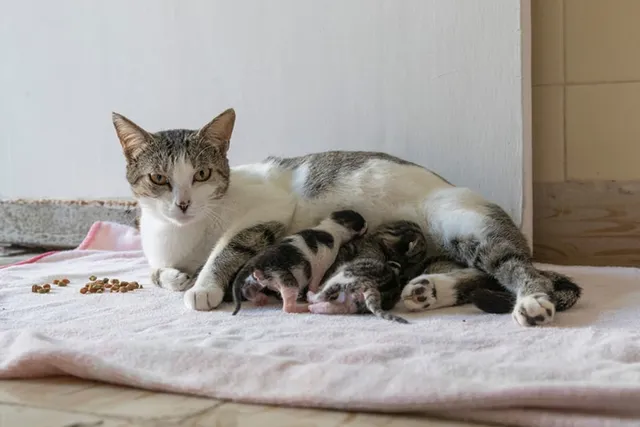
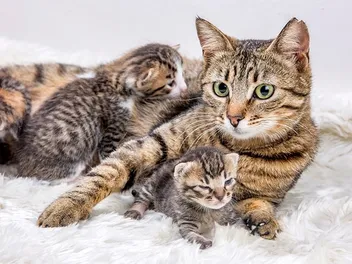
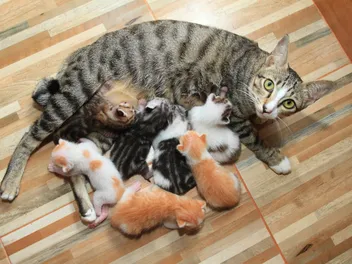
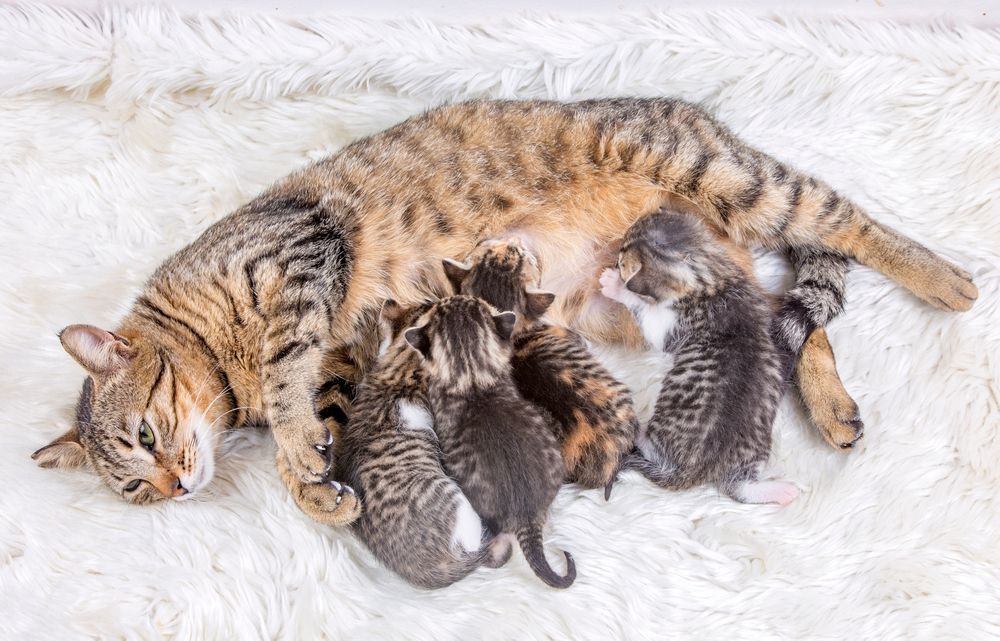
Kittens can be a ton of fun, but they’re also a lot of work. There are health risks to your cat during and after her pregnancy, and her kittens will need care until they’re old enough to go to their own homes. So, how many kittens can a cat have in a litter? On average, cats have litters of four to six kittens, but this can range from one to nine kittens. So, it’s safe to say that cat litter sizes can widely vary.

What Affects Litter Size in Cats?
Things like breed, age, and the health of a cat can all affect litter size. For example, some studies have shown that breeds like the Burmese and Siamese tend to have larger litters than other cat breeds.1 Also, first-time moms usually have a smaller litter size.

How to Tell How Many Kittens a Cat Will Have?
The only way to determine how many kittens your cat will have is by taking them to the vet. The vet can then perform an ultrasound, X-ray, or palpation to give you an estimate of how many kittens to expect, but these aren’t always the most accurate, as it can sometimes be hard to see or feel exactly how many kittens they’re carrying, and x-rays require a cat to be pregnant for 42 days or longer for best estimating litter numbers.

What to Do When Your Cat Is Pregnant
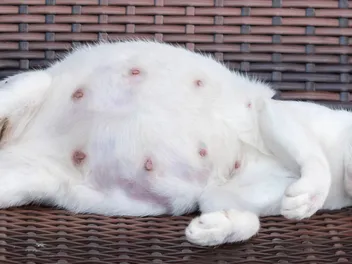
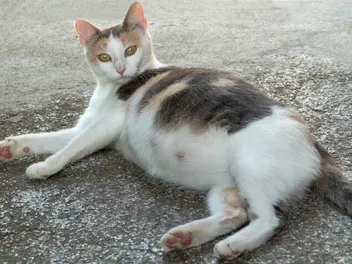
If you think your cat is pregnant, your first step should be taking her to get checked out by a vet, who can confirm your suspicions. Once confirmed, a vet is the best person to ask for advice on how to care for her, but in general, you’ll want to keep her relatively active to ensure she is fit for birth. You’ll also want to create a calm and relaxing environment for her, especially as her due date gets closer. Pay special attention to her appetite and comfort. If she seems uninterested in eating or is distressed, get her checked out by a vet.
When the due date gets closer, provide your cat with a box where she can nest and safely deliver her kittens. However, don’t be offended if your box isn’t up to her standards and she decides to deliver them elsewhere. Still, you can entice her with plenty of soft blankets and towels, and ensure that the box is in a quiet location and away from areas of the house with lots of foot traffic.

Are There Reasons My Cat Shouldn’t Have Kittens?
Along with some medical risks to a cat during pregnancy and nursing, it’s necessary to understand other reasons why your cat should not have kittens. A single cat can have as many as 100 kittens in her lifetime. If none of the offspring are spayed or neutered, then you will have hundreds of cats within just a few years.
In the United States alone, approximately 1.4 million homeless cats are euthanized annually in animal shelters and rescues. It should also be noted that domestic cats are often considered to be an invasive species. Approximately 100 million cats live outdoors in the US, including owned, feral, and stray cats. These cats have been implicated to be devastating to their local ecosystems, often killing birds and other small animals in large numbers.

In Conclusion
If your cat has a single litter of kittens, you can likely expect only a few kittens. Routine vet visits throughout her pregnancy will ensure that your cat stays healthy and safe throughout pregnancy and after labor. Vet visits near the time she is due to give birth can help give you an idea of how many kittens to expect, which can make it easier for you to keep an eye on if things don’t seem right throughout and after labor.
Sources
Featured Image Credit: Esin Deniz, Shutterstock
Expert cat care, straight to your inbox
News, insights, and useful advice, delivered to you.

No spam — unsubscribe anytime.
By signing up, you agree to our Terms & Conditions and Privacy & Cookies Policy.
How useful was this post?
Click a star to rate. You can leave written feedback afterwards. (We read all feedback.)
Brooke Billingsley, a former veterinary assistant for nine years, became a nurse in 2013. She lives in Arkansas with her boyfriend of five years, surrounded by her beloved pets: three dogs, two cats, five fish, and two snails. Brooke has a soft spot for special needs animals, caring for a three-legged senior dog and a widely known cat with acromegaly and cerebellar hypoplasia. She has developed a keen interest in fish keeping and is always learning how to provide the best environment for her aquatic pets. In addition to her passion for animals, Brooke enjoys gardening and maintains a vegetable garden during the summer. She stays active with yoga and received her 200-hour yoga teacher certification in 2020. Brooke also hosts a podcast that delves into folklore and myth, dedicating her spare time to research and writing. She embraces the philosophy that every day is an opportunity for learning and growth, continually working to acquire new skills and knowledge.