Cat Shedding: What’s Normal & When to Call the Vet (Vet Reviewed)


In this article
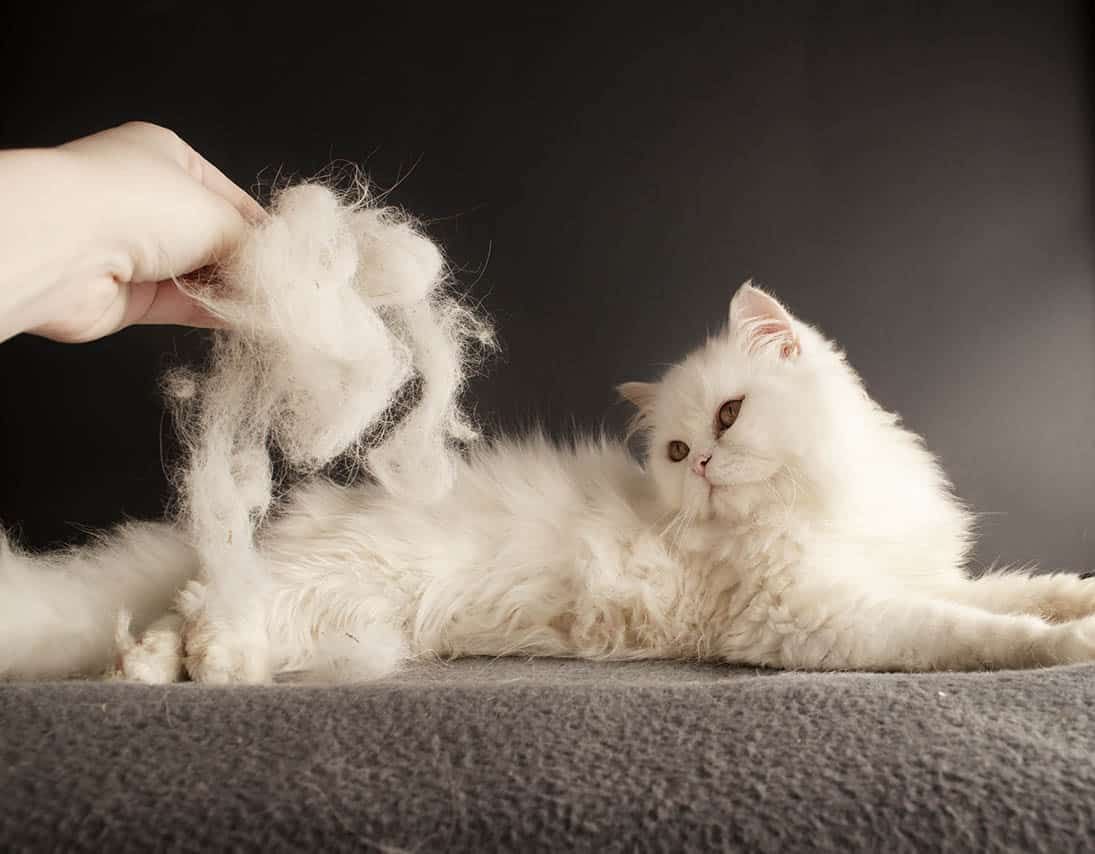
Some cats shed more than others, but knowing what’s normal for your own cat is useful. Excessive shedding can be a sign that something is wrong with your feline friend. If it suddenly seems like your cat is shedding more than normal, it can be a sign that they may need veterinary attention.
Let’s look at what kind of shedding is normal and when you might want to ask the vet for advice.

Why Do Cats Shed?
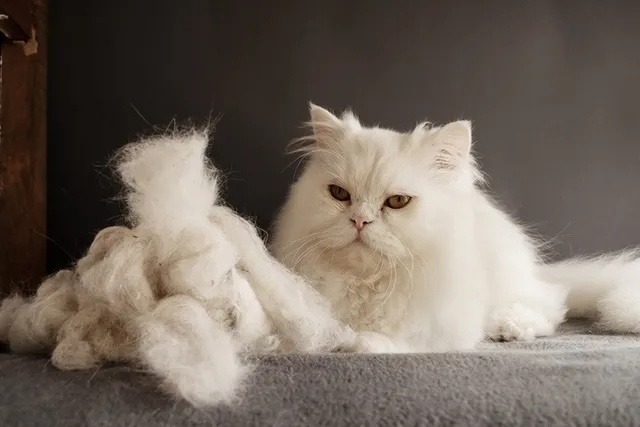
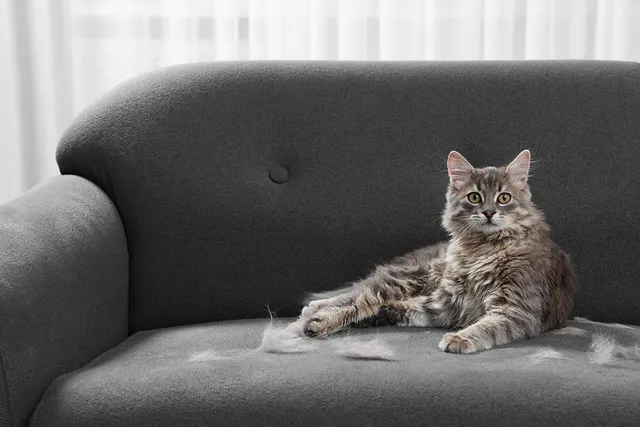
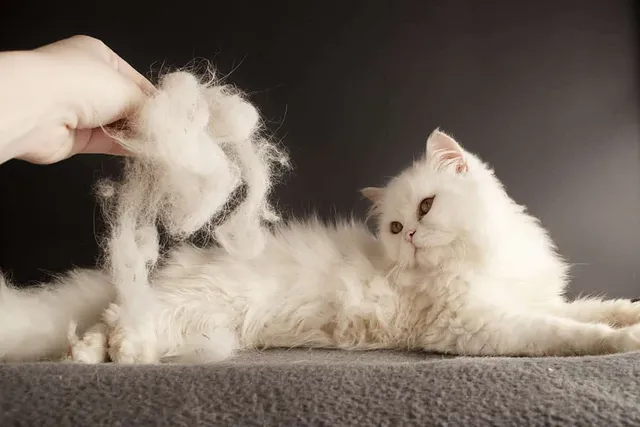
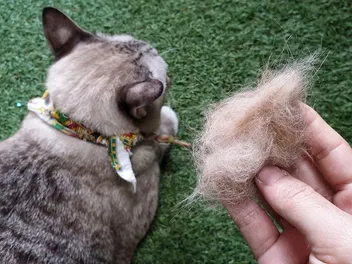
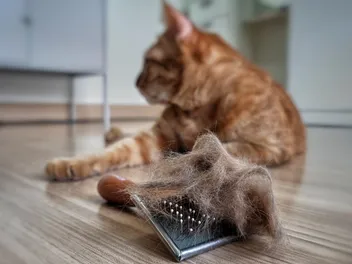
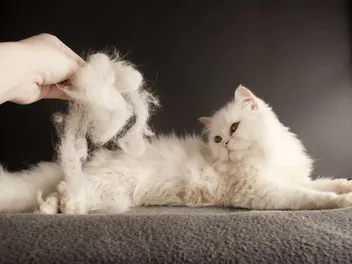
All cats shed their coats—except hairless ones, of courser! Shedding is a natural process that removes dead hairs and replaces them with healthy new hairs.
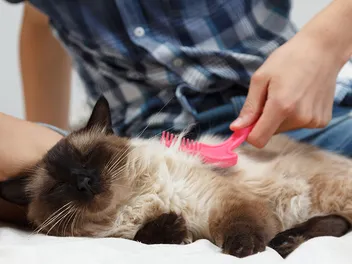
Longhaired breeds will typically shed more than cats with shorter hair. Normal shedding will happen with your cat’s entire coat and isn’t a cause for concern. You can limit the amount of hair shed around your house by grooming your cat every day.
Cat Shedding Season
As the weather changes, cats will shed their coats in response to changes in the temperature. These seasonal shedding events usually occur twice a year: at the start of fall and spring. As temperatures drop, your cat will shed their thin summer coat to replace it with a thick winter coat. As the temperatures rise in spring, they’ll shed their winter coat.
An exception is if you live somewhere with fewer seasonal changes, like somewhere with humid temperatures all year round or in Alaska, where the temperatures will be lower than average, even in summer. In these cases, cats may not shed their coats seasonally.
Indoor cats often shed less frequently than outdoor cats, as they’re exposed to fewer temperature extremes.


When to Call the Vet
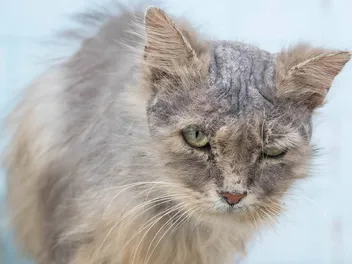
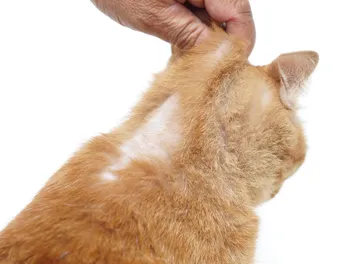
If your cat’s shedding is accompanied by bald patches or irritated skin or seems more excessive than regular seasonal shedding, you should book an appointment to see the vet. There could be an underlying condition affecting their health.
1. Cat Shedding From Allergies
Allergies can cause hair loss, skin irritation, and bald patches. Some allergies are seasonal, including pollen, dust, and molds, while others may occur if your cat eats something that triggers an allergy. Many cats are allergic to flea saliva, for example. If you notice your cat’s skin seems irritated, they seem restless, or they have swelling, itchiness, and constant scratching along with excessive shedding, it’s important to call a vet right away.

2. Cat Shedding When Stressed
Rapid shedding can be a sign that your cat is frightened or stressed. This type of shedding may happen during a vet visit, a car journey, or any other event that puts your cat under more stress than normal.
This kind of shedding affects hairs that have completed their growth phase and are now in the resting, or telogen, phase. These are the hairs that would be shed naturally but slowly if your cat was at home under normal circumstances. Under stress, it’s thought that the muscles attached to hair follicles tense up, and the hairs due to be shed soon will then fall out.
There’s no harm done to your cat’s coat during these stress-shedding episodes—you might just leave quite a pile of fur at the vet clinic! If your cat does seem to shed their coat at times of stress, consider things that you can do to help them feel less stressed. Using pheromone diffusers or sprays or taking the time to get your cat used to car journeys can help them cope with stressful events better.
3. Cat Shedding Due to Ringworm
Ringworm is a fungal infection that can be passed between cats and humans as well. Besides causing red and irritated skin, it can make your cat’s fur weak and more likely to break off. If you see patches of fur loss or thickened skin on your cat, speak to a vet for advice. Other fungal or bacterial infections can also cause hair loss, and the vet will be able to test your cat to find out what they’re suffering from.
4. Cat Shedding Due to Endocrine Issues
Thyroid disease usually occurs in cats over 10 years old. It can be difficult to diagnose without blood tests, but one sign can be hair loss.
Cats with other hormonal diseases or hormone-affecting conditions, such as Cushing’s disease, hypoadrenocorticism, ovarian cysts or tumors, testicular tumors, etc., can present with excessive shedding and alopecia.
5. Cat Shedding From Parasites

Fleas, ticks, and mites can all cause skin irritation and hair loss. Make sure you keep up a regular schedule of anti-parasite treatments and check your cat’s skin regularly for any signs of infestation.
6. Cat Shedding From Pregnancy or Lactation
Pregnant and lactating cats can undergo hormonal changes that result in them shedding their coats more than normal. They will usually shed most of the hair on their bellies, making it easier for their kittens to nurse. You don’t normally need to seek vet advice for this kind of shedding, as once the mother cat weans her kittens and stops lactating, her coat will grow back.

How to Keep Your Cat’s Coat Healthy
Once you’ve figured out the reason behind your cat’s shedding and spoken to a vet if necessary, you can start thinking about how to keep your cat’s coat healthy in the future.
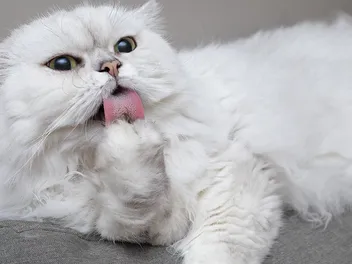
During regular shedding cycles, daily brushing helps remove loose hairs and reduces the chance of your cat developing hairballs as they groom themselves.
You can add foods rich in omega-3 oils to add nourishment and improve the condition of your cat’s coat. Once you’re familiar with your cat’s normal amount of shedding, you’ll be able to seek advice quickly if they appear to be shedding far more hair than expected.
You might also like:
Cat Zoomies: What Are They? And When to Call the Vet? (Vet Answers)
Do Cats Shed More in Summer? Vet-Reviewed Facts & Maintaining Tips
Do British Shorthair Cats Shed More Than Average? Vet-Reviewed Breed Comparison & Helpful Tips
Featured Image Credit: DreamBig, Shutterstock
Expert cat care, straight to your inbox
News, insights, and useful advice, delivered to you.

No spam — unsubscribe anytime.
By signing up, you agree to our Terms & Conditions and Privacy & Cookies Policy.
How useful was this post?
Click a star to rate. You can leave written feedback afterwards. (We read all feedback.)
Emma is a freelance writer, specializing in writing about pets, outdoor pursuits, and the environment. Originally from the UK, she has lived in Costa Rica and New Zealand before moving to a smallholding in Spain with her husband, their 4-year-old daughter, and their dogs, cats, horses, and poultry. When she's not writing, Emma can be found taking her dogs for walks in the rolling fields around their home...and usually, at least some of the cats come along, too! Emma is passionate about rescuing animals and providing them with a new life after being abandoned or abused. As well as their own four rescue dogs, she also fosters dogs for re-homing, providing them with love and training while searching for their forever homes.