Do British Shorthair Cats Shed More Than Average? Vet-Reviewed Breed Comparison & Helpful Tips


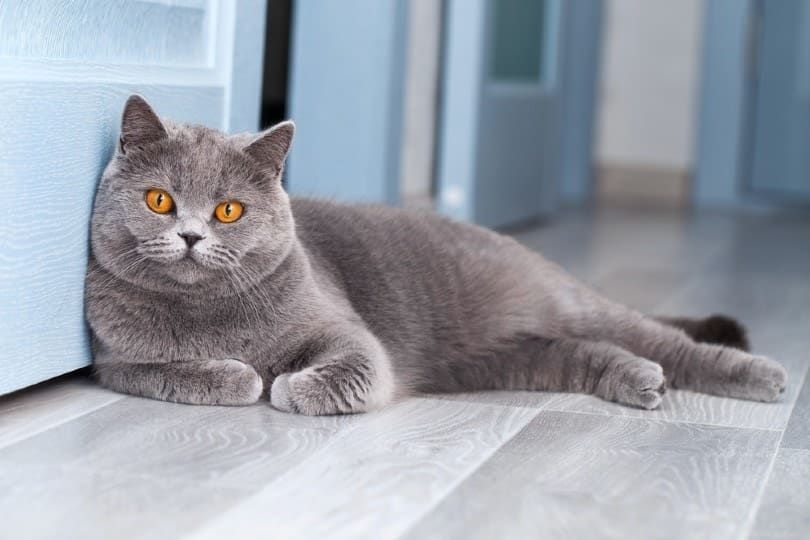
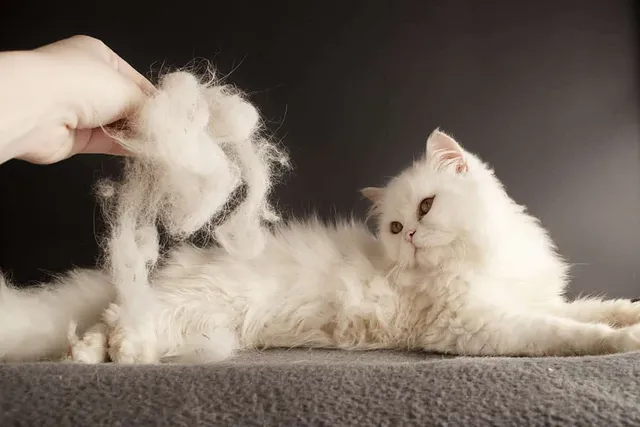
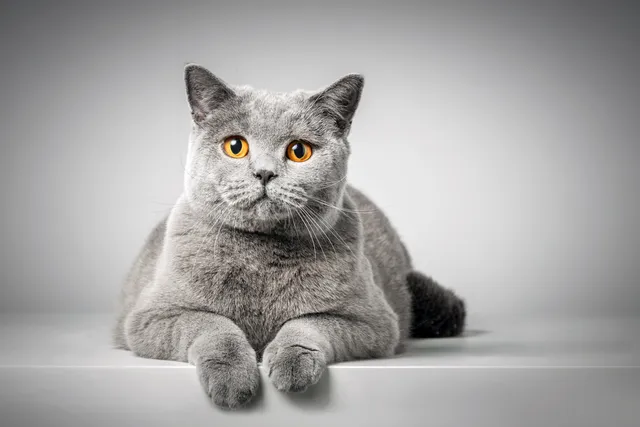
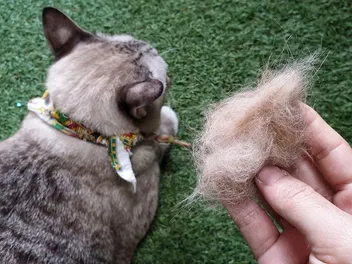
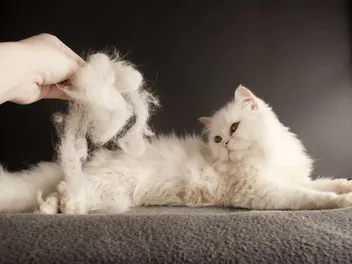
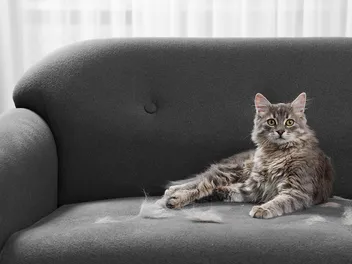
British Shorthair cats don’t shed more than average. Compared to other shorthair cats, their shedding is about even. Usually, they shed more during the spring and fall, when their coat is adjusting to the shifting seasons. You will probably find more hair on your clothes and furniture during this period. Many people recommend brushing these cats for a brief period once a day or once every other day to help limit the hair that ends up around your home.
These cats aren’t low-shedding by any definition. Therefore, if you don’t like cat hair around your home and on your clothes, you should choose a different cat breed.
With that said, some cats do shed more than others. It is possible for a particular British Shorthair to shed more than others, depending on some environmental factors. Luckily, there are things you can do to control your cat’s shedding, though you will never eliminate it completely.

The 6 Tips to Reduce a British Shorthair’s Shedding
There are many ways you can reduce the amount a British Shorthair sheds. We recommend trying several options depending on what you think would work best for your feline.
1. Brush Your Cat
You should brush your British Shorthair once every 24-48 hours. While your cat may get along fine with no brushing, it can lead to more hair ending up on your furniture and clothes. A short, quick brush on a daily or every other day basis is the best way to keep shedding in check.
You should start brushing your cat early. Many cats will enjoy being brushed if you start when they are kittens. However, starting with an adult is a bit more complicated and requires a lot of positive reinforcement. You should go slow and help ensure that your feline is always comfortable. Don’t expect the cat to sit for a while during the grooming session at first. Just a few brushes is enough to start and then slowly work your way up to a full session.
2. Reconsider Their Food
You may also want to consider upgrading their cat food. Some cat foods are low-quality and may not keep your cat in peak condition. These cat foods may affect your feline’s skin and coat health, causing extra shedding. Therefore, you should consider upgrading your cat’s food if you believe they are shedding excessively.
Some cats may also just do better on different cat foods, even if their current one is high-quality. Be sure to always follow the transition instructions on a cat food package and prepare for some extra shedding during the initial transition phase.
3. Reduce Stress
Stress can increase a cat’s shedding. Of course, you can’t always control stress. Some stressful life changes simply must happen, such as changes in routine and housing. However, you can reduce this stress by keeping your cat’s environment as comfortable as possible.
For overly anxious cats, you may want to speak to your vet about medication or try other stress-reducing methods. For instance, cat pheromone collars can help reduce stress in some felines.
Of course, this method isn’t going to work if your cat isn’t stressed to begin with. Therefore, we only recommend observing your cat for signs of stress, such as excessive hiding or grooming, before attempting these methods.

4. Treat Underlying Medical Conditions
Some conditions can affect how much your cat sheds. Anything that reduces your cat’s health can also reduce the health of their skin and coat, causing extra shedding. Therefore, if something seems off with your cat, or if your cat seems to be losing too much hair out of the blue, it’s very important to seek veterinary advice.
5. Supplements
Sometimes, supplements can help treat any deficiencies that may be causing shedding. In such circumstances, supplements might be beneficial for your pet.
Never start your cat on any supplement without speaking to your vet, as some vitamins and minerals can be overdosed on. Always stick to the recommended dose; more is not necessarily better.

6. Environmental Quality
Sometimes, cats may have poor reactions to the quality of air in your home. Allergens can damage your cat’s skin and coat health. An air filter can help improve your indoor air quality. However, depending on your cat’s sensitivities, allergens may be unavoidable. Cats can be allergic to seasonal pollen and similar things, just like humans. In some cases, cats may also need allergy medication to prevent reactions.
If you think your cat is reacting to seasonal pollen, then you may want to speak to your vet about medication.
When to Worry
Of course, not all shedding is normal. Excessive shedding that leads to fur loss is a concerning sign. However, unless your cat has obvious fur loss, it can be hard to determine if their shedding is normal or excessive.
Concerning Signs That Warrant a Closer Look
When in doubt, we recommend speaking to your vet. Cats are very good at hiding their signs and illnesses. It’s a development from when they used to live in the wild. In the wild, showing signs of illness could lead to predation from other animals or territorial loss to other cats. Therefore, they evolved to hide their illness very well.
Therefore, it is typically best to err on the side of caution and get your cat seen ASAP. Obvious bald patches warrant a vet visit. However, itchiness, excessive shedding, irritated skin, and lethargy can all indicate an underlying problem.
Sometimes, cats may develop excessive shedding for reasons not immediately obvious. Of course, skin rashes and similar issues can lead to excessive shedding. However, anything that causes unhealthiness in your feline can lead to problems with your cat’s skin and coat.

Are British Shorthairs Hypoallergenic?
Hypoallergenic cats are a bit complicated. Often, people use this phrase to refer to felines that shed less than average. The British Shorthair sheds about average, so it does not fit into this category.
However, hypoallergenic cats do not exist and are not related to a cat’s hair. Those who are allergic to cats are sensitive to the proteins the feline makes. These proteins are in a cat’s skin, saliva, and urine. All cats have these things, so a completely hypoallergenic cat can't exist.
With that said, some felines may produce lower levels of this protein than others. British Shorthairs generally do not fall into this category, however. They will produce the same level of protein as other cats out there, causing allergy symptoms.
Conclusion
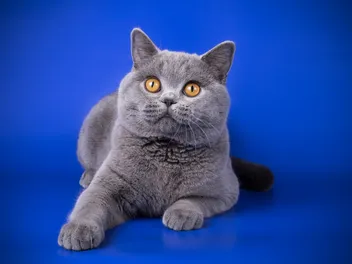
British Shorthair cats shed about the same amount as your normal feline. These cats may shed more in the spring and fall when they are switching their coats. However, for the most part, they should shed a moderate amount. There are several things you can do to reduce their shedding, though.
If you suspect that your pet cat is losing excessive fur or is shedding for medical reasons, it’s important to seek veterinary care for your cat.
Featured Image Credit: FotoMirta, Shutterstock
Expert cat care, straight to your inbox
News, insights, and useful advice, delivered to you.

No spam — unsubscribe anytime.
By signing up, you agree to our Terms & Conditions and Privacy & Cookies Policy.
How useful was this post?
Click a star to rate. You can leave written feedback afterwards. (We read all feedback.)
Kristin is passionate about helping pet parents create a fulfilling life with their pets by informing them on the latest scientific research and helping them choose the best products for their pets. She currently resides in Tennessee with four dogs, three cats, two fish, and a lizard, though she has dreams of owning chickens one-day!