Where Do I Put Cat Food & Water Bowls? 6 Vet-Reviewed Options


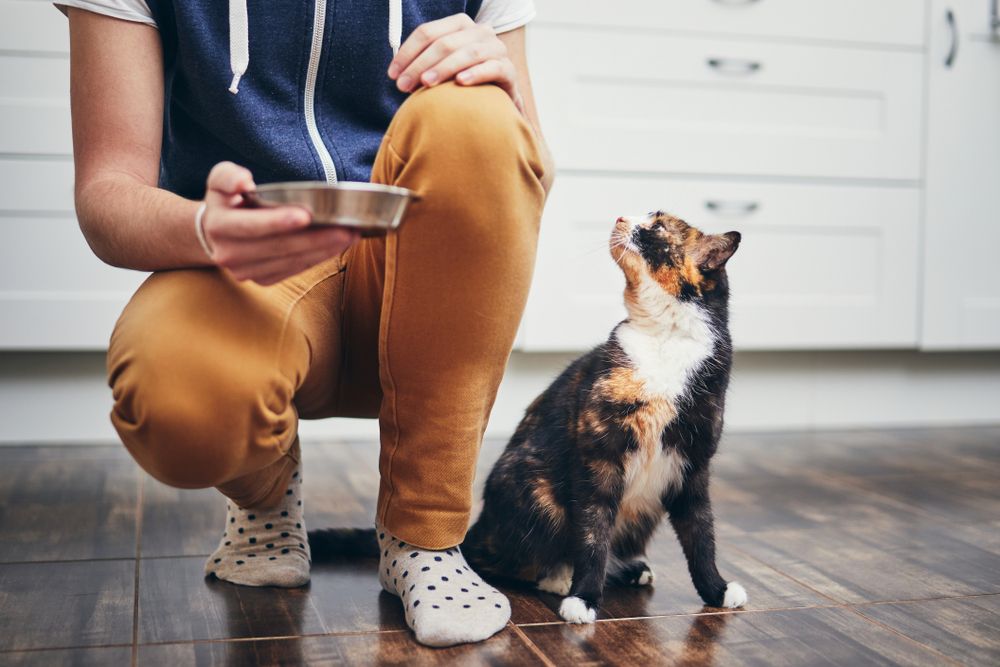
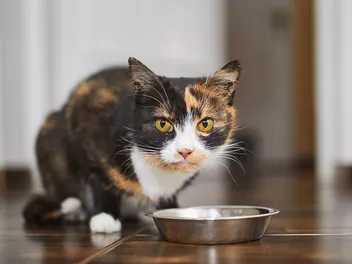
Though the placement of your cat’s food and water bowls may seem like a minor consideration, it is a lot more important than some may think. Cats are fastidious animals that need routine and love having a calm, quiet, safe space to enjoy their dinner, so picking the wrong spot or changing spots regularly can be pretty stressful for them.
In this post, we’ll share the best spots for your cat’s food and water bowls and give you a heads-up as to the places that would be best avoided.

The 6 Places to Put Your Cat's Food & Water Bowls
1. A Quiet Spot
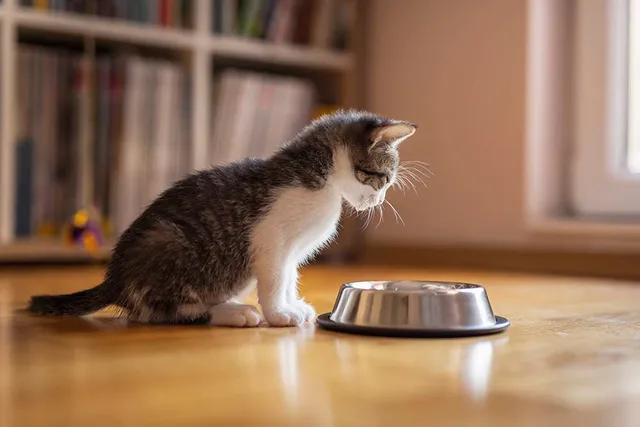
Where you place your cat’s food and water bowls is less about the choice of room and more about the tranquility of the spot. Cats don’t want to eat in noisy places, as this can seriously stress them out or even prevent them from eating, so your best bet is to opt for somewhere as peaceful and private as possible.

2. An Open Space
Cats prefer quiet, open spaces for eating and drinking. Corners and blocked-off areas can cause them stress because it hampers their peripheral vision, and it’s natural for cats to want to remain alert to potential dangers or food thieves while they’re eating. Try placing their bowls somewhere they’ll be able to have a good all-around view.

- NO MESS - The 360° tray on this cat food and water bowl set has a raised design to catch and contain stray crumbs and drips. Protect your indoors and floors from wet and messy meals!
- WHISKER FRIENDLY - Shallow and wide metal containers with flat bottoms ensure your kitty can enjoy mealtime free from whisker fatigue!
- CHEW-SAFE MATERIALS - Kittens and cats love chewing on silicone and soft rubber - but it's a choking hazard. Our cat feeding station materials are anti-chew for a 100% safe feeding frenzy!
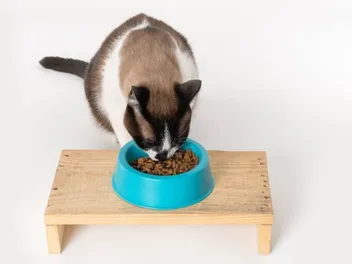
Choosing the right food and water bowls for our feline companions can pose certain challenges for pet owners. The Hepper NomNom Cat Bowl provides a chic and innovative solution that supports cat specific needs, such as shallow bowls and a subtle elevation that fosters whisker relief, posture comfort, and improves digestion. It features an elegant contemporary design with a wide wrap-around tray aimed at minimizing any messes from ending up on your floor! Furthermore, this bowl is entirely dishwasher safe, so pet owners are able to spend more time with their cats instead of cleaning up after them. Discover why the Hepper NomNom Cat Bowl is right for both you and your kitty by clicking here.
At Catster, we’ve admired Hepper for many years and decided to take a controlling ownership interest so that we could benefit from the outstanding designs of this cool cat company!
3. Away From the Litter Box
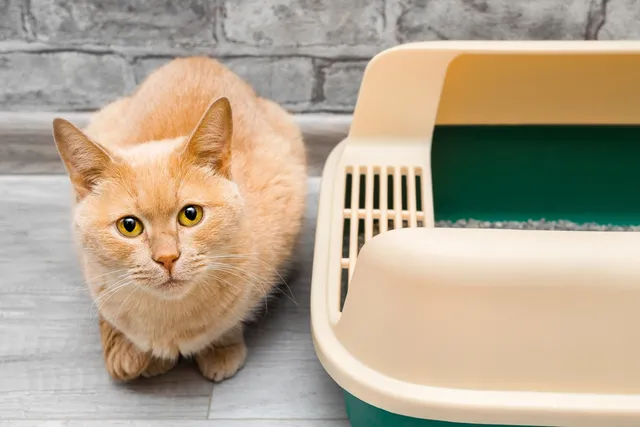
Housing your cat’s food and water bowls next to the litter box is a recipe for disaster. For one thing, it increases the risk of litter—or worse—ending up in your cat’s dinner or water supply, which is something we want to avoid at all costs for reasons of hygiene and safety.
The other issue is the smell that may put your cat off their food—cats are sensitive and dislike bad smells and unclean areas as much as we do. For this reason, it’s recommended to keep your litter box in another room or at least at a good distance from your cat’s food and water bowls.

4. Away From Each Other
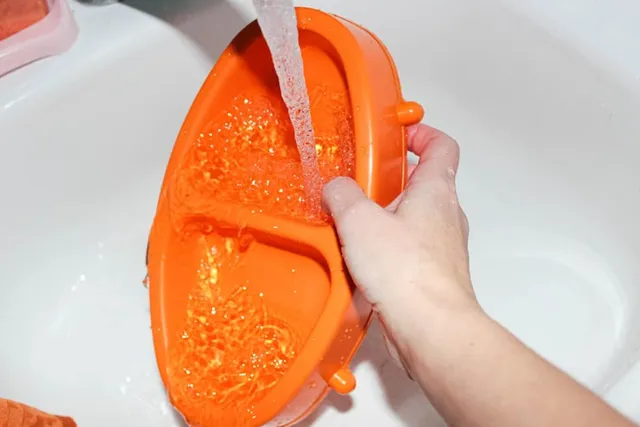
It may surprise some to learn that food bowls designed to hold water in separate compartments are not the best idea. They make it easier for pieces of food to end up in your cat’s water, and what’s more, cats don’t want the smell of food wafting up at them while they’re drinking.
In fact, in nature, cats avoid eating close to water sources, so separating your cat’s food and water bowls would better appeal to their natural instincts.
5. Away From Other Pets
If you also share your home with a dog—especially a greedy one—it’s recommended to avoid feeding your cat and dog in the same place. You might also want to consider putting your cat’s bowls somewhere out of reach to reduce the risk of your dog snaffling a morsel or two for themselves.
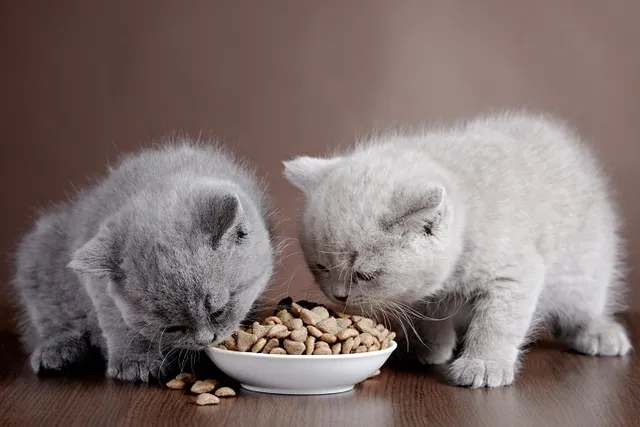
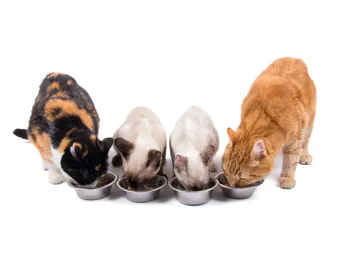
Likewise, if you have multiple cats, don’t let them share bowls, and be sure to provide each cat with ample personal space for chowing down. Cats don’t like having other animals around while they’re eating, as it forces them to be on guard and this, in turn, prevents them from enjoying their dinner.

6. In the Same Spot
As the ultimate creatures of habit, your cats will appreciate having their bowls in the same space at every mealtime. Of course, if your cat hasn’t been with you for long, you might need to try out a few spots before you find the one they like most, but once you find that spot, it’s a good idea to stick with it.
Conclusion
To sum up, the best rule of thumb is to keep food and water bowls apart, away from the litter box and other animals, and to keep them in a quiet, open space that your cat feels comfortable in. If you’ve been having trouble finding the right location for your cat’s food and water bowls, we hope you’ve found these tips useful. Good luck!
Featured Image Credit: Jaromir Chalabala, Shutterstock
Expert cat care, straight to your inbox
News, insights, and useful advice, delivered to you.

No spam — unsubscribe anytime.
By signing up, you agree to our Terms & Conditions and Privacy & Cookies Policy.
How useful was this post?
Click a star to rate. You can leave written feedback afterwards. (We read all feedback.)
Kit Copson is a freelance writer and lifelong animal lover with a strong interest in animal welfare. She has parented various furry beings over the years and is currently a proud cat mom of two—one very chilled (unless hungry) Siamese and a skittish but adorable Domestic Shorthair—and dog mom of one—an adopted Bichon Poodle cross. When not writing about or spending time with animals, Kit can be found doodling in her sketchpad, reading, or more often than not, drinking tea.