Can Cats Eat Sugar? Nutrition Facts & FAQ (Vet Answer)

In this article
Terminology: The term sugar is used in this article to describe sucrose (composed of fructose and glucose), rather than the complex carbohydrates, structural carbohydrates and fiber, all of which are often referred to under the umbrella term, “sugars.” If we are discussing carbohydrates, this is clarified.
You are wondering if your cat can eat sugar. But what you might really be asking is, is sugar toxic to cats? The answer is no, sugar is not toxic to cats, but adding it to their diet isn’t necessary or good for them.
Not only do cats lack the ability to appreciate sweet foods, they are strict carnivores, meaning that they don’t benefit much from simple carbohydrates, like sugar. They can, however, digest carbohydrates fairly efficiently, even though they have evolved to use protein and fat as their main energy sources. A cat would much prefer a protein-rich snack over a sugary one.

Is Sugar Bad For Cats
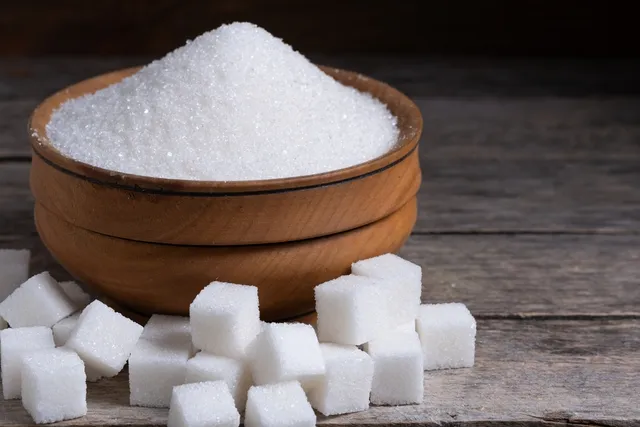
Simple sugar, as it is, is non-toxic to our cat friends. That means if they tip over the sugar bowl and have a few licks, you don't have to worry about rushing them to the emergency room. However, it's not healthy for them either.
Sugary snacks should be reserved for humans only, and to be honest, it’s not very good for us either! So even though sugar is non-toxic, we’re going to suggest that we steer clear of adding it to the diet of our feline friends.

Sugar Is Not Necessary for Cats
You may wonder, is sugar bad for cats? What happens if a cat eats sugar? Sugar is not a natural part of a cat’s diet and therefore should be avoided, but it’s not going to do them any damage on the odd occasion (provided they are not already diabetic). Cats won’t seek out sugary foods, due to their inability to taste it, so keeping sugary snacks from your cat shouldn’t be too arduous. High amounts of sucrose in cats can result in diarrhea, but these amounts have to be quite high (>7g/kg body weight).

What Should You Feed Your Cat Instead?
There are plenty of alternatives to sweet treats. Since your cat is an obligate carnivore, lean meats are a very good snack to add as a topper to their food or serve as a standalone treat. You can also add in cat-specific baked treats, store-bought cat treats, and broths.
Just be careful about the calorie intake. Always measure your cat's meals appropriately and make sure not to overfeed them. Overfeeding contributes heavily to obesity, which as we’ve discussed, is a gateway disease to diabetes mellitus, arthritis, heart disease and cancer, amongst other illnesses.
Cats Cannot Taste Sweetness
You might think you're doing your cat a favor by giving them a delicious sweet treat. After all, isn't a delicious piece of candy exactly what lights up your day sometimes? For your cat, however, it is not.
Although cats have taste buds on their tongues, just like we do, the receptors responsible for detecting sweetness are not very sensitive. If your cat is attracted to any kind of sweet, you can bet that it isn't because of the sweet taste you experience. It is more likely to be because of the fat content of the treat, rather than the sugar content.


Common Misconceptions of High Sugar Diets in Cats
Obesity
Obesity is a very large concern among house cats. When your cat is young, they naturally want to exercise and develop their predatory instincts. However, once they start reaching adulthood, especially after they are spayed or neutered, much of this activity tends to decrease.
It was once thought that feeding cats a high carbohydrate diet was contributing to an increase in obesity, but it has since been found that obesity is related to the fat content of the food and the popularity of ad-libitum feeding, where food is left down all day, allowing them to graze. The increasing palatability of food is also a driving factor behind cats eating larger portions and demanding more food, more frequently. Obesity is due to more calories going in than are being burnt, so the quantity of the food being ingested (alongside other reasons mentioned above) rather than the carbohydrate content of the food is the real driving force behind obesity.
Obesity is a gateway to many different health issues in cats, including diabetes mellitus, arthritis, heart disease, and cancer. But, a high sugar diet is not believed to be a direct cause of obesity.
If you worry that your cat is packing on a few extra pounds, contact the vet so they can give you a precise diet plan and portion measurements for your individual cat. Increasing your cat’s daily exercise will also help them to lose weight. Use tools like body condition scoring to help you assess your cat's weight, and always feed them portions based on their ideal weight, not their current weight.
Diabetes
Sadly, diabetes mellitus is an increasingly common disease in our pet cats, due, in the most part, to the feline obesity epidemic; 63% of cats in developed countries are considered obese. There is a common misconception that high-sugar diets cause diabetes mellitus in cats but this is incorrect; the main culprit is obesity. Increased body fat causes the cat’s cells to become insulin-resistant, meaning that the cells are unable to use the glucose that is available to them, causing blood glucose levels to rise to dangerous levels. Obesity is a significant risk factor in cats developing diabetes mellitus, not a high-sugar diet.
It is true, however, that if your cat has been diagnosed with diabetes mellitus, then a low-sugar diet (ie. a low carbohydrate diet) is recommended in order to improve blood sugar regulation. There are specific diets recommended for diabetic cats, and a vet will help you choose the right one for your pet.
Signs of diabetes include:
- Increased water intake
- Increased urination
- Weight loss despite a good or voracious appetite
If you notice any of the signs above, take your cat to the vet. If you can collect a urine sample from your cat before going to the vet (easier said than done, we know), this will be extremely helpful.

Dental Disease
As children, we are often told that candy will make our teeth rot. Our parents are often referring to the development of dental caries or cavities, which are commonly seen in humans who eat too much sugar. Dental caries in cats are extremely uncommon, for a number of reasons.
Why Dental Caries in Cats Are Uncommon
So, dental caries isn’t a factor to worry about when discussing high-sugar diets in cats.

Conclusion
The bottom line is, while cats can eat sugar and it's not toxic for them, your cat doesn’t need simple sugar added to its diet. It serves no real benefit to them and therefore it’s best to steer clear of it.
Keep in mind that cats don't even have the taste receptors necessary to enjoy sweets, so they are unlikely to pester you for a candy. They’d prefer a piece of cooked chicken or turkey any day of the week! If you have any further questions about sugar for cats, consult a veterinarian for further guidance.
Expert cat care, straight to your inbox
News, insights, and useful advice, delivered to you.

No spam — unsubscribe anytime.
By signing up, you agree to our Terms & Conditions and Privacy & Cookies Policy.
How useful was this post?
Click a star to rate. You can leave written feedback afterwards. (We read all feedback.)
Dr. Alice Athow-Frost BVM BVS MRCVS (Veterinarian)
Coming from London, Alice has been a small animal vet since graduating in 2016 from the University of Nottingham in England. Prior to that, Alice studied Zoology at the University of Bristol, so she has a love of all things animal.
Alice has experience in both small animal medicine and surgery and particularly enjoys working on complex medical cases in the clinic.
Alice loves studying and traveling and is currently living in Kenya where she is really enjoying seeing the incredible array of animals from lions to honey badgers!