8 Different Sphynx Cat Colors: Vet-Verified Info & Pictures

In this article
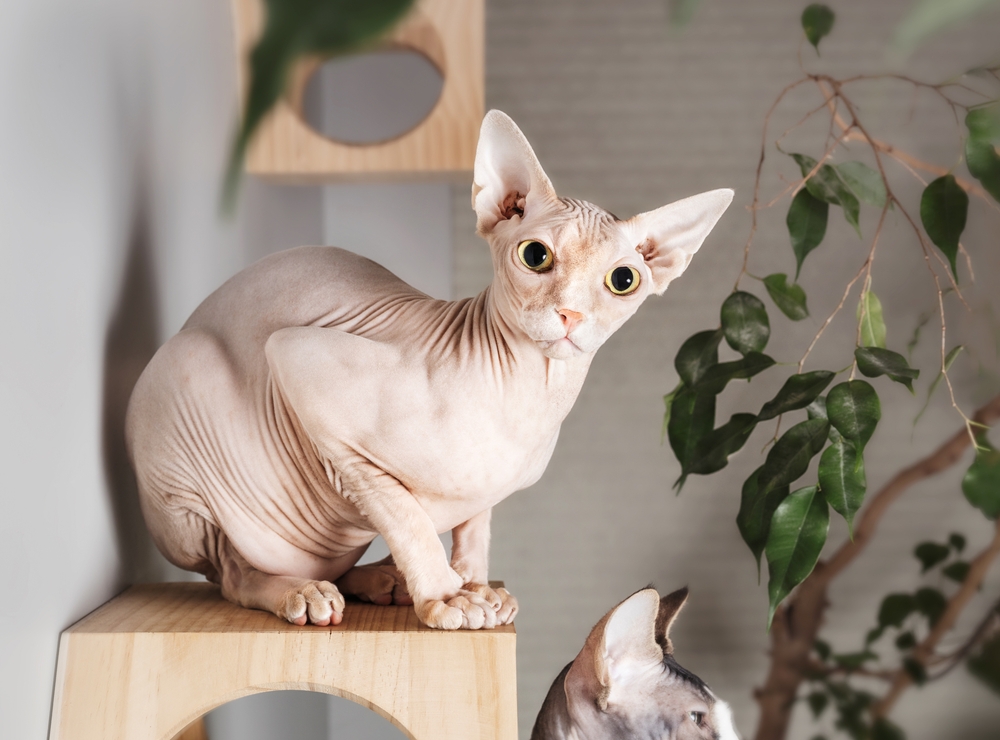
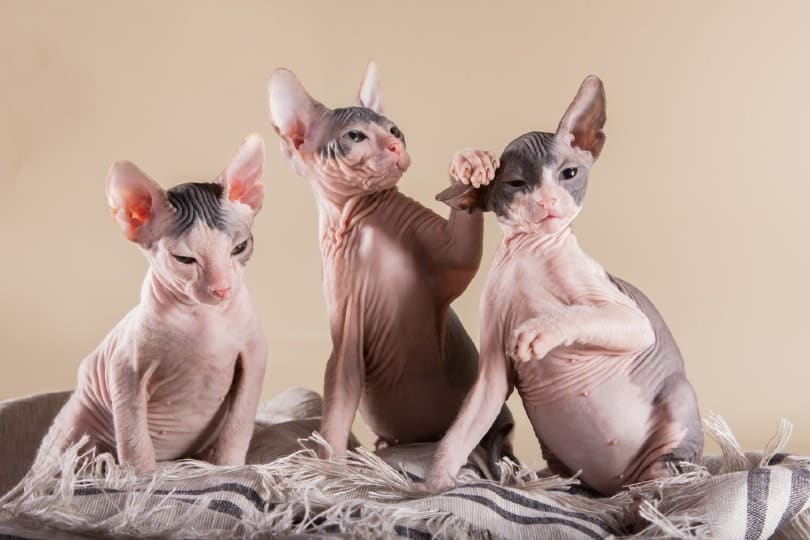
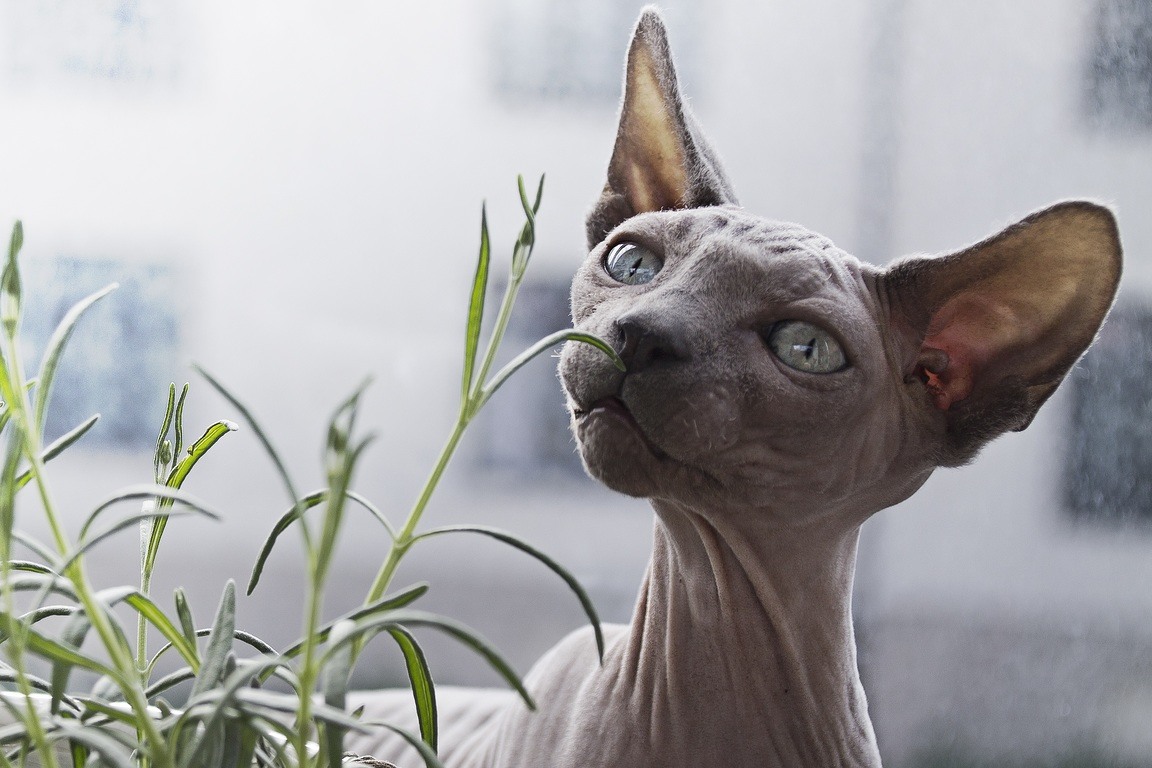
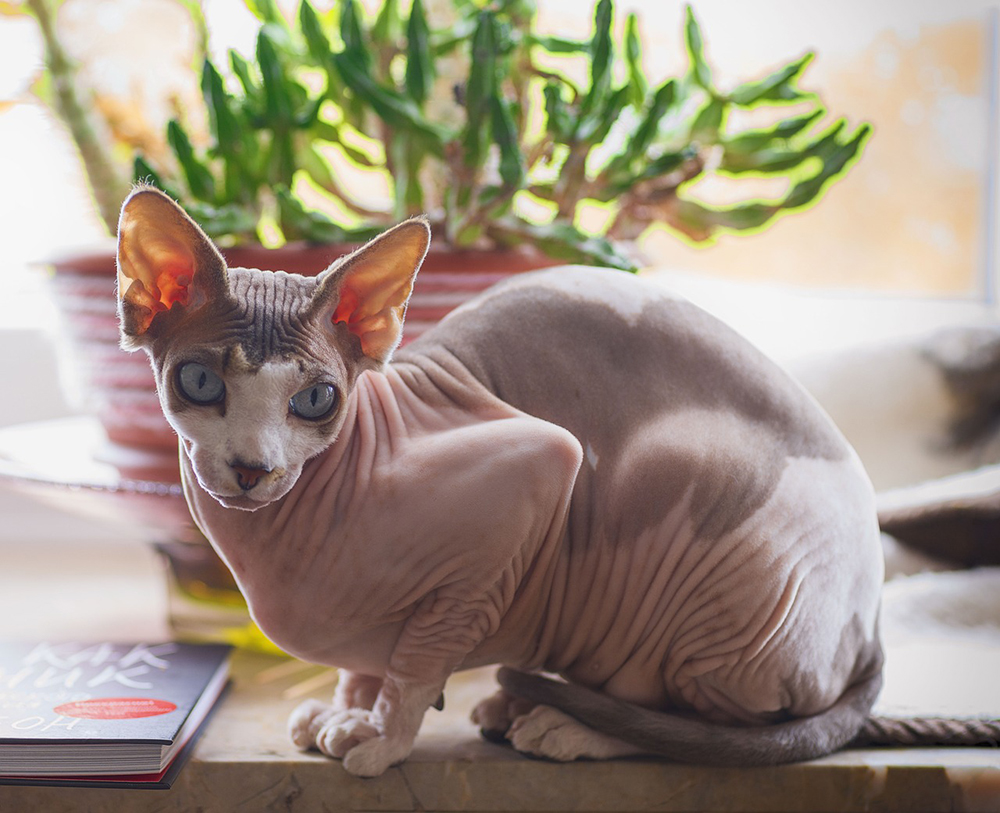
While they may not have the luxurious coats of many other breeds, they are born with almost invisible and scarce hairs that lay close to their bodies producing a variety of Sphynx cat colors.
Rather than go over every single color of Sphynx cat that could be produced, we will first explore the major categories of colors and patterns that the Cat Fanciers’ Association (CFA) uses to classify coat colors. Read on to discover this distinctive breed's surprising variety of coat colors and patterns!

The 8 Sphynx Cat Colors
1. Solid Color Sphynx

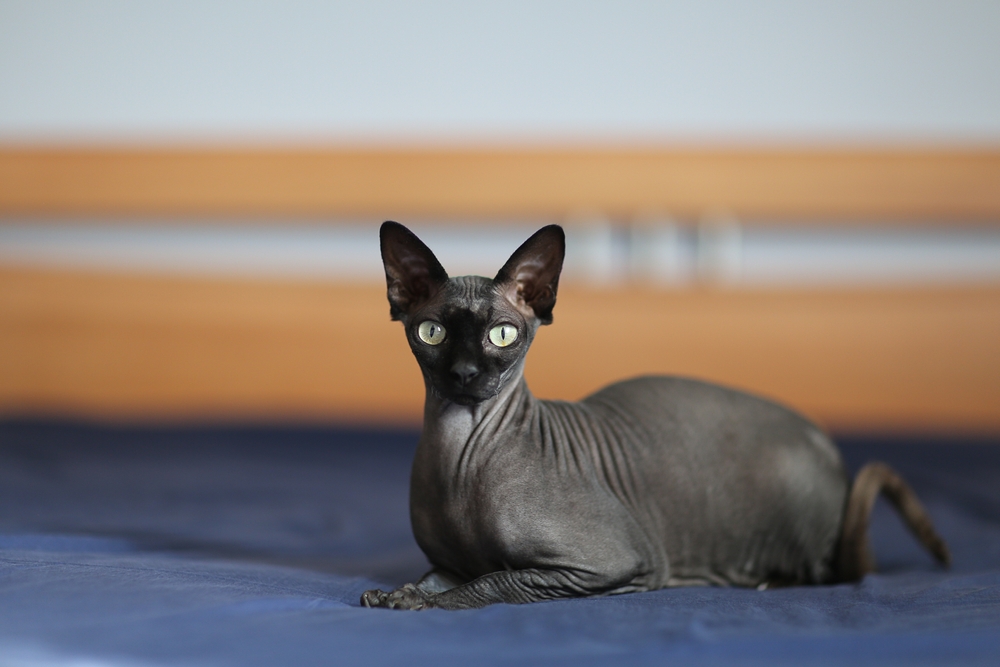
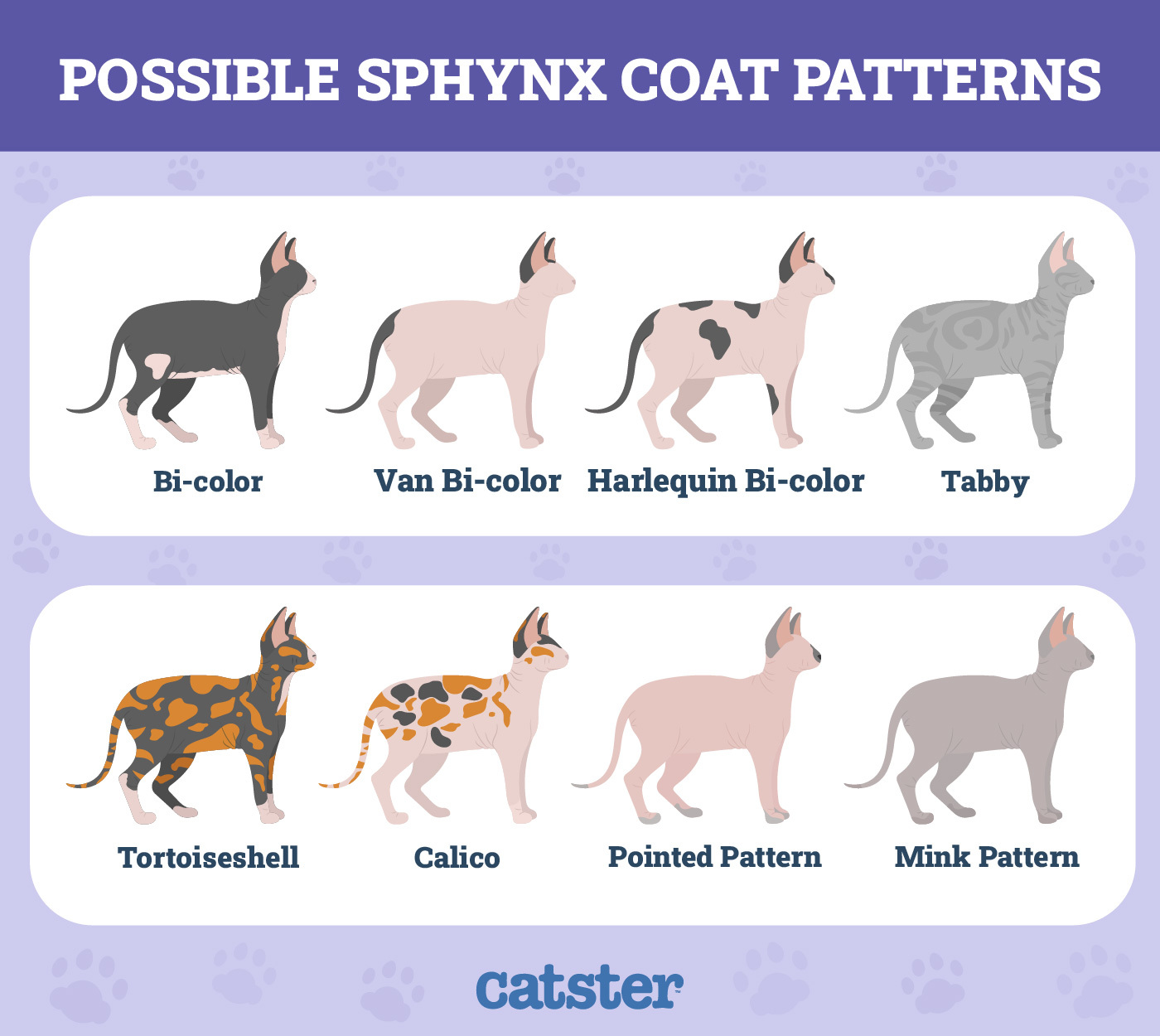
Any single predominant color will classify a Sphynx as having a “solid coat,” even if their nose leather and paw pads are slightly different. Exposure to the sun tends to intensify solid colors for Sphynx cats. Solid colors may include white, black, blue, red, cream, chocolate, lavender, cinnamon, fawn, sable, champagne, or platinum.
2. Bi-Color

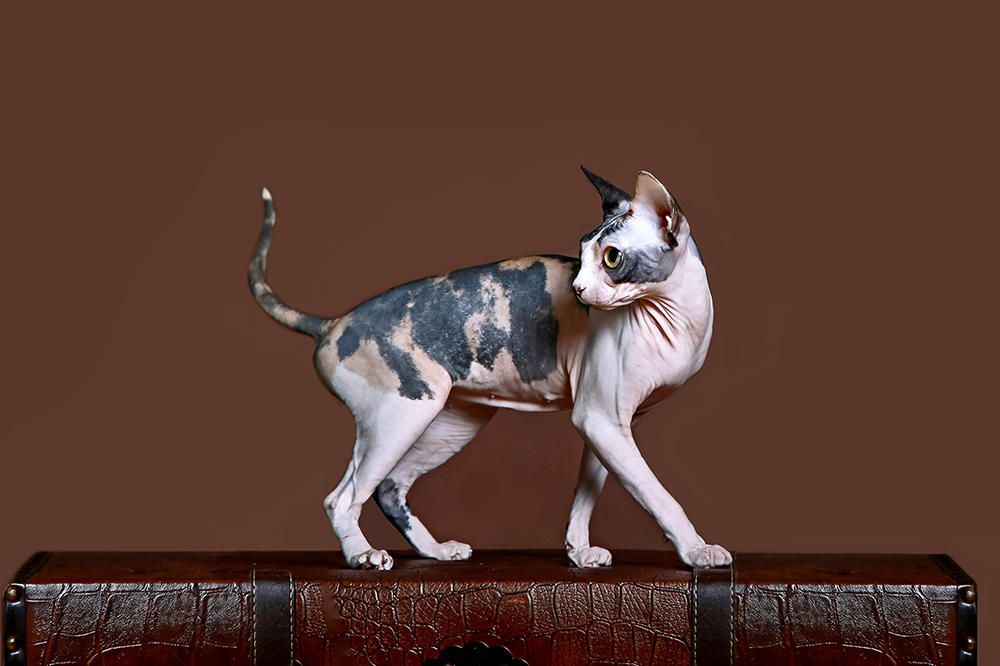
This breed can also be found in white with patches of solid colors or white mixed with tabby, tortoiseshell, or pointed patterns. Additionally, there is a special designation for van bi-color, where the colored portions will only be confined to the head, tail, and legs. Or Harlequin, when the coat is 50-75% white and is combined with a second color markings on the body and tail.
3. Tabby

As a rather complex coat pattern defined by its concentric rings, tabby cats have clearly defined ringed markings on their legs and tails, and several “necklaces” on the neck and upper chest. Additionally, frown lines on the forehead will make an unbroken letter “M” shape, and a solid vertical stripe can be found on the spine.
Tabby patterns may include mackerel, spotted, and patched. Colors can be silver, brown, blue, red, cream, chocolate, chocolate-silver, cinnamon, cinnamon-silver, lavender, lavender-silver, or fawn.
4. Tortoiseshell

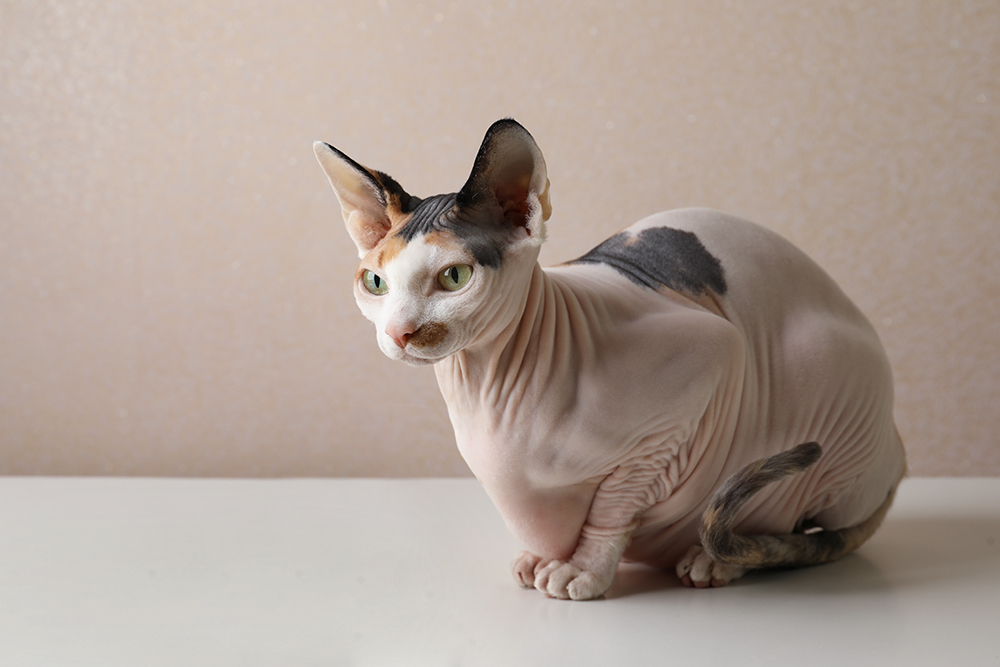
Described as “black mottled or patched with red or cream” by the CFA, tortoiseshell coat patterns often feature a blaze on the face. Tortoiseshell patterns for Sphynx cats may include blue-cream, chestnut, cinnamon, lavender-cream, and fawn-cream varieties.
5. Calico

Appearing as a white base color with patches of black and red, calico Sphynx cats are almost exclusively female, with males occurring only under rare genetic conditions. Van calicos will confine the patches of red and black to the extremities, while dilute calicos are found with patches of blue and cream over a white base.
Other common calico pattern colors include fawn, lavender, cinnamon, and chocolate, in classic or van conformations.
6. Pointed Pattern

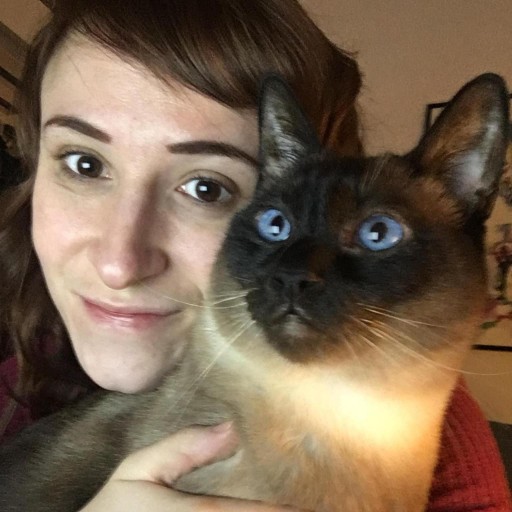
Sphynxes born with the pointed color pattern will display it very lightly in their youth and adolescence, but grow darker as they age. Most noticeable for their vivid blue eyes, pointed Sphynx cats may be combined with any other pattern (except mink) and any color.
7. Mink Pattern

Remarkably similar to the pointed pattern, mink Sphynxes are differentiated by their mild aqua-colored eyes. They may also be found combined with any other patterns (except pointed) and any colors.
8. OSC: Other Sphynx Colors

Officially recognized as a final catch-all category for the tremendous profusion of Sphynx cat colors, Other Sphynx cat colors describes any combination that doesn’t fit neatly into the above-listed coats and patterns. A common example is a Sphynx of any coat color combined with any number of white feet.

A Brief Overview of the Sphynx Cat
Attention-grabbing both for the uniquely hairless body and charming personality, the first Sphynx cat was born in a much colder place than its Egyptian name would indicate. Originating in Toronto, Canada in the 1970s, the first Sphynx cat was produced entirely by accident—thus its original name, the Canadian Hairless Cat.
Perhaps most famously known for their role as Mr. Bigglesworth in the Austin Powers movie series, these hairless wonders are just as well-regarded for their friendly temperaments as they are for their signature looks. Weighing 7 to 14 pounds and living for 10 to 15 years, the Sphynx is a generally healthy breed as long as you take care of their diet, its unique grooming and skincare requirements.
Sphynx Cat Color Varieties
Celebrating cats since 1906, the Cat Fanciers’ Association is the premier governing body for cat shows around the United States. In the guide to the Sphynx breed, the CFA stated that “all colors and patterns, in any combination, found in felines is acceptable in the Sphynx.”
Regarding judging the Sphynx breed, the CFA does not give points for color as it would with many other cat breeds—opting instead to award points in competition based on the quality, conformation, and texture of the skin.
This means that while Sphynx cats can be found in every coat color and pattern you can imagine, breeders will rarely, if ever, attempt to produce cats of a specific color in this breed.
Sphynx Cat Eye Colors
Sphynx cats of all coat colors may be blessed with striking eye colors, but perhaps none more so than white or fawn Sphynxes. They can display a rare trait known as heterochromia, where each of their eyes will be a distinctly different color.
Other common Sphynx eye colors include blue, copper, yellow, gold, orange, and green.

Sphynx Cat Grooming and Care
While you may be tempted to think that a hairless cat would have fewer grooming requirements than a long-haired breed, the opposite is true. Sphynx cats have exceptionally high grooming and maintenance needs.
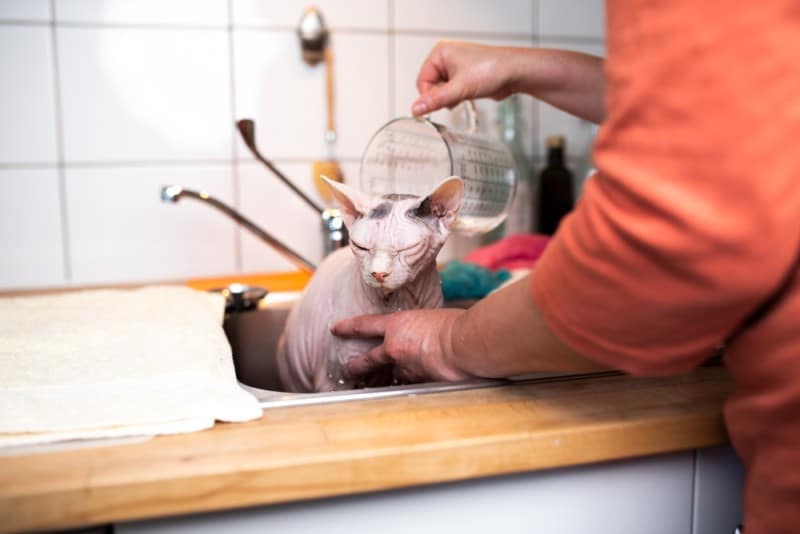
In addition to weekly baths to manage their body oils, Sphynx cats must be regularly moisturized with lotion to keep their skin healthy. Weekly teeth brushing is necessary to prevent dental diseases, as is cleaning their ears and eyes for good hygiene.

Final Thoughts
Undoubtedly, the Sphynx cat is one of the most unique cat breeds around. Available in a veritable painter’s palette of colors, there’s almost no telling what type of kittens will come out of each litter!
If you’re considering bringing a Sphynx cat into your home, we strongly encourage you to check in your local area for cats up for adoption. Because this breed has such specific grooming requirements and a somewhat odd appearance, they are often forced to stay in shelters longer than cats of other breeds.
See Also:
Sources
Featured Image: Igor Lukin from Pixabay

Expert cat care, straight to your inbox
Vet-reviewed advice, behavior tips, and the best of Catster. Free, and you can unsubscribe anytime.
By signing up, you agree to our Terms & Conditions and Privacy & Cookies Policy.
Christian started writing for a local newspaper as a teenager, and he's been involved in the publishing industry for most of his adult life. Combining his love of writing with a passion for animals, he is currently the Director of Editorial at Pangolia and the Editor-in-Chief at Catster.
Christian lives in the Philippines with his wife, son, and four rescue cats: Trixie, Chloe, Sparky, and Chopper.
Join the conversation
Ask a question, share your story, or send private feedback.