Say Goodbye to Fleas (and Hello to Happy Cats!)


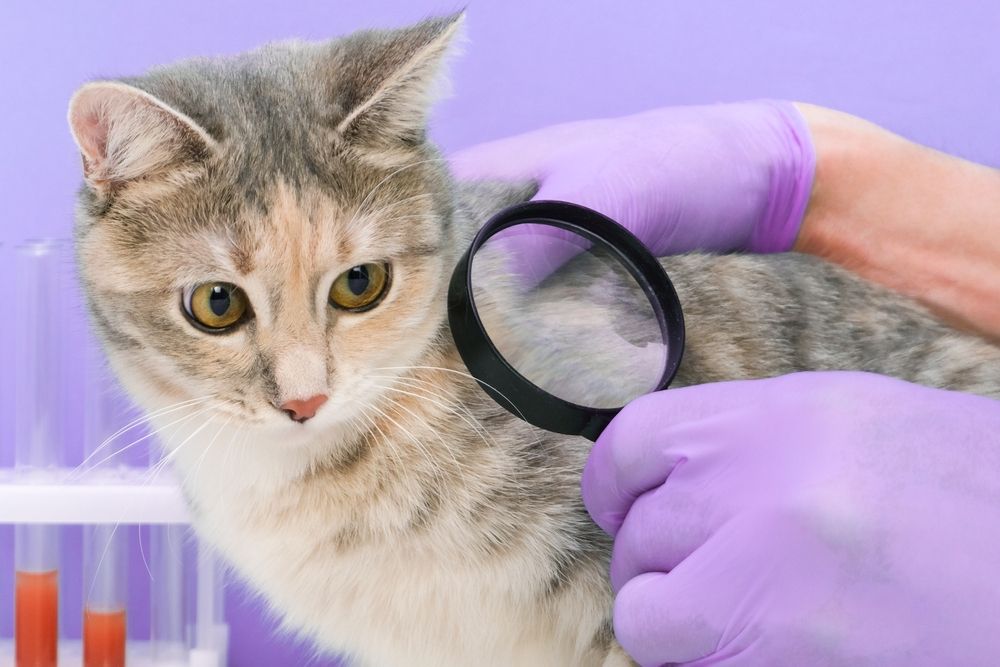
If your cat has been scratching, biting, or losing fur, fleas could be the reason. These tiny pests can make your cat uncomfortable and quickly spread around your home. Fortunately, most flea problems can be solved with a few at-home treatments and some careful cleaning.
Here are five trusted options that veterinarians often recommend for getting rid of fleas and keeping your cat feeling happy and healthy.

1. Spot-On Treatments
Spot-on treatments are one of the easiest and most reliable ways to protect your cat from fleas. The liquid is applied to the skin, usually at the base of the neck, and spreads naturally across the coat.
These treatments work for about a month and can help cats with flea allergies by easing irritation and itching. Always choose a brand approved by your vet, as some over-the-counter products are less effective.
Once applied, your cat is protected with minimal effort, and you can both get back to your daily routine.

2. Flea Tablets
If your cat dislikes topical products, flea tablets are a great alternative. These tablets are given by mouth and start working from the inside out. When fleas bite, they’re quickly eliminated.
Flea tablets are fast-acting, convenient, and perfect for multi-pet households where topical transfer might be a concern. Talk to your vet before choosing one so you get the right product for your cat’s size and health.
This option offers quick relief and long-lasting peace of mind.
3. Flea Collars
Modern flea collars have improved greatly over the years. They now offer months of protection by slowly releasing active ingredients that repel and kill fleas. Some provide up to eight months of coverage.
Collars are a great low-maintenance choice, especially for cats who spend time outdoors or around other animals. Look for one with a quick-release feature for safety, and let your cat wear it continuously for the best results.
Once fitted, the collar quietly does the job, keeping fleas away while your cat goes about their day.

4. Cleaning Your Home
Fleas don’t just live on your cat. They also hide in bedding, carpets, and furniture. Cleaning your home is an important part of breaking the flea cycle.
Wash your cat’s bedding and any other fabric they use in hot water to kill eggs and larvae. Vacuum carpets, rugs, and upholstered furniture every other day for several weeks. Make sure to empty and clean your vacuum afterward so fleas don’t crawl back out.
Regular cleaning removes hidden pests and helps stop new infestations before they start.
5. Home Sprays and Foggers
Even with good cleaning, fleas can hide in hard-to-reach areas. A vet-approved home spray or fogger can help treat these spots. Use them on carpets, under furniture, and along baseboards to target fleas at every stage of life.
Always follow the product’s directions carefully, and keep pets and people out of treated areas until it’s safe to return. Some situations may need a second round a few weeks later to eliminate any newly hatched fleas.
This extra step ensures your home stays flea-free for good.
How to Spot Fleas on Your Cat
Fleas are tiny, sneaky, and surprisingly hard to spot, especially because cats are such meticulous groomers. Your kitty might be scratching or biting, but you may not see a single flea at first. Knowing the signs of a flea infestation can help you act quickly, easing your cat’s discomfort and protecting your whole household.
Here’s what to look for:
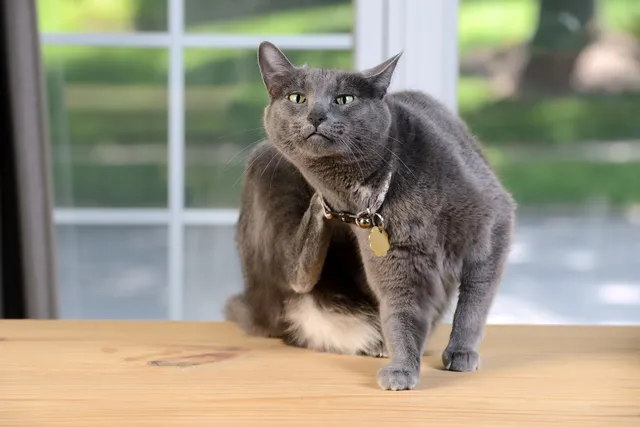
- Excessive Scratching: Even a few fleas can send your cat into overdrive. Cats allergic to flea saliva may scratch more, develop small scabs, or show irritated patches on their skin.
- Biting and Chewing: Along with scratching, your cat may gnaw at their fur, legs, or paws in an attempt to relieve the itch.
- Hair Loss: Flea bites can trigger intense reactions in sensitive cats, sometimes leading to over-grooming or bald spots.
- Flea Dirt and Eggs: Fleas are tiny (just 1/12 to 1/16 inch) and reddish-brown, so they can blend into your cat’s fur. Check their coat and bedding for light-colored eggs or black, pepper-like flecks (flea feces). You might even catch the little insects scurrying about.
- Lethargy or Listlessness: In severe cases, constant flea bites can cause blood loss and even anemia, especially in kittens.
By keeping an eye out for these signs, you can catch fleas early and start treatment before they take over your cat’s life.

Conclusion
Flea control doesn’t have to be complicated. With consistent care and one or more of these home treatments, you can keep fleas away and help your cat feel calm and comfortable again.
Check in with your veterinarian if you’re unsure which option is best for your cat. With the right plan and regular upkeep, you can enjoy a happy, healthy, and flea-free home.
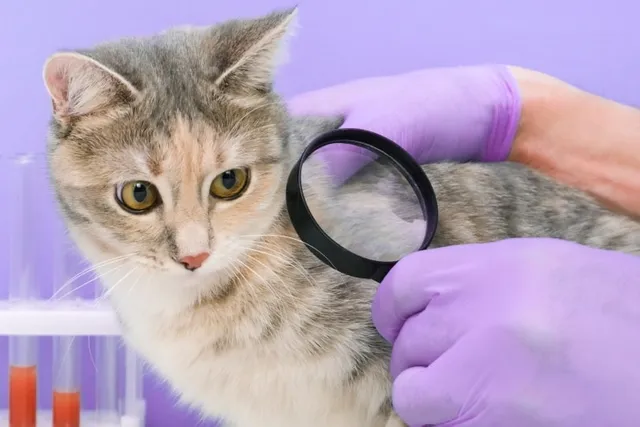
Feature Image Credit: lev.studio, Shutterstock
Did You Know?
- Our brand-new posts are rounded up and included in our weekly emails. Don't miss out on the latest - sign up for our newsletter below!
Expert cat care, straight to your inbox
News, insights, and useful advice, delivered to you.

No spam — unsubscribe anytime.
By signing up, you agree to our Terms & Conditions and Privacy & Cookies Policy.
How useful was this post?
Click a star to rate. You can leave written feedback afterwards. (We read all feedback.)
Dan has been working in the pet world for over 4 years covering cats, dogs, and all other pets in between. He loves helping pet parents keep their companions happy, healthy, and of course, totally spoiled! Originally from London, Dan now travels and works remotely, which unfortunately means no pets at home, but it gives him plenty of opportunities to fuss over other people's furry friends.