How to Stop a Cat From Scratching Doors: 7 Vet-Reviewed Tips


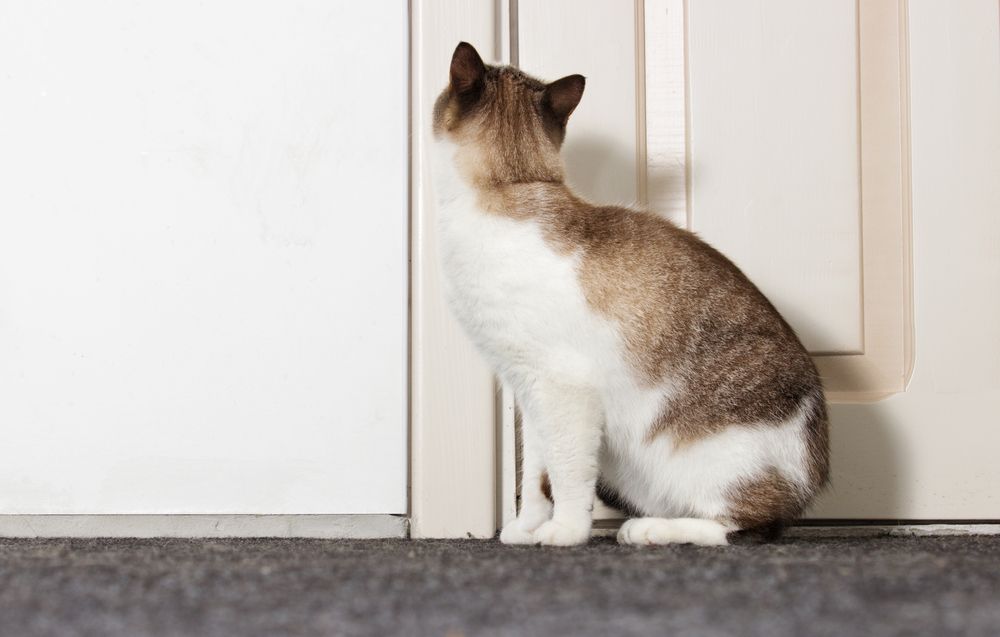
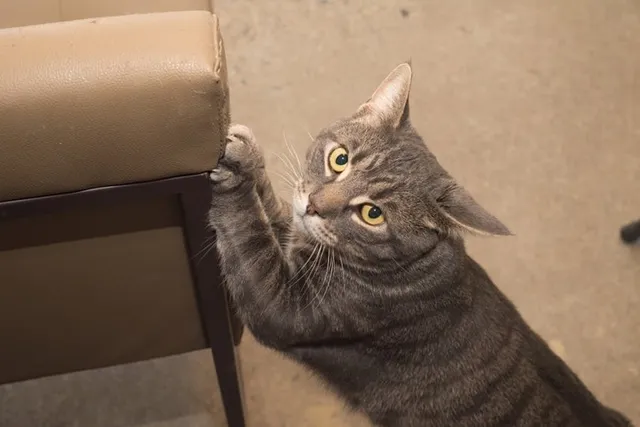
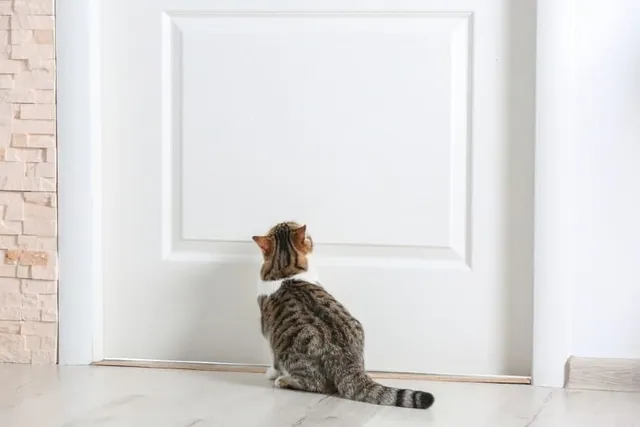
Scratching is a natural behavior for cats. When they scratch your door, however, it can be annoying and may cause damage that you have to repair.
Fortunately, there are ways to train your cat to stop scratching at your doors and redirect that energy into more appropriate behaviors, depending on the reason for the scratching in the first place. Read on below to find out more.

Why Do Cats Scratch Doors?
Cats may scratch doors for several reasons, including:


How to Stop Your Cat From Scratching at Doors in 7 Steps
It’s helpful to identify why your cat is scratching at your doors, and act by aiming directly at the cause, but these tips can help you provide more appropriate outlets and discourage destructive scratching:
1. Provide Scratching Posts
Scratching posts are a necessary enrichment item for your cat. If you don’t have a scratching post, your cat will be forced to find new places to scratch to maintain their nails and get some stretching. Make sure you have at least two large, stable scratching posts in your home.
If you already have a scratching post that your cat doesn’t use, consider upgrading it. It’s possible that it’s worn out or doesn’t offer enough interest for your cat. You could also try wall and floor scratchers to give your cat variety. Cardboard scratching posts or mats are ideal because your cat can shred the cardboard easily and release their scent, which encourages them to continue using it.
Some cats may prefer fabric or rope, however, so experiment until you find your cat’s ideal option.
We're quite fond of cardboard as a material in cat scratchers, which is why we love the Hepper Hi-Lo Cat Scratcher. Encased within a well-constructed, modern birch plywood frame, this scratcher is designed with both cats and their owners in mind. It offers three versatile configurations to keep your feline friend active and entertained while enticing them to fulfill their natural scratching instincts (and away from scratching things they shouldn't). For more details, click here!
At Catster, we’ve admired Hepper for many years, and decided to take a controlling ownership interest, so that we could benefit from the outstanding designs of this cool cat company!
2. Keep Your Cat’s Nails Trimmed
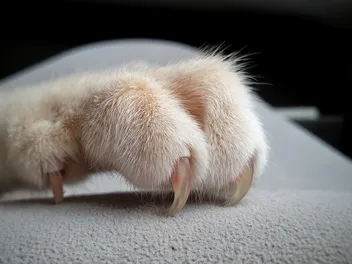
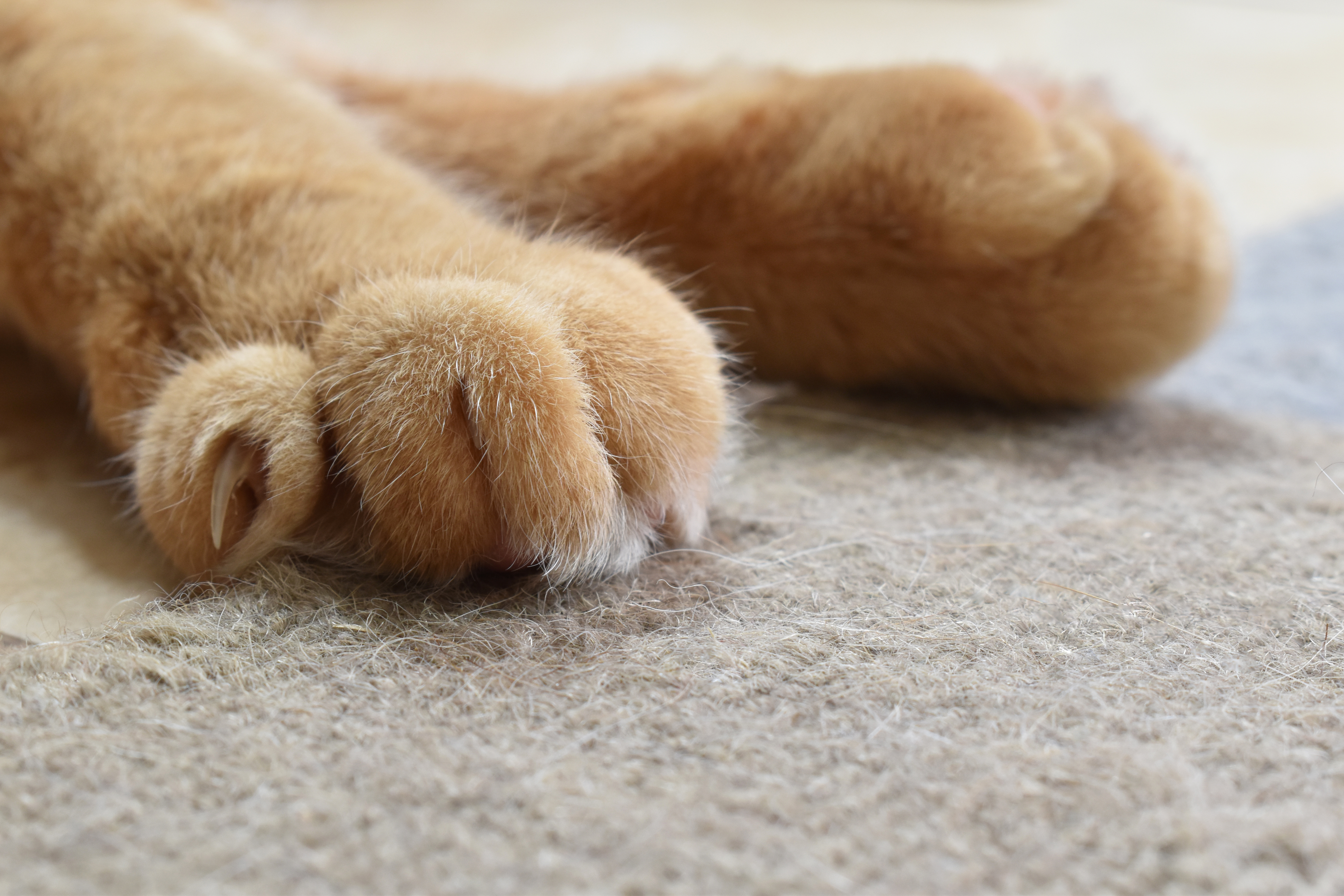
Cat claws grow endlessly, but they shed the outer layer regularly. Cats are naturally inclined to scratch to keep their nails sharp and short for hunting and climbing. If you’re not trimming your cat’s nails often enough—or not providing ways for your cat to maintain their nails—they will take matters into their own “hands” by scratching solid surfaces like your doors.
Make nail trimming part of your regular grooming routine. Some cats are finicky about their nails, so take it slow. Even if you only trim one nail at a time, make it a positive experience with lots of treats and slowly work your way up to full paws and, eventually, all four paws.

- Complete Set - These cat nail clippers include both a large and small pair, meaning it works well as a kitten claw trimmer when they're a small kitty, and then before you know it, as a cat nail cutter
- Razor Sharp Stainless Steel - The most comfortable cat nail clippers for indoor cats provide a fast and clean cut. And for rough residuals remaining, the free cat nail file included can smooth it all.
- Safety First - With a safety nail guard and locking spring, you can make sure every grooming cut is stress free for you, and pain free for your purry pal
Stopping your cat from scratching can be tricky, but keeping their nails trimmed can help. Hepper's Cat Nail Clipper Set can make it easier, with sharp stainless steel blades for precision clipping and ergonomic, non-slip handles. The built-in safety guard and locking switch will keep you and your cat safe, and the two different sizes of clippers will allow you to handle any size or angle of nails.
At Catster, we’ve admired Hepper for many years and decided to take a controlling ownership interest so that we could benefit from the outstanding designs of this cool cat company!
3. Offer More Stimulation
Cats need both physical and mental stimulation and environmental enrichment to relieve pent-up energy. In addition to scratching posts, make some playtime part of your routine and give your cat some exercise. Interactive toys like balls, mice on a wand, or puzzle toys can encourage your cat to hunt and pounce, giving their brain and body a workout.
You could also incorporate cat trees and perches with dangling toys and scratch posts to keep your cat more entertained. Make sure to play and tire out your kitty before bedtime.

4. Feed Your Cat Before Bedtime
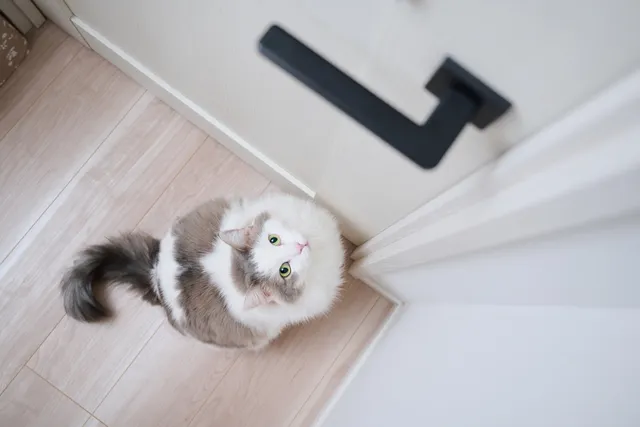
If your cat is scratching at your closed bedroom door at night, you may need to adjust their feeding schedule. Cats are crepuscular, so if they’re hungry late at night or first thing in the morning, while you’re still asleep, they’re more likely to ask you for food, sometimes by scratching at your door. Try feeding your cat close to your bedtime to make them more likely to sleep instead of scratching at your door.
5. Schedule a Vet Appointment
If your cat has only recently started scratching at your doors, there could be a medical problem to blame. Schedule a vet appointment to ensure that your cat doesn’t have any health problems that are leading to increased scratching.
6. Redirect the Behavior
While other interventions can help, you may need to train your cat to stop scratching your door. Most importantly, don’t give your cat any attention when they’re scratching, as this reinforces the behavior. Don’t scold, open the door, call them, or anything else.
Positive reinforcement training to redirect your cat is one of the best ways to teach your cat what’s appropriate to scratch. Reward your cat for using a scratching post or mat instead of scratching at the door. You could also put double-sided tape or tin foil on your doors to discourage the behavior while you work on training. If you have an outdoor cat that is used to being let in and out through the door, consider leaving a window open for them instead or installing a cat flap.
7. Consider Pheromone Diffusers
If your cat’s scratching is due to the stress of having another cat and their need to mark the territory, ensure you do any new pet introductions very gradually, giving both cats plenty of space and reassurance, providing each with their own beds, toys, bowls, litter boxes and set of resources. All of this should minimize the competition for resources and slowly get both cats used to living together. Double up on scratch posts as well.

Conclusion
Cats scratch at doors for various reasons. While it’s important to get to the bottom of your cat’s behavior, these tips should help you redirect your cat’s behavior and teach them more appropriate ways to satisfy their scratching instincts.
Related Reads:
Sources
Featured Image Credit: SoNelly, Shutterstock
Expert cat care, straight to your inbox
News, insights, and useful advice, delivered to you.

No spam — unsubscribe anytime.
By signing up, you agree to our Terms & Conditions and Privacy & Cookies Policy.
How useful was this post?
Click a star to rate. You can leave written feedback afterwards. (We read all feedback.)
Emma is a freelance writer, specializing in writing about pets, outdoor pursuits, and the environment. Originally from the UK, she has lived in Costa Rica and New Zealand before moving to a smallholding in Spain with her husband, their 4-year-old daughter, and their dogs, cats, horses, and poultry. When she's not writing, Emma can be found taking her dogs for walks in the rolling fields around their home...and usually, at least some of the cats come along, too! Emma is passionate about rescuing animals and providing them with a new life after being abandoned or abused. As well as their own four rescue dogs, she also fosters dogs for re-homing, providing them with love and training while searching for their forever homes.