How to Crate Train My Cat: 8 Vet-Approved Tips



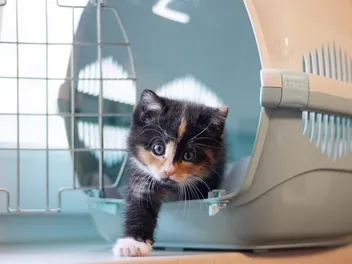
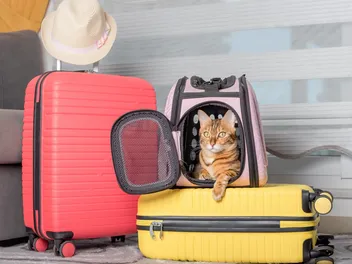
While crate training with cats is not as common as it is with puppies, it is a good way to make your cat comfortable and safe when transporting them somewhere. Not only is a crate useful when taking your cat on the road, but it can also be a place for your cat to retreat to when faced with unfamiliar and stressful situations.
Unfortunately, crate training a cat can be challenging because most cats fear or associate them with negative things. For felines, the crate can be more of a portable prison than a haven. The mere sight of a crate can be a cue that something bad is about to happen, making preparing your cat for their crate nearly impossible.
Fortunately, with a little patience, most cats can be trained to appreciate and love a crate. Here are tips on how to go about it.

The 8 Tips for Crate Training a Cat
If you want to teach your cat to treat a crate as part of their kingdom, the following strategies can make the transition easier for both of you. These tips can be used individually or combined to make a crate more appealing to your furry companion.
Note
1. Move Meals Inside
You can leave a trail of your cat's favorite treats leading up to the crate or serve your cat their meals while inside the crate. During this training stage, leave the crate door open to reduce your cat's fear of being trapped.
If your cat is reluctant to have meals inside the crate, place the food bowl or treats as close to the crate door as possible. However, ensure the food is far away enough so that your cat will be willing to move closer to eat it.
With each feeding session, move the food closer to the crate while ensuring your kitty is comfortable with the change. When your nervous cat ventures inside, remove the top until they are finally comfortable enough to eat inside the base of the crate.

2. Close the Crate Door
Get your cat to stay inside a crate by offering a treat or a toy while they are inside. Once your cat is relaxed and playing with the toy, close the crate door for a few minutes and reopen it before they get distracted away from the treat. Gradually increase the time that the crate door stays closed. Keep the intervals short if your cat gets nervous when you close the door. Close it for a few seconds and open it to reassure the cat that it’s not a trap.
3. Add a Cue
Getting a panicked cat into a crate can be quite a struggle. Fortunately, you can counter this by training your cat to go inside a crate willingly in several ways. First, teach your cat to follow a hand signal when you want them to enter the crate. Alternatively, you can use a toy or treat to lure your cat into a crate. Whichever approach you choose, the best way to get your cat into the crate when commanded is to pair a hand signal or verbal cue with the treat. This indicates that your cat will be rewarded whenever they enter the crate. For instance, you can say the word “in” and immediately put a treat inside the crate. Over time, your cat will associate the verbal cue with treats.
4. Encourage Exploration
Instead of letting your cat’s crate gather dust in the attic or basement between vet visits, you should consider leaving it out and treating it as a piece of furniture. This will encourage your cat to get comfortable and familiar with the sight of the crate. You can randomly drop new toys and treats in the crate during the day, even when your cat is not around. The treats will encourage your cat to explore the crate to see which treats await them.

Image By: Kurteev Gennadii, Shutterstock
5. Be Mindful of the Associations a Cat Has With Their Crate
If you only put the cat in a crate when going to a groomer, the vet, or some other place your cat may not enjoy, they will probably dislike the crate. One great behavior modification technique for cats with bad associations with crates involves putting the cat in the crate and moving from one room to another without leaving the house. You can even go for a short drive and then return home. This will distract the cat from the negative associations. Then, you can encourage your cat to enter the crate to visit places they enjoy.
6. Build on Repetition
To get positive results, create a routine by crate-training your cat at least once daily for two weeks. Continue building up the training time until your cat increases the time spent inside the crate. Once your cat can calmly stay inside the crate for more than 10 minutes, pick up the crate while they are still inside and carry it around. Then, let your cat out of the crate. You can also take the crate to the car while they are still inside, talk to your cat for a few minutes, then bring them back inside and release them. Always remember to provide a treat afterward. Soon, you can take your cat for car rides inside their crate without them throwing a fit. The cat will also learn to associate the crate with good things, not just the dreadful vet visits.
7. Lure Your Cat With Pheromones
If food, toys, or treats do not lure your cat into a crate, you can try using pheromones. Since cats have a keen sense of smell and are naturally curious, if you spray store-bought cat-safe pheromones inside a crate, they will naturally want to investigate.

8. Try a Large & Comfortable Crate
The crate size will contribute to the cat's overall safety and comfort. Some cats simply refuse to accept a transport cage no matter what you do. In such a circumstance, you might have to go bigger. Use a crate that is spacious enough to accommodate your cat's food and water dishes and the litter box while leaving enough room for a separate sleeping area.
A large dog kennel can be ideal because it is large enough to give your cat enough space while still small enough to fit into your house.
Some of the main features you should look for in a cat crate include:
You can convert a plain crate into your cat's favorite spot by placing your cat's bed on one side of the crate and the litter box on the opposite side. You should also include a non-spill water dish since cats need access to clean water at all times.
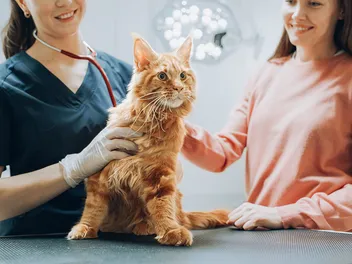
If you are concerned or have questions about your cat's health, you can also speak to a vet from the comfort of your own home to help make a plan. They can determine when an in-clinic vet visit should be made.
Conclusion
As you can see, crate training a cat can benefit you and your feline companion. However, you cannot expect your cat to jump into a crate willingly without being socialized. If you force them inside a crate, it will only create a negative experience for them.
Even though it might be challenging, never give up on crate training your cat because pets should always ride in a carrier or crate when traveling in a car to minimize distractions and possible escapes. Granted, some cats may never get comfortable and happy in a cage and may end up fussing and stressing until you let them out.
Most importantly, do not rush the training expecting immediate results. Give it plenty of time, and remember to prioritize your cat's comfort and safety throughout the training process.
Featured Image Credit: Evgeniya Tomashevskaya, Shutterstock
Expert cat care, straight to your inbox
News, insights, and useful advice, delivered to you.

No spam — unsubscribe anytime.
By signing up, you agree to our Terms & Conditions and Privacy & Cookies Policy.
How useful was this post?
Click a star to rate. You can leave written feedback afterwards. (We read all feedback.)
Christian started writing for a local newspaper as a teenager, and he's been involved in the publishing industry for most of his adult life. Combining his love of writing with a passion for animals, he is currently the Director of Editorial at Pangolia and the Editor-in-Chief at Catster.
Christian lives in the Philippines with his wife, son, and four rescue cats: Trixie, Chloe, Sparky, and Chopper.