8 Vet-Approved Ways to Get Your Cat to Use a Scratching Post


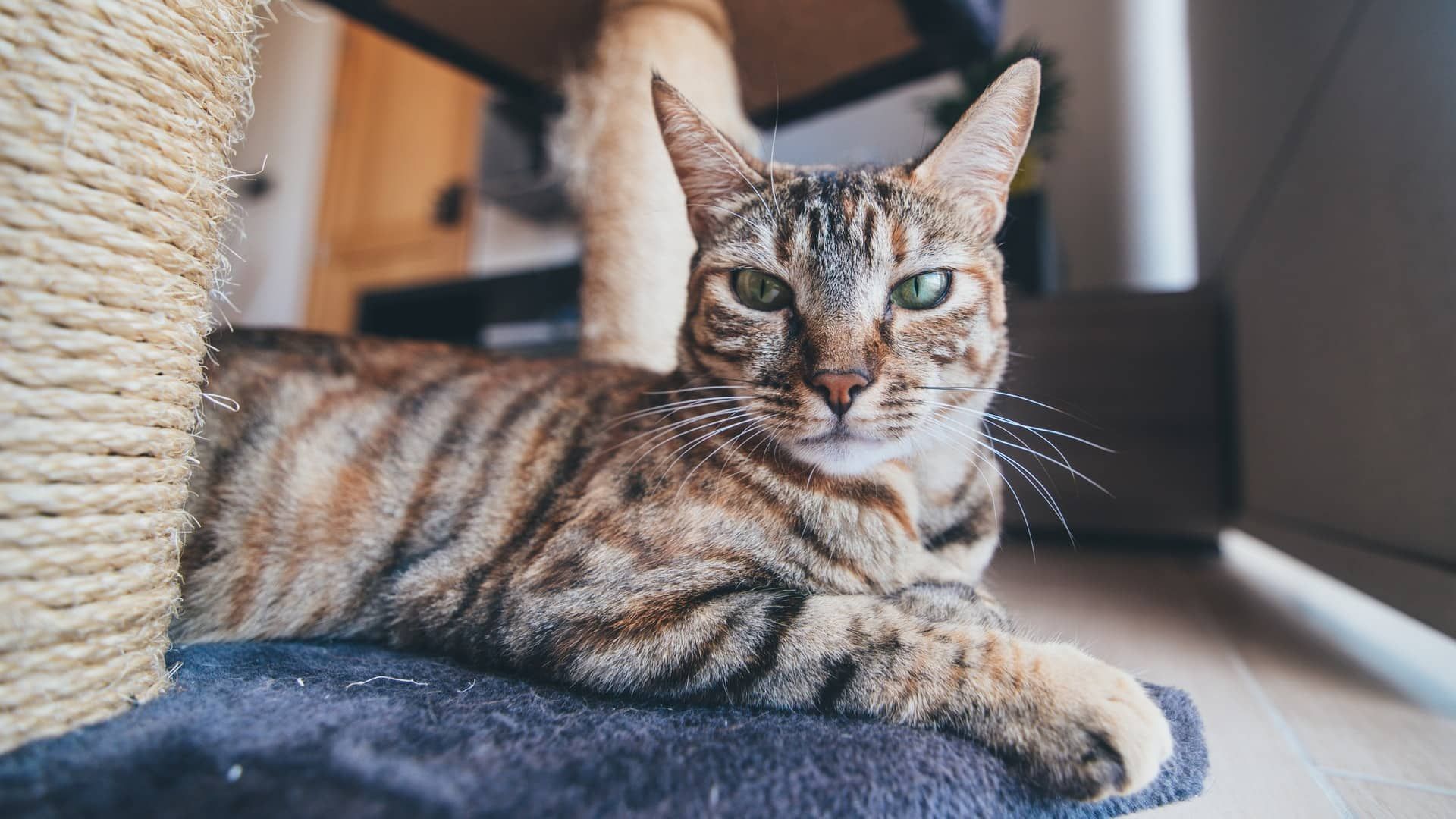
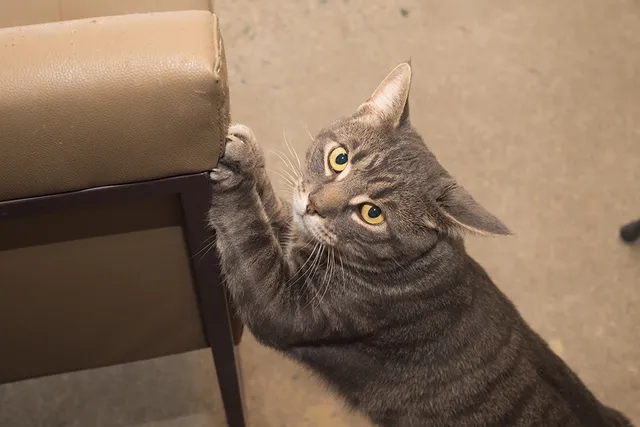
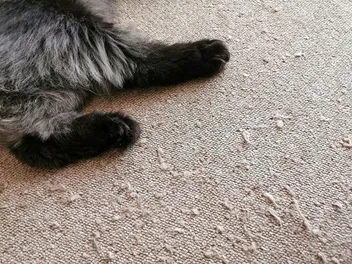
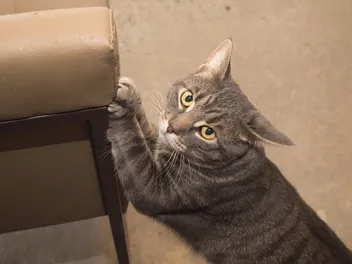
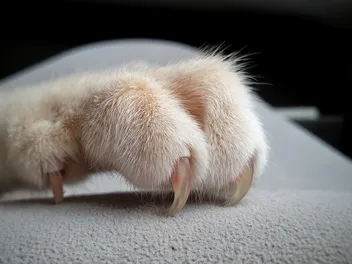
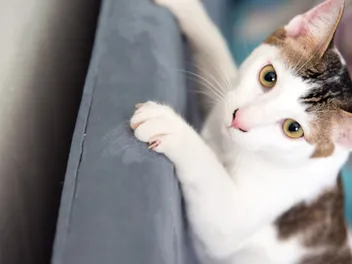
Cats are as cute and cuddly as any pet can be. However, they do not seem as adorable when they have torn up your stuff. As a good pet owner, you understand your cat’s need to scratch; it helps them to keep their claws in shape and exercise their forelimbs in addition to acting as a form of stress relief.
As such, you know that they are not doing it out of spite or malice, which is why you decided to buy them a scratching post. After all, your research revealed that a good scratching post is all you need to save your furniture, carpets, and upholstery from your kitty’s claws.
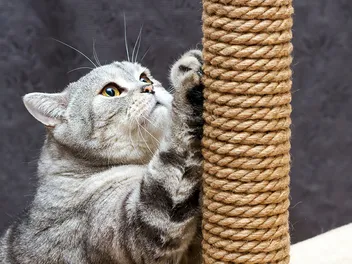
This article goes over some of the best ways to get your cat to use a scratching post.

The 8 Ways to Get Your Cat to Use a Scratching Post
1. Use Positive Reinforcement
You want the cat to associate the post with a rewarding experience. Before you take on next-level training techniques, simply rub some catnip on the post. If your cat is a catnip junkie, as most are, they will head over to get a taste only to realize that they love the texture of the strange new post.
To avoid the mess that comes with rubbing catnip all over the scratching post, consider using catnip spray instead, such as KONG’s Natural Catnip Spray.
If you do not have catnip, consider placing their favorite treat on top of the post. As the cat sinks their claws into the post to reach the treat, they will realize how good it feels against their claws. You might have to do this once, and that will be it. However, as with any other form of training, persistence is key.
2. Start Them Young
As the saying goes, “You cannot teach new tricks to an old dog.” Similarly, it can be difficult to teach a seasoned cat how to use a scratching post. After all, the couch has been serving them just fine. This is why it is important to introduce cats to scratching posts when they are still kittens. Place a smaller post next to their bed, and it will be one of the first things they start to play with.

3. Ensure That It's the Correct Height
Sometimes, the problem lies with the scratching post itself. It might not feel right to the cat. The height and the position of a scratching post are some of the main factors that determine whether a cat will like it or not.
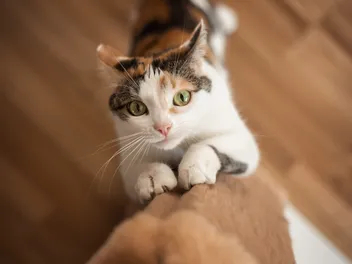
This is because felines love to combine scratching with stretching, as it allows them to target their muscles more effectively. Additionally, as mentioned, cats sometimes scratch for stress relief. Stretching is another thing they do to calm their anxiety, which is why they love to do these activities simultaneously.
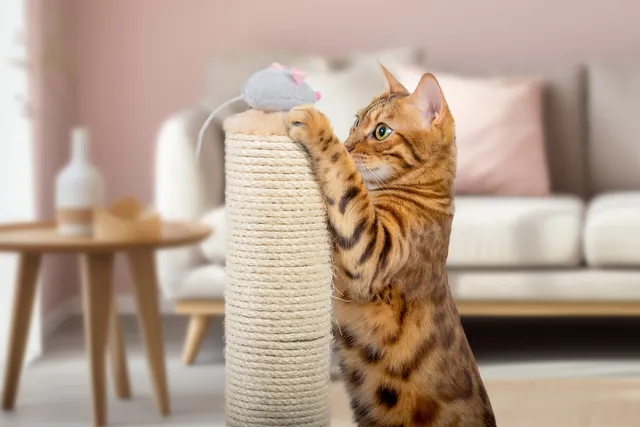
As such, a scratching post must be tall enough to allow them to get their stretch on. This is why your couch is arguably your cat’s favorite scratching spot. Therefore, make sure that a scratching post is tall enough to accommodate your cat’s height.
4. Ensure Stability
This point ties in with the one above. As cats scratch and stretch, they put their entire body weight on the scratching surface. This means that the surface must be sturdy enough to accommodate the cat’s weight.
A cat only has to try a wobbly post just once to know that it is never going to try it again. Therefore, make sure that the scratching post you choose has a sturdy base.

5. Try Different Materials
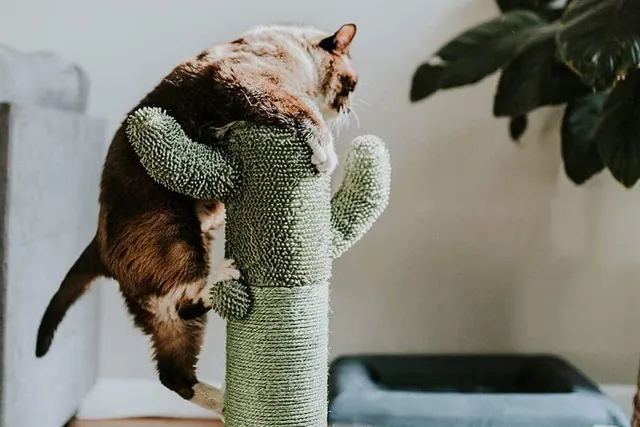
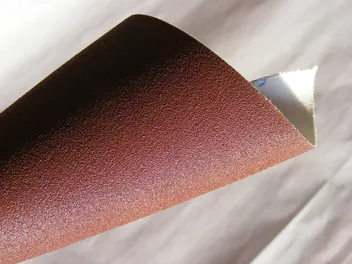
Scratching posts are made from different materials, with the most common being sisal, wood, and cardboard. Cats have preferences when it comes to scratching materials, preferring one texture to another.
Therefore, one reason your cat is not using their new post could be simply because they do not love its texture. As such, consider experimenting with different materials to find the one your cat enjoys the most.
We're quite fond of cardboard as a material in cat scratchers, which is why we love the Hepper Hi-Lo Cat Scratcher. Encased within a well-constructed, modern birch plywood frame, this scratcher is designed with both cats and their owners in mind. It offers three versatile configurations to keep your feline friend active and entertained while enticing them to fulfill their natural scratching instincts (and away from scratching things they shouldn't). For more details, click here!
At Catster, we’ve admired Hepper for many years, and decided to take a controlling ownership interest, so that we could benefit from the outstanding designs of this cool cat company!
6. Multiple Posts for Multiple Cats
Felines live by a certain code. Felines have different kinds of social relationships but in general, they are territorial. If one cat claims something, there is a possibility that other cats should not touch it unless they want war. While that code is simple, it goes a long way in ensuring harmony among cats that live together.
Therefore, if you have several cats in your home, you will want to buy a proportionate number of scratching posts. If you only have one post, the others might not be touching it out of respect for the cat that claimed it first.

7. Strategic Placement
Have you placed the post near their favorite scratching spot? While this may seem obvious, some cat parents do not do it for several reasons. For example, the post might be doing a number on their interior décor. Nonetheless, you will have to accommodate that inconvenience if you want your cat’s paws off your furniture.
Place the scratching post(s) in prominent locations, such as their favorite scratching and napping spots, as well as next to doors and windows.
8. Put Their Paws on the Scratching Post
Some cats are naturally apprehensive. This means that they might need a little “encouragement” to try out new things. If treats and catnip are not working, pick the cat and place it next to the post, and then gently rub their paws against the post’s scratching surface.
Of course, only do this with a cat that trusts you. If they still want nothing to do with the post after trying this, let them be. Work on other solutions, such as the ones above.


Conclusion
Scratching posts are lifesavers for cat owners. For the most part, cats take to these posts naturally. However, some cats reject their posts. It can be difficult to pinpoint the reason why your cat does not want to use their new post. Hopefully, the tips above will help you find a resolution to your problem.
Featured Image Credit: Ferenc Horvath, Unsplash
Expert cat care, straight to your inbox
News, insights, and useful advice, delivered to you.

No spam — unsubscribe anytime.
By signing up, you agree to our Terms & Conditions and Privacy & Cookies Policy.
How useful was this post?
Click a star to rate. You can leave written feedback afterwards. (We read all feedback.)
Christian started writing for a local newspaper as a teenager, and he's been involved in the publishing industry for most of his adult life. Combining his love of writing with a passion for animals, he is currently the Director of Editorial at Pangolia and the Editor-in-Chief at Catster.
Christian lives in the Philippines with his wife, son, and four rescue cats: Trixie, Chloe, Sparky, and Chopper.