How to Evacuate With Cats: 7 Vet-Approved Tips on Preparing for Disaster


While we don’t want to think about disasters, it’s important for cat owners to set up an evacuation plan just in case. Knowing how to safely evacuate with your cats during an emergency situation can be lifesaving, and also prevent them from getting lost.
If you haven’t created an evacuation plan for your cat yet, make sure to set aside some time to develop a plan to help you and your cats get to safety as quickly as possible. Here’s how you can create an evacuation plan and prepare for disasters and emergencies.

Plan Ahead
Being prepared will help immensely with executing your evacuation plan during a disaster. It’s important to develop a plan and prepare supplies beforehand so that you know what to do and what to bring with you in the midst of an intense situation.
It’s also important to ensure that your cat has the proper identification in case they get lost during a disaster. It’s helpful to have them get used to wearing a collar with an ID tag. However, a more secure way to help identify your cat is to get them microchipped, as a collar can slip off your cat. If your cat is already microchipped, make sure that the contact information associated with the microchip is up to date.
The 7 Tips For Evacuating With Cats During A Disaster
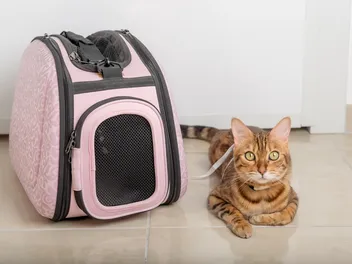
1. Select an Evacuation Cat Carrier
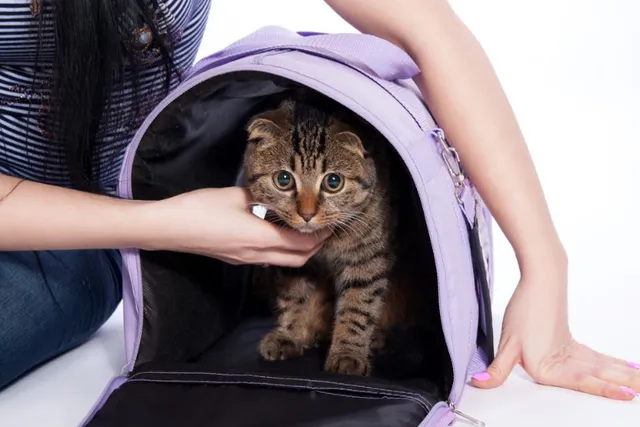
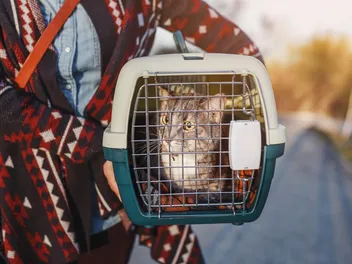
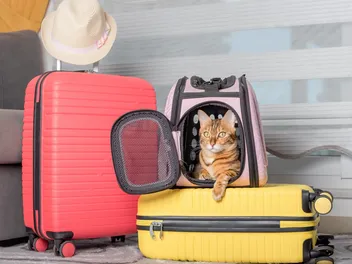
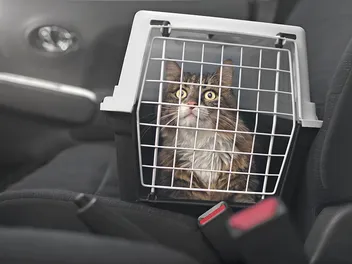
In the ideal scenario during an evacuation, you’ll have located your cat and placed them inside a carrier. A carrier will keep your cat secure and by your side at all times as you navigate an evacuation.
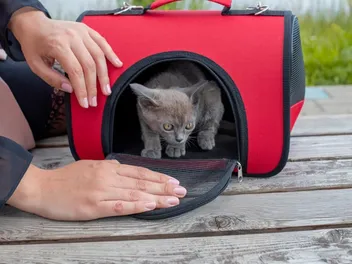
Start training your cat to get used to being inside their carrier. You can try serving their meals inside this carrier and hiding treats inside them. Place cozy blankets inside the carrier and leave the door open to encourage your cat to rest or nap inside. Some cats can even be trained to get into their carrier on command.
If you have multiple cats, consider getting a larger carrier that can fit two cats. It’ll be much easier to keep track of one carrier than having to carry multiple while you’re evacuating. Make sure to keep your evacuation carriers in the same spot so that you can quickly access them at a moment’s notice.

2. Pack an Emergency Pet Supply Bag
Keep an emergency supply bag that contains all your cat’s essentials. Here are some items that should go inside this bag:
Having a copy of your cat’s medical records will come in handy when you look for pet hotels that can temporarily house your cat. Pet hotels and boarding facilities require proof of vaccination for any pets that use their services, so it’s worth keeping their vaccination records with their carrier, but make sure they’re protected in a plastic sleeve or similar document holder.
3. Post Signs and Stickers Indicating You Have Cats
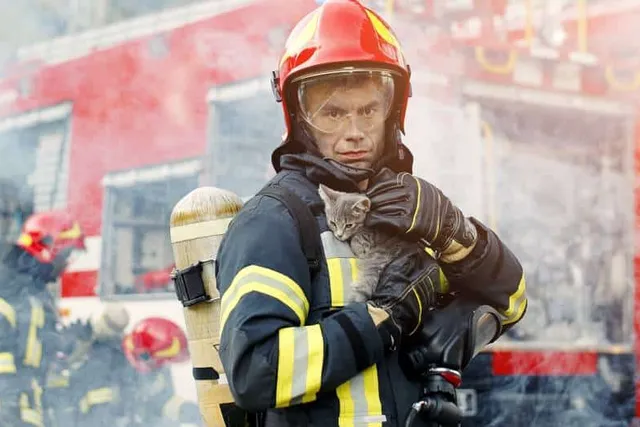
Consider placing signs or stickers on your doors that indicate that you have pets in your home. This can help firefighters and other emergency responders to be on the lookout for pets if they enter your home.

4. Print Pictures of Your Cat
It’s important to print photos of your cat in case they get lost during an evacuation. Make sure to choose photos with clear images and avoid using blurry or black-and-white pictures. Type your cat’s name and a brief description of your cat. Include an email address that people can use to contact you if they find your cat.
5. Make Note of Your Cat’s Favorite Hiding Spaces
Cats are creatures of habit and will usually hide in the same spaces when they’re feeling scared. Make sure to familiarize yourself with these locations, as it is most likely that your cat will run to these places during a disaster.

6. Practice Your Evacuation Plan
One of the best ways to prepare for a disaster is to practice your evacuation plan a few times. Make sure to involve any family members or roommates when you practice so that everyone knows their responsibilities. If you have multiple cats, you can assign cats to specific people in your family so that all your cats are accounted for during an evacuation.
7. Leave Your Doors and Windows Open
In the unfortunate case that you cannot locate your cats, make sure to leave your doors and windows open on your way out. This will increase the chances of your cat escaping your home during an emergency.
Once you’ve settled in a safe space, make sure to contact your local animal shelters and rescue agencies to let them know that your cat is missing.


Conclusion
Some of the key things to consider when developing an evacuation plan for your cats are to have an evacuation cat carrier and an emergency pet supply kit that’s packed and ready to go. Make sure to take note of your cat’s usual hiding spaces so that you can locate them quickly during an emergency situation. Lastly, practice your evacuation plan until you’ve fully memorized it.
Being prepared can help immensely with securing your cat and getting them to safety during an emergency. Even though it may be difficult to think about, an evacuation plan can save their lives. So, make sure that you have a detailed plan set in place, and hopefully, you’ll never need to use it.
See also:
What to Do With Cats After a Natural Disaster? 8 Vet Reviewed Tips After a Hurricane
Pets & Wildfire Smoke: 9 Vet-Approved Tips to Keep Your Cat Safe
Featured Image Credit: U Photo, Shutterstock
Expert cat care, straight to your inbox
News, insights, and useful advice, delivered to you.

No spam — unsubscribe anytime.
By signing up, you agree to our Terms & Conditions and Privacy & Cookies Policy.
How useful was this post?
Click a star to rate. You can leave written feedback afterwards. (We read all feedback.)
Jessica is a freelance writer who spends most of her day researching and writing while her fluffy Cavapoo, Nora, naps beside her. She loves and appreciates pets and animals because there’s so much to learn from them, and they do so much for people. As a dog owner, she understands the special connection that pet owners form with their pets. She loves sharing helpful information that people can use to better understand their pets. When she’s not writing, you can find her walking dogs, tending to her plant babies, or drinking her nth cup of coffee.