I Can't Find My Cat Anywhere in the House: What to Do Next & Useful Tips


In this article
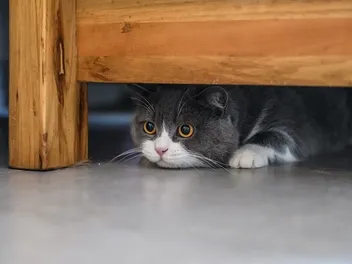
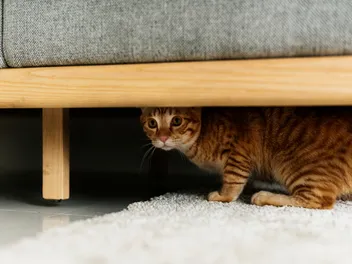
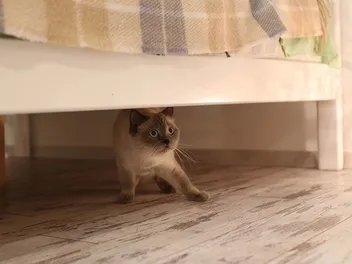
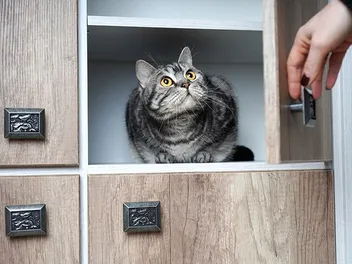
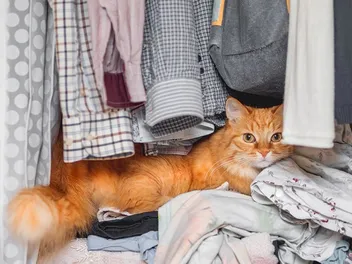
Not being able to find your cat can be a scary experience, and it's easy to slip into panic mode, but keeping a calm, cool head is essential when creating an effective plan to find your cat. The first step is to search your house again, systematically going through each room and checking in places like closets, under beds, in attics, and even in kitchen and bathroom cabinets.
Cats are skilled at hiding, so make sure to search the house well. The sound of a can opening or a whiff of tuna can sometimes bring cats out of hiding. If that doesn't work, move on to searching the area outside your home and make sure to look in places like under porches and in sheds. Cats that manage to get outside seldom make it far from home, so extend your search to include nearby likely hiding places; cats are often found hiding in neighbors' yards.

Tips for Searching for Cats
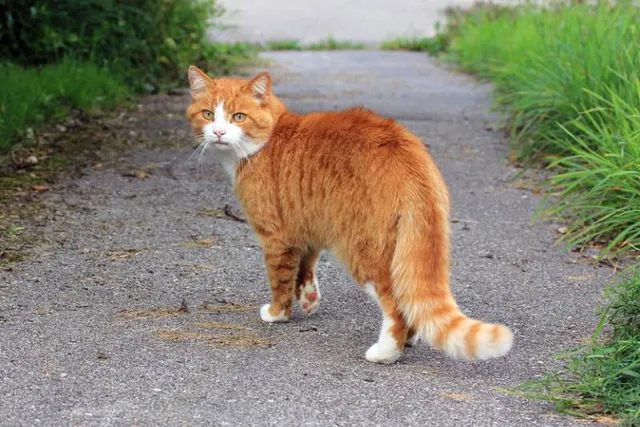
When it comes to finding lost cats, time is of the essence. Getting started with searching right away is one of the best ways to improve the chances of finding your buddy. Keep in mind that most indoor cats don't make it terribly far when they manage to make a run for it.
Cats generally only travel about 1/3rd of a mile from home in these escapes, so it often pays to concentrate your initial search in the area close to your home. Keep reading for a few tips to help you organize your search.
1. Prepare a Toolkit
Before heading out to look for your cat, get a few essentials together. Make sure your phone is charged and you have a towel to wrap your cat in, and if it's dark outside, grab a flashlight and consider wearing something reflective so drivers can see you.
Also, take a few treats and a can of your cat's favorite wet food. Cats sometimes reveal their whereabouts relatively quickly when the proper inducements are offered.

2. Knock on Doors
Cats are often found hanging out in neighbors' yards and even homes, so consider knocking on your neighbors' doors and asking if they've seen your kitty. If you feel comfortable, consider asking if you can look around their backyard to see if your cat is hiding anywhere. Leave your contact information and ask them to reach out if they see your companion hanging out in or around their home.
3. Reach Out to Shelters and Veterinarians
Lost cats are sometimes brought to shelters or local veterinarians' offices, so consider contacting them to see if they have any information about a lost cat matching your companion's description. Send a photo of your cat and information about when they went missing to make it easy for them to recognize your cat if someone brings them in. Don't forget to provide your contact information.

4. Search at Different Times
Cats sometimes escape and then get a bit scared, and they often hide until things calm down and there are fewer people and cars around. Evenings and early mornings are frequently good times to search for lost cats since there's often less outdoor activity that could scare cats and prevent them from coming out of hiding.
5. Keep Searching
Cats that aren't used to being outside alone can become scared, hide out of fear, and end up too frightened to respond when you call. Some come out once they've had time to calm down and work up the courage to make a move, so make sure to keep walking around the neighborhood and calling your cat's name for several days after they go missing. R
Remember that about 60% of lost cats make it home eventually, and about one-third make it home within 7 days of going missing.
6. Update Your Contact Information With the Microchip Registry
If you've registered your cat's microchip with the manufacturer's registry, give them a call or go online and make sure they have your correct contact information and are aware your cat is missing.
If your cat is microchipped and you haven't completed the registration process, contact a veterinarian to find the chip number and register it with the proper database as quickly as possible.

7. Get the Word Out
Letting as many people as possible know about your cat can increase their chances of returning home. Posters featuring your cat's picture and ways to get in touch with you are great ways to get the word out. There are also social media groups dedicated to posting information about lost pets and providing assistance locating them.
8. Follow Up
After getting in touch with your neighbors and local shelters, regularly follow up to ensure your cat is still on the radar. Consider dropping by local shelters just to make sure your cat isn't there, as microchips aren't foolproof, and shelters are often so busy that it can be difficult to keep an eye out for specific pets.
Frequently Asked Questions
Are There Ways to Increase the Likelihood of Cats Being Returned if They Get Lost?
Yes. Microchipping is a great place to start, but the chip must be properly registered with the right database to work, and there's always the chance that something can go wrong with a microchip reader. Outfitting cats with a collar featuring an ID tag that lets people know how to contact owners if they are found can make it easy for people to reach out if they find your cat.
Are There Other Ways to Search for Pets?
Yes. If your cat stays missing for more than a day or two, you may want to consider moving on to methods such as setting up a motion-activated camera in places you think your cat may be hiding. Some pet microchip registries offer assistance in finding lost pets as well, and there are also pet detectives who can provide help.

Do Cats Need to Be Seen by a Veterinarian After They Come Home?
It depends on their condition and how long they've been gone. Healthy adult cats that have only been out and about for a few hours and don't appear to have any injuries or wounds are probably fine.
Cats that have been gone for longer benefit from a quick check-up to make sure everything is okay and to address any injuries or other issues. A veterinarian can give you an idea of whether your cat needs to be seen or if it's okay for you just to keep an eye on them.

Conclusion
The first thing to do if you can't find your cat at home is to take a deep breath and relax. You can search your home again, paying close attention to places like closets, under beds, and in basements and attics. If you still can't find your cat, move the search outside, and keep in mind that most cats don't get too far during these escapes, so target the area close to your home.
Let your neighbors know you're looking for your cat, and consider asking for help via social media. Share photos of your pet far and wide, and contact local shelters and veterinarians to let them know your kitty is missing if you can't find them close to home.
Sources
Featured Image Credit: H_Ko, Shutterstock
Expert cat care, straight to your inbox
News, insights, and useful advice, delivered to you.

No spam — unsubscribe anytime.
By signing up, you agree to our Terms & Conditions and Privacy & Cookies Policy.
How useful was this post?
Click a star to rate. You can leave written feedback afterwards. (We read all feedback.)
Lorre Luther is a writer who is firmly convinced that cats are smarter than humans. She left her law career in the United States and moved to the Netherlands to follow her dream of becoming a writer. Lorre currently lives in Rotterdam, she enjoys traveling and greatly appreciates the beauty of nature. Lorre has a spot for animals and admires the intelligence of cats.