Get

In Your Inbox

Catster is reader-supported. When you buy via links on our site, we may earn an affiliate commission at no cost to you. Learn more.

Why Does My Cat Hide and Sleep in the Closet? 9 Vet-Reviewed Reasons & Tips

Share

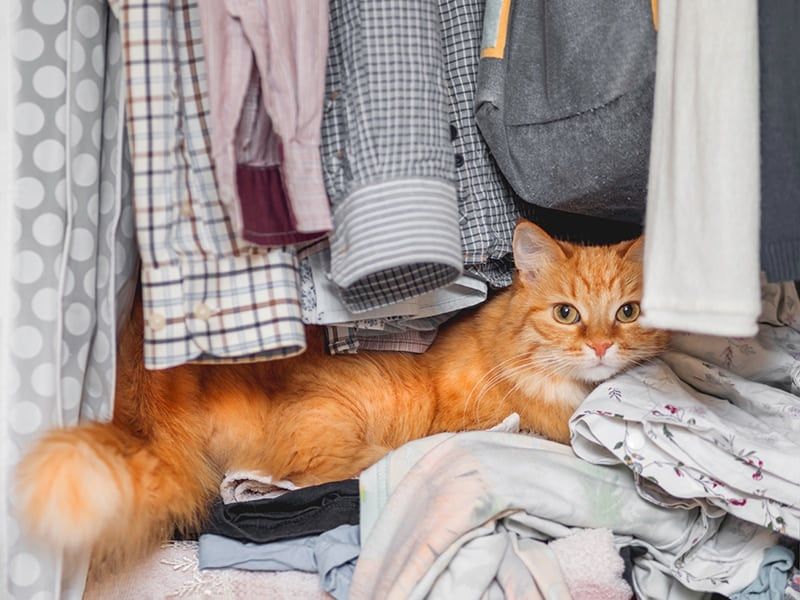
ginger cat hiding in the closet

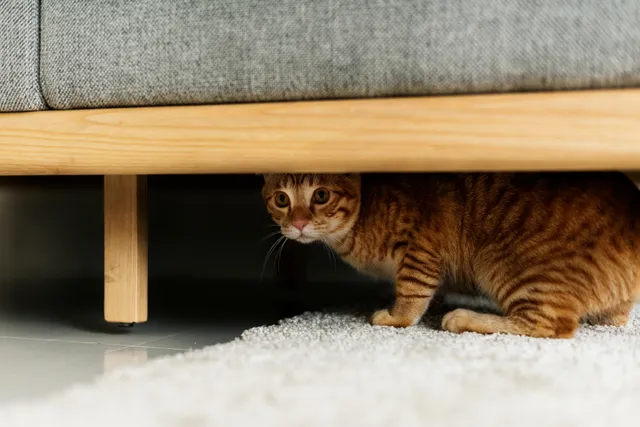
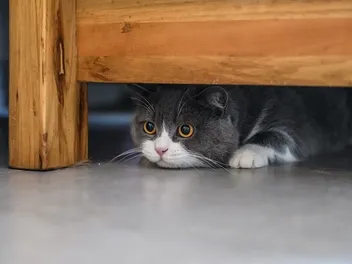
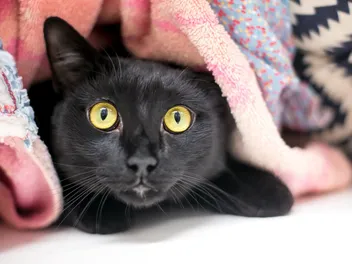
Cats are fun pets, but they can exhibit many strange behaviors, one being hiding and sleeping in the closet. We know it can be alarming when your pet suddenly disappears, especially if you aren’t sure why your cat might be doing it. Usually, cats like closets because they provide a dark, warm, cozy, and private spot to hide. Keep reading as we list several of the most common reasons that a cat might hide in the closet and provide tips for getting them to come back out.

divider 2 cats

The 9 Reasons Why Your Cat Hides and Sleeps in the Closet

1. Health Issue

It’s common for a cat that doesn’t feel well to seek out a dark and quiet area of the home, like a closet. This is instinctive; cats can be hunted by other animals or muscled out of their territory by other cats if they appear weak. Therefore, when cats are sick, they tend to hide themselves.

What Can I Do About It?

If you feel like your pet isn’t well, it’s best to take them to a vet to get them examined. Your pet will almost always bounce back faster with earlier intervention and treatment, and your vet can tell you about any serious health issues that might be present.


2. Fear

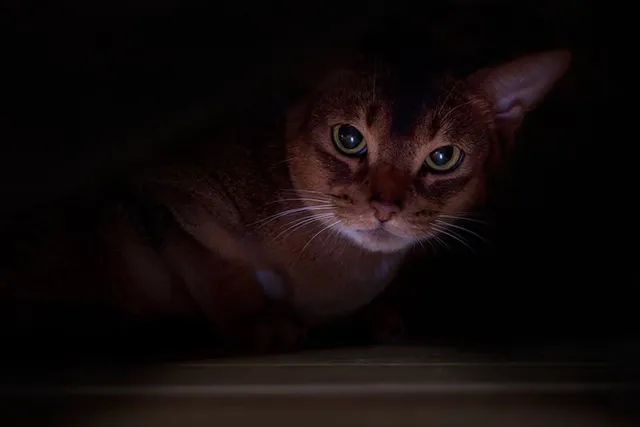
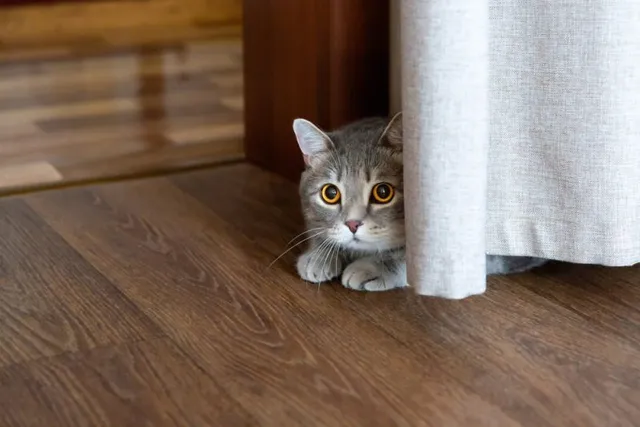
Frightened cats will often hide in the closet for shelter. Things that can frighten your cat include loud noises from fireworks, a storm, any other loud noise, other animals, or even other people. Large vehicles driving by and people knocking on the door may also send a cat running for the closet.

What Can I Do About It?

Unfortunately, there isn’t much that you can do about some things that might scare your cat. However, if you know a specific thing your cat fears, you can be proactive about that particular fear. For example, if your cat hates loud noises and you know that loud noises from fireworks or thunder are about to occur, you can try to help comfort the cat by using pheromone diffusers. If your cat’s fears are extreme, talk to your vet about medication for your pet.


3. New Surroundings

Cats like to know every inch of their surroundings, and this includes a closet. Your cat might simply be inspecting the closet to explore it!

What Can I Do About It?

Generally speaking, cats are curious and take great interest in the intricacies of their environment. If your cat is exploring your closet out of curiosity, there’s not much you need to do. However, it is important to ensure your closet is properly mounted or secured. If your cat pulls on something that is stuck within the closet, they may inadvertently knock it over.

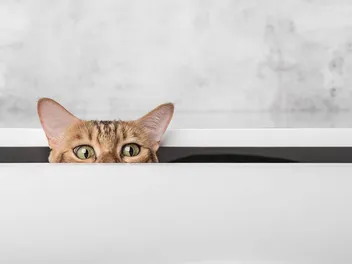
cat hiding in the cabinet
Image Credit by: Varavin88, Shutterstock

4. New Pet

Cats are territorial animals and can take a while to get used to a new pet. They might look for a hiding place, like the closet, to observe and get familiar with their new family member.

What Can I Do About It?

The best way for your cat to get along with other pets is for you to properly introduce them to another pet (assuming the pet is compatible to house with a cat). This is often best done slowly and carefully, while also keeping an eye on your pet for any signs of stress. A sudden introduction can lead to aggressive behavior, fights, or stress for one or both pets.


5. Strange Visitor

Many cats don’t like it when visitors come to the house and will often run for the closet as soon as you open the door—if the doorbell or knock didn’t already send them there.

What Can I Do About It?

If the person at your house is only an occasional guest, there likely isn’t anything that you can do to coax out the cat. However, if the guest comes over frequently and spends time visiting, there is a good chance that the cat will get curious about the increasingly familiar sounds and come out. Keep the guests calm, so they don’t startle the cat, and give the cat a treat after they say “hello” so they consider it a pleasurable experience. This can often help cats slowly accept strangers. It may also help to coax your cat by holding them during an introduction, as your cat may associate you with safety.

One man working remotely and a cat
Image Credit by: FOUR.STOCK, Shutterstock

6. Birthing

The closet is a popular choice among female cats for giving birth. If you didn’t spay your female cat and suspect that she might be pregnant, her suddenly vanishing into the closet is a possible sign that she is getting ready to give birth.

What Can I Do About It?

The best way to prevent your cat from giving birth in your closet—or anywhere—is to have her spayed. However, if she wasn’t spayed, got pregnant, and is now ready to give birth, you can make her more comfortable by providing a box lined with comfortable towels in a quiet, secure place. It’s also a good time to research how you can help your cat through birth and tell if the kittens are healthy before the time arrives. Be sure to consult your vet too.


7. Stress

Stress is another reason that your cat might be hiding in the closet. If the children in your home get loud or people are fighting, it can cause your cat to seek shelter in the closet. Other things that might stress out your cat include neighborhood dogs, construction, and city traffic. Generally speaking, almost anything that makes a cat uncomfortable (including previously mentioned reasons in this article) can lead to stress.

What Can I Do About It?

The general approach to a stressed cat is identifying the stressor and removing it (if possible). For example, if you have children who get noisy or play ball in the house, ask them to keep it down, especially when they see the cat heading for the closet.

It is important to keep in mind that stress has medical implications for cats. A cat that is stressed may develop health issues, such as a urinary tract infection, a urinary blockage, or constipation. This is likely because they refuse to use the litter box when stressed. However, the exact mechanism of how stress leads to such issues (especially urinary blockages) are not clear.

However, if you notice your cat hiding in a closet and also observe them not urinating for a period of about a day, you should immediately take them to a veterinarian.


8. Quiet Time

Many cats like to spend time alone, and no matter how much effort you put into making the rest of the house comfortable, you might find your cat seeking out the dark closet at a certain time each day.

What Can I Do About It?

Since there is nothing wrong with the cat, there is not much that you can do besides preventing them from entering the closet (if it bothers you). It’s just a place that they like to visit for whatever reason.

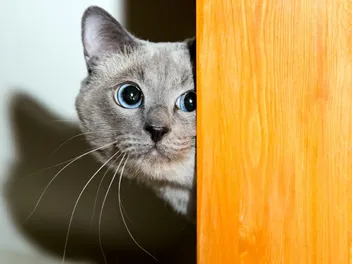
grey cat hiding in the closet
Image Credit by: Yuliasis, Shutterstock

9. It’s Their Preferred Bed

It’s not unusual to buy a fancy toy or cat tree for your beloved feline only to find that they enjoy playing with the box it came in instead. Likewise, sometimes, no matter how many beds, blankets, and resting places your cats have, they may simply enjoy sleeping in a closet as a personality quirk.

What Can I Do About It?

There’s nothing wrong with a cat choosing to sleep in a closet, as long as it doesn’t bother you and as long as you don’t inadvertently lock them in the closet. To avoid the latter scenario though, it might be beneficial to coax your cat to use a bed intended for them or to prohibit access to your closet.

divider 3 paws

Frequently Asked Questions

How Do I Get My Cat to Come Out?

In most cases, your cat will come out on their own. You can try to coax them with their favorite food or treat, but trying to dig them out might only frighten them more, and they will likely return to the closet as soon as possible. Going in after them is only a good idea if you think that they are sick and need to go to the vet.

Does a Cat Hide When They Are Sick?

Cats tend to instinctively hide illness or pain, so you should take them to the vet for a checkup to determine any health issues if you suspect that this is the case.

Does a Cat Hide When They Are Sick?

Cats frequently hide illness or pain, so you should take them to the vet for frequent checkups to determine any health issues. However, many cats do hide when terminally ill. Although no one knows for sure, it is likely an instinctive behavior to protect themselves from predators in the wild.

What Are Other Popular Hiding Spots for Cats?

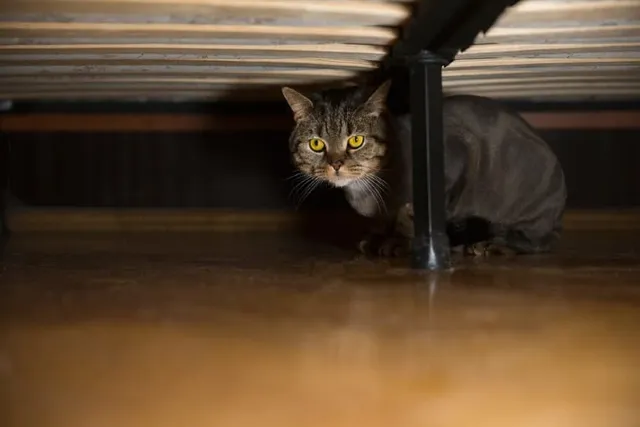
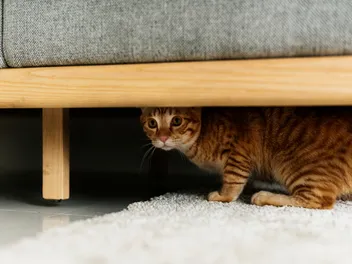
Cats frequently like to box themselves in when trying to hide. Common hiding places include under the bed, inside laundry baskets, on shelves, and under furniture.

divider 1 paws

Summary

Your cat probably likes the closet because it’s a dark, out-of-the-way spot where they can hide. They usually go there when they hear loud noises or when someone they do not know comes over, but they may also rely on it to give birth or deal with an illness. If you think that a health issue is to blame for your cat’s behavior, you should take them to the vet. Otherwise, they will usually come out on their own when the noise subsides or they get used to their surroundings.


Featured Image Credit: Konstantin Aksenov, Shutterstock

Want content like this delivered to you?

Sign Up For Our Newsletter

News, insights, expert advice, and everything cat

* By submitting, you agree to our Terms & Conditions and Privacy & Cookies Policy.


How useful was this post?

Click on a star to rate (you can leave written feedback after clicking submit)

Help us improve Catster for pet parents!

Your feedback really matters.

What did you like about this post? Also how can we improve it?

Join the conversation

Leave a Reply

You’re very welcome to leave a comment or question. Please know that all comments must meet our community guidelines, and your email address will NOT be published. Let’s have a positive and constructive conversation.


Catster's Digital Magazine is Back!

Vet-approved health & behavior advice

Real cat stories & community features

Weird Cat Behaviors That Actually Make Perfect Sense

We have been sharing our lives with cats for thousands of years, yet we still find ourselves genuinely stumped by what they get...

The Dream of Talking to Cats Just Got Closer to Becoming a Reality

If you’ve ever wished your cat could simply tell you what they wanted, you’re not alone. From the meow that wakes you before...

Kizzy: The Feline Princess With a Purpose

We were first introduced to Miss Kizzy after she won a licky-treat challenge hosted by Professor Fluffovich, our resident feline research specialist. While...

Chatting With Sally About Mission Meow & Helping Cat Rescue Organizations Collaborate | Chatty Cattys, Episode 24

In this episode of Catster’s podcast, Chatty Cattys, Nicole and Dr. Karyn sit down with Sally Williams, the founder of Mission Meow, for...

More related

Can Cats Eat Gravy? Nutritional Facts & FAQ

Like humans, cats enjoy a good meal. And while many people might think that all cats only eat dry food, that is not...

Devon Rex vs Sphynx Cat: What’s the Difference? (With Pictures)

There are few cats as unique and head-turning as the Devon Rex and Sphynx. Their stunning features set them apart from other domestic...

Domestic Longhair Cat vs Maine Coon Cat: Vet-Reviewed Differences (With Pictures)

At first glance, you may think that the Maine Coon and the Domestic Longhair Cats are the same. However, if you place them...

Is Vaping Around Cats Bad? Vet-Reviewed Health Dangers & Concerns

If you use vape devices, also known as e-cigarettes, you may wonder if vaping around your cat is safe. Even though vape devices...

Keep reading

5 Expert Ways to Handle Aggressive Cats: Vet Approved Tips & Tricks

Cats are usually sweet and gentle, especially as they outgrow their rambunctious kitten phase. But what happens when you have an aggressive cat? Hissing, clawing, and biting isn’t fun for anyone, especially if it creates conflict with family members or...

Aggressive Singapura Cat

Are Poppies Toxic To Cats? Vet Approved Facts & FAQ

Cats are intelligent creatures that usually avoid things that can hurt them. However, sometimes curiosity gets the best of them, and if your cat decides to eat some plants, including poppies, they can harm them. Poppies are used to make...

Catster_Are Poppies Toxic to Cats

How to Bottle Feed a Kitten: Vet-Approved Tips & Feeding Chart (With Video)

Kittens are quite vulnerable and need a great deal of nurturing and care during the first few weeks of their lives. Generally, their mothers are capable of caring for them on their own. However, there are cases in which a...

bottle-feeding newborn kitten

Are Cats Lactose Intolerant? Vet-Reviewed Facts & FAQ

Cats are infamous for their love for milk. However, it turns out that cats might be lactose intolerant. But how true is that claim? Unfortunately, it is true: Most cats are lactose intolerant. Lactose intolerance is the inability to digest...

A cat with milk bottles

Savannah Cat Health Problems: 8 Vet-Reviewed Issues

The Savannah Cat is a large cat breed that’s known for its intelligence, playfulness, and athleticism. The Savannah Cat hybrid is the result of breeding a domestic cat with a Serval wild cat. These first offspring are then bred again...

Savannah Cat Health Problems

Do Cats Like Blankets? Vet-Reviewed Feline Behavior Explanation & Safety Tips

Cats are interesting creatures that tend to march to their own beat. It can be tough to get a cat to do something you want them to and to stop doing things that you don’t like. So, if a cat...

kitten playing under a blanket

What Is Cat “Rust”? Causes & What to Look Out For (Vet-Verified Info)

Black cats have long been associated with bad luck, but their luck has changed significantly in the last few decades. With the rise of social media cat groups, more and more people come together to discuss their love of “voids”,...

Pneumonia in Cats: Causes, Signs & Care (Vet-Approved Explanation)

Cats rely on healthy lungs to breathe normally, just as humans do. Any health condition that impacts the lungs’ ability to function is potentially dangerous for the cat, and pneumonia is one of the medical concerns. In this article, we...

sick cat in vet

Love Cats? So Do We! Join the Catster Community

Stay informed with expert pet care insights delivered straight to your inbox! Discover professional guidance on animal behavior, feeding tips, trusted product picks, and much more.


Sign up for the Catster Email Newsletter

Stay informed with expert pet care insights delivered straight to your inbox! Discover professional guidance on animal behavior, feeding tips, trusted product picks, and much more.