Is Aluminum Plant Toxic to Cats? Vet Approved Safety Facts & FAQ


In this article
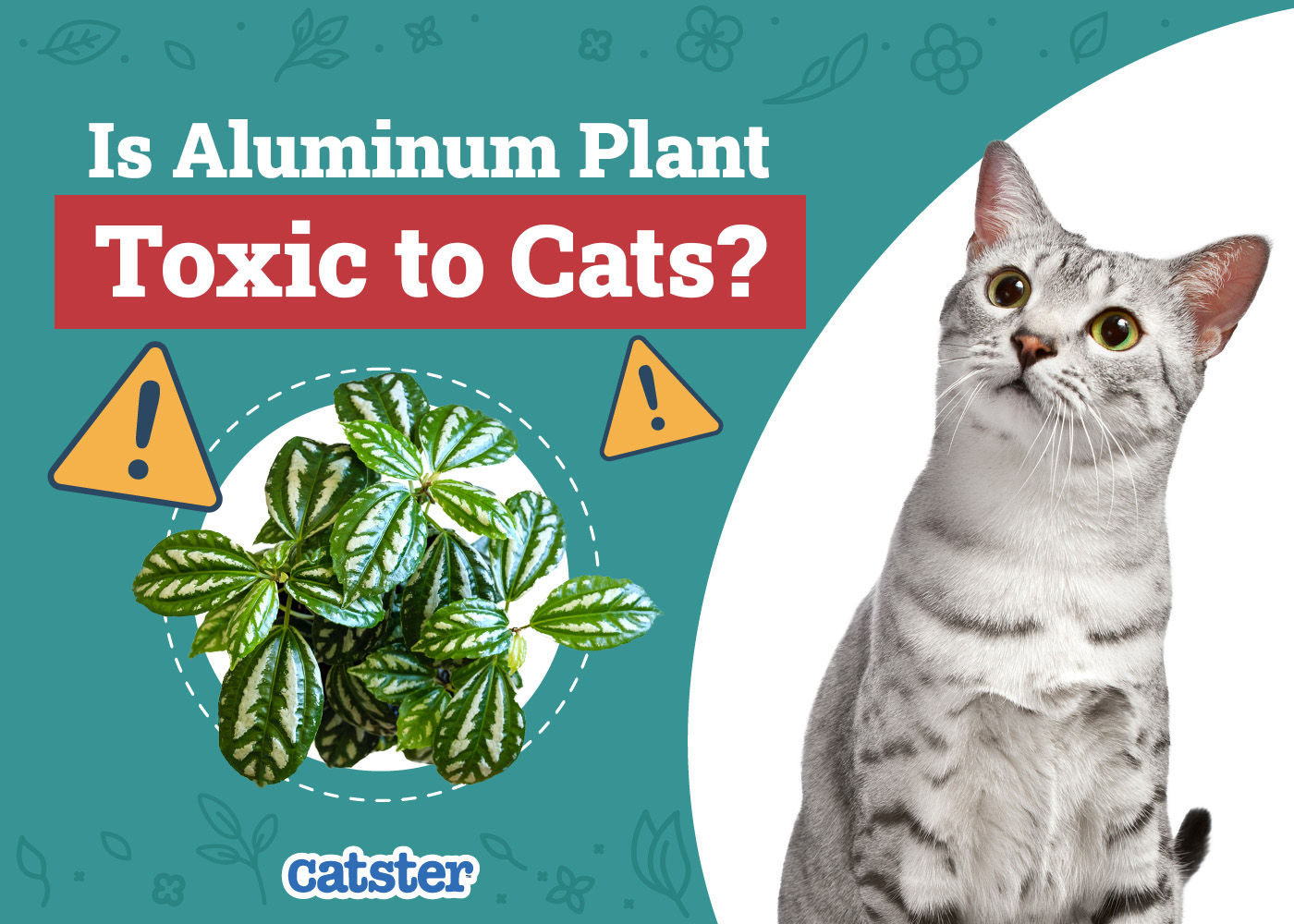
Aluminum plants, known as Pilea cadieri, are hearty evergreen perennials in the same family as nettles. The plant features dark green leaves that look as if they’ve been brushed with aluminum. It’s native to Vietnam and parts of China and first became popular in the United States in the 1970s.
They’re most often kept as indoor plants, where they thrive as long as they can enjoy at least 4 hours of sun and a sip of water every day. The plants can easily reach 24 inches tall when kept indoors and are easy to grow. But if you have a feline buddy at home, you might wonder if the shimmery plants are toxic to cats. The answer is no — aluminum plants aren’t toxic to cats.

How Do You Care for Aluminum Plants?
Aluminum plants are pretty easy to care for and don’t require much attention. These tropical plants do best when they have access to plenty of sunlight, at least 4 hours per day. They also need to be kept moist. Aim for a ¼-inch layer of moist topsoil. Most require more frequent watering in the summer than during the winter.
The plant prefers sandy soil with a slightly acidic pH, but providing the right drainage conditions is more important than tweaking the soil pH when it comes to encouraging growth. Aluminum plants have fast-growing root systems and often require yearly repotting.
What Are Some Other Cat-Friendly Houseplants?
There are several cat-friendly houseplants to choose from, including American rubber, cast iron, spider plants, Boston ferns, and gerbera daisies. Catnip, oat grass, and silver vine are cat-friendly plants that are easy to grow indoors and outdoors.
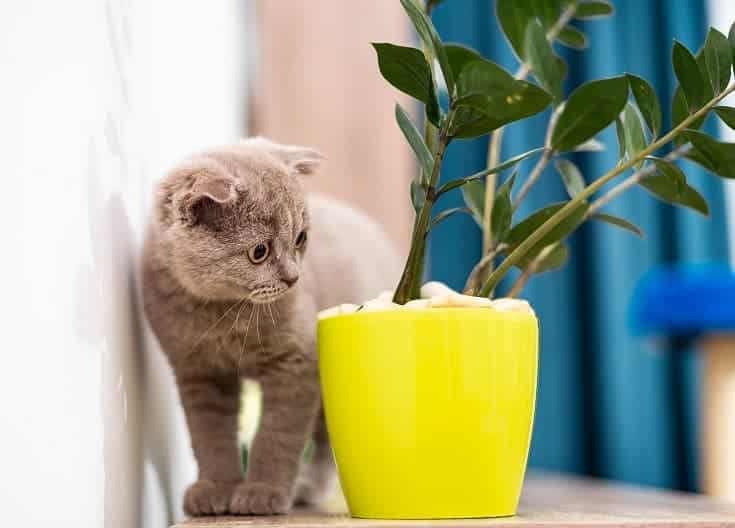
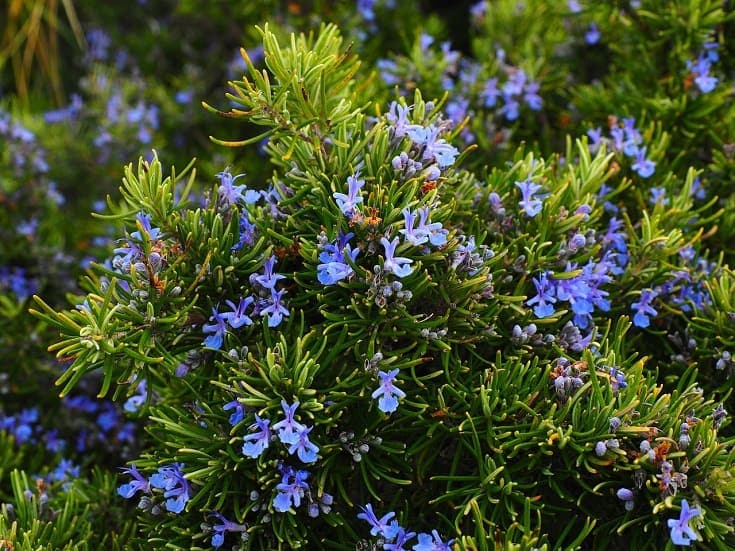
Cats are also safe around most vegetables, such as cucumbers, squash, and green beans. Herbs such as thyme, rosemary, and dill are cat-approved choices you can grow year-round if you have a windowsill with enough sunshine. Remember that cats can choke on or injure themselves while chewing and swallowing thin stems, so avoid putting plants where your cat can “investigate” them without supervision.
Which Plants Are Most Toxic to Cats?
Lilies are at the top of the most toxic plants list. The flowers that signal spring’s arrival are so poisonous that a cat only needs a few bites to become seriously ill. Every part of the plant is toxic to cats.
Lilies can be lethal in stunningly small quantities—ingesting just a few bits of pollen can lead to a cat’s death through kidney failure in just a few days. Sago palms are also highly toxic to cats, often resulting in liver failure and death when consumed in small amounts. Rhododendron and oleander, two common outdoor plants, can be fatal when eaten by cats.
What Are the Signs of Poisoning in Cats?
Cats that have ingested something toxic have serious gastrointestinal distress, such as vomiting and diarrhea. Other signs include drooling and appetite loss. Hyperactivity and seizures are also often seen, as are excessive thirst and frequent urination.
Plants aren’t the only things toxic to cats. Cleaning and personal care products contain substances like fluoride and bleach, which can harm cats. Consuming alcohol, human medications, and essential oils results in untold numbers of visits to the emergency veterinarian every year.
Never induce a cat you suspect has ingested something toxic to vomit without veterinary guidance.

What Should I Do if I Suspect My Cat Has Eaten a Toxic Plant?
If you see your cat nibbling on something suspicious, pick them up, open their mouth, and see if anything needs to be removed. If you can do so safely, use a finger to remove the item from your cat’s mouth. Next, take your pet to a safe place where they can’t get into anything toxic or injure themselves.
Find and identify whatever it is your cat’s eaten. If you don’t have much experience with plants, take a picture, including several close-ups, to show how much your cat may have eaten. Contact your veterinarian immediately. Be prepared to provide information such as when your cat ate the plant, how much your pet appears to have consumed, and if you’ve noticed any behavioral changes.
Consider writing down the most vital information to ensure you don’t forget to tell the veterinarian something critical for your pet’s diagnosis.
Where Can I Find Out More About Toxic Plants?
The American Society for the Prevention of Cruelty to Animals (ASPCA) has a comprehensive list with information about the toxicity of several common plants and flowers. You can search for plants by name or peruse pre-populated lists of toxic and non-toxic plants, which makes it easy to find good choices before heading to the garden center!
Remember that not every plant that’s toxic to cats is fatal. Many popular houseplants, like the hurricane plant and Monstera deliciosa, cause pain and result in skin and mucosal membrane irritation but aren’t usually fatal if consumed. However, the easiest way to deal with toxic plants is to avoid having them in the house.

Conclusion
Aluminum plants are hardy, evergreen perennials popular among indoor gardeners around the world. Aluminum plants can grow 24 inches tall and require regular repotting to accommodate the root system’s growth.
They’re happiest when receiving at least 4 hours of sun daily and living in well-drained sandy soil. But best of all, these pretty houseplants are non-toxic to cats, making Aluminum plants a great choice if you’ve looking for a way to introduce a bit of nature to your home while at the same time keeping your cat safe.
Sources
https://www.aspca.org/pet-care/animal-poison-control/toxic-and-non-toxic-plants/cutleaf-philodendron
https://www.petmd.com/cat/emergency/poisoning-toxicity/e_ct_swallowed_poisons
https://www.msdvetmanual.com/special-pet-topics/poisoning/fluoride-poisoning
https://www.aspca.org/pet-care/animal-poison-control/toxic-and-non-toxic-plants/rhododendron
https://www.fda.gov/animal-veterinary/animal-health-literacy
https://www.aspca.org/pet-care/animal-poison-control/toxic-and-non-toxic-plants/oleander
Featured Image Credit: Musrifin, Shutterstock

Expert cat care, straight to your inbox
Vet-reviewed advice, behavior tips, and the best of Catster. Free, and you can unsubscribe anytime.
By signing up, you agree to our Terms & Conditions and Privacy & Cookies Policy.
Christian started writing for a local newspaper as a teenager, and he's been involved in the publishing industry for most of his adult life. Combining his love of writing with a passion for animals, he is currently the Director of Editorial at Pangolia and the Editor-in-Chief at Catster.
Christian lives in the Philippines with his wife, son, and four rescue cats: Trixie, Chloe, Sparky, and Chopper.
Join the conversation
Ask a question, share your story, or send private feedback.