How to Stop a Cat From Spraying: 8 Vet-Approved Tips


In this article
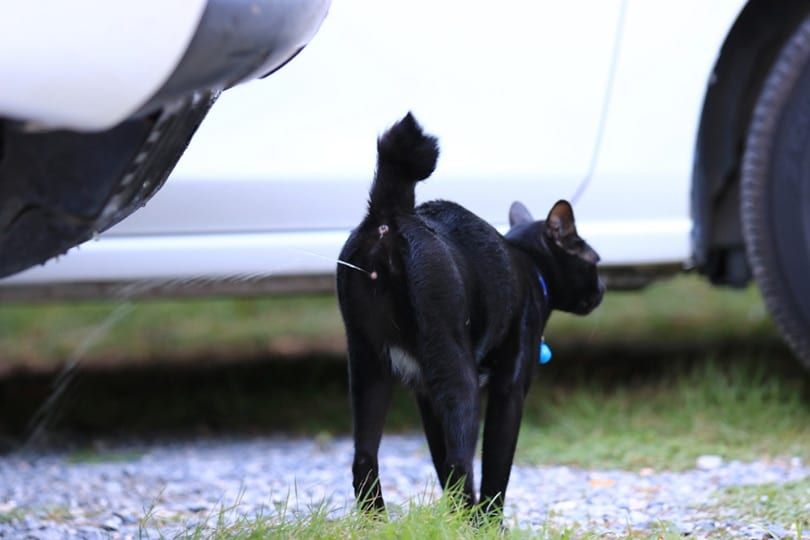
It can be frustrating to have a cat that sprays, whether it is your cat that is spraying around the house or yard or if a stray cat is wandering onto your property and leaving the pungent smell behind. It is quite common for new cats to spray if they are not yet familiar with using a litter box; however, some cats will spray because they are stressed or want to mark their territory. It is most effective to identify the problem before you address it and apply certain methods to stop a cat from spraying altogether.
There are different tips and tricks you can use to get a cat to stop spraying, which we will discuss in this article.

Why Do Cats Spray?

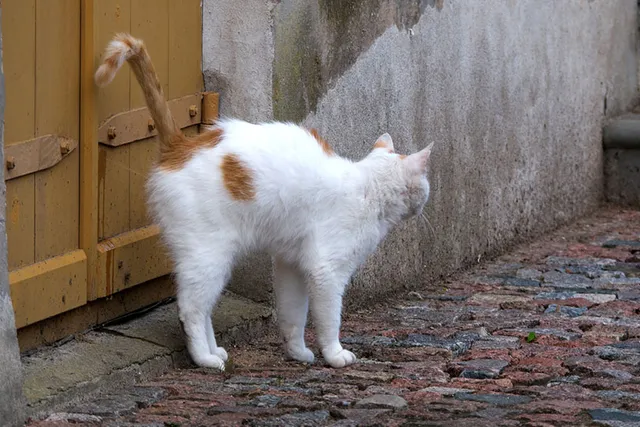
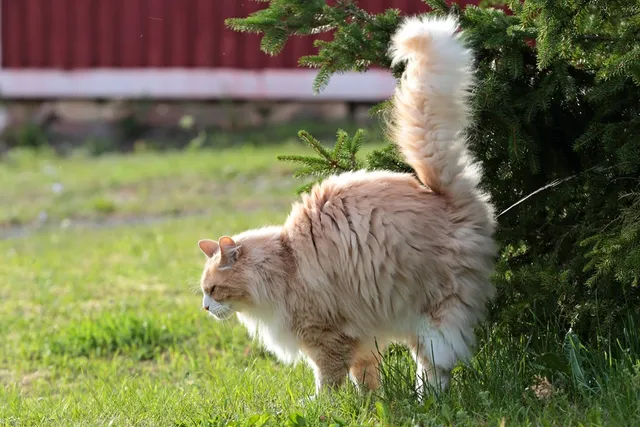
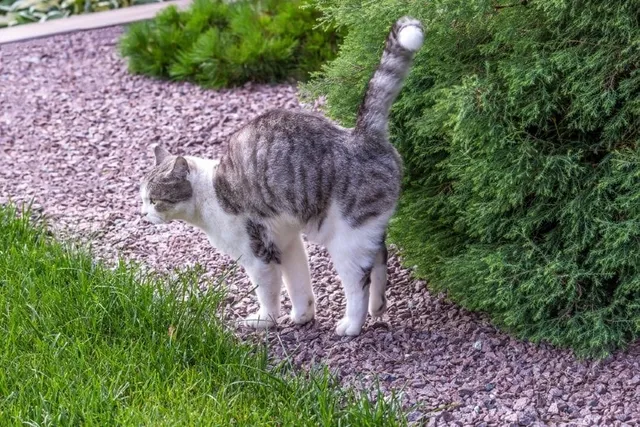
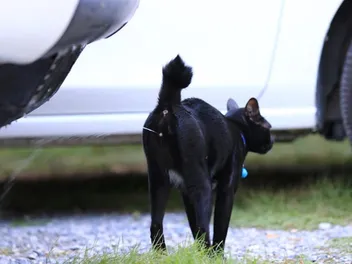
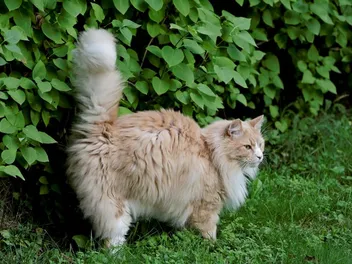
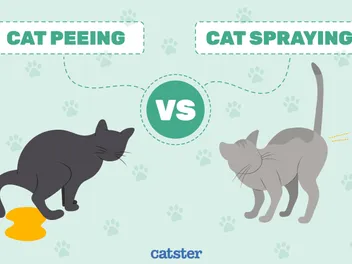
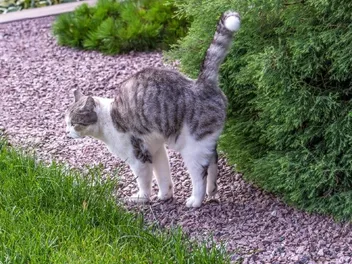
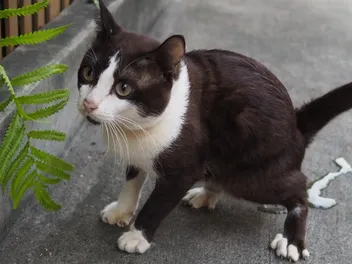
Spraying or urine-marking is not the same as regular urination when it comes to cats. Spraying is a behavior where cats spray a small and concentrated amount of urine on a surface to leave their scent behind. The high concentration of urine mixed in with your cat’s scent is what makes the sprayed urine smell so pungent.
Some reason why cats spray is to leave their scent behind, especially if they suspect that an unfamiliar scent from another cat has entered their territory. This encourages your cat to spray so that they can mark their territory to ward off the strange cat.
Cats will also spray if they are stressed, especially in multi-cat households where they can become overwhelmed with all the different scents from other cats, even if they are familiar with them. This leads cats to spray on your furniture, on walls, or even outside because they try to overpower the scent of other cat's spray with their own.
Spraying can also be a way for cats to tell other cats to “back off” as a form of communication. If a cat is highly stressed, they will begin to pick up the habit of spraying whether it is from another cat that is asserting dominance over the cat or a strange cat.
Spraying should not be confused with cats who urinate outside of the litter box, as this usually indicates that your cat is unhappy with the litter box conditions or that they are suffering from a medical problem that makes urination painful or difficult.

The 8 Tips to Stop Your Cat From Spraying
If you notice that your cat is spraying, then you can try following these simple steps to try and break this habit. If your cat has only sprayed once but not again, then there was likely something that bothered them at the moment that caused them to spray. However, if you find that your cat is continuously spraying, then they may have formed a habit that you need to help them break.
1. Clean Soiled Areas
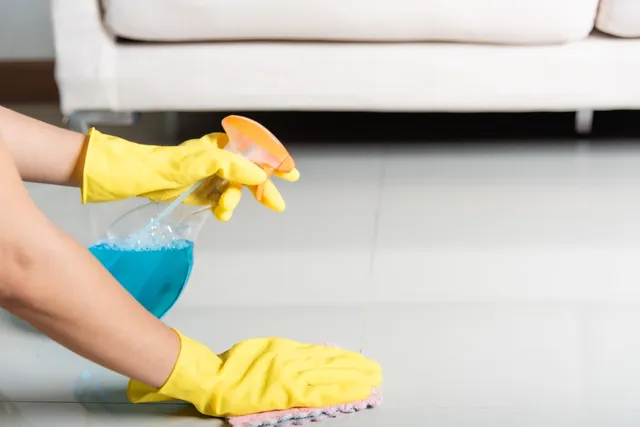
If you suspect that a stray cat is urine-marking on your property and causing your cat distress, it is important to cleanse the areas to help eliminate the smell that is bothering your cat. If your cat has sprayed against a wall or along your furniture, then you should thoroughly wash this area and make it inaccessible to your cat so that they do not go back to the urine mark again.
Using cleaning solutions, such as bicarbonate soda or white vinegar in water, can help remove the urine-smelling odor. Avoid using fragranced soaps that do not have the right enzymes to break down cat urine odors, as this will not remove the scent or the urine you are smelling.
Our Favorite Enzyme Cleaner
The Hepper Advanced Bio-Enzyme Pet Stain & Odor Eliminator Spray is our favorite enzyme cleaner out there. It permanently removes even the very worst kitty stains and smells, leaving your home fresh and clean! Click here to learn more about this amazing product and get yourself a bottle.

- ADVANCED ENZYMATIC CLEANER - Penetrates the most stubborn smells and stains at the deepest molecular levels to dissolve any pet mess you encounter and lift it away at the source.
- FOR ANY MESS, ON ANY SURFACE - This pet odor eliminator cleans your carpets, floors, furniture, fabrics, and more. Whether it's urine, feces, vomit, or drool, you can erase all foul spots and smells!
- FRESH, NATURAL ODOR - Our unique formulation doesn't rely on dangerous or unpleasant chemical fragrances to get the job done. We eradicate smells and stains, not just cover them up.
At Catster, we’ve admired Hepper for many years, and decided to take a controlling ownership interest so that we could benefit from the outstanding products of this cool cat company!
2. Identify the Cause
An important step to getting a cat to stop spraying is to identify the reason that is causing your cat to spray. This can range from stressors in the environment, such as an unfamiliar scent from another cat, or from a cat in the household that is claiming territory where other cats are living. Other stressors can include changes in the litter box, new litter, an unclean litter box, or a litter box that is shared with a lot of cats and becomes soiled quickly.
Your cat may also be reacting to a foreign cat, such as a stray or neighboring cat, that is urinating in their territory, so your cat will start to spray around the house to reclaim their turf.

3. Help Prevent the Stressor
Once you have identified the possible stressor in your cat’s life that is causing them to spray, then you should help prevent this stressor from occurring. However, if there is a conflict between two familiarized cats in the household, this can be quite tricky.
If you are dealing with a neighborhood cat that is wandering onto your property, it is best to try and reach out to the owners so that they can take methods to stop it. If you are dealing with a stray cat that is bothering yours, you can take the stray to a local veterinarian or rescue organization that can help you deal with them.
4. Limit the Amount of Change and Stress in Your Cats Life
It is important to keep your cat as stress-free as possible. Since most cats will spray when they feel threatened or stressed, ensuring that they are content in their environment will help prevent your cat from spraying again. Make sure that your cat is comfortable with the litter box that they are using and that they are not being stressed out by other cats.
Changes in the household can also confuse your cat and lead them to spray to mark their territory, so make sure that if you move the house around or move to a new location that you are keeping all the items your cat has left their scent on so that they have a familiar smell with them, such as their bedding, toys, blankets, and other essential items.
5. Keep the Litter Box Clean
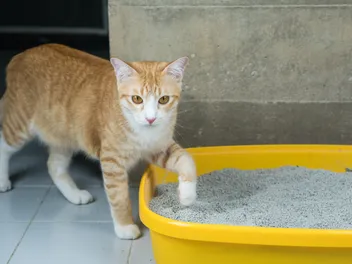
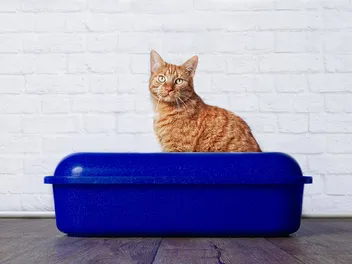
Cats who are stressed from not being able to use their litter box might start to spray around the house. This can either be influenced by a dirty litter box or one that many cats share so all the scents are frustrating your cats and causing them to spray. It is a good idea to keep the litter box as clean as possible and to ensure in multi-cat households that each cat has a litter box they can comfortably use without being bothered by other cats.

6. Spay or Neuter Your Cat
Both male and female cats will spray to show other cats that they are ready to mate. This is a sexual behavior with cat communication; however, it seems to be more frequent in male cats rather than females. This can be solved by taking your cat to a veterinarian for a spay or neuter, which will also help prevent your cat from becoming pregnant or making other cats pregnant. This is important with so many cats up for adoption that need homes.
7. Use Repellent Methods
If there is a particular spot that your cat sprays against, either outdoors or indoors, then you can use a repellent to help deter them from that area. There are plenty of safe and harmless repellents on the market, such as sprays and liquid concentrations that can be used indoors and outdoors, or you can purchase repelling devices that can be used outdoors to keep strays and wandering cats from coming onto your property. Cat repellents not only work for your cat, but they will also help deter other unwanted cats from entering your home or yard and bothering your cat.

8. Consult With a Veterinarian
Lastly, if your cat is continuing to spray even after you have tried the above methods, you should take them to a veterinarian for a health check-up. This is important because your cat might be spraying because of a health issue or anxiety that a veterinarian will be able to diagnose and help you treat. Some vets will also be able to give you advice on how to stop your cat from spraying based on your cat’s home or medical situation, which can vary.

Conclusion
It can be overwhelming to deal with a cat who sprays, but once you identify the reason behind their spraying and take the right measures to help stop your cat from spraying, you should soon have success in stopping or limiting the amount of spraying your cat does. There is not a method that works for all, so it can take a bit of trial and error before you start to see results in stopping your cat from spraying.
See Also:
Featured Image Credit: anlomaja, Shutterstock
Expert cat care, straight to your inbox
News, insights, and useful advice, delivered to you.

No spam — unsubscribe anytime.
By signing up, you agree to our Terms & Conditions and Privacy & Cookies Policy.
How useful was this post?
Click a star to rate. You can leave written feedback afterwards. (We read all feedback.)
Sarah Psaradelis is an avid young writer with dual passions for literature and animals. She enjoys sharing knowledge of animal care and helping others. Sarah has over 8 years of writing experience and is currently studying veterinary science. She resides in South Africa where she takes care of fish, aquarium snails, dogs, and rodents. Sarah is a passionate vegan activist and animal rescuer pursuing her path to make the world a better place for humans and animals alike.