How to Make a Skittish Cat Friendly: 10 Great Vet-Verified Ways


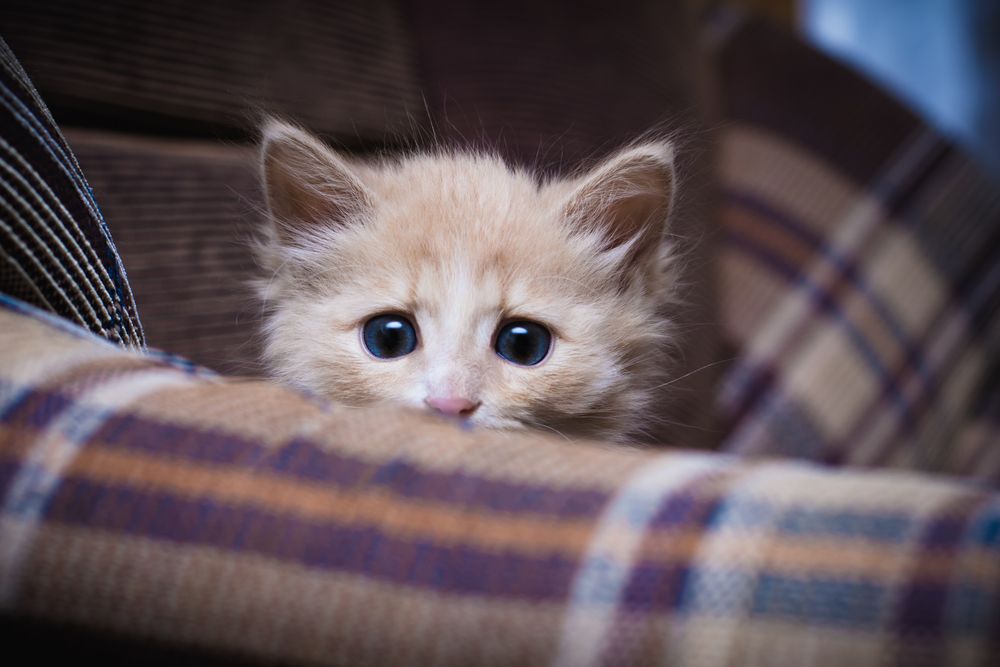
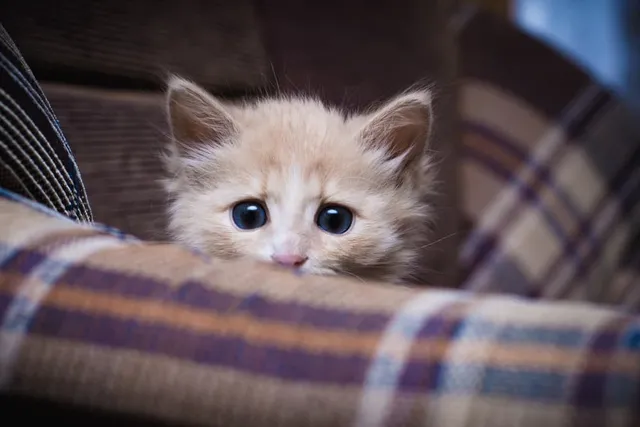
Many cats have a natural skeptic streak when it comes to new experiences, but some cats really take the cake when it comes to embodying the word “skittish.” These are the cats that may bolt when they see you coming, even if they’ve been in your home for a while. Cats with questionable backgrounds, strays, and once-feral cats who lived in the wild aren’t used to positive interactions with humans and don’t really have a reason to trust you. The silver lining here is that there’s a lot you can do to help tip the scales in your favor and earn a scaredy cat’s trust! Let’s delve into some of the ways you can help soothe your skittish kitty today.

The Skittish Debate
It’s very normal for a feral cat to be very skittish and fearful of humans. Though most people who attempt to rehabilitate such cats do mean well, there’s an interesting dilemma that this poses.
Many veterinarians hold the opinion that a cat that’s not used to an indoor environment and has always been an outdoor cat that wasn’t desensitized to human interaction and an indoor life might be too stressed when confined in such an environment. In turn, this can lead to health issues for the cat (which are perpetuated by stress). However, what’s interesting is that most cat rescuers tend to think that no matter how feral a cat is, it is always possible to rehabilitate them to an indoor environment and that it’s worth the effort and risk 1.
Ultimately, if you do find yourself attempting to rehabilitate a particularly skittish cat (whether they are feral or not), it’s best to seek professional advice and assistance whenever possible.
The 10 Ways to Help a Skittish Cat Be Friendlier
1. Foster a Calm, Welcoming Environment
Cats that are skittish often appreciate calm and quiet, so the best way to make your skittish cat friendly is to be their rock in the storm by creating a calm atmosphere. Minimize noisy distractions like loud music, house guests, and excited children. Nervous cats are always on the lookout for sudden movements and potential threats, so make those nonexistent in your cat’s home and they will eventually start to relax and let their guard down.
2. Create a Safe Space
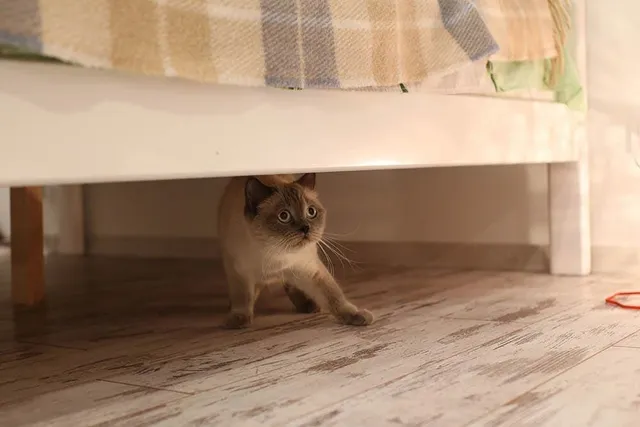
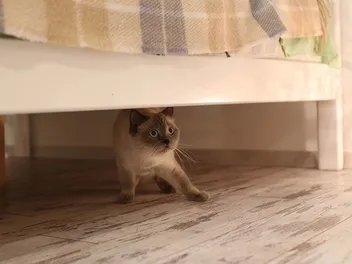
Your cat needs their own private space to retreat to when they feel overwhelmed and just can’t deal. A simple box in a less trafficked corner of your home could be that place, or their travel crate in a quiet part of your bedroom could be it. Cats enjoy low-lying nooks and elevated spaces but also need escape routes between their resting places. If they run into people or other pets every time they go to their safe space, they might not return there anymore. Ideally, you should carve out several strategically located safe places for your skittish cat to build up their trust and help them self-soothe.
Those caring for anxious cats understand the struggles and discomfort that their companions feel on a daily basis. The innovative bowl shape of the Hepper Nest Bed provides nervous pets with support and its high sides offer a sense of security, diminishing stress and worry. To learn about how to the Hepper Nest can provide solace to your cat, click here.

- COMFY KITTY - Your cat or kitten will have an amazingly deep sleep in this self warming, nesting cat bed. The warm, fluffy cat bed lining provides calming stress relief for cats of all ages.
- PRETTY HOME - This round cat bed has a modern and unique design that’s perfect for a sleek indoor look. We don’t think of it as cat furniture but think of the Cat Nest as a “cat home”.
- SPACE SAVER - Reclaim your desk, window sill, or couch from kitten encroachment. This calming nest cat bed has an elevated, space-saving hideout so comfortable your kitty can't resist!
At Catster, we’ve admired Hepper for many years and decided to take a controlling ownership interest so that we could benefit from the outstanding designs of this cool cat company!
3. Use Food & Treats
Food is a powerful tool for gaining a mistrustful feline’s trust. Dry kibble might not elicit much excitement, but a pouch of fresh wet food or tuna will surely catch your cat’s eye. Cats learn over time that you care for them by providing food and water, but make sure to keep all food-related interactions positive. You don’t want them having hang-ups with food—trust us. Feed your cat at the same times every day, and slowly you may be able to work up to hand-feeding them some high-value treats.
Keep in mind that while treats and food are great training tools when it comes to cats, they do contain calories. Overfeeding your cat can result in an overweight, or worse yet, an obese cat – something you definitely don’t want. It is important to adjust their meals accordingly to ensure that they aren’t being excessively overfed. It’s best to seek your veterinarian’s input on this matter.
4. Learn Cat Body Language

Cats have a unique body language that conveys their feelings, but it takes time to learn. For example, a scared cat will hold their body low to the ground, while a confident cat will proudly strut with their tail upright. When threatened, they often bare their teeth and make urgent vocalizations but prefer to run away rather than fight. At the same time they often tend to arch their back, and their fur often stands up instinctively to make them look more threatening. Researching your cat’s body language is essential so you can understand when to back off and when all your hard work is helping them feel more comfortable.
5. Respect Their Boundaries
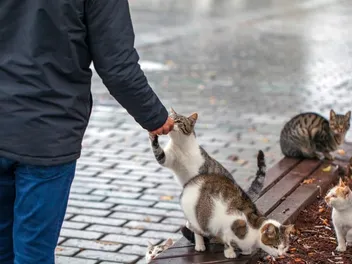
Anxious cats can be very standoffish, but don’t take it personally! They’ve probably been through a lot. At first, you won’t be able to approach them and will have to let your passive work help get them into a calming routine. Let the kitty come to you, and don’t approach them with sudden movements or if they appear scared.
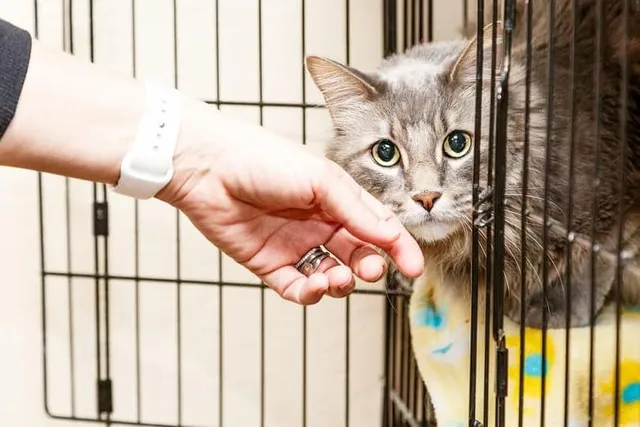
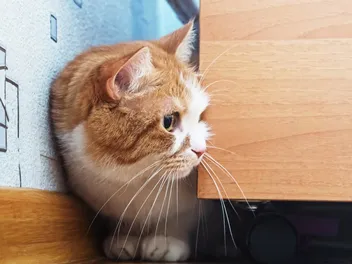
Signs of fear in cats include laying their ears flat on their head, arching their back, and puffing up their tail to appear larger. Be patient until your cat displays interest and approaches you, and only then can you put out a tentative hand for them to inspect.
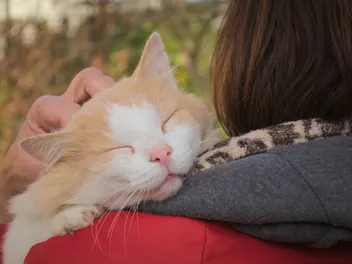
No, you probably won’t be snuggling up to a skittish cat overnight, but it takes time—baby steps. One day they might ignore you, the next they may sniff your hand. And who knows? Maybe they’ll feel more at ease and be more willing to interact with you soon.
6. Tap Into Their Playful Nature
Once your skittish cat is up to interacting with you, however limited the time, you can start appealing to their playful side. Some cats are more playful than others, but you can intrigue even the most Scully-like skeptic cats. It’s best to experiment with different types of toys to see what works best for your cat.
Our Favorite Cat Toys Right Now
Here are a some of our favorite toys, each catering to a variety of senses and play preferences. Which one will your feline fancy?
| Image | Product | Details | |
|---|---|---|---|

|
Hepper Catnip Mice Toy Set |
|
Check Price |

|
Hepper Furball Set |
|
Check Price |
At Catster, we've admired Hepper for many years, and decided to take a controlling ownership interest so that we could benefit from the outstanding designs of this cool cat company!
7. Add Vertical Space
Cats love having elevated spaces to explore, but it’s not always safe for them to skulk around on top of cabinets, dressers, or other furniture. It’s a great idea to add some dedicated space just for them to give them places to observe and relax. Cat towers are the best option, coming with multiple levels, hidey holes, appealing textures, and most importantly, a high-up perch for them to tower over their domain like the feline sovereign they are.
8. Make Yourself Less Threatening

By the laws of the jungle, towering over your cat and making lots of sudden movements is very intimidating. It sometimes helps to get on their level—literally. Sit or lie on the ground at roughly your cat’s eye level and you’ll instantly see them coming to see what you’re doing. You’re no longer a literal giant to them, so they might feel inclined to come sniff or, if they’re comfortable with you, lie on you like a blanket.
While you’re down there, no sudden movements! This will startle your cat and could even set back some of the work you’ve done to gain their trust.
9. Use Calming Pheromones
Research is still a little sparse on the subject, but this study published in 2016 concluded that pheromonal sprays can be valuable in soothing anxious cats. Feliway and other calming pheromone sprays use organic chemistry to mimic the pheromones emitted by mother cats to calm their wriggling kittens. If nothing above seems to be doing the trick, it may be worth spraying one of these around your home, especially on your cat’s favorite sleeping spots. You should still be doing the other stuff on this list to make the most of it, though.
10. Use Positive Reinforcement

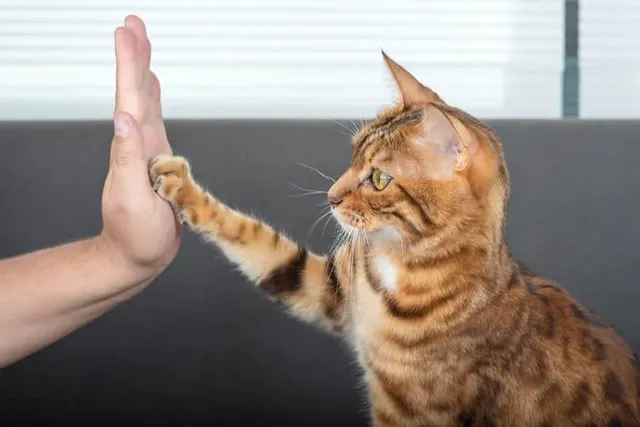
Positive reinforcement techniques are the backbone of caring for any pet. Punishing pets for bad behavior not only doesn’t stop bad behavior but has detrimental effects on their mood. For instance, many cats who were abused have a hard time trusting people. Start by rewarding your cat for engaging with anything you do. They look at you without running away? Treat. They come when you call their name? Praise.
The trick is to help them make the mental connection that certain desirable behaviors equal rewards. This takes time to bear fruit, but steady, positive reinforcement is the key to earning your kitty’s trust.
Wrapping Up
Some cats are more reclusive or social than others, but there are quite a few steps you can take to help smooth things over and gain their invaluable trust. By sticking to positive reinforcement, modifying your space to make your cat feel more at home, and learning to speak their body language, you can make strides. It won’t be overnight, but then again, neither was Rome. You’ll get there!
See Also:
Why Is My Cat So Skittish? 5 Vet-Reviewed Reasons & Care Tips
How to Make a Cat Less Skittish: 10 Vet Approved Tips & Tricks
Featured Image Credit: Khamidulin Sergey, Shutterstock
Expert cat care, straight to your inbox
News, insights, and useful advice, delivered to you.

No spam — unsubscribe anytime.
By signing up, you agree to our Terms & Conditions and Privacy & Cookies Policy.
How useful was this post?
Click a star to rate. You can leave written feedback afterwards. (We read all feedback.)
Codee Chessher is a freelance writer with extensive knowledge on a variety of subjects that include travel, DIY, pets, and more. He has a colorful past but the written word was always his first love. He believes there's nothing a well-worded sentence can't accomplish!
When not writing, Codee enjoys reading fantasy novels, tackling DIY projects around the house, and memorizing useless pop culture trivia. He has lived in many places around the US, and most recently resides in northern Mexico.