Does Vinegar Keep Cats Away? Vet-Reviewed Facts & FAQ



In this article
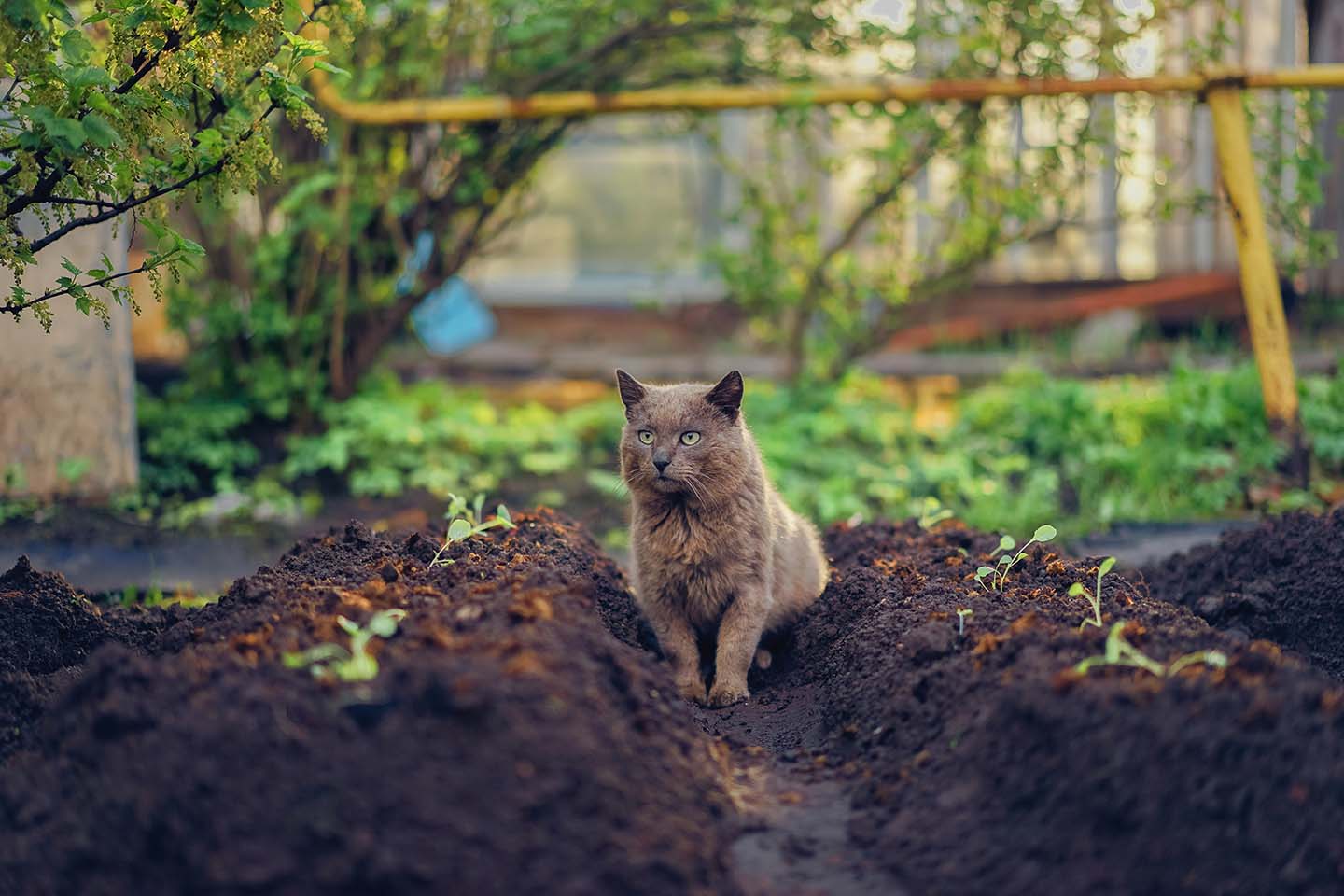
Cats are wonderful creatures and one of the most popular pets in the world. Unfortunately, they can be rather destructive, causing damage to flowers and plants, leaving their urine and droppings everywhere, and killing birds whenever they get the chance.
Some homeowners search for a humane way to keep cats away, and one that’s used often is good old-fashioned vinegar. Does vinegar keep cats away? Vinegar does repel cats and rather effectively in most cases. Want to learn how, when, and where to use vinegar to keep cats away? If yes, read on! We have all the facts below, including whether vinegar is a safe and humane cat deterrent (hint: it is).

Is Vinegar a Safe Choice of Cat Repellent?
When used correctly, vinegar is a safe choice as a deterrent for cats around your home and garden. One caveat is that it must be diluted in most situations since full-strength vinegar can irritate a cat’s eyes, ears, nose, and throat. Vinegar is so safe that you can use diluted vinegar to prevent fleas.
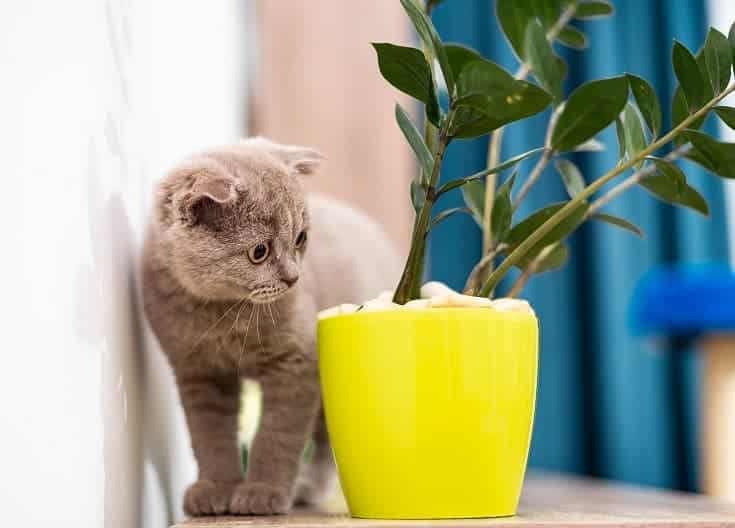
If using vinegar in your garden or on plants and flowers in and around your home, you can use it at full strength to get good results and keep cats from making a mess. Other than that, however, you should always dilute vinegar when using it to deter cats.
Experts recommend mixing ⅓ plain white vinegar and ⅔ water. Mix the ingredients in a spray bottle to coat the areas where cats congregate to stop them from returning.

What Type of Vinegar Is Best to Repel Cats?
White vinegar usually works best, but you can also use apple cider vinegar. Apple cider vinegar has a more appealing odor, at least for humans, but repels cats just as well.
These kinds of vinegar are the only ones recommended as cat repellents because other types are more aromatic and less acidic. Also, red and white wine vinegar can attract unwanted pests.
Why Don’t Cats Like Vinegar?
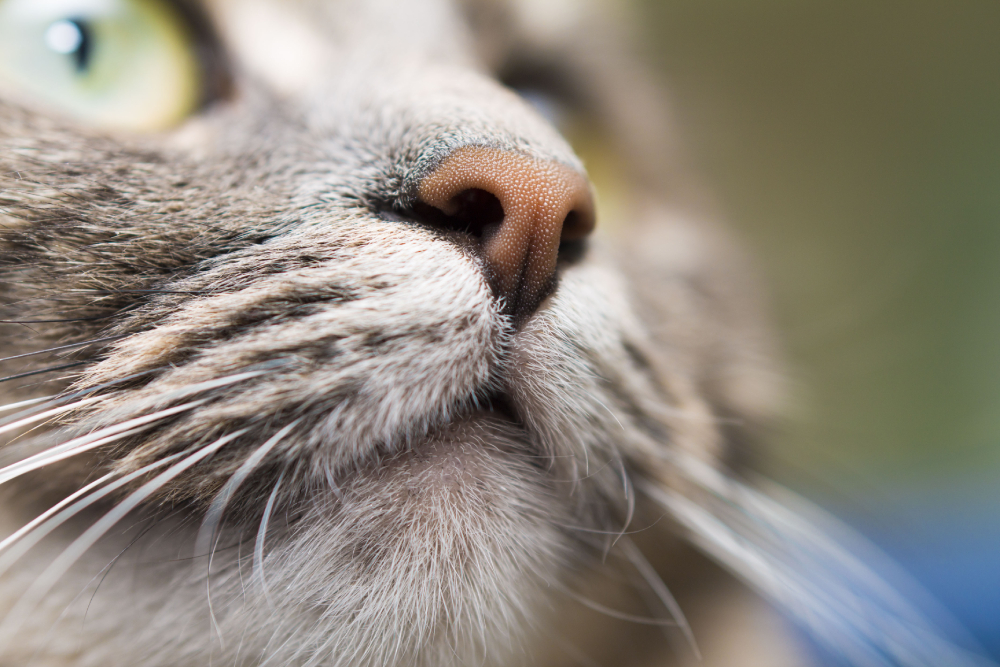
If you use vinegar, you know that the acidic odor can be overwhelming. Now consider that a cat has approximately 14 times the smelling power of a human, and you can imagine what vinegar can do to their delicate noses, eyes, and ears.
If you look at the number of olfactory cells the typical cat has in their nose compared to the ordinary human, the reason they dislike vinegar becomes even clearer. While humans have approximately 50 million olfactory nerves sending information from our nose to our brain, cats have between 150 and 200 million! In other words, cats have a highly developed sense of smell, and when their cute little noses get a whiff of vinegar, it can be very unpleasant which is why cats hate the smell of vinegar.
Does Vinegar Always Work to Repel Cats?
Vinegar is an excellent method of repelling most cats, but, like humans, some cats aren’t as bothered by it as others. It depends on the cat, the environment, and the cat’s personal preferences. It’s doubtful you’ll find a cat that enjoys the smell of vinegar, but some will be able to ignore it completely. That’s when it’s time to try another scent cats usually don't like.

What’s the Easiest Way to Use Vinegar to Repel Cats?
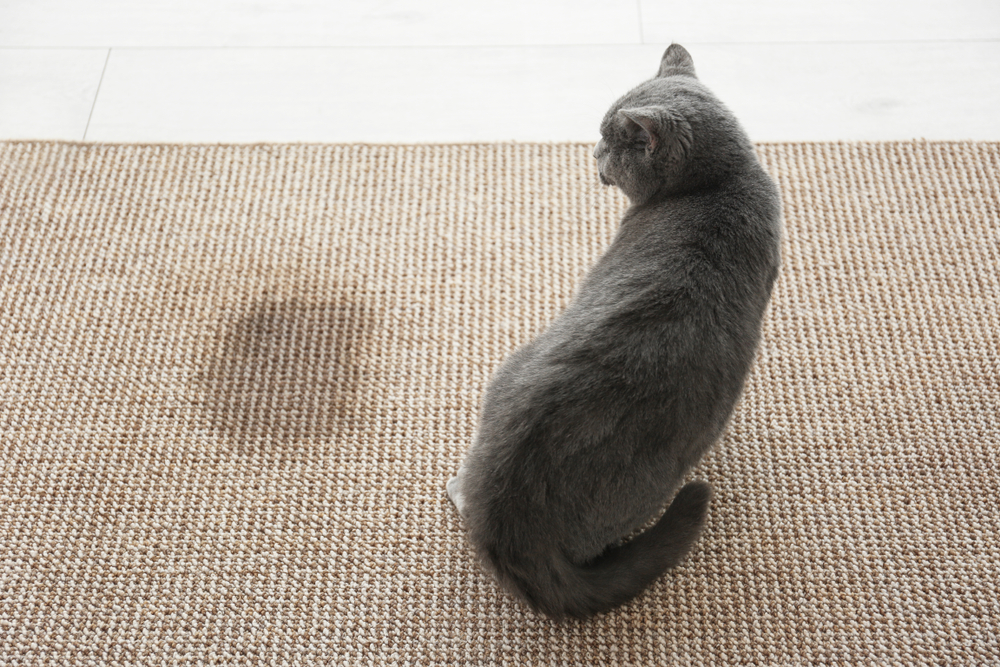
We mentioned earlier that you can mix ⅓ vinegar with ⅔ water and a few drops of hand soap. This method is the easiest to disperse vinegar where cats have become a problem. You can use the spray around plants both inside and outside. You can spray it on rugs, floors, and some furniture to remove urine odors and prevent cats from being attracted to the same spot again.
With your spray bottle of vinegar mix handy, you can spray a cloth and wipe down your cat if they come home smelling bad. It’s not harmful but be careful and avoid their eyes, nose, mouth, and inside their ears.
You could soak a sponge, cloth, or newspaper with vinegar if you don’t have a spray bottle. Place the soaked sponge or rag on a plate to ensure it stays damp longer. You can also put the soaked rag or sponge into a plastic container with the lid off.
What Other Smells Do Cats Dislike?
Vinegar might be one of the smells cats dislike the most, but there are several others they are not so fond of either. For example, cats don’t like strong seasonings and spices, especially pepper, oregano, and red pepper flakes. Cats also dislike the smell of eucalyptus, cinnamon, lemons, lime, oranges, and lavender. Interestingly, all these plants and spices are either irritating or toxic to cats.
Lastly, cats abhor the smell of their own urine and feces when their litter box isn’t scooped and cleaned regularly. If you find your cat peeing or pooping anywhere else in the house, they probably can’t stand the smell emanating from their litter box.

Can Vinegar Be Used for Other Cat-Related Reasons?
While cats hate the smell of vinegar, this amazing liquid has a few benefits that can help them stay happy and healthy. For example, veterinarians suggest putting a teaspoon of apple cider vinegar in your cat’s water bowl to help regulate their digestive system.
Adding distilled white vinegar to their water is a great anti-flea remedy. You can also spray the same vinegar water mixture from earlier directly onto your cat. Let it sit for a few minutes and wipe off any excess for an all-natural barrier of protection against fleas and ticks.
Vinegar added to your cat’s water can also help their body fight disease as it's a natural antioxidant. It will improve your cat’s immunity and help them shed toxins from the air, water, and UV rays of the sun. Is your kitty getting a little too big for its own good? A teaspoon of apple cider vinegar in their water can help them lose weight.
You can also use vinegar when you clean your cat’s litter box to kill germs, bacteria, and viruses. Just make sure you rinse it out well afterward, so your cats don’t get upset with you.

Final Thoughts
Vinegar is safe for cats, but you need to be careful about using it around their delicate eyes, nose, and ears. You can also use diluted vinegar to (gently) clean your cat's ears and prevent fleas and ticks from making a home in their fur. Vinegar is easy to use, costs very little, and works well when used correctly.
It's a humane way to keep cats from using your garden as a litter box and is all-natural so that it won’t harm the planet. We hope today's information has been very helpful and answered all of your questions about using vinegar to keep cats away. Best of luck using it around your home and garden!
See Also:
Sources
Featured Image Credit: focal point, Shutterstock

Expert cat care, straight to your inbox
Vet-reviewed advice, behavior tips, and the best of Catster. Free, and you can unsubscribe anytime.
By signing up, you agree to our Terms & Conditions and Privacy & Cookies Policy.
Gregory Iacono former chiropractor and self-taught writer. Greg has experience in a wide variety of subjects including video script. As a man of clinical experience, Greg has the ability to digest a complex subject and make it accessible to the reader. Greg enjoys traveling and spending time with his two daughters and son.
Join the conversation
Ask a question, share your story, or send private feedback.