Does Cinnamon Keep Cats Away? Vet Approved Facts & FAQ


Are you looking for a cat-friendly way to keep your four-footed companion off your new couch or away from your prized African violets? You may have read a few articles online suggesting that cinnamon works as an effective cat deterrent, which may have led you to wonder if it’s a safe way to deter feline interest in your furniture and plants.
The good news is that cinnamon is indeed cat-friendly. The ASPCA lists it as entirely non-toxic to both cats and dogs. Your kitty won’t suffer any adverse effects if they ingest a bit of this sharp, flavorful spice. On the other hand, many people don’t find it to be a terribly effective deterrent, so while you don’t have to worry about cinnamon harming your cat, you might have to try something different to get results.

How Should I Use Cinnamon as a Cat Repellent?
The best way to use cinnamon as a cat repellent is also the simplest—just sprinkle it around the areas you want your kitty to avoid. Cats are super smellers. Their noses are 14 times stronger than ours, and they naturally avoid strong smells like cinnamon. Keep in mind that excessive cinnamon can harm your cat (and you), so please take care that your cat isn’t exposed to high concentrations of this spice. A couple of sprinkles should do the trick!

Are There Any Cinnamon-Based Concoctions I Should Avoid?
Several DIY mixtures contain products that can be harmful to cats. Make sure to research each ingredient before including it in a DIY cat repellent. Below are some products commonly touted as natural cat repellents that can be harmful to cats and other animals.
Essential Oils
Never use homemade sprays that include products such as lavender and citrus essential oils to keep your cat from messing with your furniture or plants! Cats don’t have the enzymes required to process essential oils, making the products dangerous to have around the house. Cats exposed to small amounts of essential oils, even the fine droplets diffused through infusers, can become sick depending on the specific product and its concentration.
Citrus Products and Garlic
Mixing dried citrus peels or garlic with cinnamon to create a cat-prevention potpourri can harm cats. Citrus fruit such as lemons, oranges, and limes are toxic to cats, as is garlic. Symptoms of citrus poisoning include drooling, weakness, extreme lethargy, and vomiting. If ingested in sufficient quantities, citrus products can lead to tremors, dangerously low blood pressure, and even collapse. Garlic (and onion, for that matter) can cause kitties to have difficulty breathing and develop anemia. Over time, ingesting small quantities of garlic or enough of the plant in one sitting can lead to collapse.
Cayenne Pepper
While cayenne pepper isn’t toxic to cats, meaning your kitty won’t die or suffer organ failure after ingesting it, it’s still a horribly cruel cat “repellent.” The capsaicin in the peppers burns both human and feline mucous membranes. That horrible burning pain you get after eating something too spicy or rubbing your eyes after cutting spicy peppers comes from capsaicin, and that’s what you’re subjecting your kitty to when you use cayenne pepper as a deterrent.

Getting Cats to Hang Out Somewhere Else
A two-pronged approach is the best way to convince a cat to move on. Cats respond better to positive incentives than deterrents, and the first thing to do is make it more attractive for your cat to be elsewhere. Then add a bit of something they don’t like to the area you’d like them to stay away from. Read on for a few tips on how to keep your cat away from areas that tend to be popular feline hangouts (that aren’t human-approved).
How Do I Keep My Cat from Napping on My Couch?
Consider investing in a cozy cat bed that gives your cat the things kitties love. If your cat enjoys napping in relatively enclosed spaces, find a cat bed that provides that sense of security and safety. If your buddy likes to sprawl out, provide a large bed with plenty of room. Consider adding a few warming pillows to make the area nice and cozy for your friend.
Cats often enjoy surveying areas from high altitudes, so consider investing in a pedestal bed with stairs your pet can use to climb to their sleeping nook. If you have an older cat, select a cat bed that’s closer to the ground. Put annoying but safe deterrents such as sticky tape and tin foil in areas you want your cat to avoid. Kitties typically detest the noise associated with tinfoil and often refuse to touch sticky tape.
How Do I Keep My Cat Off My Kitchen Counters?
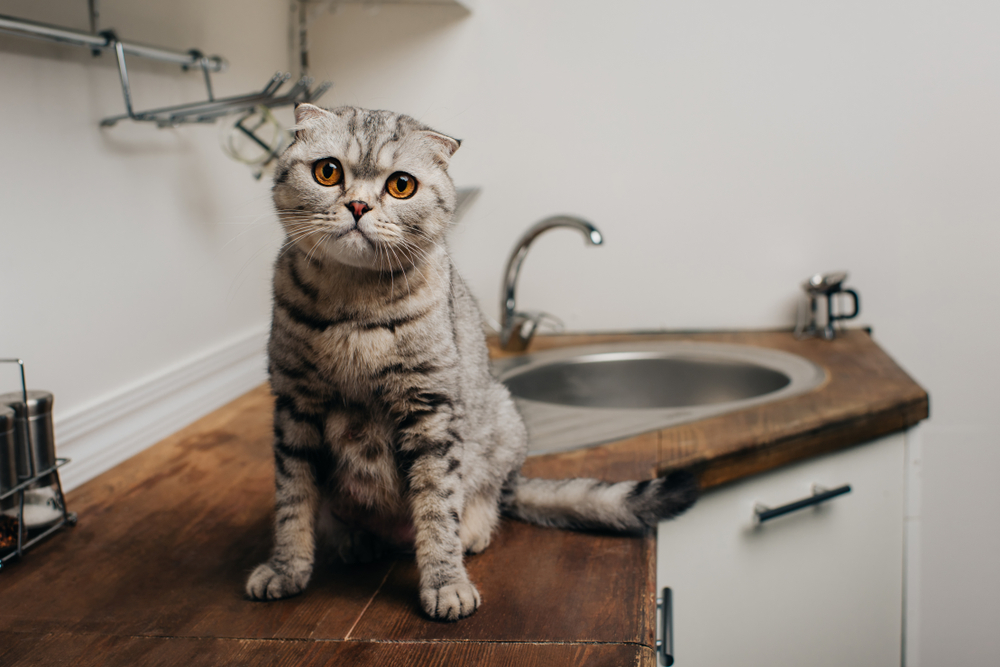
Counters are feline favorites mainly because they’re high above the ground, giving your kitty a pleasant, safe place from where they can survey the world. Often the best way to keep your feline companion off your counters is to provide them with an alternate high perch in the kitchen where they can hang out while you’re cooking.

How Do I Keep My Cat Away from My Indoor Plants?
There’s not much you can do to keep your cat away from your indoor plants, which is why it’s critical to ensure the plants you bring into the house are okay for your kitty to eat. Before bringing a new plant home, make sure to examine the ASPCA list of plants that are toxic to cats. Options such as African violets, spider plants, and air plants won’t harm your feline if they decide to take a nibble every now and then. It's best to avoid bringing highly toxic plants such as lilies and mistletoe into the house if you have a cat. Eating even a tiny amount of the plants can cause serious harm, and as anyone who’s ever lived with a cat knows, human cat-proofing efforts are never truly cat-proof.
Conclusion
Although cinnamon is safe for cats, it doesn't necessarily keep cats away. So whether you are looking to keep cats away entirely or just keep your pet cats away from certain surfaces in your home, you may have to look to alternate methods depending on the situation.
Related Read: Is Cinnamon Bad for Cats?
Featured Image Credit: Hans, Pixabay

Expert cat care, straight to your inbox
Vet-reviewed advice, behavior tips, and the best of Catster. Free, and you can unsubscribe anytime.
By signing up, you agree to our Terms & Conditions and Privacy & Cookies Policy.
Lorre Luther is a writer who is firmly convinced that cats are smarter than humans. She left her law career in the United States and moved to the Netherlands to follow her dream of becoming a writer. Lorre currently lives in Rotterdam, she enjoys traveling and greatly appreciates the beauty of nature. Lorre has a spot for animals and admires the intelligence of cats.
Join the conversation
Ask a question, share your story, or send private feedback.