Is Vinegar Bad for Cats? Vet-Reviewed Safety Concerns


In this article
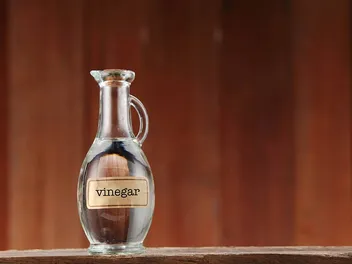
Vinegar is one of the wonder products many regularly use for different purposes such as cleaning. So, is vinegar bad for cats? Vinegar is incredibly acidic and can irritate their mucous membranes if consumed undiluted. However, if it’s mixed with water, it's unlikely to cause harm if cats are exposed to items that have been cleaned with the diluted mixture.
Before adding some to their water or cleaning their bowl, you’ll want to know if vinegar is safe for cats. It's critical to speak to a veterinarian before giving your cat any home remedy to ensure it’s safe and an appropriate way to address any medical issues. Further, we don’t recommend doing so, and no scientific data exists to show that vinegar is helpful in any way to cats. Vinegar and water cleaning solutions are generally fine to use around pets and make fantastic alternatives to toxic products such as bleach and ammonia.

Why Shouldn't Cats Consume Undiluted Vinegar?
Undiluted vinegar is bad for cats as it is extremely acidic. According to the American Society for the Prevention of Cruelty to Animals (ASPCA), consuming straight vinegar can cause cats’ mouths to become irritated and lead to stomach problems.
The issue isn't that vinegar is toxic, but without being mixed with water, it can be an irritant.

What About Giving Cats Vinegar as a Dietary Supplement?
No data exists to suggest that this is safe, effective, or beneficial to cats in any way. Therefore, we don’t recommend this as an option for any cats. Better, simply provide clean, fresh water without anything added to ensure they stay hydrated and a properly formulated diet for their life stage. With this combo, cats will have everything they need to stay happy and healthy.
Can You Use Vinegar and Water to Keep Fleas Away?
Unfortunately, water and vinegar won't get rid of a flea problem. The mixture doesn't kill fleas or their eggs. Commercial products that effectively eliminate fleas and prevent new ones from finding homes are available in consultation with a vet. Frequent vacuuming and washing clothes, fabrics, and cat bed covers at high temperatures are also essential for getting rid of fleas.

Can You Use Vinegar and Water for Ear Cleaning?
Using an ear-cleaning solution designed for cats is much safer and more effective than using vinegar and water. Using vinegar and water on cats with ear infections may make things worse by increasing the inflammation and soreness, in addition to being incredibly painful. Most veterinarians advise pet parents to avoid vinegar and water for general ear-cleaning purposes.
Does Vinegar and Water Soothe Irritated Skin?
If your cat has irritated skin, it’s safer to use a prescription from a veterinarian than vinegar and water. Skin irritation in cats can be caused by parasites, fleas, allergies, and stress, and the vet can provide a treatment that addresses the cause of the irritation.
Can Vinegar and Water Be Used as Cleaning Solutions for Cat Equipment?
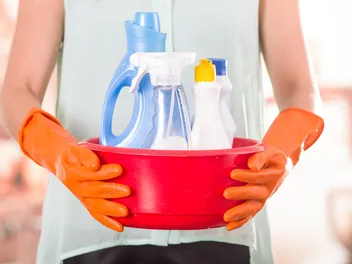
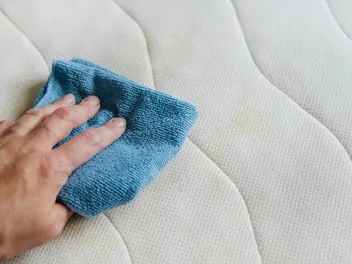
Vinegar and water are considered safer for cats than toxic choices such as ammonia and bleach. You can use the solution to clean the litter box and other items since it doesn't leave an overpowering smell behind. It's unlikely to cause any issues if your cat walks over a floor freshly mopped with vinegar and water and ends up ingesting a bit while grooming themselves.

Conclusion
Vinegar is bad for cats as it is incredibly acidic, and consuming it undiluted can burn cats' mucous membranes and cause them to feel ill, but it's not toxic. Vinegar is touted as a way to encourage optimal digestion, deal with fleas, clean cats' ears, and soothe irritated skin, but there's no scientific evidence backing these claims, and it's important to speak to a veterinarian before using any home remedies. It's safe to use vinegar and water mixtures to clean around the house, and it's a great option for keeping cats' litter boxes hygienic and smelling fresh.
Sources
https://www.aspca.org/news/pet-poisons-be-mindful-these-household-products-and-cleaning-agents
https://www.petmd.com/dog/slideshows/7-vinegar-uses-pet-owners
https://www.petmd.com/dog/nutrition/can-pets-have-apple-cider-vinegar
https://www.petmd.com/parasites/apple-cider-vinegar-for-fleas
https://www.petmd.com/cat/conditions/ears/8-steps-treating-cat-ear-infections
https://www.vetstreet.com/home-and-cleaning/pet-grooming/cat-ear-cleaners
Featured Image Credit: focal point, Shutterstock
Expert cat care, straight to your inbox
News, insights, and useful advice, delivered to you.

No spam — unsubscribe anytime.
By signing up, you agree to our Terms & Conditions and Privacy & Cookies Policy.
How useful was this post?
Click a star to rate. You can leave written feedback afterwards. (We read all feedback.)
Lorre Luther is a writer who is firmly convinced that cats are smarter than humans. She left her law career in the United States and moved to the Netherlands to follow her dream of becoming a writer. Lorre currently lives in Rotterdam, she enjoys traveling and greatly appreciates the beauty of nature. Lorre has a spot for animals and admires the intelligence of cats.