What’s a Velcro Cat? 10 Vet-Approved Ways to Tell You Have One


In this article
Cats are amazing animals with unique personalities. Even if you’ve owned several cats, you are still likely to be surprised by their actions at times. Some cats can be independent, while others like to play constantly. Some are considered Velcro cats, which means they form strong bonds with their owners and are nearly always by their side. If you think that you have a Velcro kitty but aren’t quite sure, keep reading as we list several tells.

The 10 Ways to Tell That You Have a Velcro Cat
A Velcro cat is a term used to describe a cat that is particularly clingy and affectionate. These cats tend to stick close to their owners, seeking constant physical contact and attention.
1. They Are Constantly Following You
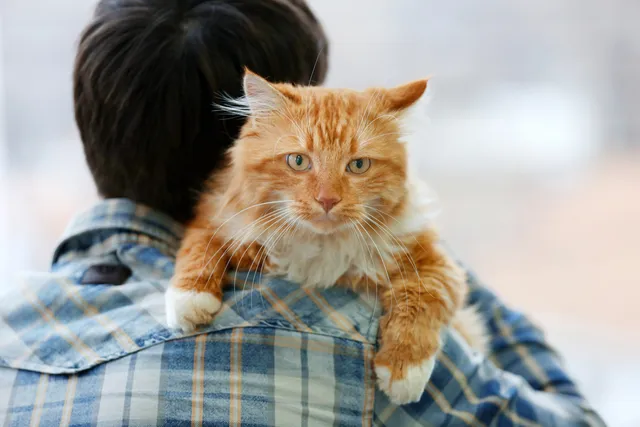
A Velcro cat exhibits an unwavering commitment to being your constant companion and will follow you throughout the house. This behavior stems from a deep attachment and the desire to be an active participant in your daily life. Your presence offers them a sense of security and connection.

2. They Love to Cuddle
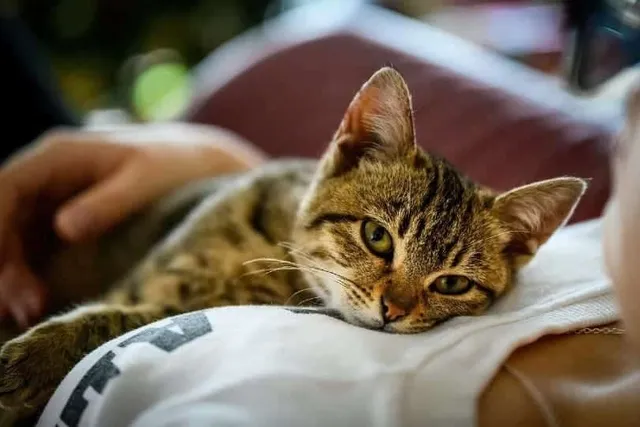
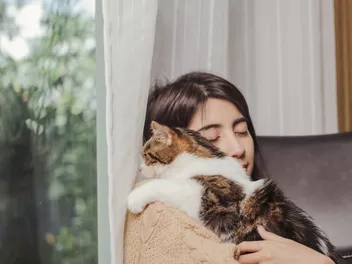
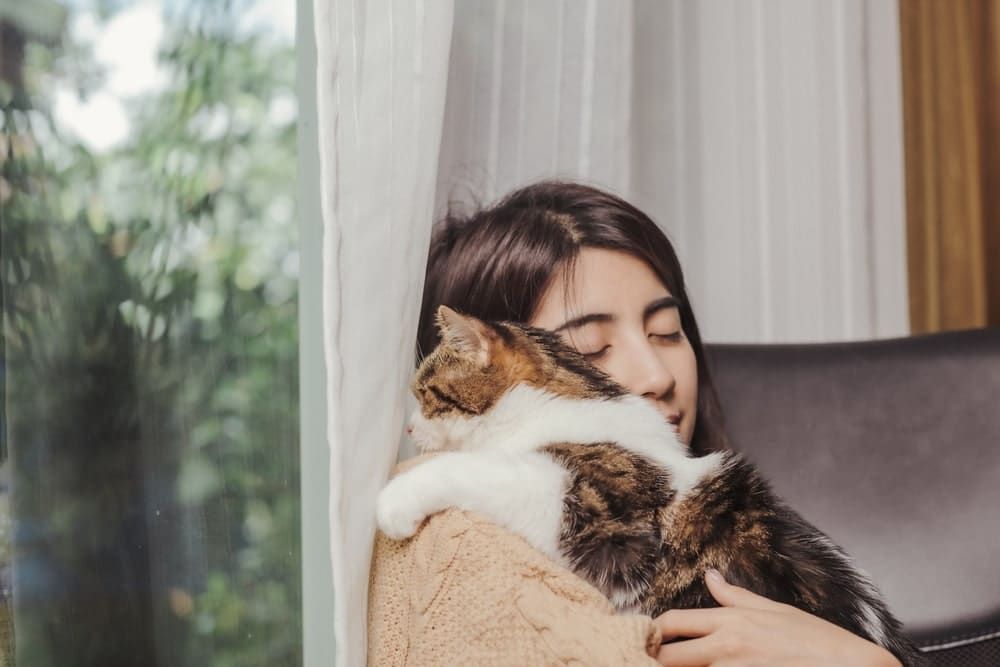
Velcro cats are constantly trying to get close to their owners and will often curl up to go to sleep next to them or right on them. This act of cuddling represents a profound need for intimacy and shared warmth. A Velcro cat’s eagerness to jump onto your lap or snuggle beside you reflects a strong emotional bond.
3. They Are Attention Seeking
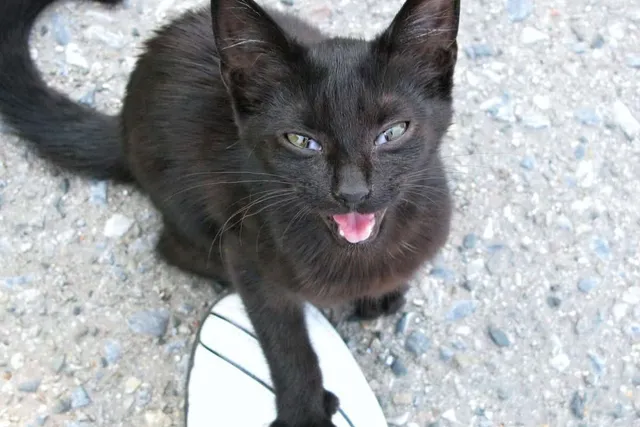
A Velcro cat actively seeks your attention as a means of affirming their place in your life. Their vocalizations, whether through meows or other sounds, serve as a communication tool expressing a desire for interaction and acknowledgment. Being left alone for extended periods may trigger separation anxiety and inappropriate behavior, underscoring their reliance on your presence.

4. They’re a Purring Machine
The frequent purring of a Velcro cat goes beyond a simple expression of contentment. It serves as an audible affirmation of their emotional connection with you. The continuous purring becomes a comforting soundtrack, reinforcing the harmony of the relationship between you and your pet.
5. They Give Affectionate Head Butts
The act of head-butting, or bunting, is a unique and intimate way that Velcro cats express their affection. As they bump and rub their head on you, they share identifying pheromones, marking you as a trusted and beloved member of their social circle.

6. They Seek Out Lap Time
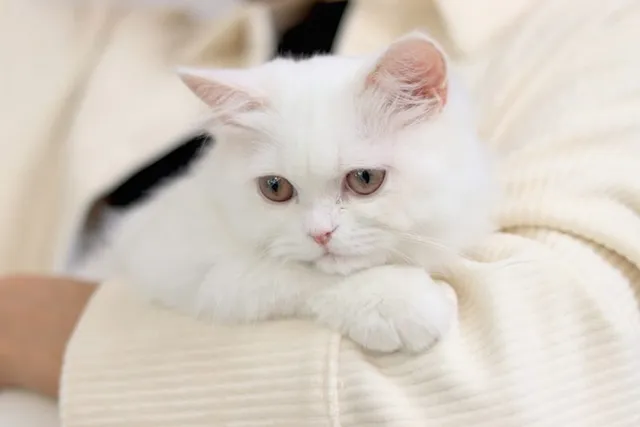
Seeking a place on your lap is a symbolic gesture of trust and reliance. The warmth and closeness offered by sitting on your lap can fulfill a need for physical connection.
7. They Have Grooming Rituals
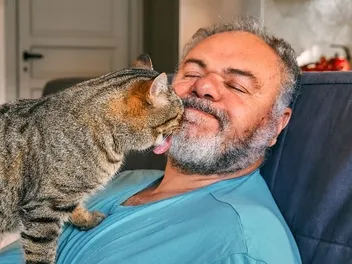
When Velcro cats engage in grooming behaviors, either by grooming you or seeking grooming from you, it’s about more than cleanliness. It becomes a way to reinforce and strengthen your bond.

8. They Demand Petting
Velcro cats will actively communicate their desire for physical touch. Whether through nudges, pawing, or rubbing against you, these actions are a deliberate expression of their need for affection.
9. They Exhibit Anxiety When You Leave
A Velcro cat often suffers from separation anxiety when you leave the house to go to work or run errands. They can often get extremely vocal and may turn to inappropriate behavior, like scratching up furniture or carpets and forgetting their house training. If your pet is showing signs of separation anxiety, we suggest you speak to a vet.
10. They Sleep Close By
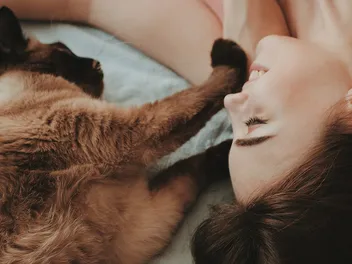
Choosing to sleep in close proximity to you, whether on the bed or a nearby cat bed, is a deliberate decision by a Velcro cat. It signifies a preference for shared rest, further reinforcing the emotional connection and dependency on your reassuring presence, even during periods of relaxation. The cat may even call you with meows when they feel that it’s time for bed.

How to Train Your Cat Not to Be Too Clingy
If your cat’s constant need for attention is becoming overwhelming, you can gently encourage more independence while still maintaining a loving relationship. Here are some effective strategies:
1. Encourage Independent Play
Provide your cat with interactive toys, puzzle feeders, and different types of scratching posts to keep them engaged when you’re busy. Toys that mimic prey, such as wand toys or battery-operated toys, can stimulate their hunting instincts and provide independent entertainment.

2. Establish a Routine
Cats thrive on predictability. Set specific times and routines for eating, play, and cuddle sessions so your cat learns when to expect attention. Gradually increase the time between interactions with them to help them feel secure even when you’re not available.
3. Use Positive Reinforcement
Reward your cat with treats, toys, or praise when they engage in independent activities. If they start meowing for attention, ignore them and wait until they settle down before giving them affection. This will teach them that calm behavior and patience is rewarded.
4. Provide a Comforting and Stimulating Environment
Create an enriched environment for your cat where they can also be distracted by the external world, such as a cat tree by a window so they can watch birds fly by. Offer your cat a warm bed with familiar scents, or a quiet area with boxes to play with. This can help reduce their reliance on your presence for comfort.

5. Avoid Reinforcing Clingy Behavior
It may be hard to avoid comforting your cat every time they seek your attention, but doing so can reinforce the behavior because even if it’s a negative response from you, it’s a response, and they know their behavior worked to get your attention. Instead, engage with them when they are calm and redirect them when they become overly clingy.
6. Consult a Veterinarian
If your cat’s clinginess is extreme or increasing, it may be due to anxiety due to environmental stressors or a health condition. A vet can help identify or rule out a medical cause and recommend behavioral strategies for your cat to become more comfortable when being alone. You can even discuss behavioral issues with a vet online at PangoVet.

Frequently Asked Questions (FAQ)
Are All Cats Velcro Cats?
No, not all cats are Velcro cats. Cat personalities vary widely, and some cats are more independent and less clingy than others.
Is It Normal for a Cat to Follow Me Everywhere?
While some cats are naturally more independent, others, particularly Velcro cats, may choose to follow their owners everywhere. It’s a sign of affection and a desire to be part of your daily activities. If there is a sudden change in your cat’s behavior and they are following you all the time when they didn’t before, it may indicate an underlying problem. Keep a close eye on them and pay attention to any other signs that might indicate a health problem. Get them checked out by your vet if you have any concerns.

Can a Cat Be Too Clingy?
While some owners appreciate the affectionate nature of Velcro cats, others may find it overwhelming. It’s essential to strike a balance and ensure that your cat’s behavior doesn’t indicate anxiety or other underlying issues.
Is It Possible to Train a Velcro Cat to Be More Independent?
It may be challenging to change a cat’s personality, but providing them with enriching activities and interactive toys and creating a secure environment can help satisfy a Velcro cat’s need for attention while promoting independence.
What If My Velcro Cat Suddenly Becomes Distant?
Any sudden change in behavior can indicate a health issue or stress. If your Velcro kitty's behavior changes unexpectedly, it’s advisable to consult with a veterinarian to rule out any underlying health concerns.
Are There Specific Breeds More Prone to Being Velcro Cats?
While personality traits vary among all cats, certain breeds are particularly well-known for their affectionate natures:
However, individual temperament plays a significant role, and not all cats of these breeds will be Velcro cats.
Are There Downsides to Having a Velcro Cat?
- Velcro cats may become overly dependent on their owners, which can lead to separation anxiety when they are not around.
- A Velcro cat tends to invade personal space and will follow you into the bathroom and the bedroom.
- Some Velcro cats have an insatiable need for attention and may meow or paw at their owners or engage in other attention-seeking behaviors, which can be demanding and disruptive.
- Velcro cats might develop problems with other pets because they demand your full attention and can get jealous when you spend time with the other pets in your home, which can lead to fights.
Summary
Signs of a Velcro cat include a strong desire for cuddling, seeking attention through vocalizations, frequent purring, anxiety when you leave, and a preference for sleeping close by. If your cat does many of these things, they are likely a Velcro cat. While some breeds, like the Ragdoll, Siamese, and Burmese, seem to produce Velcro cats more frequently, each cat is unique, and any breed might turn out to be a Velcro cat or, conversely, be more independent.
While these cats can be fun, they are also quite demanding, so consider your choice of purchasing one carefully, especially if you have other pets in the home.
See also:
Sources
Featured Image Credit: Wanwajee Weeraphukdee, Shutterstock
Expert cat care, straight to your inbox
News, insights, and useful advice, delivered to you.

No spam — unsubscribe anytime.
By signing up, you agree to our Terms & Conditions and Privacy & Cookies Policy.
How useful was this post?
Click a star to rate. You can leave written feedback afterwards. (We read all feedback.)
Ed Malaker is a veteran writer who has contributed to a wide range of blogs that cover tools, pets, guitars, fitness, and computer programming. When he’s not writing, Ed is usually performing DIY projects around the house or working in the garden. He’s also a musician and spends a lot of time helping people fix their guitars and composing music for independent films.