Can Cats Get Winter Blues? 5 Vet-Reviewed Facts & Care Tips


In this article
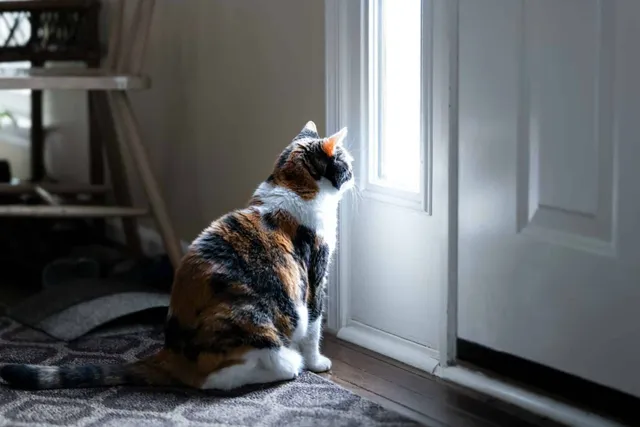
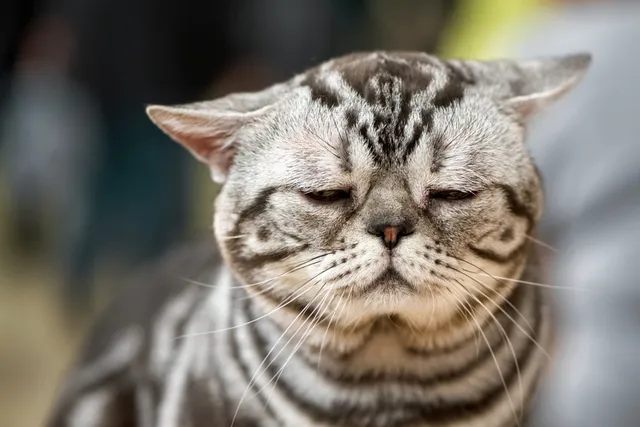
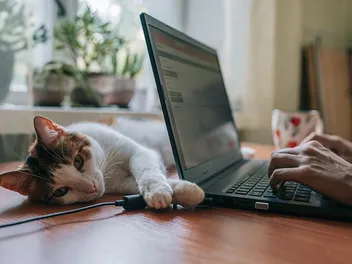
Almost everyone feels a bit down sometimes in the winter. However, the winter blues are more than just feeling gloomy. The medical term for this issue is seasonal affective disorder (SAD), and whether cats can experience it is debated by pet owners, however, there is no scientific evidence that cats can get the winter blues.
There isn’t a definitive answer because cats cannot tell us that they are feeling down. Many of the signs that we look for when humans have SAD cannot be discerned in cats.

Cats and the Winter Blues
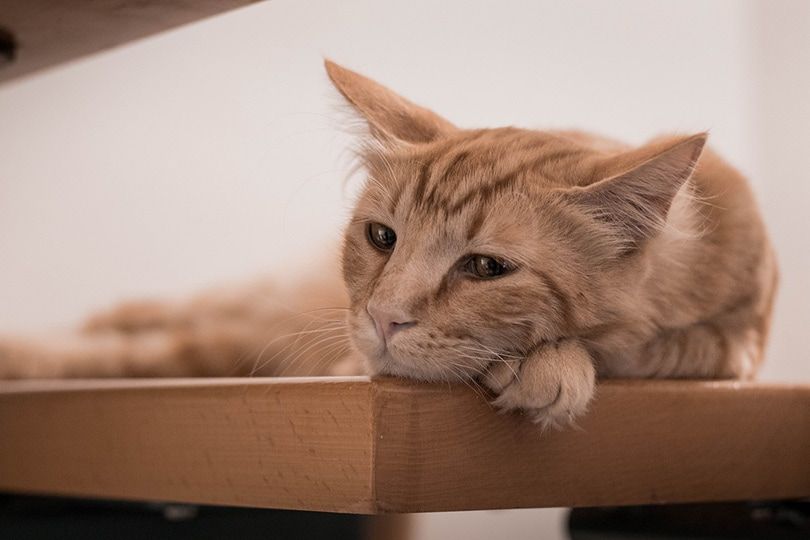
There is a certain amount of debate among pet owners when it comes to figuring out if cats can get the winter blues. For instance, many cat owners report changes in their feline during the winter months. They may be less active and have a slightly changed appetite. Some cats also play less. These are all signs of seasonal affective disorder ( in humans. However, these are completely normal signs of a cat trying to manage their body temperature in response to a cold environment. Though cats may show changes in behavior from a change in weather 1, seasonal changes aren’t as well studied.
Still, some people claim that there are other reasons why it makes sense for cats to be able to get seasonal affective disorder (S ). For instance, cat’s brains are affected by sunlight, which impacts brain chemicals. Shorter days and reduced sunlight may cause changes in our cat’s reproductive cycles, causing the “winter blues”. However, this too is pure speculation as the vast majority of the animal kingdom can have their reproduction cycles altered by the amount of sunlight they’re exposed to. This serves an important purpose of allowing animals to know when seasonal changes are on the way - a predator like a cat would likely want to mate when spring rolls around, because this would increase the availability of prey for their eventual litter of kittens.
Furthermore, there is no scientific evidence indicating that cats experience winter blues. There haven’t been any studies revolving around SAD in cats, so we don’t have any proof. Changes in behavior reported by owners may be the result of something else, or might be a case of hypochondriac individuals assuming their cats are experiencing the same issues as them.

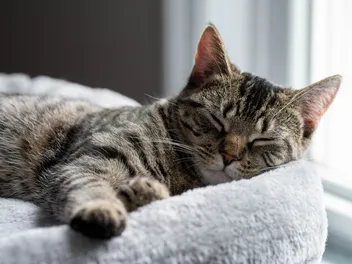
Cats also have different personalities. Some sleep quite a bit, while others do not. Therefore, determining what is “normal” and “abnormal” can be challenging. Just because your cat seems to be sleeping a great deal doesn’t necessarily mean they have the winter blues.
While we don’t know whether cats experience the winter blues, you should still be mindful of any significant changes in your cat’s behavior. Excessive sleepiness, loss of appetite, and withdrawal can all be signs of an underlying health condition. Cats often don’t act sick, so you may only notice a few behavioral changes that indicate that something is wrong.
The 5 Tips to Help Your Cats During Winter
If you do notice changes in your cat’s behavior during the winter season, here are things that you can do to combat it.
1. Visit the Vet
First, take your cat to the vet to ensure that they don’t have any underlying health problems. Don’t assume that your cat has a behavioral issue instead of a medical issue.
A vet can help you rule out any underlying health conditions. They may also have suggestions for how to help your cat remain more engaged and happier during the winter months. They can help you ensure that the “winter blues” aren’t causing any issues. For instance, a cat that is suddenly less active may gain weight, which can cause health problems.
If your cat gets a clear bill of health from a veterinarian, “winter blues” may just be something you’ve conjured up in your mind!
2. Provide Environmental Enrichment
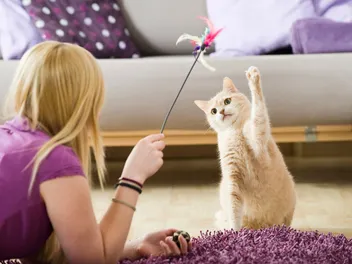
Sometimes, cats may spend more time lying around and less time playing because they’re bored. Even if your cat does have the “winter blues”, getting them moving and playing can combat this issue. Dedicating daily playtime to your feline can help. Consider using things like feather wands, automated toys, or other things your cat enjoys.
Try to play with your feline yourself for at least some of the day while also providing enough toys for them to play with when you’re unavailable. You should switch out toys regularly. This rotation will help keep your cat interested, as the toys will constantly seem “new.”
Many cats also like vertical adventures, so invest in a quality cat tree or multiple ones. It’s often best to have several smaller options instead of one big one. Cats often pick their favorite spot and climb to it each time; they often don’t use the whole tree. Cardboard boxes and tunnels can also encourage movement.
3. Provide Access to Warmth and Comfort
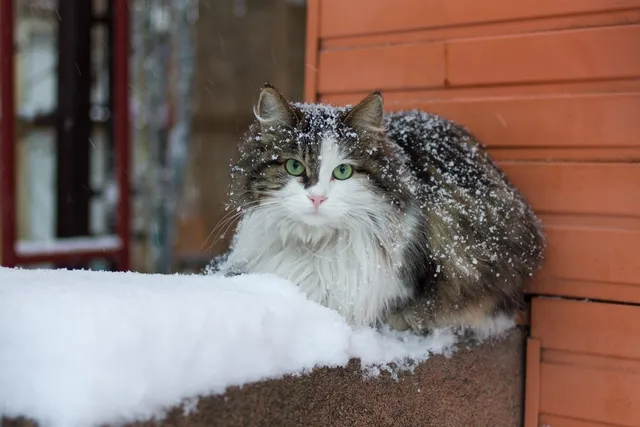
Many signs of the “winter blues” are caused by your cat getting too cold. We highly recommend providing plenty of cozy, warm sleeping areas around the house. A heated cat pad isn’t a bad decision if you live somewhere with a particularly cold climate. However, caution is advised as all wires associated with a heating product should be well out of your cat’s reach.
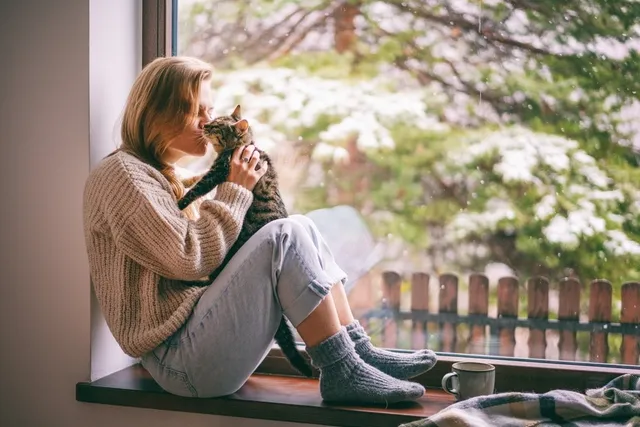
Of course, you should also consider your cat’s preferences. If your cat likes to lie in boxes, consider lining one with blankets. If your feline likes to stretch out, set up a cozy spot in a window.
Sunlight can help fight the “winter blues”, however, excessive exposure to sunlight is associated with some cancers in cats; this risk is higher in cats with white fur or cats with sparse or no fur. A better solution is to warm up your house to make it comfortable for your cat.

4. Provide Mental Stimulation
Cats need mental stimulation to stay happy and not bored. Unfortunately, many owners do not provide their cats with this type of stimulation. Toy variety can help, but you should also aim to provide other sources of mental stimulation beyond basic playtime.
Training is a great way to work your cat’s mind. Simple tricks like targeting or coming when called can keep your cat’s brain running. While cats aren’t as easily trainable as dogs, they do still benefit from simple training.
You can also make getting their food a bit more of a puzzle. Use puzzle feeders along with their usual food to encourage them to exercise their minds during meals. In the wild, cats would have to hunt for their food, so try to provide a similar experience in the home.
Catnip sachets and toys can help your cat engage their sense of smell while also getting entertainment out of it. Many cats respond favorably to catnip, and it may help in some instances. That said, catnip doesn’t affect all cats, so this is something that you’ll have to test out. In addition, some cats may respond unfavorably to catnip. Cats can also gain tolerance to catnip over time.
5. Keep Your Cat Healthy
The “winter blues” don’t typically have serious health effects on cats. However, in rare instances, felines may develop other problems during seasonal changes, especially if they aren’t eating or moving around enough. Keeping them healthy can help prevent these potential problems, even if it may not directly “cure” the winter blues.
Try to maintain a consistent schedule. Feeding and play times should ideally be regular. Ensure that your cat is eating enough and encourage movement each day. If your feline isn’t eating or moving around much, it is a sign to visit a vet.
By keeping your schedule consistent, you can pick up on potential problems easier. It also reduces your cat’s stress and provides a sense of security. Some overly sensitive cats are greatly affected by changes and stress. Too much stress can even lead to health issues for such individuals.
Don’t forget to give your cat attention. All cats require a certain amount of attention from their humans each day, even if they are on the more aloof side. Petting, brushing, and cuddling can provide your cat with the interaction and companionship that they need for their well-being and health.
Keeping a close eye on your cat’s behavior is vital. If you notice any significant changes, you should visit a vet right away. Underlying medical conditions can be hard to spot, but fast treatment is often necessary to prevent complications.

Conclusion
There is no sure proof that cats experience the winter blues or seasonal depression. It’s possible that they do; it’s just not something proven by current research. After all, we can’t ask cats how they’re feeling!
If your cat does seem to be experiencing something you would call “winter blues”, get them seen by a vet first. Felines are often good at hiding their illnesses, so you may only get a few unusual behaviors as signs that they don’t feel well. All the typical signs of seasonal depression in humans can also indicate physical pain in cats.
After your cat gets a clean bill of health, there is plenty that you can do to help them stay active and healthy in the winter months. Enrichment is essential, but keeping your cat warm and generally healthy can also be helpful.
Sources
Featured Image Credit: Dovapi| iStock, Getty Images Plus
Expert cat care, straight to your inbox
News, insights, and useful advice, delivered to you.

No spam — unsubscribe anytime.
By signing up, you agree to our Terms & Conditions and Privacy & Cookies Policy.
How useful was this post?
Click a star to rate. You can leave written feedback afterwards. (We read all feedback.)
Kristin is passionate about helping pet parents create a fulfilling life with their pets by informing them on the latest scientific research and helping them choose the best products for their pets. She currently resides in Tennessee with four dogs, three cats, two fish, and a lizard, though she has dreams of owning chickens one-day!