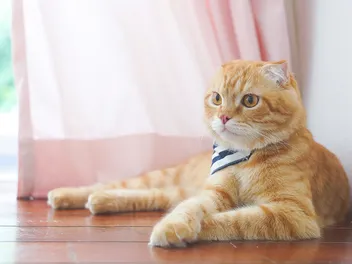
Are Scottish Fold Cats Affectionate? Vet-Verified Facts & FAQ


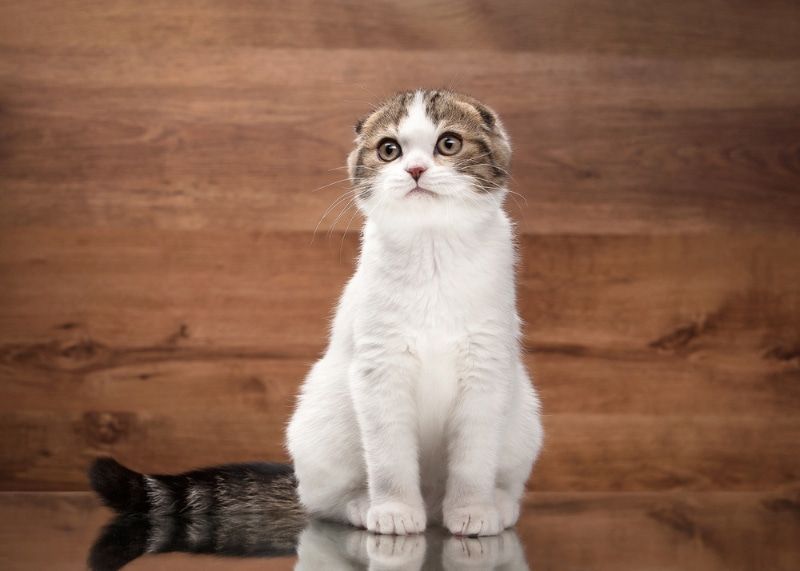
There are few things in this world that are better than having a pet to love, except maybe when that pet reciprocates your love and affection. Cats are one of the top pets when it comes to loving behaviors, especially with people they are comfortable and familiar with.
For people who want an affectionate cat, it’s important to choose the right cat breed. While each cat is different regardless of the breed, some breeds are known for being highly independent, while others are known for their affectionate nature. Where does the adorable and charming Scottish Fold fall? Well, Scottish Folds tend to be very affectionate in general.

Are Scottish Folds Affectionate?
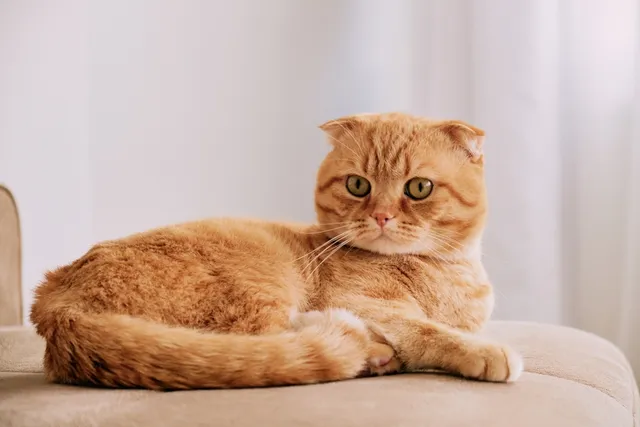
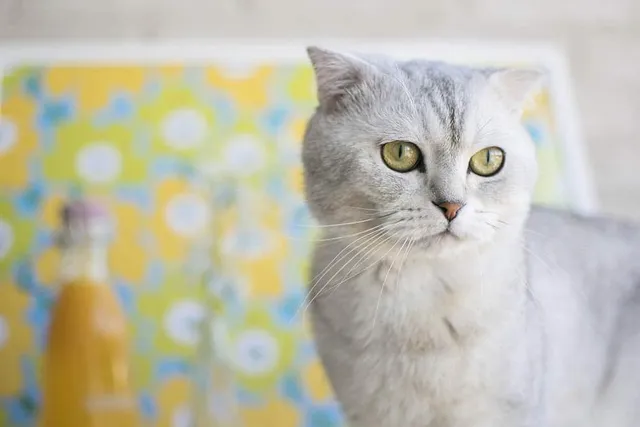
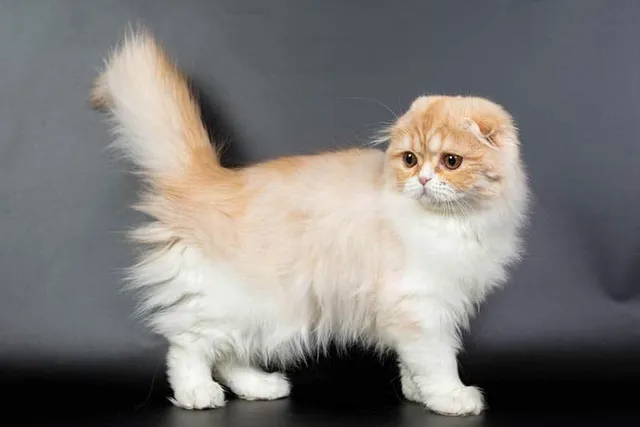
If you’re hoping for an outwardly loving cat, the Scottish Fold may be just right for you. Scottish Folds are known for their intelligent and affectionate nature. Households with multiple people are great for Scottish Folds because they tend to bond with all members of the household. While they do bond extremely strongly with one or two people, nobody will feel left out with a Scottish Fold around.
Although affectionate, the Scottish Fold is not known for being a “Velcro cat,” or one that constantly wants to stick by your side. They are also not known for attention seeking in ways that many consider obnoxious, like loudly meowing or aggressively interrupting activities.

Special Considerations with a Scottish Fold
According to major cat associations such as TICA (The International Cat Association) and the CFA (Cat Fanciers’ Association), Scottish Folds are known for their gentle, affectionate nature, but the breed also comes with important considerations that prospective owners should fully understand.
Scottish Folds often form strong bonds with one or two people rather than distributing their affection evenly among all household members. In multi-person households, this means some individuals—especially children—may not always be the cat’s preferred choice for handling or cuddling, so respecting the cat’s boundaries is essential.
Handling also requires special care. The folded ears and tail are affected by a genetic condition called osteochondrodysplasia, which can cause cartilage and joint abnormalities. As a result, some Scottish Folds may develop tail stiffness, reduced flexibility, or pain, particularly if handled roughly. For this reason, both TICA and CFA emphasize the importance of gentle handling, especially of the tail and ears, and educating children on appropriate interaction.
Finally, Scottish Folds are medium-sized, sturdy cats that can gain weight easily. Maintaining a healthy body condition is especially important for this breed, as excess weight can place additional strain on joints that may already be compromised. A complete and balanced diet, controlled portions, and regular play and exercise are key components of responsible Scottish Fold care.

Popularity and Breeding
The Scottish Fold is originally from Scotland; it’s a popular cat breed in the US, even to a greater degree than it is in its own home country. One thing that does hold this breed back somewhat, though, is the difficulty associated with breeding these cats. It’s important for breeders to select their breeding cats carefully to produce healthy offspring.
Scottish Folds are not bred with one another. For example, The International Cat Association (TICA) allows breeders to use British Shorthairs and American Shorthairs in their breeding programs to avoid the offspring from experiencing significant medical issues and physical deformities. Not all Scottish Folds have folded ears; those with normal ears are called Scottish Straight.
Conclusion
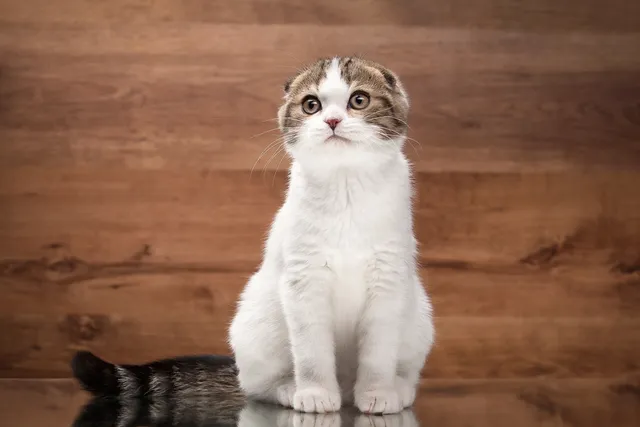
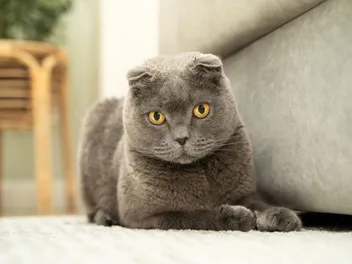
The Scottish Fold is a loving cat that often bonds closely to one or two people but shares its affectionate nature with almost everyone. It is a charming breed that is ridiculously cute with its little folded ears.
There are some safe handling and ownership considerations that should be taken before bringing one of these cats home. Ideally, you should only get a Scottish Fold from a breeder who understands the safe and responsible breeding practices of these cats.
See Also:
Sources
Featured Image Credit: Pxhere
Expert cat care, straight to your inbox
News, insights, and useful advice, delivered to you.

No spam — unsubscribe anytime.
By signing up, you agree to our Terms & Conditions and Privacy & Cookies Policy.
How useful was this post?
Click a star to rate. You can leave written feedback afterwards. (We read all feedback.)
Brooke Billingsley, a former veterinary assistant for nine years, became a nurse in 2013. She lives in Arkansas with her boyfriend of five years, surrounded by her beloved pets: three dogs, two cats, five fish, and two snails. Brooke has a soft spot for special needs animals, caring for a three-legged senior dog and a widely known cat with acromegaly and cerebellar hypoplasia. She has developed a keen interest in fish keeping and is always learning how to provide the best environment for her aquatic pets. In addition to her passion for animals, Brooke enjoys gardening and maintains a vegetable garden during the summer. She stays active with yoga and received her 200-hour yoga teacher certification in 2020. Brooke also hosts a podcast that delves into folklore and myth, dedicating her spare time to research and writing. She embraces the philosophy that every day is an opportunity for learning and growth, continually working to acquire new skills and knowledge.