Get

In Your Inbox

Catster is reader-supported. When you buy via links on our site, we may earn an affiliate commission at no cost to you. Learn more.

Why Is My Cat Drooling Thick Saliva? 12 Vet-Reviewed Reasons & Treatment

Share

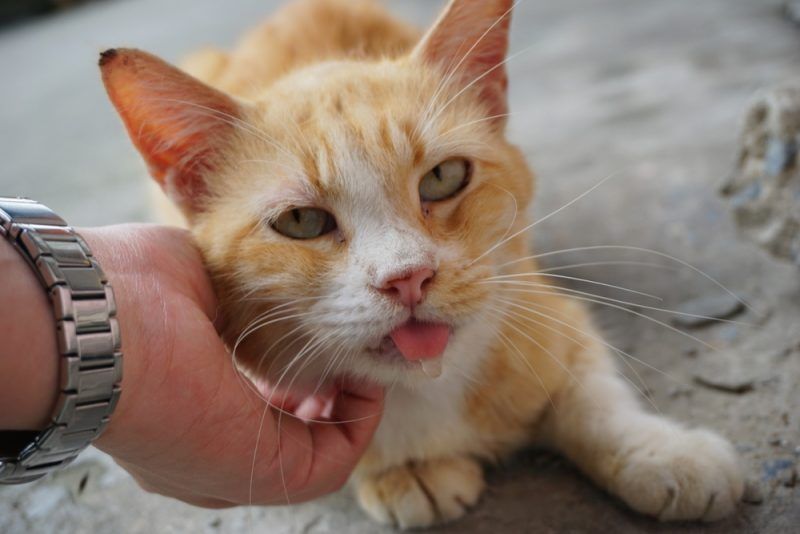
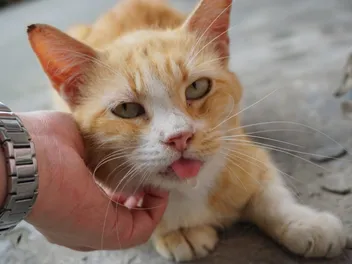
Orange cat drooling

Cats are fascinating creatures, often leaving us in awe with their peculiar habits and quirky behaviors. However, as a cat owner, you might be alarmed to see thick saliva dripping from your feline’s mouth, making you wonder if it’s a cause for concern or just another quirk to add to the list. In this article, we delve deep into the topic and provide you with 12 possible reasons behind your cat’s drooling, along with helpful tips on addressing the issue and ensuring your cat’s well-being.

divider cats oct 2024

The 12 Reasons Your Cat May Drool Thick Saliva

1. Dental Problems

Dental issues, such as gingivitis, periodontal disease, or tooth decay, can cause thick saliva and drooling in cats. These problems can result from a lack of proper oral hygiene, genetics, or other underlying health conditions.

To help prevent dental problems, ensure that your cat receives regular dental checkups and cleanings with a veterinarian. Additionally, practice good oral hygiene at home by brushing your cat’s teeth regularly using a cat-specific toothbrush and toothpaste.

However, if you notice any signs of discomfort, bleeding, foul breath, or difficulty eating, consult a vet immediately.

They may recommend treatment options based on the specific dental issue, which could include:
  • Dental cleanings: Professional dental cleanings under anesthesia can help remove plaque and tartar buildup, addressing early-stage dental problems before they progress.
  • Tooth extractions: In cases of severe tooth decay or advanced periodontal disease, a vet may recommend extracting the affected teeth to alleviate pain and prevent further complications.
  • Prescription medication: a vet may prescribe antibiotics, anti-inflammatory drugs, or pain relief medications to treat infections, reduce inflammation, and manage pain associated with dental problems.

2. Foreign Objects

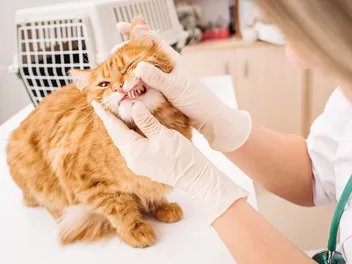
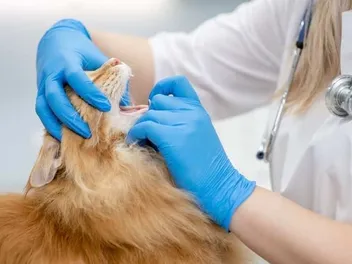
Veterinarian examining cat's teeth and mouth
Image By: De Jongh Photography, Shutterstock

Cats are curious creatures, and sometimes they may accidentally ingest a foreign object, like a piece of string, a small toy, or even a bone fragment, which can become lodged in their mouth, throat, or stomach. This can cause excessive drooling, gagging, and discomfort.

If you suspect your cat has ingested a foreign object, seek veterinary assistance promptly. The vet may perform a physical examination, X-ray, or endoscopy to diagnose the problem and determine the location of the object.

Depending on the severity and nature of the issue, the vet may recommend appropriate treatment, such as:
  • Manual removal of the object: If the object is visible and easily accessible, the vet may attempt to remove it using forceps or other specialized tools.
  • Endoscopic removal: If the object is lodged farther down the throat or in the esophagus, the vet may use an endoscope to retrieve it without resorting to surgery.
  • Surgical intervention: In severe cases where the object cannot be removed using less invasive methods, surgery may be necessary to remove the foreign body and repair any damage caused by the obstruction.
  • Medication: The vet may prescribe medications to manage pain, reduce inflammation, or treat any secondary infections resulting from the foreign object.

Always monitor your cat’s behavior and environment closely to minimize the risk of foreign object ingestion, and take prompt action if you suspect a problem.


3. Oral Injuries

Injuries to the mouth, such as cuts, burns, or ulcers, can lead to your cat drooling thick saliva. These injuries can result from various causes, including chewing on sharp objects, exposure to hot surfaces, or even rough play with other pets. Keep an eye out for any signs of injury, such as reluctance to eat, pawing at the face, or visible wounds in the mouth.

If you suspect a problem, consult a vet promptly.

They may recommend treatments based on the type and severity of the injury, which could include:
  • Pain relief: Over-the-counter or prescription pain relievers may be recommended to help alleviate discomfort and reduce inflammation.
  • Antibiotics: If there is a risk of infection or if the injury is already infected, a vet may prescribe antibiotics to treat the infection and prevent complications.
  • Wound care: The vet may provide instructions on cleaning and caring for the wound to promote healing. This may include using antiseptic rinses or applying topical ointments.
  • Soft diet: Temporarily feeding your cat a soft, easily chewable diet can help minimize irritation and discomfort while the injury heals.

4. Poisoning

Many substances toxic to cats can cause excessive drooling, such as certain houseplants (e.g., dieffenbachias or azaleas), insecticides, rodenticides, or cleaning products. Keep these items out of your cat’s reach and familiarize yourself with common hazards in your home.

If you suspect poisoning, contact a vet or an emergency animal poison control center immediately.

Depending on the toxin involved, a vet may recommend treatments such as:
  • Administering activated charcoal: This can help absorb the toxin and prevent further absorption into the bloodstream.
  • Inducing vomiting: In some cases, inducing vomiting may be recommended to help expel the toxin from your cat’s system.
  • Providing supportive care: Intravenous fluids, oxygen therapy, or medication to manage signs may be necessary to help your cat recover.

5. Nausea

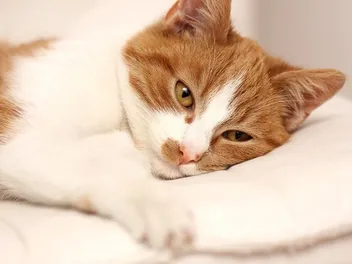
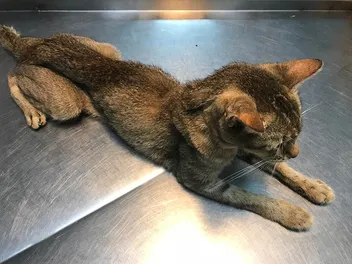
tired or sick cat lying on bed
Image Credit: Prystai, Shutterstock

Just like humans, cats can experience nausea, which may result in your cat drooling thick saliva. This could be due to gastrointestinal issues (e.g., gastritis or inflammatory bowel disease), motion sickness, side effects from medications, or other underlying health conditions like kidney or liver disease.

Monitor your cat’s behavior, and consult a vet if the problem persists.

Based on their assessment, they may recommend:
  • Dietary changes: Switching to a bland, easily digestible diet or feeding smaller, more frequent meals may help reduce nausea.
  • Anti-nausea medication: a vet may prescribe medications to help alleviate nausea and vomiting.
  • Further diagnostic tests: If the cause of nausea is unclear, a vet may recommend additional tests, such as blood work, X-rays, or an ultrasound, to determine the underlying issue and develop an appropriate treatment plan.

6. Upper Respiratory Infections

Cats suffering from upper respiratory infections (URIs) may experience thick saliva and drooling due to congestion and irritation in their nasal passages. Common causes of URIs in cats include feline herpesvirus, feline calicivirus, and bacterial infections like Chlamydophila felis or Bordetella bronchiseptica. If you notice signs like sneezing, coughing, discharge from the eyes or nose, lethargy, or loss of appetite, seek veterinary care as soon as possible.

a vet may recommend treatment options based on the specific cause of the infection.

These treatments may include:
  • Antibiotics: If a bacterial infection is suspected, the vet may prescribe antibiotics to help eliminate the bacteria and resolve the infection.
  • Antiviral supplements: Supplements with antiviral properties may be recommended to help manage the signs and speed up the cat’s recovery.
  • Supportive care: Ensuring that your cat stays well-hydrated, providing a comfortable and warm environment, and using a humidifier to help relieve congestion can all contribute to a more comfortable recovery process.
  • Sign management: Over-the-counter saline drops or prescription medications may be recommended to help alleviate nasal congestion and discomfort.

7. Stress and Anxiety

Cats experiencing stress or anxiety may drool as a coping mechanism.

To help reduce stress levels and create a calm, safe space for your cat, consider the following strategies:
  • Comfortable hiding spots: Provide cozy, quiet places for your cat to retreat when they feel stressed or overwhelmed.
  • Regular playtime: Engaging your cat in interactive play sessions can help reduce stress and provide mental stimulation.
  • Calming pheromone diffusers: Products like Feliway mimic natural feline facial pheromones, which can help create a calming environment and reduce stress.
  • Consistent routine: Maintaining a consistent daily routine for feeding, playtime, and grooming can help your cat feel more secure and relaxed.
  • Minimizing environmental stressors: Identify potential stressors in your cat’s environment, such as loud noises or other pets, and work on minimizing their impact.

8. Heatstroke

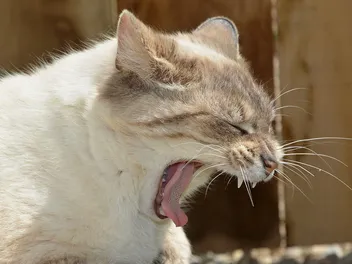
Orange cat drooling
Image Credit: Ling_Chen, Shutterstock

Heatstroke can cause excessive drooling and thick saliva in cats, as their bodies struggle to regulate temperature during hot weather.

To prevent heatstroke, take the following precautions:
  • Access to cool, shaded areas: Ensure that your cat has plenty of places to escape the heat, both indoors and outdoors.
  • Fresh water: Provide your cat with access to clean, fresh water at all times to help them stay hydrated.
  • No direct sunlight: Keep your cat indoors during the hottest parts of the day, and close curtains or blinds to block out direct sunlight.
  • Good ventilation: A fan or window that provides good ventilation can help lower their body temperature
  • Cooling mats: Consider providing a cooling mat or damp towel for your cat to lie on if they seem to be struggling with the heat.

If you suspect your cat is experiencing heat stroke, move them to a cooler environment immediately and seek veterinary care. Signs of heat stroke may include panting, rapid heartbeat, vomiting, diarrhea, or lethargy. Prompt treatment is essential to prevent serious complications or even death.


9. Feline Stomatitis

Feline stomatitis, also known as lymphocytic plasmacytic stomatitis, is an inflammatory condition that affects a cat’s mouth and gums, causing pain, redness, and swelling. This discomfort often leads to your cat drooling thick saliva and not eating. It may also make it difficult for your cat to eat, groom themselves, or even close their mouth properly. If left untreated, feline stomatitis can lead to severe oral pain, weight loss, and a decreased quality of life.

If you suspect your cat is suffering from feline stomatitis, it’s crucial to consult a veterinarian for a proper diagnosis and treatment plan. a vet will likely perform a thorough oral examination, which may include dental X-rays, to assess the extent of the inflammation and rule out other potential causes of your cat’s signs.

Based on the diagnosis, the veterinarian may recommend a combination of treatments to manage feline stomatitis effectively.

These treatments may include:
  • Dental cleanings: Regular professional dental cleanings under anesthesia can help remove plaque and tartar buildup, which may contribute to inflammation and discomfort.
  • Medications: Anti-inflammatory drugs or immunosuppressive medications may be prescribed to help reduce inflammation and alleviate pain. Antibiotics may also be recommended if there is a secondary bacterial infection present.
  • Pain management: The vet may prescribe pain-relief medications to keep your cat comfortable during the treatment process.
  • Dietary changes: Switching to a soft, highly palatable, and hypoallergenic diet may help reduce irritation in your cat’s mouth and promote healing. The vet can recommend appropriate food options based on your cat’s specific needs.
  • Oral hygiene: Maintaining good oral hygiene at home, such as regular tooth brushing or using dental chews and water additives, can help prevent further inflammation and promote overall oral health.
  • Surgical intervention: In severe cases, the vet may recommend surgical intervention, such as tooth extractions, to alleviate pain and inflammation associated with feline stomatitis.

10. Medications

Certain medications can cause thick saliva and drooling in cats as a side effect. For example, drugs like certain antibiotics, pain relievers, or sedatives may lead to increased salivation. If you suspect your cat’s medication is causing excessive drooling, it’s important to discuss alternative options with a vet.

a veterinarian may recommend adjusting the dosage of the current medication, which could help reduce the side effects without compromising its effectiveness. In some cases, they might suggest switching to a different medication altogether, which may have fewer side effects or be better suited to your cat’s specific needs.

It’s important to remember that you should never adjust your cat’s medication dosage or switch medications without consulting a veterinarian first. They are best equipped to determine the most appropriate course of action based on your cat’s medical history, the specific medication being administered, and the severity of the side effects.


11. Neurological Disorders

veterinarian holding a cat
Image Credit: Prostock studio, Shutterstock

Neurological disorders, including seizures or nerve damage, can result in excessive drooling in cats. These disorders may affect your cat’s ability to control their salivation, swallow, or even close their mouth properly. If you notice any unusual behaviors or signs, such as sudden loss of balance, muscle tremors, difficulty walking, or uncontrolled eye movements, consult a vet for further evaluation.

The veterinarian may perform a series of diagnostic tests to determine the underlying cause of the neurological disorder. These tests could include blood work, X-rays, MRI or CT scans, or even a cerebrospinal fluid analysis, depending on the severity and nature of the signs. Once a diagnosis is made, the vet will recommend appropriate treatments based on the specific condition affecting your cat.

Treatment options for neurological disorders may vary widely, depending on the cause and severity of the condition. In some cases, medication may be prescribed to help manage the condition, such as anti-seizure drugs for cats with epilepsy or medications to reduce pain and improve nerve function in cats with nerve damage. In other cases, supportive care, physical therapy, or lifestyle modifications may be necessary to help your cat maintain a good quality of life.


12. Neoplasia or Tumor

Just like humans, cats are also prone to cancer. Squamous Cell Carcinoma is the most common type of oral tumor in cats. Drooling may be observed when a cancerous mass develops involving the tongue or the back of the throat. Other signs include bleeding, pawing at the mouth, and pain when eating. It usually has a poor prognosis especially if the tumor has spread. Treatment would usually be invasive, including full surgical excision which is difficult due to the location.

divider cats oct 2024

Conclusion

Understanding the potential reasons behind why your cat’s drooling thick saliva all of a sudden can help you take appropriate action to address the issue. Whether it’s making environmental adjustments, seeking veterinary care, or exploring home remedies, acting promptly and responsibly is essential for your feline’s well-being. Keep in mind that excessive drooling is a sign that something is going on with your pet. By staying vigilant and working closely with a veterinarian, you can ensure that your cat receives the best possible treatment, even when faced with unexpected challenges.

Related Reads:


Featured Image Credit: Ling_Chen, Shutterstock

Want content like this delivered to you?

Sign Up For Our Newsletter

News, insights, expert advice, and everything cat

* By submitting, you agree to our Terms & Conditions and Privacy & Cookies Policy.


How useful was this post?

Click on a star to rate (you can leave written feedback after clicking submit)

Help us improve Catster for pet parents!

Your feedback really matters.

What did you like about this post? Also how can we improve it?

Join the conversation

Leave a Reply

You’re very welcome to leave a comment or question. Please know that all comments must meet our community guidelines, and your email address will NOT be published. Let’s have a positive and constructive conversation.


Catster's Digital Magazine is Back!

Vet-approved health & behavior advice

Real cat stories & community features

Weird Cat Behaviors That Actually Make Perfect Sense

We have been sharing our lives with cats for thousands of years, yet we still find ourselves genuinely stumped by what they get...

The Dream of Talking to Cats Just Got Closer to Becoming a Reality

If you’ve ever wished your cat could simply tell you what they wanted, you’re not alone. From the meow that wakes you before...

Kizzy: The Feline Princess With a Purpose

We were first introduced to Miss Kizzy after she won a licky-treat challenge hosted by Professor Fluffovich, our resident feline research specialist. While...

Chatting With Sally About Mission Meow & Helping Cat Rescue Organizations Collaborate | Chatty Cattys, Episode 24

In this episode of Catster’s podcast, Chatty Cattys, Nicole and Dr. Karyn sit down with Sally Williams, the founder of Mission Meow, for...

More related

9 Best Dematting Tools for Cats in 2026 – Reviews & Top Picks

Keeping your feline healthy and happy is your top priority, but are you brushing your cat’s hair every week? Cat owners often disregard...

Can Cats Eat Jell-O? Vet-Approved Nutrition Advice

Cat parents are always on watch when it comes to what their kitties eat. As a responsible owner, you need to ensure that...

Why Is My Spayed Female Cat Yowling? 6 Vet-Reviewed Reasons & Solutions

If you’ve recently had your female cat spayed, you might’ve thought it would remedy her yowling. Once several weeks have passed, your cat...

Why Do Cats Hold Their Mouths Open? 9 Vet-Approved Reasons

Cats have a special relationship with their five senses, which is partly behind the question of “Why do cats keep their mouth open?”...

Keep reading

Can Cats Eat Chicken? Vet Approved Facts & FAQ

Your cat probably loves chicken. Most cats usually do. It is found in a lot of cat food, both canned and dry, and in cat treats, but perhaps you’re wondering if it’s okay for you to slip your cat some...

Can Cats Eat Chicken

Why Does My Cat Sit and Sleep on My Desk? 8 Possible Reasons

Cats are interesting animals, which is one reason why they’re enjoyed as household companions by humans from all walks of life throughout the world. One quirk that many cats have is a fascination with sitting on our desks whether we’re...

Young man using laptop at table with cute cat

Can a Cat Detect Bed Bugs? Vet-Reviewed Facts & FAQ

Cats have extraordinary eyesight and sense of smell and are well-known to excel at hunting. Many cat owners have also witnessed their cat catching a fly in midair! But if cats are such great hunters, including tracking down tiny spiders,...

young tortoiseshell and white norwegian forest cat lying in bed

Spay/Neuter Complications in Cats: What Vets Want You to Know

Your cat’s spay appointment is booked. You’ve arranged time off work, prepped a quiet recovery space, and bought one of those cone collars they’ll definitely hate. You know this surgery is the right call—it prevents unwanted litters, cuts down on...

vet checking a cat's stomach

Why Do Cats Sleep in a Ball? 3 Vet-Reviewed Reasons

There’s something delightful about watching your cat sleep while curled up into a tight fluff ball. They look so sweet and serene, and it’s amazing how their supple bodies can sleep comfortably in this position. If you have ever wondered...

cat sleeping on the patio

How to Treat a Burned Cat Paw Pad: 6 Vet-Approved Tips

Given how curious, fearless, and agile they are, cats have a way of getting into things that they shouldn’t. Add the fact that cats love warmth but cannot distinguish dangerous hot surfaces from safe ones, and you have a recipe...

vet checking up tabby cat

9 Best Cat Foods for Irritable Bowel Syndrome (IBS) in 2026: Reviews & Top Picks

Occasional diarrhea is common in housecats. However, if your cat keeps displaying symptoms of digestive distress, it should be cause for concern. IBS can result from several causes that include stress, neurological issues, and parasites. Dietary intolerances and sensitivities in...

cat eating food from the bowl

Can Cats Eat Mulberries? Vet-Reviewed Facts & FAQs

Mulberries are sweet fruits that range in color from red to deep purplish-black. For humans, the health benefits of mulberries are touted far and wide, but what about for cats? Good news: According to the ASPCA, mulberries are not toxic...

Can Cats Eat Mulberries

Love Cats? So Do We! Join the Catster Community

Stay informed with expert pet care insights delivered straight to your inbox! Discover professional guidance on animal behavior, feeding tips, trusted product picks, and much more.


Sign up for the Catster Email Newsletter

Stay informed with expert pet care insights delivered straight to your inbox! Discover professional guidance on animal behavior, feeding tips, trusted product picks, and much more.