My Cat Is So Skinny I Can Feel Their Bones: Should I Worry? Vet-Reviewed Advice


In this article
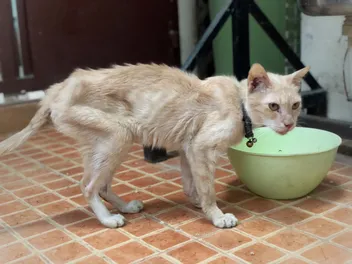
Many of us are so used to seeing large and overweight cats that it can be surprising to see a cat that is thin. That means it can be difficult for many people to determine if their cat is too thin. Maybe your cat has lost weight as they’ve aged, or maybe they suddenly seemed to be skin and bones one day. If you’re unsure if you should be concerned about your cat’s body condition, here’s what you need to know. The short answer to the question is yes, you should be concerned if your cat is noticeably skeletal or has rapidly lost a significant amount of weight.

My Cat Is Skin and Bones! Should I Be Worried?
With a healthy cat, you should be able to lightly feel their ribs without being able to see them. You may also be able to feel the tops of the hip bones or parts of the spine, but there should be a layer of muscle and fat tissue over these bones, so they should not be visible.
If your cat’s skull appears thin, bony, and sunken, this is also absolutely cause for concern. In short-haired cats, you will likely be able to see their bones protruding if they become excessively thin. In long-haired cats, it can be much trickier, so become well acquainted with the way your cat’s body feels so you can notice if they start to feel too thin.
There are multiple diseases and conditions that can cause a cat to lose a significant amount of weight and become severely underweight. Some of them can even make your cat hungrier, but they don’t gain weight. Malnutrition, malabsorption, cancer, thyroid disease, kidney disease, diabetes, and other serious conditions can all cause your cat to lose weight and develop a dangerously low body condition score.

How Do I Know If My Cat’s Weight Is Healthy?
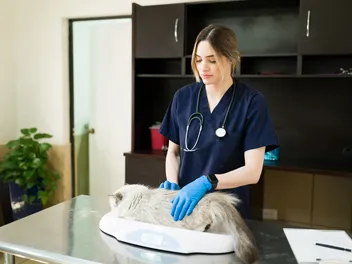
The best way to determine if your cat’s body weight is appropriate is a combination of looking at them, feeling them, comparing their current weight with their previous weight, and getting your vet involved. The cat body condition score is a widely used chart that breaks down a cat’s weight into one of nine categories. A score of 5 is considered ideal, while 7 is above ideal. Anything below 4 is considered too low, with a score of 1 being extremely and dangerously underweight.
This scale is used by veterinarians, based on a hands-on exam of the cat, to determine if the cat’s body weight is healthy. If your cat is scored 1–4, your vet will advise diagnostic tests to investigate the reason.

How to Help a Cat Gain Weight
If your cat is underweight due to a medical condition, it’s vital that you consult with a vet before making any changes to their diet. There are many nutritional considerations with a variety of diseases, and suddenly switching your cat to a food because it’s high in fat, calories, or protein could exacerbate your cat’s medical condition.
If your cat is underweight due to malnutrition, which is common in cats that have recently been adopted or that were taken from hoarding situations, slowly introducing food and increasing feeding frequency and quantity is needed. When you come across a bony animal, the immediate reaction is to want to feed them a large amount of food. However, this can lead to refeeding syndrome, which can do far more harm than good. Ensure that you contact a vet regarding the best feeding strategy for your recently adopted cat.
The slow introduction of small meals throughout the day is typically recommended to help a malnourished cat gain weight. The meals may increase in size over time, but large meals and large quantities of food should be avoided, especially in the beginning stages of reversing malnutrition. It’s best to work with a vet who can guide you through the process of getting your cat back to a healthy body weight. It can be overwhelming and confusing to do alone!

In Conclusion
Understanding how to assess your cat's body condition score and detect changes in it will allow you to seek help early if your cat loses weight in an unexplained way.
Certain diseases that increase your cat’s appetite (and sometimes thirst) can also make your cat lose weight, so even if they are still eating normally, there might be reason to worry if they don’t keep their weight or even feel skinnier. When cats rapidly lose body weight, especially if they were overweight to begin with, they can develop lipidosis, which can lead to liver failure and death.
It’s extremely important for you to familiarize yourself with the look and feel of your cat’s body. This will allow you to pick up on weight loss while the change is still subtle, instead of missing weight loss until your cat is very ill. If you’re unsure if your cat’s body weight is healthy, check out the cat body condition score chart and contact your vet. If you think your cat is dangerously thin, they should immediately see a vet.
Related Read:
Sources
Featured Image Credit: Poto69, Shutterstock
Expert cat care, straight to your inbox
News, insights, and useful advice, delivered to you.

No spam — unsubscribe anytime.
By signing up, you agree to our Terms & Conditions and Privacy & Cookies Policy.
How useful was this post?
Click a star to rate. You can leave written feedback afterwards. (We read all feedback.)
Brooke Billingsley, a former veterinary assistant for nine years, became a nurse in 2013. She lives in Arkansas with her boyfriend of five years, surrounded by her beloved pets: three dogs, two cats, five fish, and two snails. Brooke has a soft spot for special needs animals, caring for a three-legged senior dog and a widely known cat with acromegaly and cerebellar hypoplasia. She has developed a keen interest in fish keeping and is always learning how to provide the best environment for her aquatic pets. In addition to her passion for animals, Brooke enjoys gardening and maintains a vegetable garden during the summer. She stays active with yoga and received her 200-hour yoga teacher certification in 2020. Brooke also hosts a podcast that delves into folklore and myth, dedicating her spare time to research and writing. She embraces the philosophy that every day is an opportunity for learning and growth, continually working to acquire new skills and knowledge.