Get

In Your Inbox

Catster is reader-supported. When you buy via links on our site, we may earn an affiliate commission at no cost to you. Learn more.

Why Does My Cat’s Water Bowl Get Slimy? 3 Likely Reasons


Share

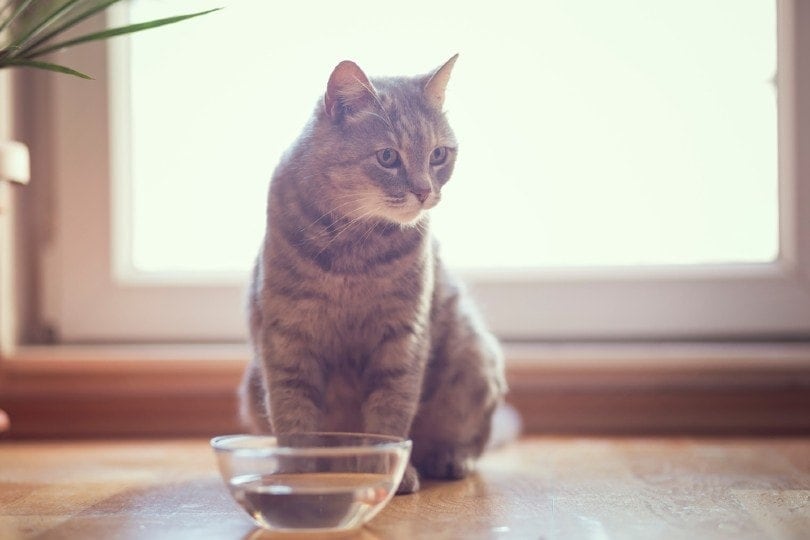
tabby cat sitting next to a bowl of water

The dog’s water bowl may be one of the dirtiest items in the house, but a cat’s water bowl can get pretty disgusting, too. If you’ve noticed your kitty’s drinking vessel looking a little slimy these days, have you ever wondered why?

In this article, we’ll cover three likely reasons your cat’s water bowl gets slimy that go from having old water in the bowl to a lack of cleaning. We’ll also let you know if the slime is dangerous to you or your cat and how to prevent it from building up.

divider cats oct 2024

The 3 Reasons Your Cat’s Water Bowl Gets Slimy

1. Old Water

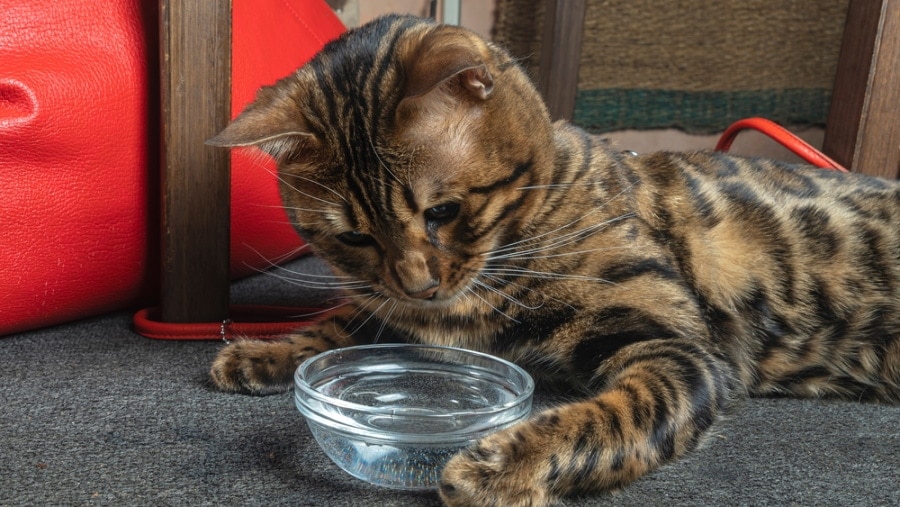
bengal cat with a bowl of water
Image Credit: kalyanby, Shutterstock

If the water in your cat’s bowl goes unchanged for too long, the bowl can become slimy. Dogs drink so much water that you have to refill it often. Ideally, cats should drink 3.5-4.5 ounces of water per 5 pounds of body weight each day.

If the bowl holds 8 ounces of water, a 10-pound cat should just about empty it each day. However, many cats don’t drink enough water, especially if they eat canned food, which supplies much of the liquid they need. Under those circumstances, it’s easy for the water to get old as it sits out for long periods, which increases the chances of the bowl getting slimy.

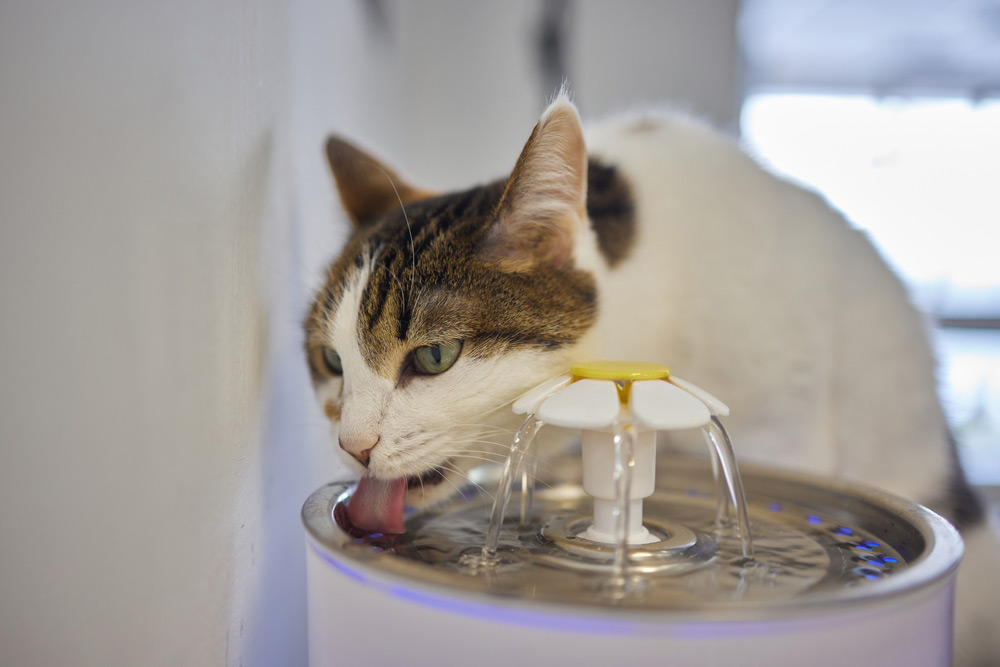
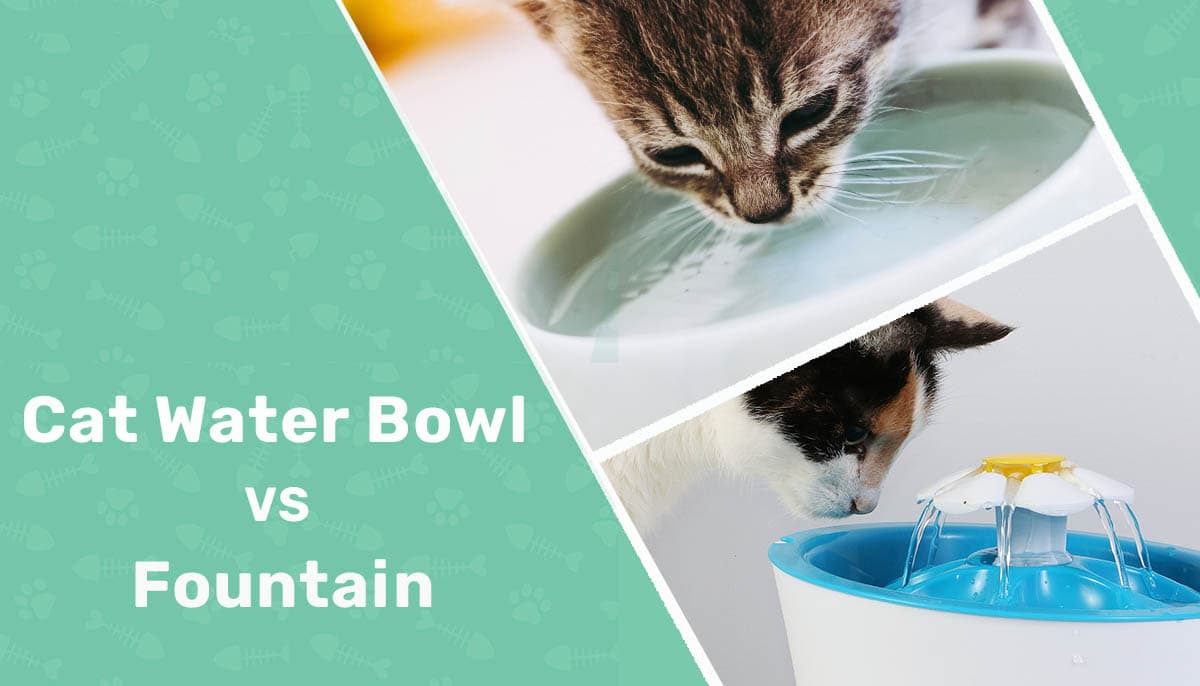
Solution: Give your cat fresh water daily, no matter how empty the bowl is. To encourage your cat to drink, consider purchasing a cat water fountain. Many cats enjoy drinking moving water more than stagnant water. You could also ask a vet if adding broth or tuna juice to your cat’s water is okay to make it taste more flavorful.

Need veterinary advice but can't get to the clinic? Catster recommends PangoVet, our online veterinary service. Talk to a vet online and get the answers and advice you need for your cat without having to leave your living room — all at an affordable price!

PangoVet_Mention-in-Content for PangoVet2 save money


2. Bowl Hasn’t Been Washed

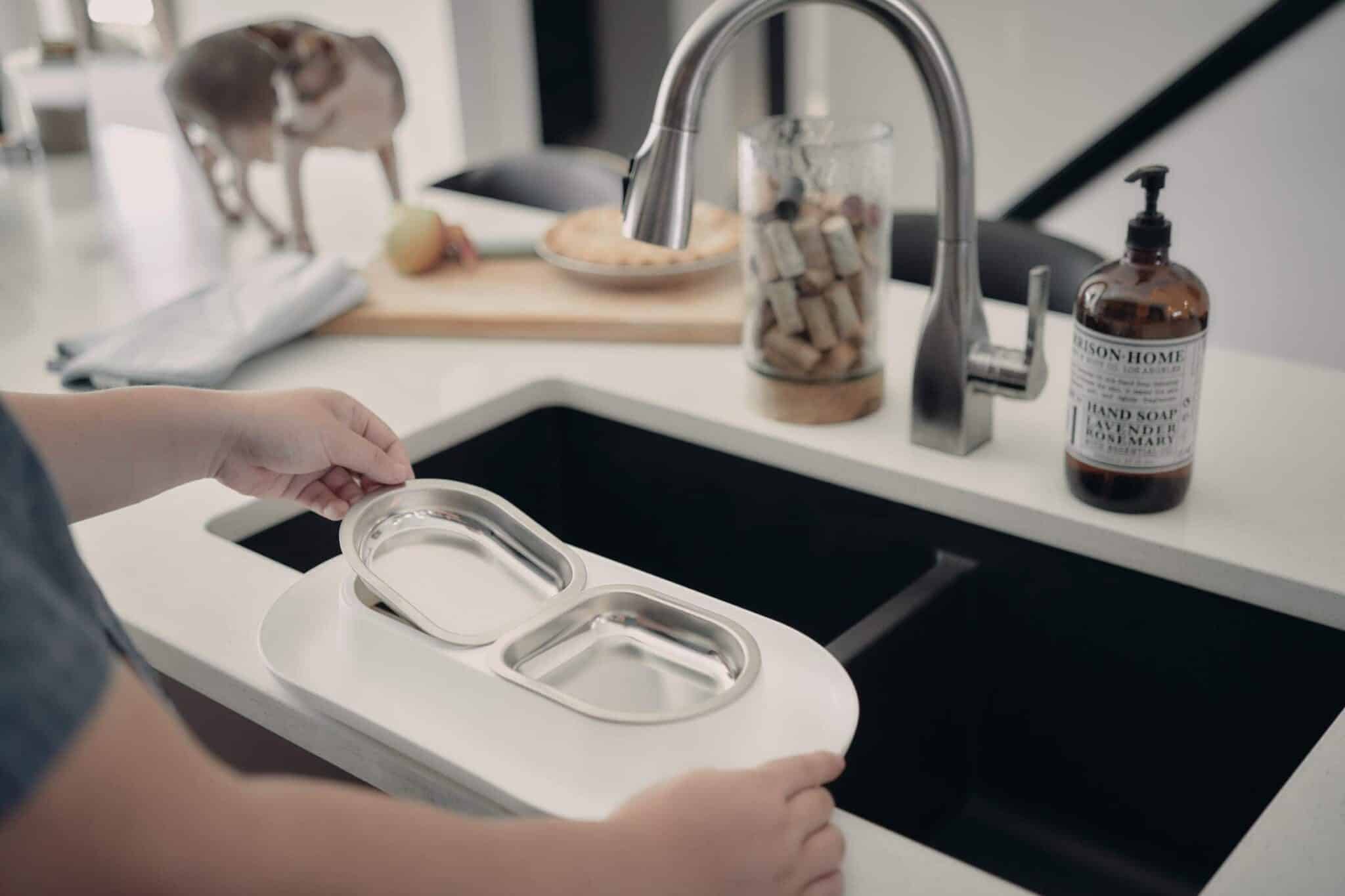
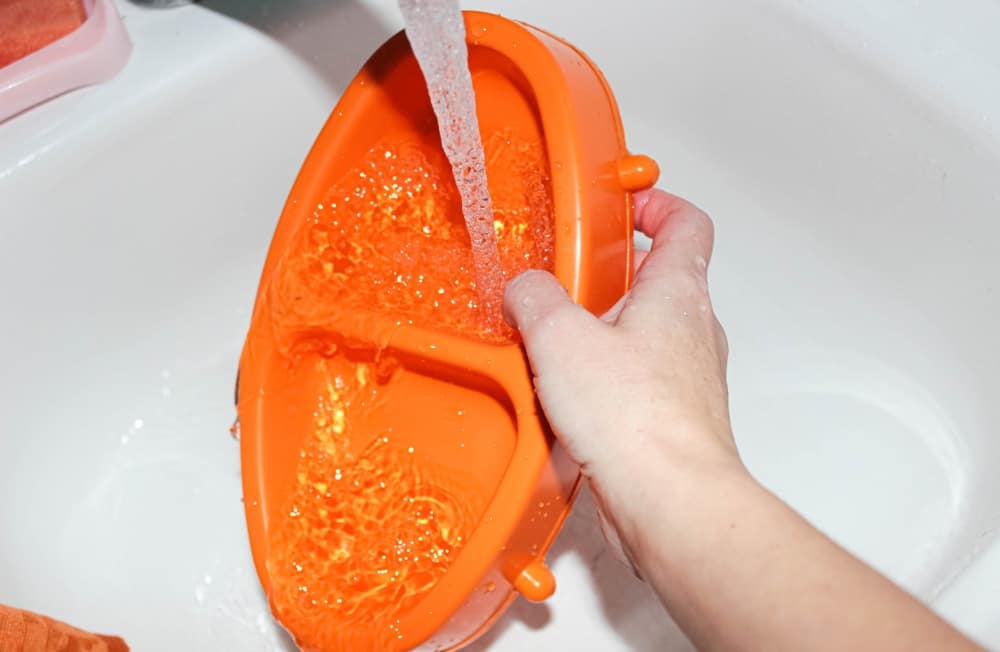
hepper nom nom cat food bowl wash sink

You would not expect your dishes to stay clean if you never washed them, would you? Your cat’s water bowl is no different. If you don’t wash it, it will get slimy. If your cat eats wet food, you probably already wash your kitty’s food bowl frequently to remove crusted, smelly leftovers.

It might not be as easy to remember to clean the water bowl, but it’s just as important. Dirty bowls can impact the flavor of the water, making your cat less likely to drink.

Solution: Wash your cat’s water bowl at least once a week. To make your life easier, look for dishwasher-safe bowls. If you hand wash the bowl, use hot water and regular dish detergent, but rinse it thoroughly.


3. Biofilm

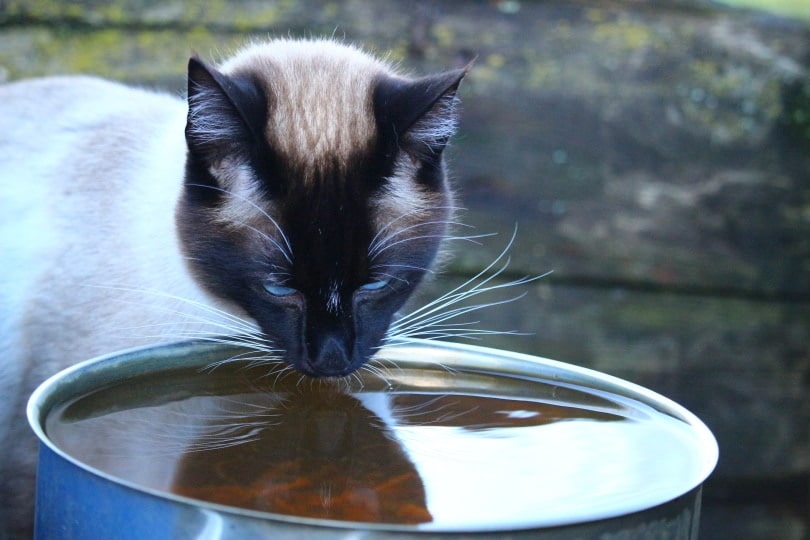
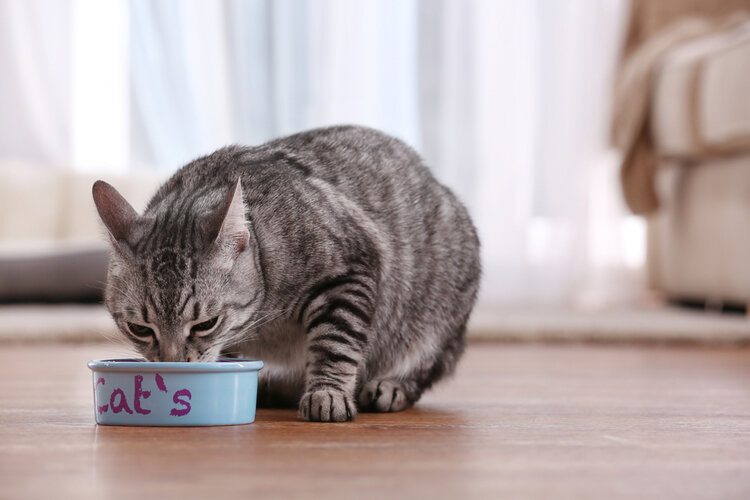
grey cat drinking water from bowl
Image Credit: Prilutskiy, Shutterstock

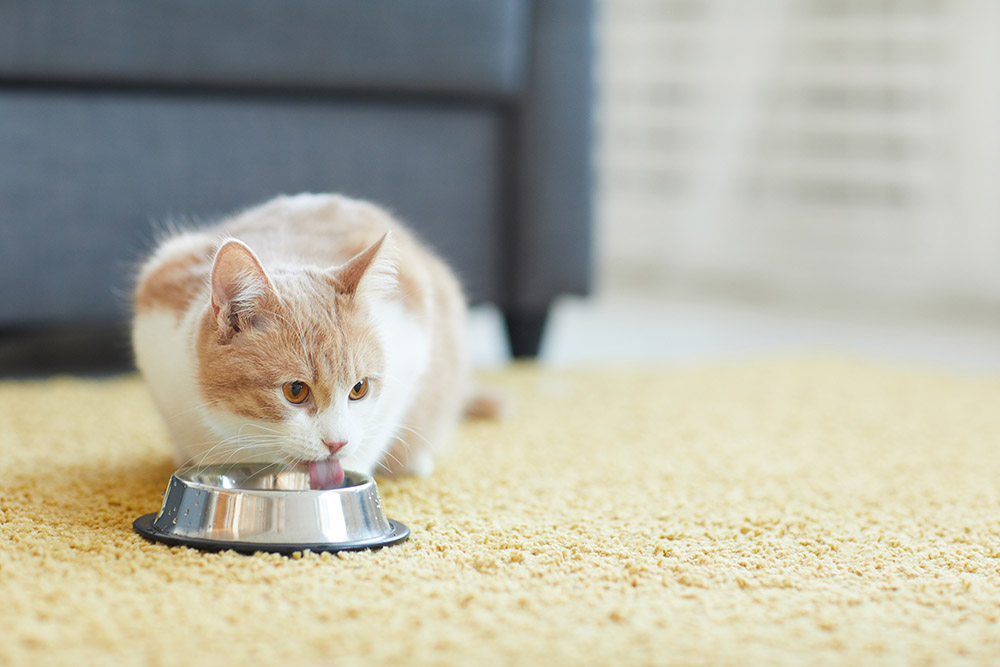
Over time, the combination of dirty water, lack of cleaning, and your cat’s saliva can develop biofilm, which is a slimy coating on the water bowl. A biofilm develops from multiple types of bacteria floating around your cat’s bowl. The organisms bind together, forming a slime that sticks to surfaces like the water bowl.

Both harmful and beneficial bacteria may be present as part of the biofilm, and the possibility of dangerous organisms means you should not take any chances with the slime build-up.

Solution: Frequent wiping and washing of the water bowls will keep biofilm from taking hold. We already mentioned washing the bowl at least once a week, but even a quick wipe with a paper towel can keep biofilm slime from developing. Stainless steel water bowls are more resistant to biofilm.

divider cat faces 2 oct 2024

Is the Slime in the Water Bowl Dangerous?

Unfortunately, the biofilm in your cat’s water bowl can harbor dangerous bacteria. E. coli, Listeria, and other organisms can cause illnesses in humans and cats.  Studies of biofilm found that plastic bowls developed the most bacteria, while ceramic bowls spawned the most dangerous strains of bacteria, including antibiotic-resistant strains.

The longer you use the same water bowl, the higher the chance that dangerous slime could develop, especially if you neglect your cleaning regimen.

divider cat paws 2 oct 2024

Conclusion

Slimy cat water bowls may be unpleasant, but they are also easy to avoid. Now that you know the three likely reasons for the slime, you can keep your cat’s water bowl shiny and sanitary. If you use a water fountain instead of a bowl, you will need to be extra diligent to prevent slime from developing because it contains more parts than a simple bowl. Slime in your cat’s bowl can be a source of dangerous bacteria, so be proactive in fighting back.


Featured Image Credit: Impact Photography, Shutterstock

Want content like this delivered to you?

Sign Up For Our Newsletter

News, insights, expert advice, and everything cat

* By submitting, you agree to our Terms & Conditions and Privacy & Cookies Policy.


How useful was this post?

Click on a star to rate (you can leave written feedback after clicking submit)

Help us improve Catster for pet parents!

Your feedback really matters.

What did you like about this post? Also how can we improve it?

Join the conversation

2 Responses

  1. I have the hepper stainless steel water bowl for my cat. I clean it regularly, changing the filters more often than recommended due to the slime. I also use natural spring water in her bowl. the slime just keeps showing up. I have done erything suggested above and there is the slime withing 2-3 day of cleaning the bowl and changing filters. any other reason for slime so quickly or suggestions to minimize or eliminate the slime?

    1. That slime is biofilm — bacteria fed by the minerals in spring water and seeded by your cats’ saliva, especially inside the pump and plastic parts.
      We recommend switching to filtered or boiled-then-cooled tap water, and give the pump a weekly vinegar soak + scrub to break it down. Hopefully this helps!

Leave a Reply

You’re very welcome to leave a comment or question. Please know that all comments must meet our community guidelines, and your email address will NOT be published. Let’s have a positive and constructive conversation.


Catster's Digital Magazine is Back!

Vet-approved health & behavior advice

Real cat stories & community features

Chatting About the Rainbow Bridge, Euthanasia, and Laughter During Grief | Chatty Cattys, Episode 24

If you’ve ever felt the loss of a beloved cat, or are dreading the day when your pet crosses the rainbow bridge, you’ll...

The Simple Reasons Cats Refuse to Let Anyone Use the Bathroom Alone

Cats have an extraordinary talent for making themselves present in the most inconvenient places, and the bathroom ranks near the top of the...

A Paw-sitive Milestone: Canada Officially Becomes a Declaw-Free Nation

Canada has officially become a declaw-free nation. On May 25, 2026, a new regulation was filed in Ontario under the Provincial Animal Welfare...

The Surprisingly Simple Ways to Help a Cat With Hairballs

Cats spend an astonishing amount of time grooming. It is part hygiene routine, part comfort ritual, and part instinct that traces back generations....

More related

Can Cats Eat Mealworms? Vet-Reviewed Diet Facts & FAQ

You’ve probably seen your cat trying to catch a bug before and maybe even eating one. A few insects may cause your cat...

Special Kitty Cat Food Review of 2026: Recalls, Pros & Cons

Special Kitty Cat Food Review Summary Walmart is known for many things. It sells affordable products that allow regular people to make ends...

12 Types of Cat Accessories for Your Fabulous Feline

Owning a cat means pampering your precious feline with accessories to keep them looking fabulous, all while staying hydrated, fed, and entertained. But...

Maine Coon Kittens for Sale in Florida: Breeders List 2026

Catster advocates for adopting before shopping, though we fully understand that there are many reasons for seeking a breeder. So, we encourage it...

Keep reading

What Cleaning Products Are Safe for Cats? 10 Vet Approved Items to Keep at Home

Cleaning when you have cats can be a worrying business. Common cleaning agents like ammonia, chlorine (bleach), phenols, rubbing alcohol, formaldehyde, benzalkonium chloride, and essential oils can all be harmful to cats if they come into contact with them. If...

cleaning-a-dirty-mattress

Can Cats Eat Mustard? Vet-Verified Risks & Precautions

A cat sneaking a taste of the turkey sandwich you accidentally left on the counter can seem harmless until you consider everything that might be in it. While many toppings like lettuce or mayo may be safe for cats to...

Catster_Can Cats Eat Mustard_v1_Dec 4 2024

Does Dry Cat Food Cause Urinary Problems? Vet-Reviewed Precautions & Prevention Tips

You may have read conflicting information about whether or not dry cat food causes urinary problems. The truth is, urinary problems are the result of a combination of things, potentially including the diet. In this post, we’ll address how a...

vet holding sick cat

Can Cats Eat Stevia? Vet-Reviewed Facts & FAQ

These days, you can find many different types of zero-calorie sweeteners and sugar substitutes. Each type has different compositions, so some may be safe for your cat to eat while others can be toxic. Stevia is a plant-based sweetener that...

Can Cats Eat Stevia

Is Pine-Sol Safe for Cats? Vet-Reviewed Health Facts

Most cat owners are aware of the harmful effects that pine oil can have on cats and avoid using products that contain it. Pine-Sol is a popular multi-surface cleaner, and while it still does have “pine” in its name, most...

Catster_Is Pine-Sol Safe for Cats

How Far Apart Can Kittens Be Born? Vet Verified Facts

The amount of time a cat is in labor varies, but most kittens can be born between minutes to about an hour apart. Sometimes, mother cats can go into interrupted labor and stop straining between 24 to 36 hours before...

mother cat and its kittens

Can Cats Eat Spaghetti? Vet Reviewed Facts To Know!

It’s totally normal for loving pet owners to want to share their favorite foods with their feline companions. In many cases, this is a relatively harmless practice, though sometimes, it can be quite detrimental to your cat’s health. Spaghetti isn’t...

Can Cats Eat Spaghetti

Can Cats Eat Blackberries? Vet-Reviewed Facts & Safety Information

Unlike dogs, cats are extremely fussy eaters, so you don’t often have to worry about them chowing down on something they are not supposed to. Some cats will surprise you, though, and they’ll eat things you wouldn’t think they’d like—such...

Can Cats Eat Blackberries

Love Cats? So Do We! Join the Catster Community

Stay informed with expert pet care insights delivered straight to your inbox! Discover professional guidance on animal behavior, feeding tips, trusted product picks, and much more.


Sign up for the Catster Email Newsletter

Stay informed with expert pet care insights delivered straight to your inbox! Discover professional guidance on animal behavior, feeding tips, trusted product picks, and much more.