Get

In Your Inbox

Catster is reader-supported. When you buy via links on our site, we may earn an affiliate commission at no cost to you. Learn more.

Does Lime Kill Fleas on Cats? Vet Reviewed Effectiveness & Safety Explained


Share

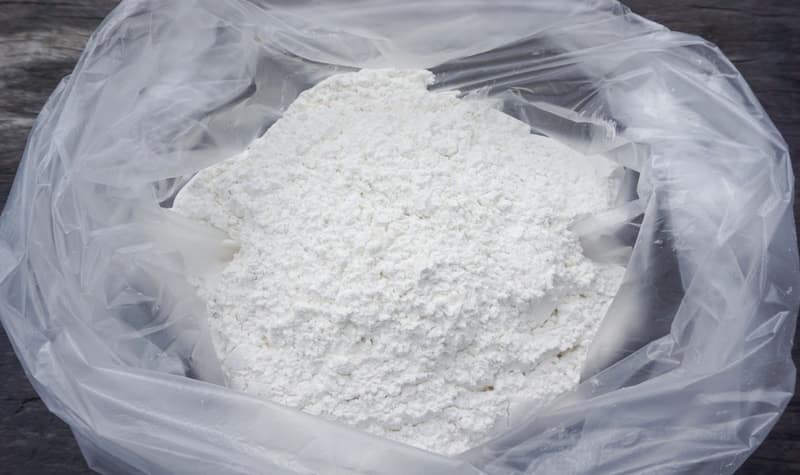
Lime inside plastic bag

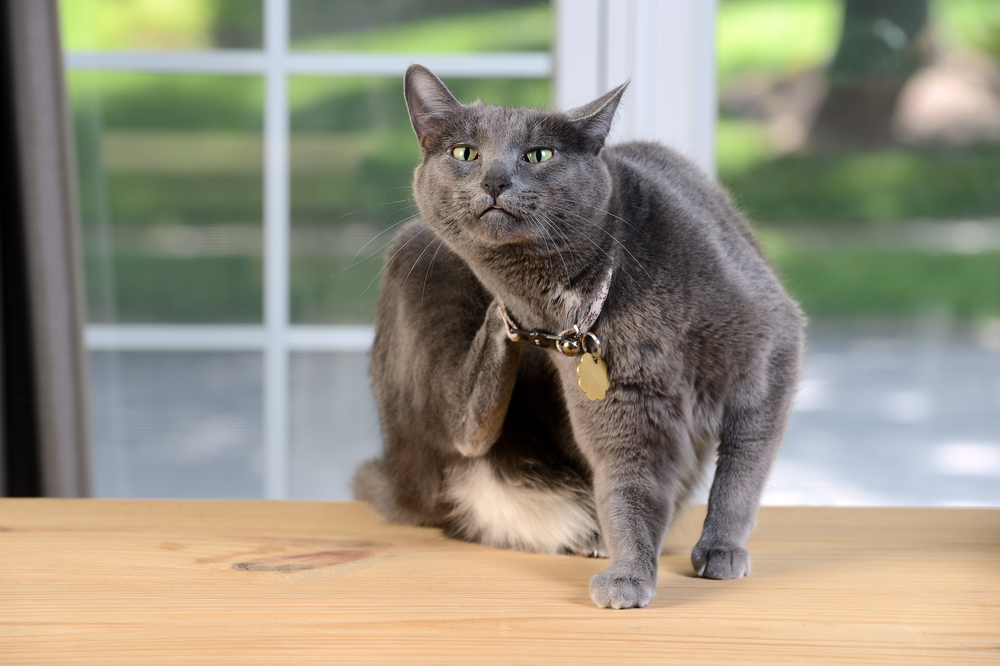
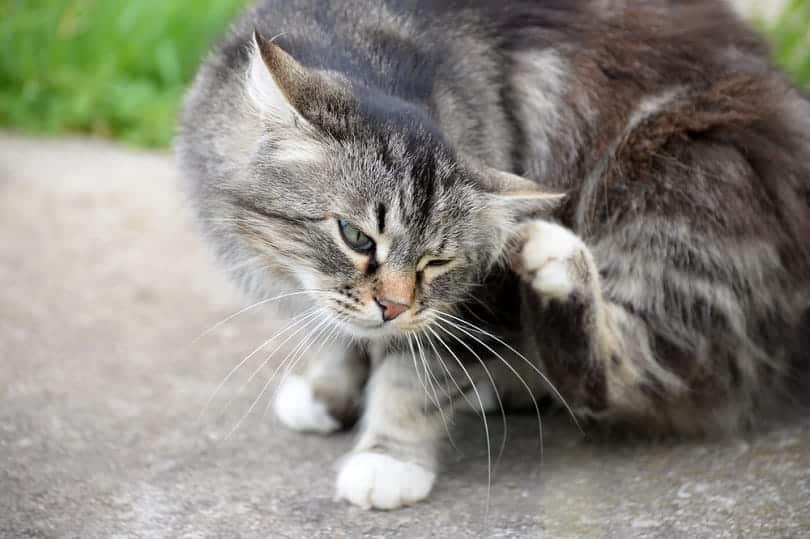
Fleas can make your cat’s life miserable and yours a nightmare as you try to fight the infestation. Those searching for non-pesticide products to kill fleas might wonder if lime is an effective alternative. While lime may be somewhat effective against fleas, it won’t necessarily kill them and should never be applied or used around your cat.

In this article, we’ll discuss using lime to kill fleas and the potential dangers to your cat. We’ll also provide tips to fight flea infestations that should be more effective than lime.

divider cats oct 2024

What Is Lime?

Lime is the common term for various products manufactured from limestone, including quicklime, hydrated lime, and garden lime. These products have several purposes, including building materials, soil treatments, and insect repellants. Lime consists primarily of calcium compounds, such as calcium carbonate and calcium oxide.

Limestone powder and garden soil
Image By: FotoHelin, Shutterstock

Is Lime Effective Against Fleas?

Lime in various forms has been used for years to repel agricultural pests and treat mite infestations in livestock. However, there’s only limited research regarding its effectiveness. One study from 1992 found that hydrated lime worked against one type of insect but was ineffective against others, like aphids 1.

According to the USDA, lime sulfur dips effectively control mites and other insects on livestock 2. Again, this research does not explicitly address the effectiveness of lime against fleas, nor did any of them study the use of the product on cats.

If used to treat your yard, lime may be helpful over time in treating fleas, but it is unlikely to do the job independently. In addition, it may damage your lawn or garden plants.

Is Lime Safe for Cats?

In addition to its questionable effectiveness, lime presents several safety concerns for cats. Garden and dolomitic lime, made of calcium carbonate, can cause digestive upset in pets if ingested.

Quicklime and hydrated lime are corrosive and can cause chemical burns if they contact your cat. Lime dust can cause respiratory irritation if inhaled. Lime is unsafe for cats, and they should not be allowed outdoors if you treat your yard with it.

Sick sad cat lying on the bed
Image Credit: Zhuravlev Andrey, Shutterstock

divider cats oct 2024

Tips for Treating Fleas on Your Cat

To effectively treat fleas on your cat, you need to eliminate all flea life cycles, including the adult insects on your pet and the eggs and immature stages living in the environment. You must treat all the pets in the house, regardless of whether they go outside.

The most effective way to kill fleas on your cat is to use a product recommended by your veterinarian. They are generally available as pills or topical products applied to the skin. Flea collars and shampoos are less effective, as are over-the-counter products.

In addition to killing the fleas on your cat, you’ll need to battle the bugs in your home and yard. Otherwise, the fleas will hatch from their eggs, mature, and return to your cat. Talk to a pest control specialist to recommend other products to kill fleas in your yard and inside your house if needed.

You should wash your cat’s bedding in hot water or replace it. Frequent vacuuming is an effective tool for reducing the number of fleas, in addition to other measures. Pay close attention to vacuuming cracks and baseboards, which are popular spots for fleas to lay eggs. Empty the canister or throw away the vacuum bag outside your house after each cleaning session.

It can take months to eradicate a flea infestation, and the most effective technique for treating the pests in your yard and home is to contact a professional pest control company and your veterinarian.

applying flea treatment to cat
Image Credit: Csaba Deli, Shutterstock

divider cats oct 2024

Conclusion

Research is limited on the effectiveness of lime in killing fleas on cats. Because of its safety concerns, lime is not recommended for treating fleas. Preventing flea infestations is always easier than treating them, so talk to your veterinarian to find an effective product. Fleas carry diseases and internal parasites in addition to the itching associated with their bites. If your cat is infested with fleas, visit your veterinarian first for an effective treatment.

Related Reads:


Featured Image Credit: OTP art, Shutterstock

Want content like this delivered to you?

Sign Up For Our Newsletter

News, insights, expert advice, and everything cat

* By submitting, you agree to our Terms & Conditions and Privacy & Cookies Policy.


How useful was this post?

Click on a star to rate (you can leave written feedback after clicking submit)

Help us improve Catster for pet parents!

Your feedback really matters.

What did you like about this post? Also how can we improve it?

Join the conversation

2 Responses

  1. Why do they use it on kittens in all the shelters, if it is so toxic to cats? credelio nearly killed my young healthy cat, but that's what you recommend, safe and effective, right? How do you say pharma shill without saying pharma shill? lol

    1. Hi Kat, very sorry to hear about your cat. We do not know of any shelter using limestone to treat fleas, and this dust can irritate a cat’s paws, eyes, and respiratory system. If ingested after grooming, it is extremely dangerous. The advice in our post is to use a product recommended by your veterinarian. We appreciate their expertise.

Leave a Reply

You’re very welcome to leave a comment or question. Please know that all comments must meet our community guidelines, and your email address will NOT be published. Let’s have a positive and constructive conversation.


Catster's Digital Magazine is Back!

Vet-approved health & behavior advice

Real cat stories & community features

Chatting About Big Cat Tourism, Lion Hunting, and Learning From Our Mistakes | Chatty Cattys, Episode 26

In this episode of Catster’s Chatty Cattys podcast, Nicole and Dr. Karyn dive into the dark side of big cat tourism and the...

Why Cats Sit by the Door (But Don’t Go Through It)

Door-sitting is one of those quirky little habits that almost every cat owner experiences at some point. You know how it goes: a...

Six Legs Are Better Than Three – How A Tripod Dog and Kitten Found Friendship Through Recovery

Sometimes the most meaningful friendships begin in the most unexpected places. At a Maryland veterinary hospital operated by Last Chance Animal Rescue, two...

The Original Space Invaders – Why Zero Respect for Personal Boundaries Is a Good Thing

Cats have a reputation for being independent, and in many ways they are. But anyone who has tried to work at a laptop...

More related

Why Cats Make The Perfect Pet for a Family: 15 Great Reasons

If you’re a feline lover, you’re already sold on what wonderful pets they make. But if you’ve been on the fence about whether...

10 Cat Poems Every Pet Parent Should Read: Fun Feline Poetry

When you’re in the mood to celebrate your cat’s greatness with something moving, comedic, or lyrical, you may turn to poetry. There are...

What Is Cat Middening? Vet-Reviewed Causes, Prevention & FAQ

Life is always interesting when you have a cat in your life. But one of the more trying issues for cat parents is...

Risks of Steroid Injections for Cats: Challenges and Management

Steroid injections are used to treat a variety of conditions in cats, ranging from allergies to autoimmune diseases. Although steroids are essential for...

Keep reading

Why Do Some Black Cats Have Orange Eyes? Vet Approved Facts & FAQ

Black cats are gorgeous with their stunning, inky, velvet coats and expressive eyes. Because of how dark their fur is, their eyes seem to stand out even more. Most black cats will have irises with one of three colors: yellow/gold,...

Scottish Fold black cat sitting on the grass

Can Cats Eat Chives? Vet-Reviewed Facts & FAQ

Chives are pretty common in our human food. However, they are not suitable for our furry friends. Chives are toxic to cats and other similar seasonings like garlic, leeks, and onions. Chives belong to the Allium family, which is poisonous...

Can Cats Eat Chives

How to Give a Cat a Head Massage: 4 Vet-Reviewed Tips & Benefits

You wouldn’t think giving a cat a head massage would be something your feline would like, but you would be surprised. While not all cats are receptive to being massaged, for some, it helps them to relax, calm down after...

Cat Massage

How Long Do American Shorthair Cats Live? Average Lifespan Data & Facts

Studies have shown that owning a cat can reduce stress levels and improve mental health, leading to a longer and happier life. But not all cats are created equal when it comes to lifespan. The American Shorthair, for example, is...

American shorthair male cat tabby

Pheromone Diffuser for Cats: Vet-Reviewed Pros, Cons & FAQ

Pet parents use pheromone diffusers to reduce stress and anxiety in cats. They release continuous streams of synthetic pheromones that can decrease anxiety and are frequently suggested as ways to manage unwanted stress-related behavior, such as marking and scratching. Cats...

Synthetic Pheromene Diffuser and Tabby Cat

How Do Cats Play With Dogs? Vet-Approved Body Language & Behavior Explained

Cats and dogs are natural enemies, right? Wrong. Many cats and dogs actually enjoy each other’s company; they can even become friends! It’s not uncommon to see best buds of different species cuddling up together or playing with one another....

dog and cat on floor

Why Do Cats Like Rubber Bands? 4 Vet-Approved Reasons

Cats are peculiar beings, and any cat owner knows that cats will entertain themselves with something simple, such as a milk ring, bottle cap, empty box, piece of paper, or even rubber bands. Even if you buy your cat plenty...

rubber bands_evondue_Pixabay

Do All Cats Knead? Vet-Approved Behavior Explanation

Whether you think it’s adorable or find it utterly annoying, you’ve likely caught your cat kneading at some point. This behavior usually takes place on a soft blanket or your lap, and cat fanatics often refer to it as “making...

white-and-tan-kitten-kneading-on-the-bed

Love Cats? So Do We! Join the Catster Community

Stay informed with expert pet care insights delivered straight to your inbox! Discover professional guidance on animal behavior, feeding tips, trusted product picks, and much more.


Sign up for the Catster Email Newsletter

Stay informed with expert pet care insights delivered straight to your inbox! Discover professional guidance on animal behavior, feeding tips, trusted product picks, and much more.