Get

In Your Inbox

Catster is reader-supported. When you buy via links on our site, we may earn an affiliate commission at no cost to you. Learn more.

Why Do Cat’s Tails Puff Up? 4 Vet-Approved Reasons

Share

Cat Tail Puff Angry Defensive

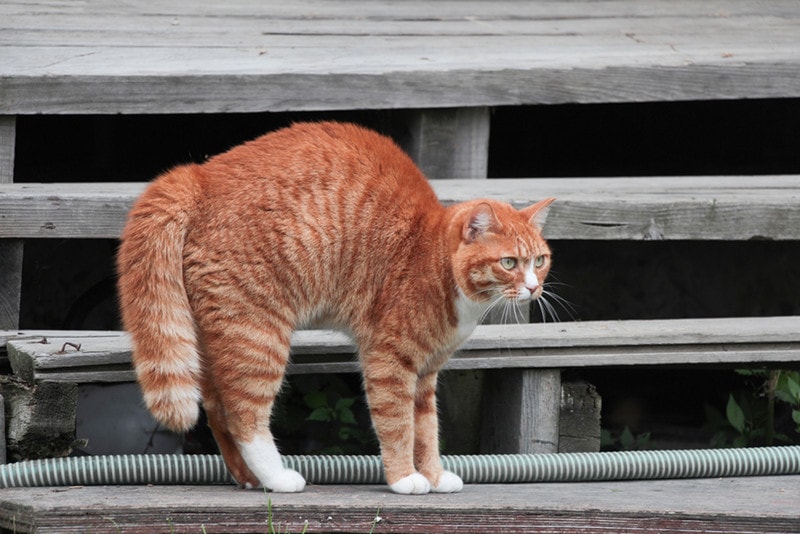
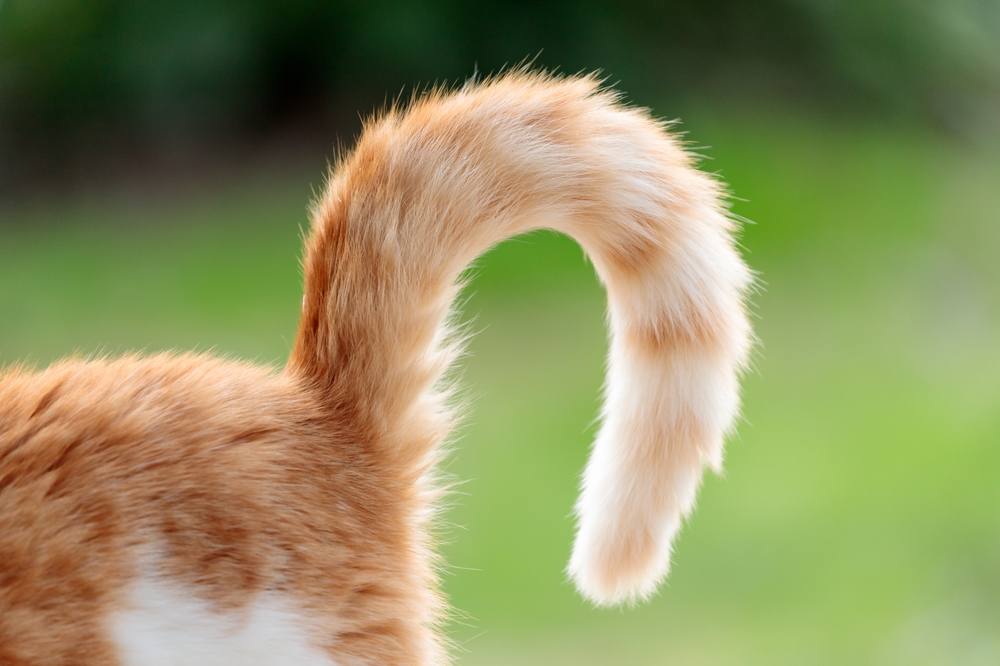
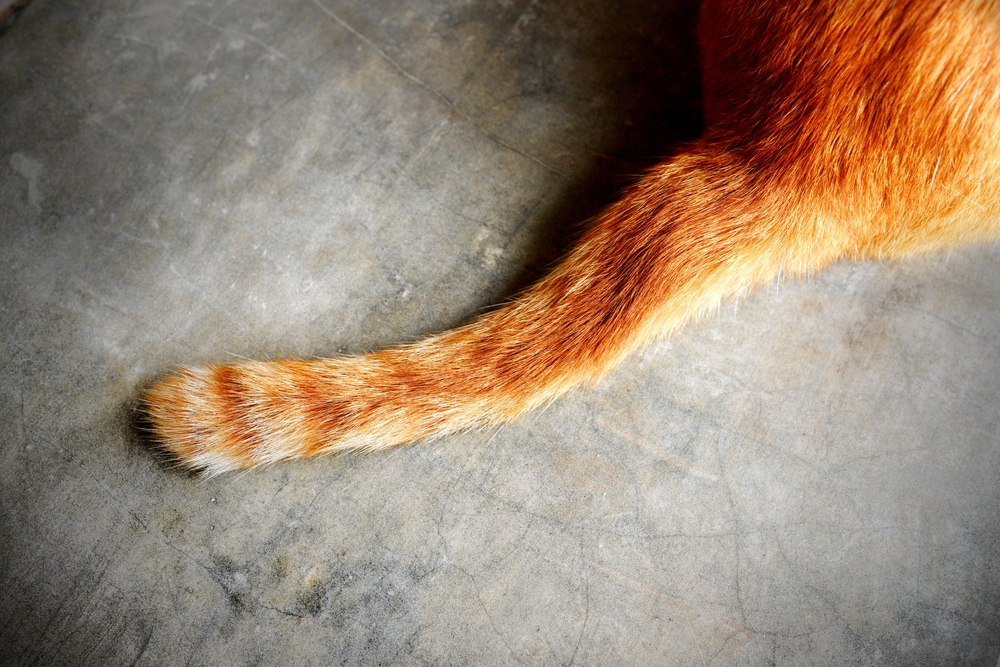
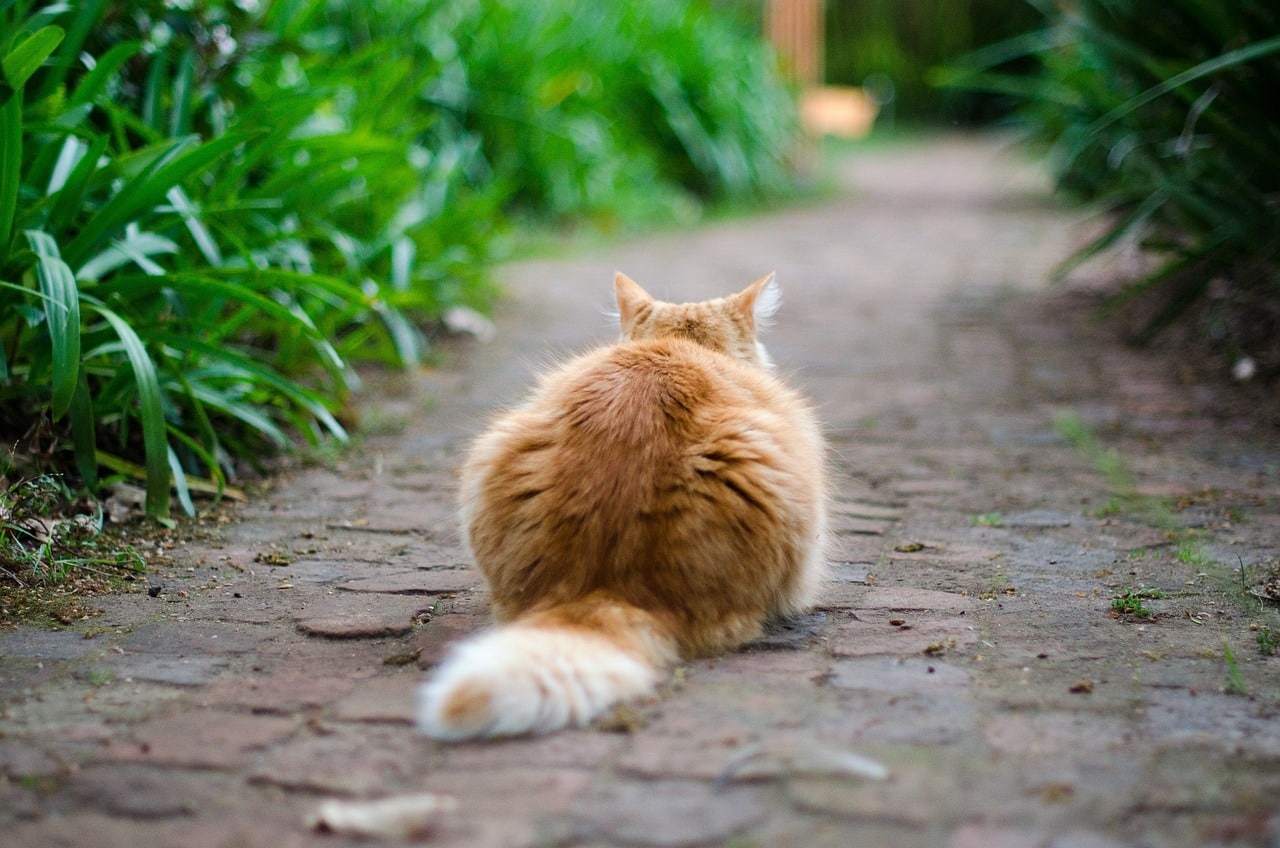
Cats often puff their tails as a form of body language communication. It’s technically called piloerection! Felines use body language to communicate with each other and with us. A puffed tail means various things in cat language.

It’s not always a signal that your cat is scared or upset. It can also indicate anger or that your cat is feeling a bit chilly. When combined with exuberant springs, it means your cat is having so much fun that they can’t contain themselves! Read on for more reasons that your cat could be puffing their tail.

divider 1 paws

The 4 Reasons Why Cats Tails Puff Up

1. Anger

A Note About Anger

The signs of an angry cat can overlap with those of a frightful cat (see below). Many times, a cat that’s angry is also scared.

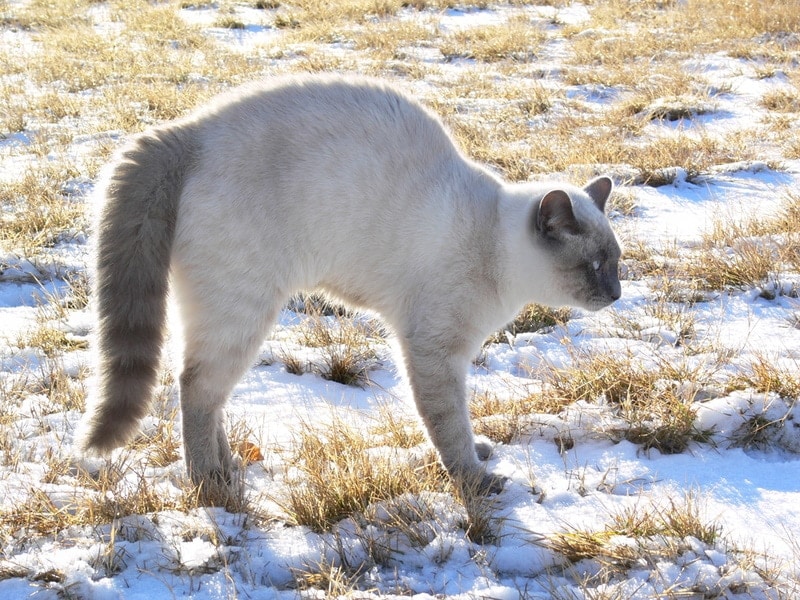
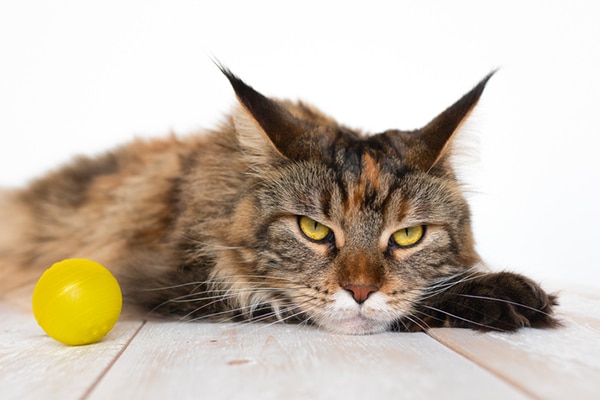
Cats often puff out their tails when they’re angry and getting ready to attack. A common feline survival strategy is trying to appear as large as possible to dissuade potential attackers. Angry cats often crouch down close to the ground and lay their ears sharply back. Some cats whack their tails when extremely agitated.

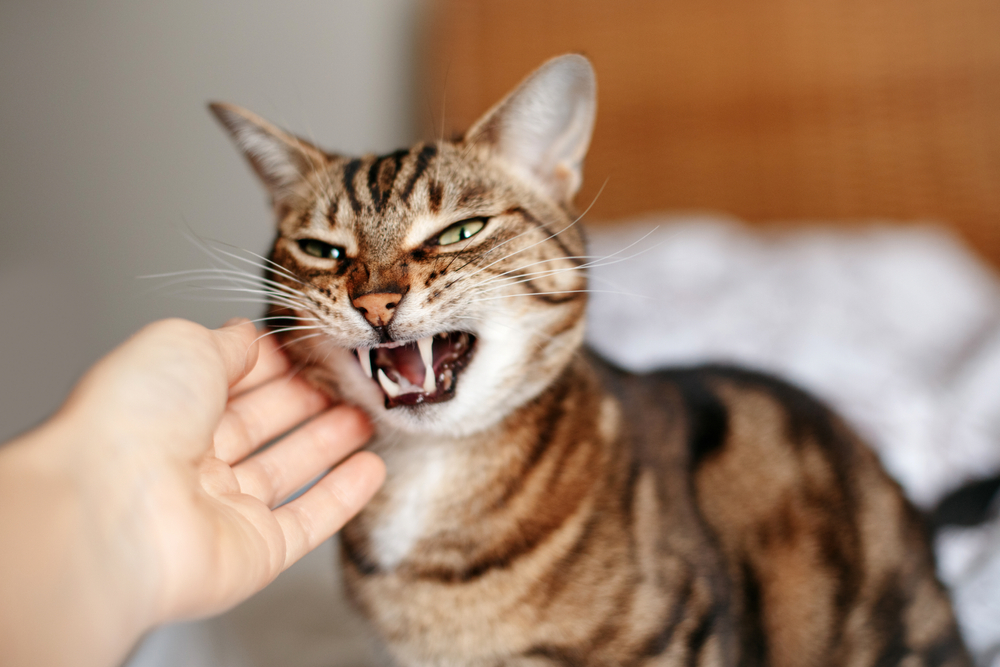
It’s relatively common for angry cats to have raised hair along the ridge of their back. Some cats will shadow you or hiss if they’ve completely reached their limit. Most cats prefer to bluff their way out of confrontations.

They’ll often assertively swat their paws to try and get the threat to move back. These displays of feline anger don’t always lead to aggressive behavior. Feline signs of anger are designed to scare threats into backing down and going away. Most cats will calm themselves if the stressor is removed.

Catster_Cat Tail Language_Negative Signs_Infographic_v1-4 FINAL_Mar 6 2024
You are free to use this image but we do require you to link back to Catster.com for credit

2. Fright

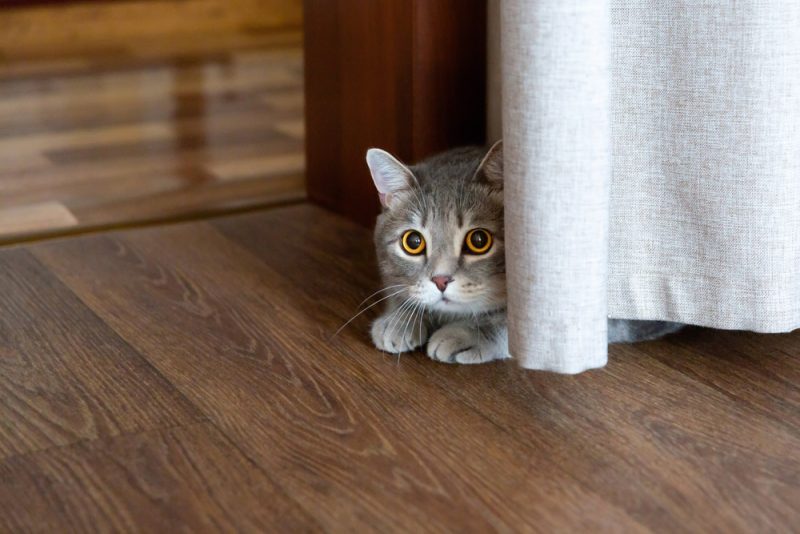
Startled or scared cats commonly arch their backs and puff out their tails to appear larger to dissuade attacks. Fearful cats often jump back and curl themselves into a “question mark” shape. Some lay back their ears when startled, and others hiss in a warning.

Most calm down quickly once they’ve recovered from the shock and feel safe again. Coming too close or touching a scared cat can be dangerous, as scared cats are inclined to attack when they feel unsafe and cornered. In fact, fearful cats often attack proactively out of a defensive instinct.

It’s why injured cats frequently become aggressive the minute a veterinarian comes near them. The best way to calm a frightened cat is to stay out of their way. Give them plenty of time and space to decompress, and your cat will return to normal in a bit.


3. Fun

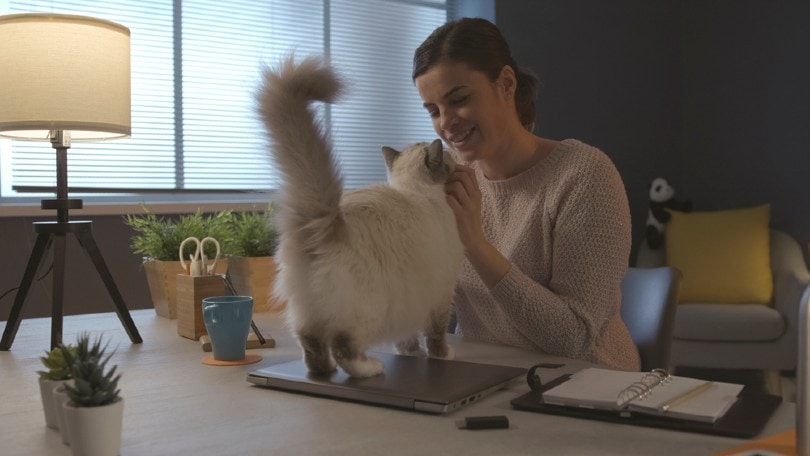
Some cats, particularly younger ones, will puff out their tails in moments of exuberance. It’s often seen along with pounding, springing, and enthusiastic running about. There’s nothing to worry about if your cat suddenly starts bouncing around with a puffed-up tail during a play session; it’s not a sign of aggression, but rather an indication of just how much your buddy is enjoying themselves.

The phenomenon is anecdotally more common in younger cats. Ensuring your cat gets enough mental stimulation is key to maintaining your cat’s mental health. A good play session is a great way for cats to get a bit of exercise and blow off some steam.

Most veterinarians recommend that cats get at least 60-120 minutes of play per day; this can be split over several small sessions. A few interactive toys like food puzzles can go a long way toward keeping your cat mentally engaged.

Finding a toy that your cat enjoys, is genuinely drawn to, and is excited to play with can be a challenge. That's why having a few options is always a good idea until you get an idea of what gets them moving. We love the Hepper Catnip Stick and Whale Kicker for different reasons. For cats who need a little encouragement in playing, the stick is packed full of organic catnip enticing enough to lure in the laziest of felines. The Whale is a great option for cats who love to hunt, pounce, and kick! Both are extremely durable, and can be cleaned and reintroduced for play days yet to come. Find out which is best suited to you below. 

Image Product Details
Hepper Catnip Stick Hepper Catnip Stick
  • Contains catnip
  • Choice of 3 colors
  • All natural
  • Hepper Whale Plush Hepper Whale Plush
  • Plush
  • Machine washable
  • Self-play
  • At Catster, we’ve admired Hepper for many years and decided to take a controlling ownership interest so that we could benefit from the outstanding designs of this cool cat company!


    4. Cold

    Cats love warmth; it’s why they love to hang out in front of radiators and snuggle up in your lap. Healthy cats have body temperatures somewhere between 38–39.1°C (100.4–102.4°F). The thermoneutral zone for domestic cats is 30–38 °C (86–100.4°F).

    But during the winter, homes can sometimes be below a cat’s preference. Cats will often puff out all their fur, including their tails, if they’re cold and trying to warm up. A cold cat may also hold their paws close to their body while they sit and “wrap” their tails around their body to keep warm.

    If you suspect your thermostat is turned too low for your cat, there are several things you can do to improve your pet’s comfort without breaking the bank. Self-warming beds and homemade pet-bed warmers are inexpensive ways to remove some of the chill. Microwaveable heating pads also go a long way toward creating a comfortable environment for cats when the temperature drops.

    However, these heating pads should never be placed in direct contact with your cat’s body (they should be wrapped in a towel or other fabric deemed appropriate for such use).

    divider 1 paws Conclusion

    Oftentimes cat’s tails puff up when they’re scared or angry. But those aren’t the only reasons. They’ll also puff up their tails when cold to retain warmth. The puffy tail hop that some cats break into when truly beyond themselves with cat joy is one of the most adorable things you’ll ever see.

    Excited or angry cats aren’t terribly likely to become aggressive. Scared cats are only likely to launch attacks when they feel cornered and threatened. Frightened cats are best avoided until they recover their composure and feel safe again.

    See Also:


    Featured Image Credit: Samokhina Anna, Shutterstock

    Want content like this delivered to you?

    Sign Up For Our Newsletter

    News, insights, expert advice, and everything cat

    * By submitting, you agree to our Terms & Conditions and Privacy & Cookies Policy.


    How useful was this post?

    Click on a star to rate (you can leave written feedback after clicking submit)

    Help us improve Catster for pet parents!

    Your feedback really matters.

    What did you like about this post? Also how can we improve it?

    Join the conversation

    Leave a Reply

    You’re very welcome to leave a comment or question. Please know that all comments must meet our community guidelines, and your email address will NOT be published. Let’s have a positive and constructive conversation.


    Talk With A Vet Online

    Peace of mind,
    anywhere, anytime

    Affordable vet advice

    Ask Dr. Paola – Help! My Cat Suddenly Has Dandruff! (March 30, 2026)

    Welcome to our “Ask Dr. Paola” series, where every Monday we bring expert advice straight from Dr. Paola Cuevas (MVZ) to help our...

    Your Cat Keeps Vomiting After Eating: Here’s What’s Going On

    Cats vomit. It’s one of the less glamorous facts of life with a feline, and most cat owners have cleaned up more than...

    Ask Dr. Paola – Help! My Cat Gets Diarrhea from Wet Food! (March 23, 2026)

    Welcome to our “Ask Dr. Paola” series, where every Monday we bring expert advice straight from Dr. Paola Cuevas (MVZ) to help our...

    Cat Shampoo Alternatives That Are Already in Your House

    If your cat has ever gotten into something disgusting and you’ve found yourself without cat shampoo, we’re here to help. Before you panic...

    More related

    6 Best Cat Grooming Harnesses in 2026 – Reviews & Top Picks

    One of the best things about owning a cat is how much they can take care of themselves. They are self-groomers and can...

    Is Your Cat Constipated? 12 Simple Remedies Vets Recommend Trying at Home

    Few things worry cat parents more than when their kitty can’t go. Constipation is one of the most common digestive issues cats face...

    The Terminal Purr: When Purring Isn’t A Sign of Happiness

    Hi, I’m Dr. Karyn! Read my introduction to learn more about me and meet my five hilarious cats: Clutch, Cyril, Alex, Zelda, and...

    Balinese Cat vs. Ragdoll Cat: Key Differences (With Pictures)

    Balinese and Ragdoll cats look similar, but they are entirely different cat breeds. It can be tough to tell them apart without learning...

    Keep reading

    Can You Use Human Shampoo on Cats? Vet-Reviewed Risks & Alternatives

    While most cats rarely need a bath, there could be the odd occasion that your cat does need to get clean. Maybe your cat came home after rolling around on the neighbor’s driveway that happened to be coated in oil....

    Orange-Maine-coon-in-the-bathtub-shampoo

    How Long Can a Cat Go Without Peeing? Vet Reviewed Facts & FAQ

    As a living being, a healthy cat’s urinary system is always functioning and constantly producing urine. On average, healthy cats urinate two to four times daily, however, it depends on how much water and food they had in the previous...

    cat outside the litter box

    Is Philodendron Toxic to Cats? Vet-Reviewed Houseplants Examined

    As a cat parent, you want to do everything to keep your beloved feline safe and healthy. And, like many other people with cats, you might also enjoy keeping a few houseplants around to brighten up your home or apartment....

    Catster_Is Philodendron Toxic to Cats

    Cat Grass vs. Catnip: Vet-Verified Differences

    Sure, all cat owners—and even those without cats—have heard about catnip. It has been a staple in the cat world for what seems like an eternity. Once upon a time, it was even believed to help humans with ailments. You...

    Cat Grass vs. Catnip

    How to Treat Ringworm in Cats (6 Vet-Approved Tips)

    Ringworm is a common fungal disease in mammals that can cause discomfort and irritation in cats. You can determine if your cat has ringworm by going to a veterinarian and having them complete a physical exam and any testing needed....

    scottish fold cat checked by vet

    Can Cats Be Allergic to Litter? Vet-Approved Facts & Safety Guide

    Humans aren’t the only ones unlucky enough to be affected by allergies. Cats can also be allergic to various items, like pollen, food, and potentially even cat litter. Signs your cat might be allergic to litter are similar to those...

    orange cat beside litter box

    Can Cats Eat Cheerios? Vet-Verified Nutrition Facts & Advice

    Honey Nut Cheerios has long been one of America’s favorite cereal brands. They are tasty and sweet without being overpowering. Their tiny little O’s also make them easy to give as treats to your cat or dog. However, is it...

    Can Cats Eat Cheerios

    Why Does My Cat Purr When They’re Asleep? Vet-Reviewed Feline Behavior

    Is there anything sweeter than seeing a cat curled up in a cozy nook, purring in their sleep? We can’t think of much that beats it. But if you’ve ever wondered why cats purr in their sleep—and if they’re really...

    cat under porch sleeping

    Love Cats? So Do We! Join the Catster Community

    Stay informed with expert pet care insights delivered straight to your inbox! Discover professional guidance on animal behavior, feeding tips, trusted product picks, and much more.


    Sign up for the Catster Email Newsletter

    Stay informed with expert pet care insights delivered straight to your inbox! Discover professional guidance on animal behavior, feeding tips, trusted product picks, and much more.