Get

In Your Inbox

Catster is reader-supported. When you buy via links on our site, we may earn an affiliate commission at no cost to you. Learn more.

Heartworm Prevention for Cats: 3 Vet Approved Methods


Share

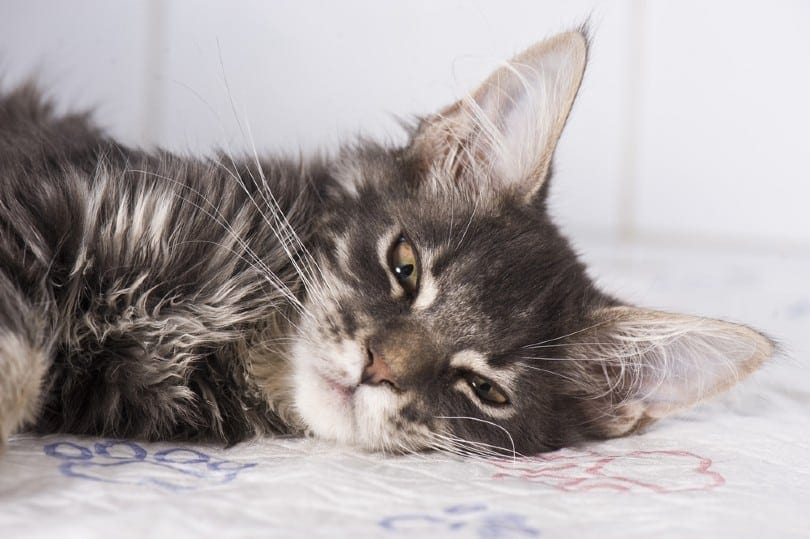
Sick cat in animal hospital

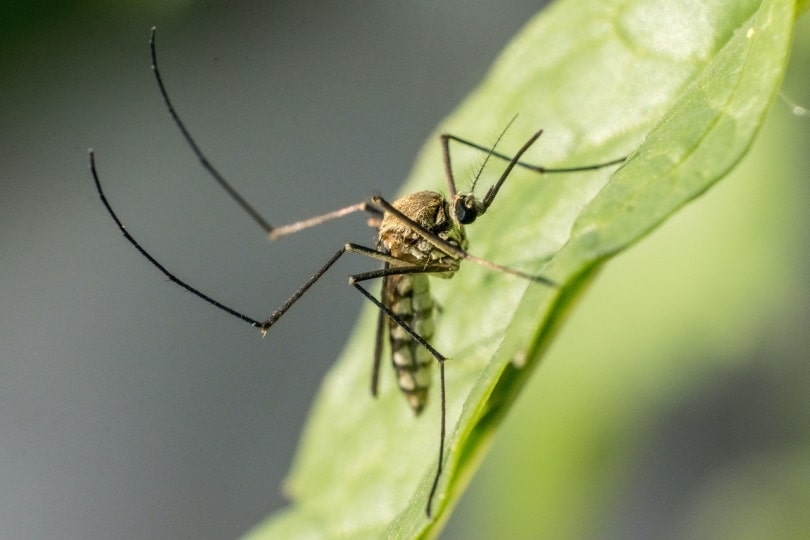
Of all the diseases our cats can suffer from, heartworm disease is one of the worst. This disease is transmitted by mosquitoes that carry heartworm larvae that burrow into the body and can go on to grow up to 12 inches long and live in the lungs, heart, and blood vessels. The result is organ damage, lung disease, and heart failure.

Though cats are atypical hosts for heartworms (meaning they get heartworms less often than dogs, and worms usually don’t make it to the adult stage if a cat is infected), heartworm disease is still a significant concern for feline parents. Even worms that aren’t adults can cause damage to your cat, particularly in the form of what is known as heartworm-associated respiratory disease (HARD). And because immature worms are more difficult to detect, heartworm disease in cats can often go undiagnosed.

Since treatment of heartworm disease in cats is difficult and expensive, the best way to avoid it in your favorite feline companion is by preventing heartworms in the first place. But how can you do that? Below you’ll find three ways you can help prevent heartworms in your cat.

divider cat paws oct 2024

The 3 Ways to Prevent Heartworm in Cats

1. Heartworm Medicine

Woman at home is giving a special medicine
Image Credit: Veera, Shutterstock

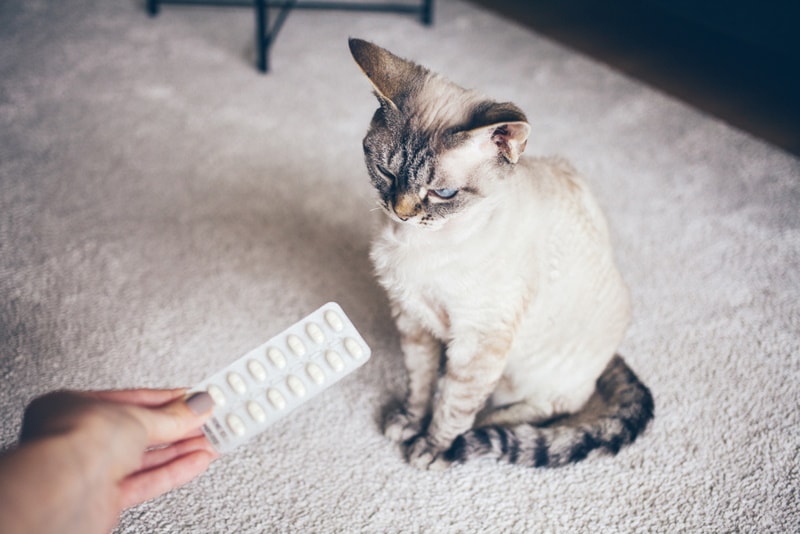
Absolutely the best and easiest way to prevent heartworms in your pet is by giving him or her heartworm medication. If you’re located where there are lots of mosquitos year-round, vets recommend you give this medication to your cat monthly.

There are several types of heartworm medications available (which are sometimes combined with flea and tick medication), so you shouldn’t have issues finding one that works well for your pet. A monthly product is the easiest and best way to prevent heartworm disease and is simple to do.

Before giving any new medication to your cat, we recommend you consult a veterinarian for the best advice on which would be the best treatment option.


2. Keep Cats Indoors

cat watching bird on the window
Image Credit: Andrzej Puchta, Shutterstock

Another way to help prevent heartworms in your feline friends is by always keeping your cats indoors. It’s not impossible for a mosquito to get into your home, but you’ll have far fewer of these bloodsuckers indoors than outside. This method of prevention isn’t as fool-proof as giving your pet heartworm medication, but it can go a long way in helping reduce your pet’s chances of getting heartworm.


3. Mosquito Control

man fogging with disinfectant
Image Credit: triocean, Shutterstock

You can also try controlling your local mosquito population. This prevention technique is a bit more difficult than the other ways of preventing heartworms, but it is possible. And you’ll appreciate having fewer mosquitos around as well! We will take a closer look below at how you can reduce the number of mosquitos around your home.

divider cat paws 2 oct 2024

Tips for Controlling the Mosquito Population

One of the best ways to keep mosquitos off your property is by getting rid of standing water since this is where mosquitoes lay their eggs. This includes emptying birdbaths, flowerpots, buckets, kiddie pools, trash cans, etc. If you can’t empty an item containing standing water, you can cover it with a tight lid. Another area where standing water can occur is in tree holes, so fill those in so they don’t end up holding water. Finally, if you have a septic tank, you’ll want to check it over for any gaps or cracks and repair those you find.

Your other options for preventing mosquitos are using larvicide to treat standing water that is too large to empty out or cover up to prevent mosquito eggs from hatching. You can also use insecticide to kill off adult mosquitos.

divider cat paw scratch oct 2024

Conclusion

It’s important to prevent heartworms in cats, as there is no treatment for this disease in felines. While cats are atypical hosts that don’t get heartworms often and don’t have heartworms grow to adult size, if they do get them, they’re still at risk for health complications from these parasites.

The best and easiest way to prevent heartworms in your pet is via heartworm medication, but you can also keep your pet indoors at all times and try controlling the mosquito population around your home. Controlling the mosquito population is a bit of work, but you can reduce how many mosquitoes are around by getting rid of standing water or treating areas with larvicide or insecticide.


Featured Image Credit: Kachalkina Veronika, Shutterstock

Want content like this delivered to you?

Sign Up For Our Newsletter

News, insights, expert advice, and everything cat

* By submitting, you agree to our Terms & Conditions and Privacy & Cookies Policy.


How useful was this post?

Click on a star to rate (you can leave written feedback after clicking submit)

Help us improve Catster for pet parents!

Your feedback really matters.

What did you like about this post? Also how can we improve it?

Join the conversation

Leave a Reply

You’re very welcome to leave a comment or question. Please know that all comments must meet our community guidelines, and your email address will NOT be published. Let’s have a positive and constructive conversation.


Catster's Digital Magazine is Back!

Vet-approved health & behavior advice

Real cat stories & community features

Your Cat Isn’t Picky – Their Nose Is Just Bored

If you’ve ever sighed while scraping uneaten cat food into the trash, you’re certainly not alone. Many cat owners know the routine: their...

Ask Dr. Paola – Help! My Kitten Won’t Use the Litter Box! (July 27, 2026)

Welcome to our “Ask Dr. Paola” series, where every Monday we bring expert advice straight from Dr. Paola Cuevas (MVZ) to help our...

Chatting with Petra Luna About CatCrazy, Cat Food Ingredients & The Secret of E-Beams | Chatty Cattys, Episode 28

In this episode of Catster’s Chatty Cattys podcast, Nicole and Dr. Karyn welcome back Petra Luna from CatCrazy to catch up on her...

According to Vets, Most Owners Miss These Signs That a Cat is Sick

Cats are famously good at hiding discomfort. It is not stubbornness or indifference; it’s a deeply ingrained survival instinct. In the wild, showing...

More related

Why Do Cats Like Feathers? Our Vet Explains 4 Reasons & Safety Tips

You want what’s best for your cat, and she sure does like her toys with feathers at the end of a wand. Is...

6 Strange Items Cats Like to Collect & Why (Vet-Reviewed Info)

Cats are interesting animals that often do things that remain a mystery to us. One behavior that some cats engage in is collecting...

Are Savannah Cats Good Pets? Pros & Cons

Savannah cats are created by breeding domestic cats with wild African Serval cats. These felines are beautiful, but their “wild” side must be...

UK Cat Rescue Gives Senior Cats a Retirement Village of Their Own

Nestled in the heart of Shrewsbury, Shropshire Cat Rescue provides a lifeline to homeless, stray, abandoned, and unwanted cats and kittens across Shropshire....

Keep reading

Why Is My Kitten Not Eating? 8 Vet Reviewed Possible Reasons

It’s always exciting to get a new kitten. By nature, kittens are playful, inquisitive, and somewhat fussy creatures with an independent streak that cat lovers find endearing. While you probably bought top-quality kitten food and were looking forward to watching...

little kitten sitting by a bowl of milk

What Emotions Can Cats Feel? What Science Has to Say

There is a long-held belief that dogs are more affectionate and emotional than cats. Dogs can express themselves with jumping, barking, wagging tails, and excitement. Cats, on the other hand, are usually aloof. It can be hard to tell what...

tuxedo cat is smiling

Can Cats Eat Coconut? Vet-Reviewed Health Benefits & Risks

Coconut has made a name for itself in the last few decades as a health food, thanks to the nutrient density of everything from coconut water to coconut oil. Although it is technically a type of fruit called a dry...

Can Cats Eat Coconut

Why Does My Cat Watch Me Shower? Feline Behavior Unveiled (Vet-Verified)

Anyone who lives with cats knows that they are prone to some strange behaviors. For one reason or another, our cats exhibit many behaviors that don’t exactly make sense to us. However, that doesn’t mean that these behaviors aren’t absolutely...

cat staring at their owner in the bathtub

Is Your Cat Losing Teeth? What’s Normal & When to Worry (Vet-Verified)

Dental problems are a pretty big issue among cats. In fact, it is estimated that over two-thirds of cats over 3 have some degree of dental disease. However, losing a tooth doesn’t necessarily equate to a problem. So if your...

cat with open mouth and teeth

Cat Acne: Causes, Signs, and Treatment

If you have ever noticed small bumps along your cat’s mouth, it could be feline acne. Although it might seem strange that a cat could have acne, it does happen and might be more common than you think. Cat acne...

cat with chin acne

Can I Use Human Eye Drops on Cats? Vet-Verified Facts and Precautions

While cats can develop eye problems just like humans do, their eye conditions should never be treated the same way that we would treat our own. This is especially true when it comes to treatments like human eye drops, as...

Woman with eye drops holding a cat

Why Is My Cat Laying On Me All of a Sudden? 12 Vet-Reviewed Reasons

If you have a standoffish cat or one that simply doesn’t care much for snuggling, it can be special when your cat suddenly attempts to lay on you or cuddle with you. However, it can also be a sign that...

cat-sleeping-on-owners-lap

Love Cats? So Do We! Join the Catster Community

Stay informed with expert pet care insights delivered straight to your inbox! Discover professional guidance on animal behavior, feeding tips, trusted product picks, and much more.


Sign up for the Catster Email Newsletter

Stay informed with expert pet care insights delivered straight to your inbox! Discover professional guidance on animal behavior, feeding tips, trusted product picks, and much more.