Treating Heartworm Disease in Cats: Can It Be Cured? Vet-Approved Info


In this article
Finding out your cat may have heartworm can be a shock, although the diagnosis may be quite challenging to establish. Heartworms are parasites that live inside the heart and large blood vessels, causing it to function incorrectly and even stop working, while also leading to heartworm associated respiratory disease. Dogs are more commonly affected than cats.
Unfortunately, despite treatment being available for dogs with heartworms, no drug treatment is currently approved for cats. Worms that are within the lungs or have entered the pulmonary arteries obstructing the blood flow to the lungs can cause a cat to collapse suddenly and may be life threatening. However, depending on the severity of the disease and number of worms, cats may be able to recover from this condition or may have no or very mild signs of illness.

What Are Heartworms?
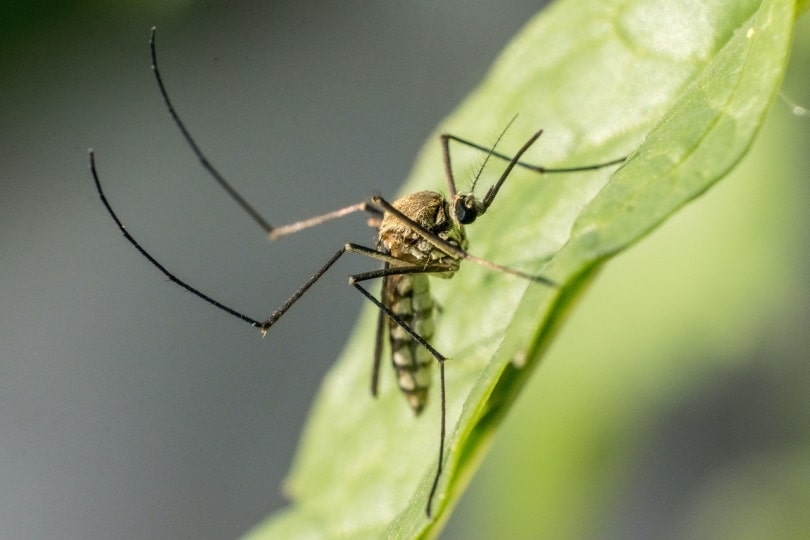
Dirofilaria immitis, or heartworms, are mosquito-borne parasites that live inside the heart, blood vessels, and lungs. They can infect dogs, cats, and ferrets and cause many problems, including heart failure, damage to other organs, and lung disease. They can also cause sudden death, so it's much easier to prevent these worms from taking hold rather than risk your cat contracting them.
Despite cats not being as susceptible to heartworm infestation as dogs, they can still thrive for around 2-3 years inside a cat. They are actually rarely present in the heart, unlike in dogs, and will inhabit the arteries in the lungs instead. Heartworms in cats can also cause signs you wouldn't immediately associate with problems with the heart, including vomiting and weight loss.
However, when immature heartworms die in a cat's body, heartworm-associated respiratory disease or HARD can occur, meaning that after months since the cat has been bitten by a mosquito infected with heartworms, they may begin coughing, wheezing, and struggling to breathe. Most heartworms do not develop to their adult form in cats; however, if they do, they can lead to severe and sometimes fatal heart failure, pulmonary hypertension, or lung disease.

The 3 Treatment Options for a Cat With Heartworms
Unlike dogs, there is currently no drug treatment approved or licensed to treat heartworms in cats. Other recognized treatments can be given, but they may have a poor success rate, requiring months of treatment, and don’t completely reduce the risk of sudden death. There are two main types of treatment for cats with heartworms:
1. Treating the Signs of the Disease
Supportive treatment of heartworm infestation in a cat can include oxygen therapy, other antiparasitics, and consistent monitoring. Several treatment types can be included, particularly as heartworm causes inflammation and fluid buildup in the lungs.
Treatments such as steroids for the inflammation and diuretics to help relieve the fluid build-up in the lungs can help to stabilize the cat and improve their signs. However, because heartworms can survive in a cat's body for a few years, the treatment can take several months and be very costly. In many cases, it makes the cat feel better, improving their quality of life while giving them more time in hopes that the cat outlives the worm.
If you are concerned about the health and well-being of your pet, seek veterinary advice for the best course of action.
2. Surgical Removal of the Worms
Removing heartworms surgically from a cat's heart may seem dramatic, but it’s one of the only options for cats with a severe illness that may not have another chance. Only specialist veterinary surgeons can perform this procedure, and despite having a complete heartworm removal, studies suggest that almost 40% of cats may still die either during or after the procedure.
3. Spontaneous Resolution
A spontaneous resolution is possible in some cases where the disease and the signs are mild and the cat's immune system may be able to get rid of heartworms of its own accord. These patients also need frequent monitoring and sometimes corticosteroid treatment if there are signs of lung disease. The possibility of sudden death via inflammatory reactions in the lungs is still possible.
Heartworms in cats can often go underdiagnosed, either because the signs are very mild and not noticeable by the cat parent, the cats are not a natural host for heartworm and seem more resistant to an infestation with adult worms, or because there is no definitive test to confirm the diagnosis.
Cats are less likely to have adult worms that are detected by the standard testing and usually only have one or two worms, so many testing methods need to be combined, such as blood tests, x-rays, and scans.

Why Are There No Drug Treatments for Heartworms in Cats?
There are currently no licensed and approved treatments or medications for heartworms in cats. There have been trials using dog heartworm treatments. However, these come with risks, including toxicity, acute lung failure, and sudden death.
If the treatment kills off the worms, there's also the risk of acute pulmonary crisis. This means that the cat's lungs can suddenly stop working or become so inflamed and full of fluid that they cannot receive enough oxygen due to dead or dying worms becoming lodged in the lung tissue and small blood vessels.

Can I Prevent Heartworms in My Cat?
There is effective medication available for cats to prevent heartworms from taking hold. This medication is safe and easy to administer at home, meaning that monthly treatment with heartworm preventatives is cheap and effective and protects your cat from possible heartworm infestation.
All cats should be treated with heartworm preventatives, even those who live indoors; mosquitoes can easily get into the home, and bites of an infected mosquito are all it takes to pass on heartworms to your cat. Heartworm preventative medication is often included in wellness packages as part of the veterinary practice health policies, and you can speak with your veterinarian about the best options for your cat.
Conclusion
Heartworms in cats cannot be treated with medication as they can be in dogs.
The treatments available for cats are either surgical removal of the heartworms from the cat's heart or supportive treatment, which can last for months. Ultimately, prevention is much better than cure, and heartworm preventative medication given monthly is an easy, cheap, and effective way to protect your cat from any possible heartworm infestation.
Related Read:
Sources
Featured Image Credit: Pressmaster, Shutterstock

Expert cat care, straight to your inbox
Vet-reviewed advice, behavior tips, and the best of Catster. Free, and you can unsubscribe anytime.
By signing up, you agree to our Terms & Conditions and Privacy & Cookies Policy.
Christian started writing for a local newspaper as a teenager, and he's been involved in the publishing industry for most of his adult life. Combining his love of writing with a passion for animals, he is currently the Director of Editorial at Pangolia and the Editor-in-Chief at Catster.
Christian lives in the Philippines with his wife, son, and four rescue cats: Trixie, Chloe, Sparky, and Chopper.
Join the conversation
Ask a question, share your story, or send private feedback.