


In this article
Tiny kittens develop and change so quickly that you might be wondering at exactly what age your roly-poly kitten turns into an adult cat. The general guideline is that kittens become adult cats once they pass their first birthday.
Let’s take a look at the stages that your kitten will go through as they head into adulthood.

The Stages of Kitten Growth
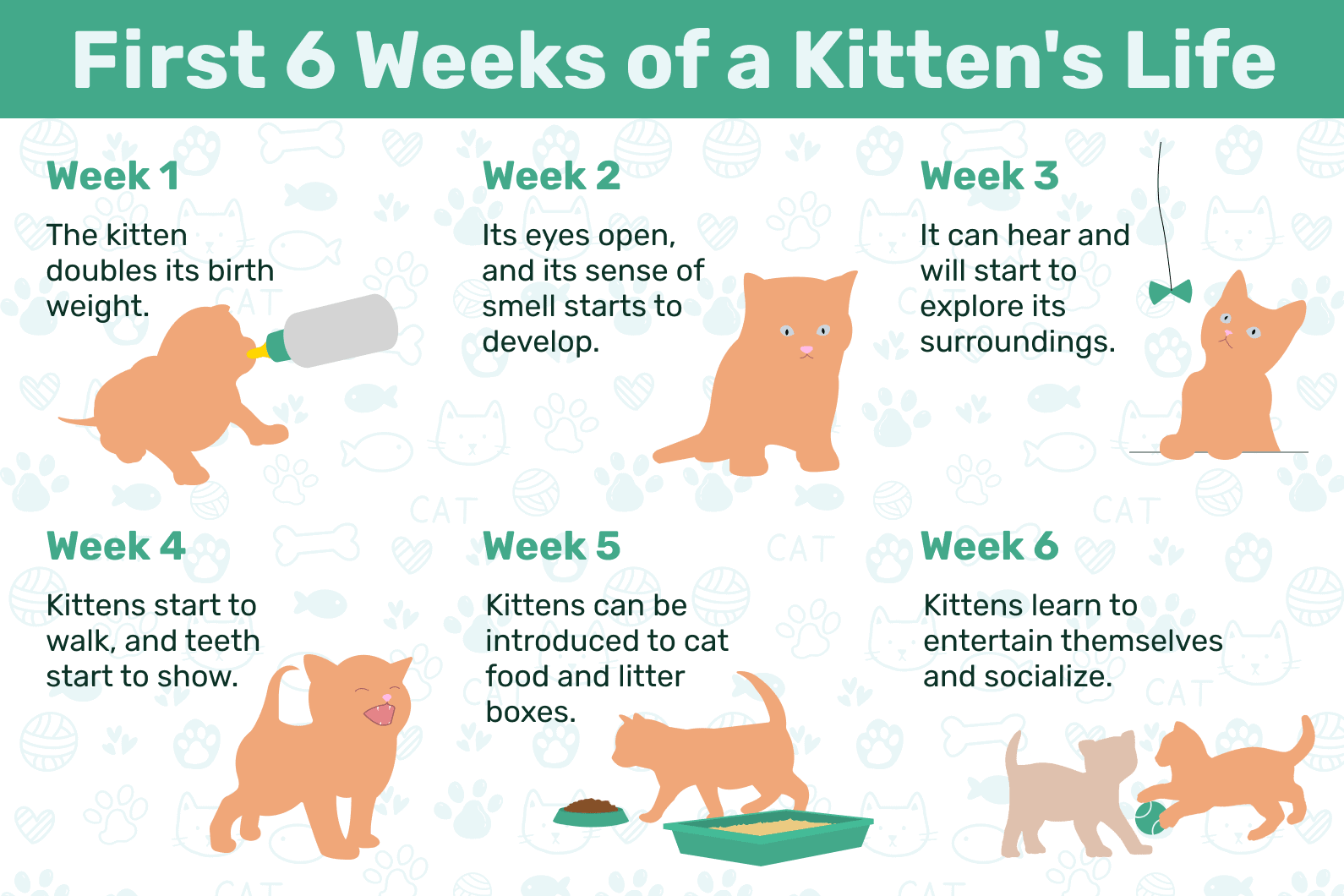
1 Week to 3 Weeks Old
At 1 week of age, kittens will be spending most of their time sleeping and eating. Kittens will start to open their eyes around 2 weeks of age, and their ear canals will open at roughly 3 weeks. Kittens of this age need help peeing and pooping, and their mother cats do this after they’ve eaten.

1 Month Old
By now, a kitten can pee and poop on their own, and their teeth are starting to break through. Kittens at this age will be more mobile. They’ll be spending more time exploring their surroundings and starting to build up muscle. At a month to 5 weeks old, most kittens will start being weaned onto solid kitten food.
2–6 Months Old
Kittens can start to be vaccinated at around 8–12 weeks. At this age, they can also leave their mother cat and travel to their new homes. At this age, kittens are active and need to be eating an energy-dense diet as their bones, muscles, and all their organs develop. Kittens’ stomachs are still small, so they will need to eat several times during the day.
At around 6 months old, kittens can be spayed or neutered. This helps prevent unwanted litters and reduces the risks of them developing certain hormone-related health issues and unwanted behaviors later in life, like urine spraying.
6 Months Old & Up
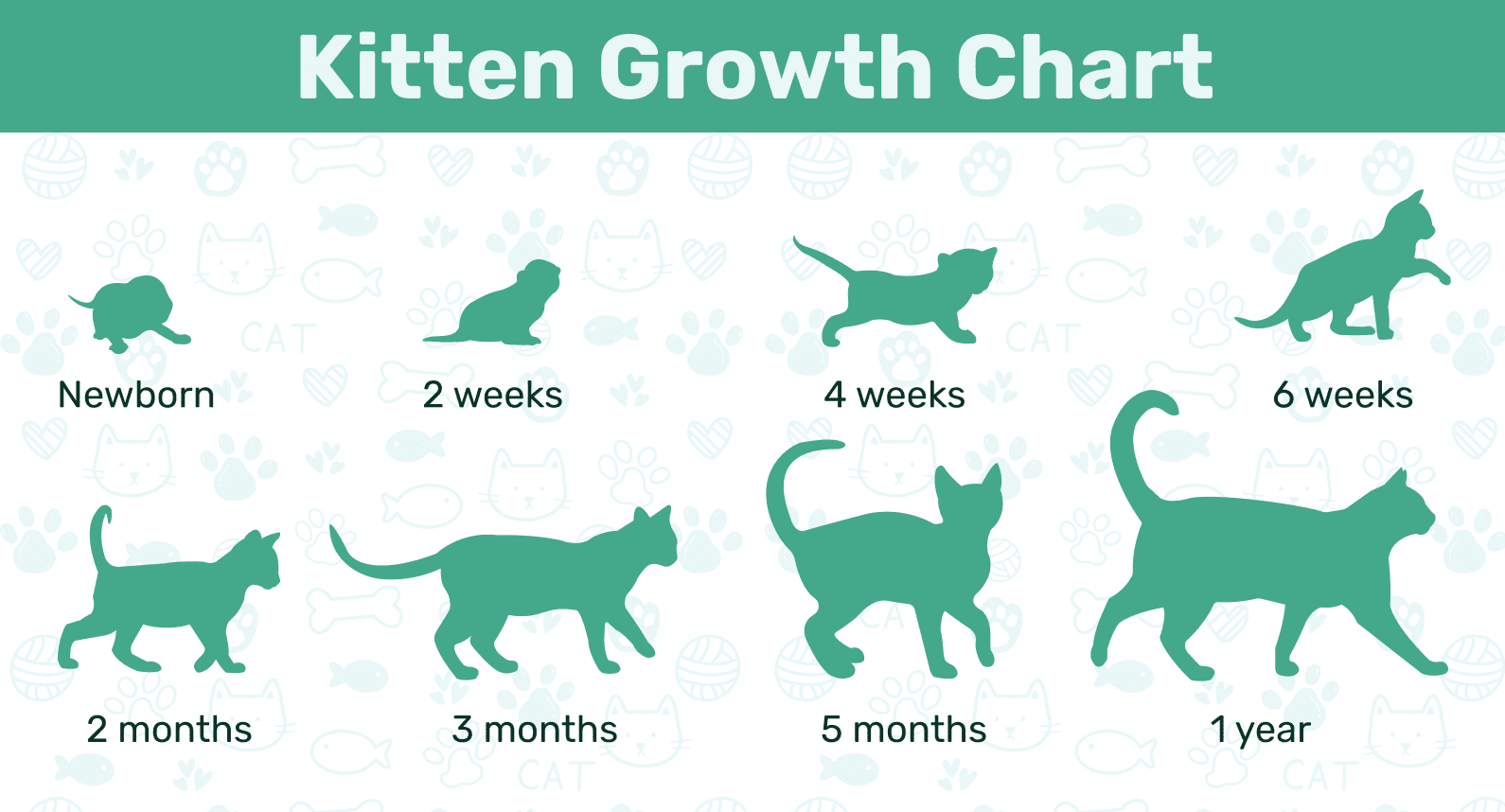
By 6 months old, kittens are looking more like a mini adult cat. At 6 months, most kittens will have their full set of adult teeth.
- Related Read: How to Take Care of Your New Kitten (8 Must-Know Tips)
12 Months Old
Happy birthday! By the time your kitten is a year old, they’re considered an adult cat.

Switching to Adult Cat Food
Once your kitten reaches around 8-10 months, you can begin thinking about transitioning them to an adult cat food rather than the kitten food that they’ve been eating up to this point. It’s a good idea to speak to a vet about this process, as it can depend on the breed, size, and lifestyle of the individual cat.
Need veterinary advice but can't get to the clinic? Catster recommends PangoVet, our online veterinary service. Talk to a vet online and get the answers and advice you need for your cat without having to leave your living room — all at an affordable price!

Make sure any food that you choose is approved by the Association of American Food Control Officials for the maintenance life stage of cats. Kitten food should only be used for the growth and development phase. Each formula contains balanced nutrition for that particular life stage and shouldn’t be used interchangeably.
Conclusion
Watching your kitten grow into a healthy adult cat is a rewarding experience. Making sure they have access to the correct food and veterinary care is essential to give your kitten the best start in life. Of course, plenty of cuddles and playtime with their new owners is also obligatory!
See Also:
- Why Does My Cat Lick My Ear? 3 Possibilities
- How to Determine a Kitten’s Age
- How To Stop Cats From Fighting: 5 Tips & Tricks
Featured Image By: Liliya Kulianionak, Shutterstock








One Response
I tam cat