When Can Kittens Eat Dry Food? Vet Approved Facts & FAQ


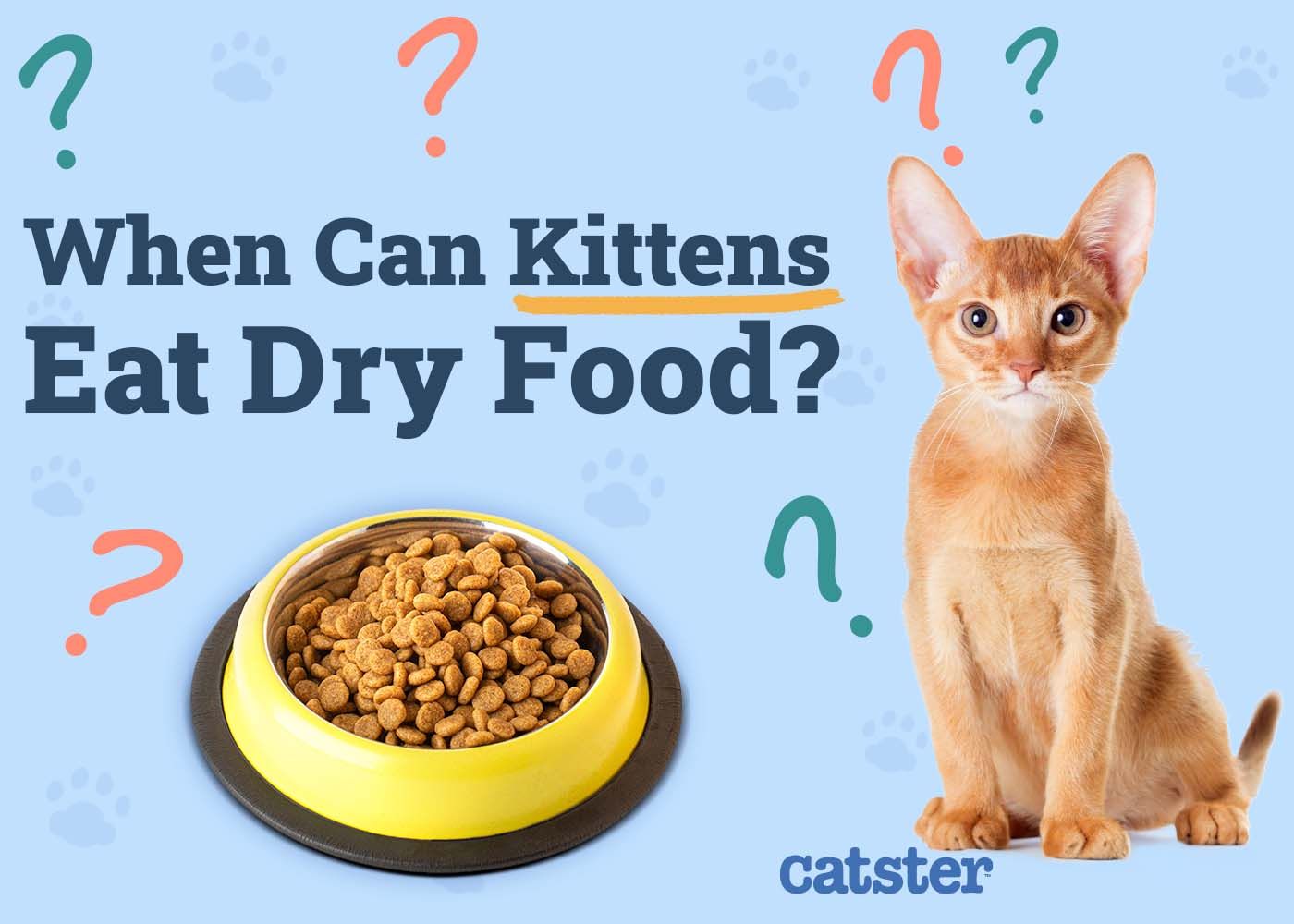
Kittens are adorable little creatures that require a lot of attention and care to grow up healthy and happy. One of the most important aspects of their care is feeding. As kittens grow, they will need to transition from milk to solid food and, eventually, dry food. As many pet owners also ask, when can my cat start eating dry food? Well, the weaning process starts at around 4 weeks when they can have softened dry food. By 7–8 weeks of age, they can usually be fully transitioned onto dry food.
In this article, we will discuss when kittens can eat dry food, what type of dry food is best for them, and other frequently asked questions related to kitten feeding!

When Can Kittens Eat Dry Food?
Kittens can start eating softened dry food around the age of 4 weeks old. At this stage, they will have started to develop their teeth, which allows them to chew softened solid food.
However, it is important to note that kittens should not be fully weaned off their mother's milk or kitten formula until they are 7-8 weeks old. Kittens still need their mother's milk or a milk replacement formula during this time as it provides them with essential nutrients and antibodies that help build their immune systems.
During this time, kittens should be fed a combination of milk or formula and increasing amounts of solid food. As kittens grow and become more independent, they can start to transition to totally solid foods.

How Do I Introduce Dry Foods to My Kitten?
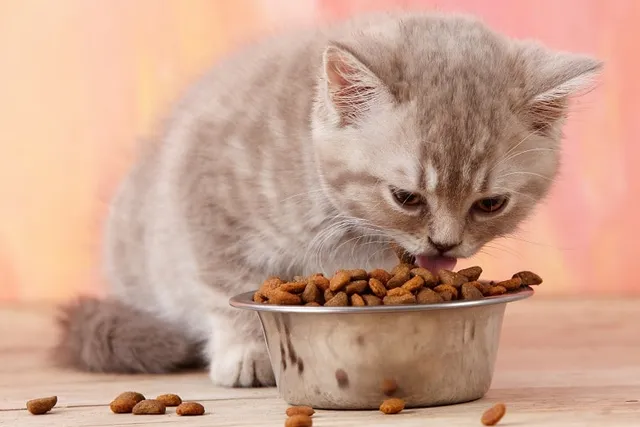
It is important to gradually introduce dry food to your kitten's diet, as their digestive system may not be able to handle it right away. Start by mixing a small amount of dry food with water or formula, gradually increase the amount of dry food, and reduce the amount of liquid as they get used to it. This will help your kitten adjust to the new texture and flavor of the dry food, as well as prevent any digestive problems.
You can also try offering dry food on its own, either as a small treat or in a separate bowl alongside their wet/moistened food from around 6 weeks of age.
It's important to monitor your kitten's intake during the transition period and adjust the amount of food accordingly. Your kitten may not understand the transition and may still prefer wet food at first, but they will likely start to enjoy dry food as well. All you need is patience and persistence!
What Type of Dry Food Is Best for Kittens?
When choosing dry food for your kitten, it is important to look for a high-quality brand that is specifically designed for kittens. This means that the food should contain the right balance of nutrients that kittens need to grow, such as protein, fat, and minerals.
Kittens can also be choosy eaters, so be sure to monitor their preferences and response to the new food being fed. Additionally, the dry food chosen should be easily digestible to prevent any digestive problems.
It is also important to look for dry food that is appropriate for your kitten's age and size. For example, smaller, younger kittens may need smaller kibble sizes.
Take note that some dry foods may be formulated for specific breeds or health conditions, so be sure to check with a veterinarian if your kitten has any special dietary needs.
How Often Should I Feed My Kitten Dry Food?
Kittens should be fed small, frequent meals throughout the day. This means that you may need to feed your kitten three to four times a day, depending on their age and size. As they get older, you can gradually decrease the number of feedings.
For specific dietary recommendations, it’s best to consult with your veterinarian to ensure your cat meets their nutritional needs.
Can Kittens Eat Wet Food and Dry Food Together?
Yes, kittens can eat wet and dry food together! In fact, feeding a combination of wet and dry food can provide your kitten with a variety of textures and flavors, which can help prevent them from becoming finicky eaters. Just be sure to monitor their intake and adjust the amounts accordingly to prevent overfeeding and ensure that everything they are eating high quality foods!
Can Kittens Eat Adult Cat Food?
No, kittens should not be fed adult cat food. Adult cat food is formulated differently than kitten food and does not contain the right balance of nutrients that kittens need to grow. Adult cat food may be too hard for kittens to chew and digest, leading to digestive problems.

Can Kittens Eat Human Food?
While it is generally not recommended to feed kittens human food, there are some human foods that can be safe for kittens in small amounts once they are weaned. These include small amounts of cooked chicken, turkey, and fish.
However, it is important to avoid giving your kitten any foods that are toxic to cats, such as chocolate, onions, and garlic.
Can Kittens Eat Raw Food?
At a young age, kittens have more sensitive guts compared to adult cats. It is not recommended to feed kittens raw food. Raw food may contain harmful bacteria that can cause foodborne illnesses in kittens.
Aside from digestive issues, feeding raw food may not provide the right balance of nutrients that kittens need to grow.
Other Things to Consider When Transitioning to Dry Foods
In addition to feeding your kitten a healthy diet, it is also important to provide them with plenty of fresh water and keep their feeding area clean. This will help prevent any potential health problems and ensure that your kitten stays healthy and happy.
Every kitten is different and may have unique dietary needs or preferences. Be sure to monitor your kitten's growth and behavior and adjust their diet as needed. With proper care and attention, your kitten will grow up healthy and happy and become a beloved member of your family for years to come.
Final Thoughts
As your fur baby grows, feeding your kitten a balanced and nutritious diet is crucial for their overall health and well-being. When it comes to introducing dry food to their diet, it is important to do so gradually and choose a high-quality brand specifically designed for kittens. Be sure to monitor your kitten's intake, adjust the amounts accordingly, and consult with your veterinarian if you have any concerns or questions.
Remember, your kitten is continuously growing and has their whole life with you ahead of them, so be sure to give them the right nutrients!
Expert cat care, straight to your inbox
News, insights, and useful advice, delivered to you.

No spam — unsubscribe anytime.
By signing up, you agree to our Terms & Conditions and Privacy & Cookies Policy.
How useful was this post?
Click a star to rate. You can leave written feedback afterwards. (We read all feedback.)
Christian started writing for a local newspaper as a teenager, and he's been involved in the publishing industry for most of his adult life. Combining his love of writing with a passion for animals, he is currently the Director of Editorial at Pangolia and the Editor-in-Chief at Catster.
Christian lives in the Philippines with his wife, son, and four rescue cats: Trixie, Chloe, Sparky, and Chopper.