Get

In Your Inbox

Catster is reader-supported. When you buy via links on our site, we may earn an affiliate commission at no cost to you. Learn more.

Why Is My Cat’s Poop Watery? 8 Vet-Approved Reasons

orange cat pooping on the grass

Changes in bathroom habits are one of cat parents’ biggest causes of worry. Though diarrhea in cats isn’t the most unusual phenomenon, it’s crucial to figure out what may be causing it, especially if it’s regularly affecting your cat. Watery poop can be caused by a range of situations and health conditions, and it can be difficult to pinpoint precisely what’s going on.

If your cat is otherwise healthy and the diarrhea clears up on its own within 24 to 48 hours, it could just be a one-time event. If the situation doesn’t improve, it’s time to chat with your vet. For now, here are some potential causes of watery poop in cats.

divider cat faces 2 oct 2024

The 8 Likely Reasons for Watery Cat Poop

1. Dietary Changes

What may seem like a simple food change can cause havoc in your cat’s digestive system. Cats are incredibly sensitive to sudden changes in food, which can affect the balance in their intestines and cause diarrhea, vomiting, and a lack of appetite.

It’s recommended to gradually introduce a new type of food to your cat by offering small amounts of the new food along with the current food. This allows you to gradually increase the amount you give them while phasing out the previous food.
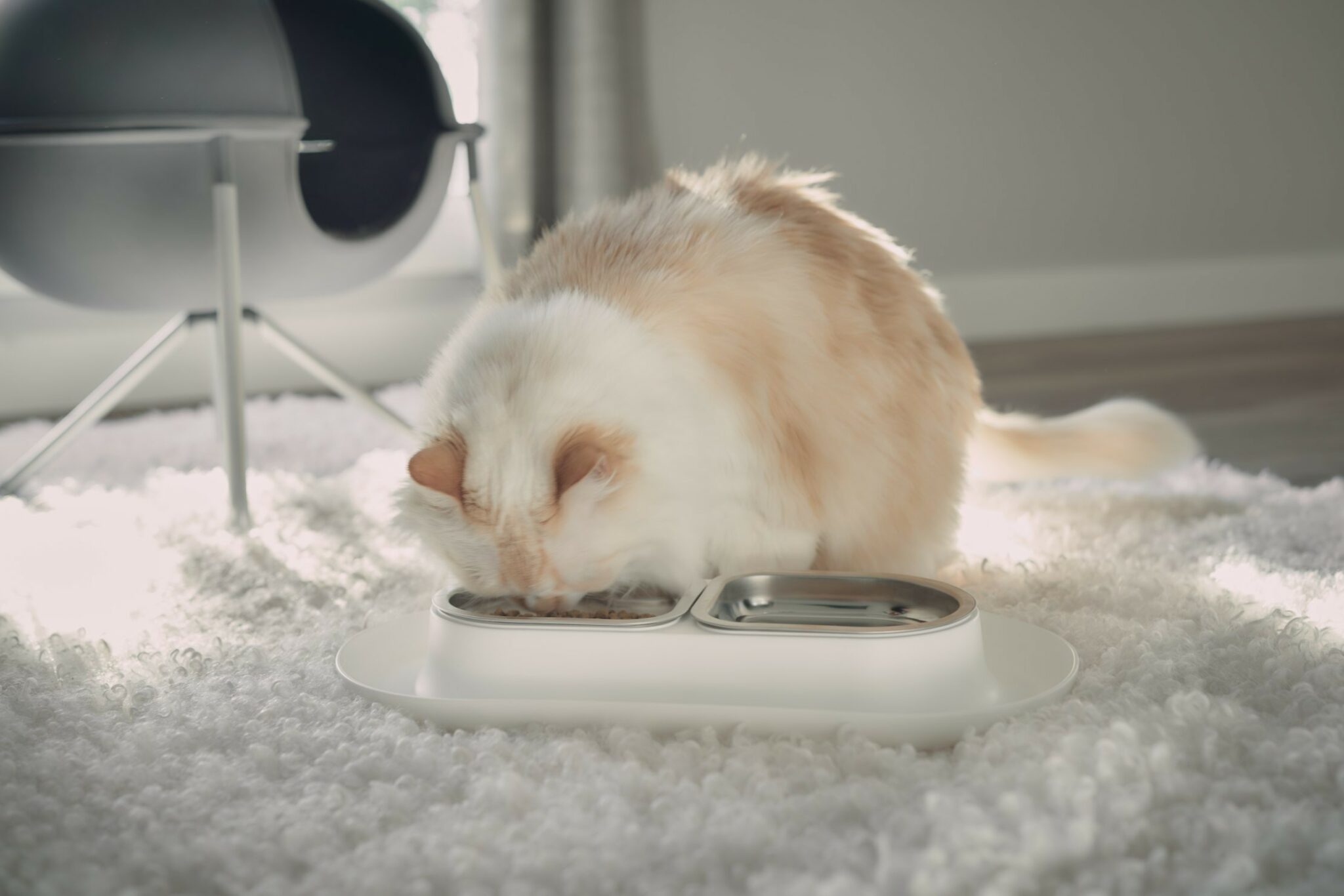
hepper nom nom bowl white cat eating himalayan persian


2. Food Allergies

Like humans, cats can also be allergic to certain foods; some cats are allergic to the meats commonly found in cat foods, like beef, fish, or poultry. Food allergies can also cause cats to become itchy, which leads to overgrooming to try and soothe themselves. Diarrhea and other gastrointestinal issues can also occur with food allergies. We suggest speaking to a vet if you suspect food allergies may be the issue.

If you need to speak with a vet but can't get to one, head over to PangoVet. It's an online service where you can talk to a vet online and get the advice you need for your pet — all at an affordable price!

PangoVet_Mention-in-Content for PangoVet2 save money


3. Inflammatory Bowel Disease

Inflammatory Bowel Disease occurs when inflammatory cells attack the gastrointestinal wall, causing it to thicken and struggle to function properly. In short, it is the chronic irritation and inflammation of the bowel or stomach caused by bacteria, parasites, or food allergies. The signs include chronic diarrhea or vomiting.

tabby british shorthair cat vomiting on the lawn
Image Credit: Nils Jacobi, Shutterstock

4. Parasites

Gastrointestinal parasites are another condition that causes diarrhea in cats. Parasites can be worms or one-celled organisms transmitted by bites, eating spoiled meat, or infected feces. There are several types of intestinal parasites.

These are:
  • Roundworms
  • Tapeworms
  • Hookworms
  • Whipworms
  • Giardia
  • Toxoplasma
  • Coccidia

Along with diarrhea, parasites can also cause bloodied or mucousy stools, vomiting, and bloating in some cases. Parasites are usually treated with medication prescribed by your vet.


5. Cat Exocrine Pancreatic Insufficiency

Cat Exocrine Pancreatic Insufficiency is a condition in which cats lack properly functioning digestive enzymes to break down fats and proteins and produce insulin. It is caused by pancreatitis, cancer, birth defects, or obstruction in some cases. The signs include watery diarrhea, lethargy, weight loss, and unformed feces.

skinny cat
Image Credit: Aun25, Shutterstock

6. Cancer

Cancers of the gastrointestinal tract can sometimes cause diarrhea and vomiting. Cancer is not as common in cats as it is in dogs, but it tends to be more aggressive in cats. Feline Leukemia Virus (FeLV) can also cause persistent diarrhea.

Cancer can be especially difficult to spot in cats since they tend to hide when they’re feeling unwell, even if they’re suffering from a serious illness. For that reason, it’s important to watch out for other signs as well as watery poop, which include:

  • A dull coat that looks more run-down than usual
  • Weight loss
  • Fever
  • Lumps that can be seen or felt through the skin
  • Breathing difficulties
  • Pale gums
  • Swollen lymph nodes
  • Seizures
  • Lethargy
  • Refusal to eat
  • Oral inflammation

7. Hyperthyroidism

Hyperthyroidism occurs when the thyroid gland produces more thyroid hormones than is normal, causing the cat’s metabolism to speed up to abnormal levels. This condition most commonly occurs in cats over the age of eight. Diarrhea is one of the signs, but the others include poor coat condition, hyperactivity, vomiting, weight loss, and frequent urination.

cat pee on carpet
Image Credit: New Africa, Shutterstock

8. Stress

Like humans, stress and anxiety can send a cat’s digestive system into a tailspin. Cats are sensitive to changes in their routine, so if you’ve moved your furniture around, the smell in your home has changed, or you’ve recently moved or adopted a new cat, it can make your cat stressed out. Even moving their litterbox can cause them to have jitters!

divider cat faces 2 oct 2024

What’s Considered Normal for Cat Poop?

A healthy bowel movement should be deep brown, not too hard or soft, and not too foul-smelling. Of course, cat poop isn’t going to smell like a bouquet of roses, but you shouldn’t be heaving or running out of the room when you dispose of it, either.

On the other hand, abnormal cat poop is poop that is:
  • Black or tarry
  • Bloody
  • Contains mucus
  • Frothy
  • Greasy
  • Watery
  • Frothy
  • Hard and dry
  • Infrequent or too frequent

divider cat faces 2 oct 2024

Final Thoughts

Though watery cat poop isn’t uncommon, it isn’t normal either. That doesn’t mean that something serious is causing your cat’s diarrhea—causes can be minor or serious— but you certainly shouldn’t rule out health conditions, especially if the diarrhea doesn’t clear up on its own after a short time. If you’re worried about your cat’s bathroom habits for any reason, contact your vet.


Featured Image Credit: topimages, Shutterstock

Want content like this delivered to you?

Sign Up For Our Newsletter

News, insights, expert advice, and everything cat

* By submitting, you agree to our Terms & Conditions and Privacy & Cookies Policy.

How useful was this post?

Click on a star to rate (you can leave written feedback after clicking submit)

Help us improve Catster for pet parents!

Your feedback really matters.

What did you like about this post? Also how can we improve it?

Join the conversation

Leave a Reply

You’re very welcome to leave a comment or question. Please know that all comments must meet our community guidelines, and your email address will NOT be published. Let’s have a positive and constructive conversation.

Talk With A Vet Online

Peace of mind,
anywhere, anytime

Affordable vet advice

Wellness Cat Food Review of 2025: Recalls, Pros & Cons

Wellness Cat Food Review Summary Started in 1997 by a team of animal wellness experts, including nutritionists, veterinarians, and food scientists, Wellness Pet...

8 Ways to Make a Constipated Kitten Poop (Vet Answer)

If your kitten is constipated, their feces remain in their colon longer than normal, causing the intestines to absorb water and making the...

Eco-Friendly Kitty: How to Reduce Your Cat’s Carbon Pawprint

You recycle your cans and bottles, you’ve replaced plastic bags with reusable totes, and you’ve switched to fluorescent light bulbs. While you do...

Veterinary Telehealth for Cats: Vet Reviewed Pros, Cons & Best Options

There are few things as stressful as having a sick cat. Your mind can race to horrible conclusions instantly, especially when you don’t...

More related

Can You Be Allergic to Cats But Not Dogs? Vet-Approved Facts & Explanation

Cat allergies and dog allergies mean that you display allergic responses to specific proteins secreted by cats or dogs, respectively. Cat allergy sufferers...

7 Ways to Keep Cats Out of House Plants

Is there a way to keep your kitty out of your plants? Of course, you could give away your plants, so you don’t...

How Does Epogen Help With Kidney Failure in Cats? (Vet Answer)

The kidneys are complex, multifunctional organs. They’re most commonly known for the role that they play in filtering the blood and making urine,...

Cats Peeing on Shoes: 7 Vet Reviewed Reasons & How to Stop It

Nothing is worse than slipping your feet into a pool of cat pee—in your own shoe. If your cat has made a habit...

Keep reading

10 Flea and Tick Diseases in Cats: Vet-Verified Facts & FAQ

Living with cats means you will, at some point, have to deal with fleas and potentially ticks. Although we often talk about them in the same breath, they are quite different. Fleas are smaller and have six legs while ticks...

domestic-cat-with-skin-desease

How Long Does It Take for a Cat to Digest Food? Vet-Verified Digestive Anatomy & Physiology

Many pet cat owners love watching their cat feasting on their favorite food, grooming themselves, and then going on to do adorable “cat things”. Meal times also offer pet owners a very interesting way to bond with their pets, feeding...

Cat eating wet food from white bowl on wooden floor

Does Boric Acid Kill Fleas on Cats? Vet-Reviewed Use & Safety Guide

Having fleas on your pet and in your home is a terrible nuisance. Not only do they cause skin irritation for your pets, but they can also lead to other, more serious health problems. There’s also considerable aggravation when it...

boric acid powder in spoon with boric cream and drops bottle

How to Give a Cat a Head Massage: 4 Vet-Reviewed Tips & Benefits

You wouldn’t think giving a cat a head massage would be something your feline would like, but you would be surprised. While not all cats are receptive to being massaged, for some, it helps them to relax, calm down after...

Cat Massage

Does Garlic Kill Fleas On Cats? Vet Reviewed Effectiveness Safety Explained

In addition to warding off vampires, garlic has multiple dietary and medicinal virtues. This bulbous plant can spice up the flavor of almost any dish while taking care of your cardiovascular health, protecting your liver, and combatting infectious diseases. However,...

Garlic

How to Tell if My Cat Still Has Kittens Inside: 10 Vet-Reviewed Signs

If your cat is pregnant, you want the birthing process to go smoothly. As your soon-to-be mother cat prepares to give birth, she’ll be restless and vocal, groom herself excessively around her vulva, pant more, and eat less. She’ll also...

tabby mother cat feeding her kittens

Fear-Free Vet: Vet-Verified Advantages, Disadvantages & FAQ

Vet visits have always been instrumental in promoting our pets’ health and longevity. But for most cats, the experience can be more stressful than anything. The strange setting and unwanted interactions with unfamiliar people make a perfect formula for anxiety,...

vet holding a cat

How to Calm an Anxious Cat: 5 Vet-Approved & Effective Methods

While cats are often seen as independent and enigmatic creatures, they can also experience anxiety, and it can have a profound impact on their well-being. If your once playful and confident feline companion starts to show signs of being unwell—such...

Domestic cat lying on owner's lap

