Manx Cat Health Problems: 8 Vet-Reviewed Issues


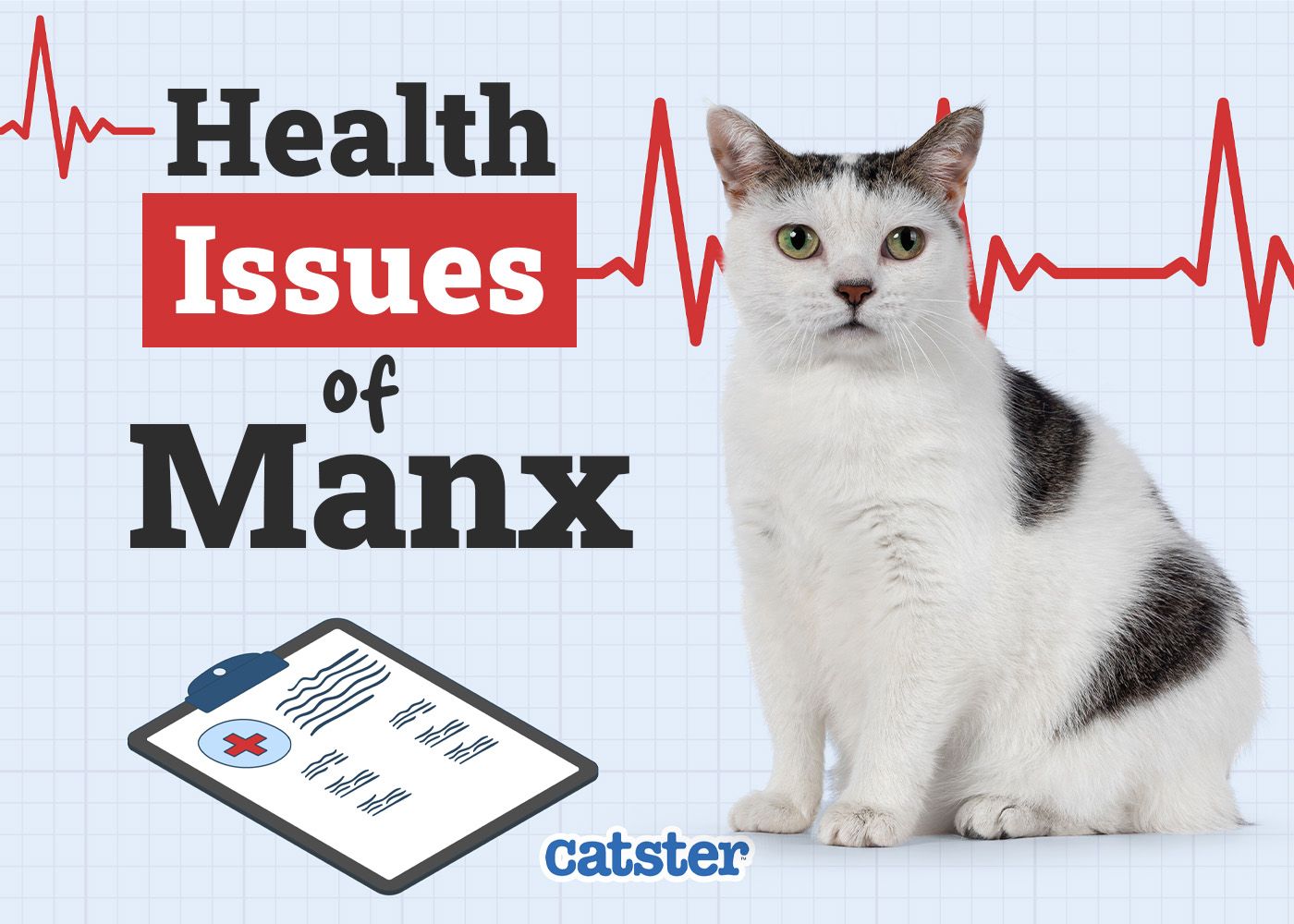
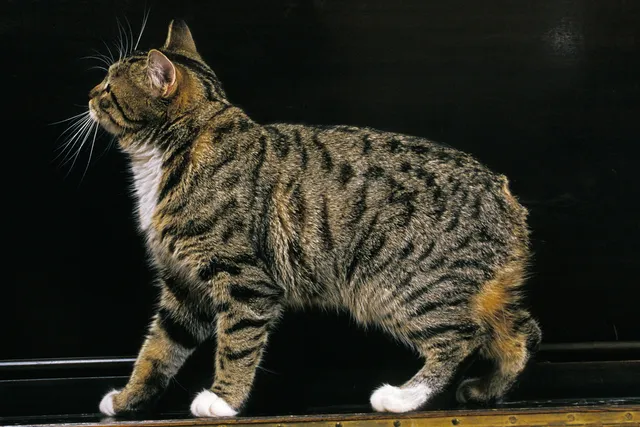
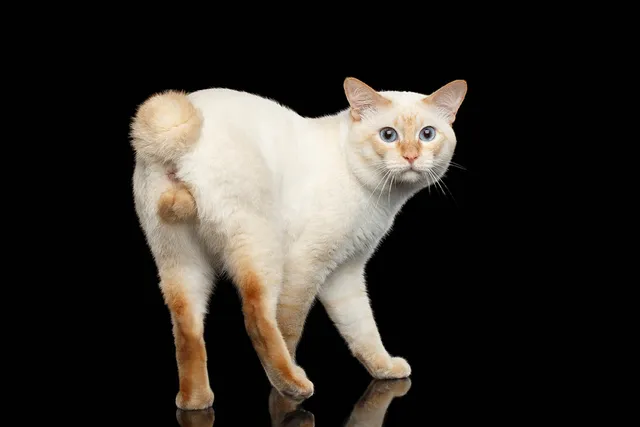
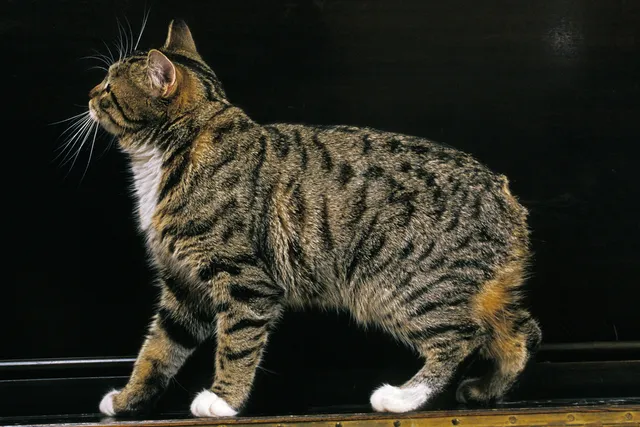
It’s an easy task to fall in love with the Manx cat—their bouncy personalities, communication skills, easygoing temperament, and enjoyment of pets and children make them wonderful additions to most homes. Let’s not forget that tail—or lack of tail—that makes them stand out from most other cat breeds.
Unfortunately, this tailless trait is a gene mutation that can result in other nasty health issues that the Manx cat breed tends to endure. It’s important to be informed about the health issues the Manx breed commonly experiences so that you can make the best decision for your family or know how to best care for your Manx.

The 8 Common Manx Cat Health Problems
1. Spina Bifida
Spina Bifida, often referred to as Manx Syndrome, goes hand-in-hand with sacrococcygeal dysgenesis, which is what causes the stumped tail in Manx cats. It affects not only the spine but also the nerves. Spina Bifida has various types and can have few apparent signs, but it’s typically seen in kittens.
Some signs you may see are malformations in the spine, limping, weakness in the back legs, lack of bladder and bowel control, constipation, seizures, paralysis, swelling, and infection in the spine.
This condition reduces a cat’s quality of life, and deliberately breeding a cat to have an absent tail is unkind and unethical. The tailless condition is caused by dominant genetic inheritance, meaning only one of the cats bred together needs to have the dominant gene. Cats with less severe signs may have to undergo surgery, while cats with severe signs may need to be euthanized.
Therefore, it’s important only to consider Manx breeders who are ethical and educated about Manx health problems.
2. Corneal Dystrophy
The outer layer of the eye is called the cornea, which gets affected most in corneal dystrophies. It can be seen in kittens as early as 6 months. Unfortunately, the corneal disease usually affects both eyes. It causes grayish opacities in the cornea, resulting in vision loss, complete blindness, or pain, depending on the corneal layer it affects. Treatment can range from antibiotics to surgery.

3. Feline Asthma
All cat breeds are at risk for Feline asthma; however, it’s commonly seen in Manx cats. It’s typically caused by an allergic reaction to an allergen your cat is sensitive to, such as dust, pollen, certain sprays, etc. It’s recurring and causes inflammation in your cat’s lungs and narrows their airways, resulting in coughing, wheezing, and difficulty breathing.
Your cat may have persistent or episodic asthmatic symptoms. Although any cat breed, age, or sex can develop feline asthma, some breeds are predisposed to it, indicating that it could be inherited.
4. Fatty Liver Syndrome (Hepatic Lipidosis)
Unfortunately, this disease is common in cats, especially overweight felines. Manx cats are prone to gaining unhealthy weight and are in danger of getting fatty liver syndrome. Fatty Liver Syndrome occurs when an overweight cat stops eating for some reason. Fat is then moved to the liver to produce energy.
The liver struggles with this influx of fat, resulting in hepatitis and jaundice. Cats suffering from the disease will experience weight loss, vomiting, diarrhea, constipation, depression, yellow eyes and gums, drooling, and much more. If you notice these concerning sings, you need to take your cat to the veterinarian promptly to receive treatment.

5. Arthritis
Some Manx cats don’t necessarily fit the description of a tailless breed since the tail length varies. Likewise, not all adult Manx cats with tails suffer from arthritis in their tails, but many do. However, Manx breeders still dock the tails of their kittens to avoid suffering from the condition later in their lives.
In fact, the pain can be so bad that their tails may need to be amputated if they weren’t docked as kittens. If you have a tailed Manx, look out for signs of arthritis in your cat, including stiffness, swelling, inflammation, and pain in the tail.
6. Diabetes
It’s vital to watch your Manx’s diet because they’re prone to weight gain, which can lead to diabetes. Diabetes occurs when the cat’s body cannot turn glucose into an energy source. Diabetes can cause excessive thirst, urination, appetite, and weight loss, but it can also lead to life-threatening illnesses if not managed and controlled.
Unfortunately, just as the case with humans, diabetes in cats is on the rise because more and more cats are becoming obese. It’s important to monitor your Manx’s food intake and give them a healthy, nutritious diet in the right portion sizes.

7. Deafness
A condition that you may overlook in your Manx cat is deafness. Cats can hide their disability quite well, especially if they were born with it, which is usually true with white Manx cats since a genetic defect causes it.
Over time, you may notice that your cat doesn’t respond to you, doesn’t wake up from noises, gets frightened much easier than other cats, and doesn’t react if facing the other way.
8. Mast Cell Tumors
Mast Cell Tumors can be found on your Manx cat's skin or internal organs and can be of varying grades. Unfortunately, regardless of the type, they can reoccur. They’re commonly found on the head and look like hairless, inflamed bumps.
Manx cats are at slightly higher risk of mast cell tumors than other breeds. If you find a suspicious bump on your cat’s head, body, or legs, take them to the veterinarian; they can run tests to determine if it is a mast cell tumor and whether or not it’s cancerous.

How To Keep Your Manx Healthy
Some kittens may be born with specific health issues, and there isn’t much you can do to prevent them. In the same way, your Manx cat may never experience any of these issues and live a happy and healthy life.
To lower your risk of taking home a cat with multiple health issues, only consider ethical breeders who have educated themselves on the breed’s health risks. Avoid kittens that have been deliberately bred from tailless cats that have the defective gene.
Regardless of your cat’s breed, take them to the veterinarian on an annual basis for a check-up. If any condition arises, your veterinarian could diagnose and treat it early, giving your cat a better prognosis.
To keep your Manx cat at a healthy weight, monitor their food intake, avoid giving them excessive amounts of treats, and feed them a nutritious diet.

Conclusion
As with all breeds, Manx cats are at risk of certain health issues. Some are severe conditions that may be life-threatening, while others can be lived with without too much discomfort. Although they’re at risk, it doesn’t guarantee that they will develop any health issues; however, an annual check-up at the veterinarian is recommended to make sure your cat lives a happy and healthy life.
Sources
https://vethelpdirect.com/vetblog/2021/05/20/what-is-manx-syndrome-in-cats/
https://www.petmd.com/cat/conditions/eyes/c_ct_corneal_dystrophies
https://www.pdsa.org.uk/pet-help-and-advice/looking-after-your-pet/kittens-cats/manx
https://www.petmd.com/cat/slideshows/care/signs-of-arthritis-in-cats#slide-9
https://vcahospitals.com/know-your-pet/living-with-a-deaf-cat
Featured Image Credit: TheMetalDroid, Shutterstock
Expert cat care, straight to your inbox
News, insights, and useful advice, delivered to you.

No spam — unsubscribe anytime.
By signing up, you agree to our Terms & Conditions and Privacy & Cookies Policy.
How useful was this post?
Click a star to rate. You can leave written feedback afterwards. (We read all feedback.)
Keri-Beth is a freelance writer from South Africa who loves writing about cats. She's very passionate about pet care and has spent quite a bit of time volunteering at animal shelters. Keri-Beth currently has two dogs: Benji, the Golden Cocker Spaniel, and Gracie, the Boerboel.
Keri-Beth's favorite hobbies include photography and camping. She lives with her husband, who is a professional drummer.