Get

In Your Inbox

Catster is reader-supported. When you buy via links on our site, we may earn an affiliate commission at no cost to you. Learn more.

Is Sedum Poisonous to Cats? Common Houseplants Examined & Vet-Reviewed

Share

Catster_Is Sedum Poisonous to Cats

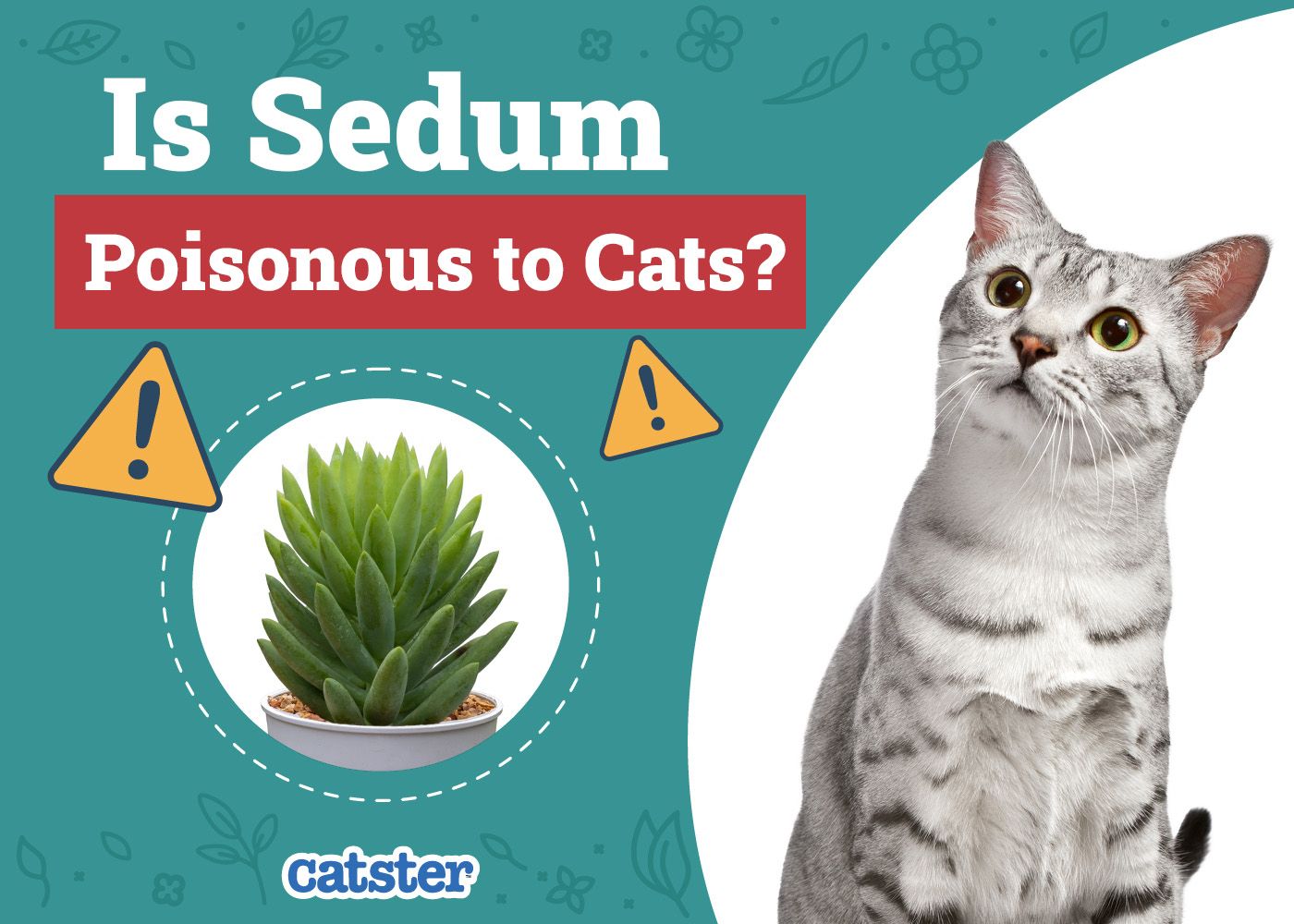
When it comes to succulents and cats, you can never be too careful. The last thing you want is something growing in your garden or that you bring into your home to make your furry friend sick or worse.

Luckily, sedum is one of the succulents that aren’t poisonous to cats. Genus Sedum or stonecrop consists of around 600 species of succulent plants in the family Crassulaceae.1 However, some succulents are toxic not only to your feline but also to dogs and horses.

In this article, we’ll discuss what sedum is and what it’s used for, and then we’ll examine the succulents you’ll want to avoid and a few others that are safe to have around your animals.

divider single cat paw oct 2024What Are Sedum Succulents?

Sedum Succulent
Photo Credit: Pixabay

Sedum is also known as stonecrop. Officially called the Sedum genus, the succulent is made up of several hundred succulents and is used for groundcover in gardens and houseplants. It stores water in its fleshy leaves and is exceptionally hardy. Sedums require very little care for them to thrive indoors.

Although sedums are safe to keep in your home around your cats, any cat can have an allergic reaction to a succulent. If you feel that sedum succulents have made your cat sick, it’s best to make an appointment with a vet to be on the safe side.

What Are the Signs to Watch Out For?

If you think that sedum succulents are upsetting your cat’s stomach, if they eat them in excess, there are a few signs you need to watch out for.

  • Vomiting
  • Upset stomach
  • Drooling
  • Diarrhea

While sedum succulents aren’t toxic to cats, there are quite a few succulents out there that are. Below, we’ll give you a brief list of the toxic succulents for your cat and then a list of the ones that are safest to have around your feline pals.

divider cat faces 2 oct 2024

Which Succulents Should You Keep Away from Your Feline?

Some succulents are more dangerous than others. It’s a good idea to download the ASPCA’s toxic plant list and use it every time you decide to bring a new plant home. Many pet owners are surprised at the number of succulents on the list that are dangerous to their pets.

You can also ask the nursery owners for additional care tips and information on how the species can be kept without harming your pets. However, there are a few succulents that you should avoid at all costs.

Aloe Vera

aloe vera plant
Image Credit: Nevada31, shutterstock

While great for sunburn, cuts, and cosmetic reasons, aloe vera isn’t the best thing to keep around your cats. If your cat eats the aloe vera plant, it can cause vomiting and diarrhea. Most cases of aloe vera toxicity are mild to moderate, but that depends on the amount your cat ingests before you notice.

Other Succulents to Avoid

  • Jade
  • Crown of Thorns
  • Kalanchoe
  • Pencil Cactus

Which Succulents Are Safe to Have Around Your Feline?

Ponytail plant
Image Credit: Alexas_Fotos, Pixabay

While it’s sad that you can’t keep all the succulents in your home, at least there are quite a few that you can have.

  • Houseleeks
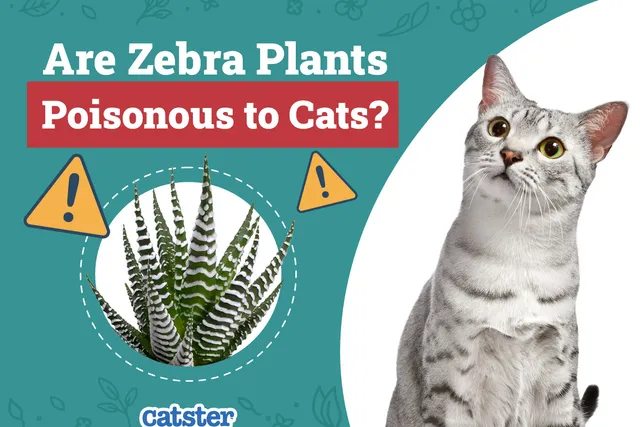
  • Haworthia
  • Burro’s Tail
  • Ponytail Palm
  • Christmas Cacti
  • And more

If you’re unsure which succulents are safe to have around your cat, you can discuss them with a vet or check out the ASPCA Toxic and Non-Toxic Plant List.

If you need to speak with a vet but can't get to one, head over to PangoVet. It's an online service where you can talk to a vet online and get the advice you need for your pet — all at an affordable price!

PangoVet_Mention-in-Content for PangoVet2 save money

How Can I Keep My Cat Safe?

You can restrict access to the plants, so your cat is not tempted to swipe or bite the sedums.

It’s best to keep the succulents in a room with a locked door since fallen leaves are seen as toys by many cats and can still make them sick if ingested. Elevating your sedums in plant baskets can also help, but you’ll have to check the floor underneath for fallen leaves and blooms frequently.

divider cats oct 2024Wrapping Up

Researching the succulents and worrying about which ones are safe for your cat can be overwhelming and scary. Luckily, you can prevent your furry friend from eating succulents that could harm them by researching the particular species before you go to the plant nursery.

It’s best to give away any plants that could hurt your animals, but if you decide to keep them instead, put them where your cats, dogs, and other animals can’t reach them. If your cat is poisoned by a succulent or another plant, get them to an emergency vet immediately for diagnosis and treatment.


Featured Image Credit: Pixabay

Want content like this delivered to you?

Sign Up For Our Newsletter

News, insights, expert advice, and everything cat

* By submitting, you agree to our Terms & Conditions and Privacy & Cookies Policy.


How useful was this post?

Click on a star to rate (you can leave written feedback after clicking submit)

Help us improve Catster for pet parents!

Your feedback really matters.

What did you like about this post? Also how can we improve it?

Join the conversation

Leave a Reply

You’re very welcome to leave a comment or question. Please know that all comments must meet our community guidelines, and your email address will NOT be published. Let’s have a positive and constructive conversation.


Talk With A Vet Online

Peace of mind,
anywhere, anytime

Affordable vet advice

Do Cats Cause Schizophrenia? Scientists Find a Link – Here’s What It Means

Being a fierce advocate (and occasional recipient of) mental health support and awareness, the term ‘crazy’ is not one I like to fling...

One in 100 Cats Gets Diabetes – Here’s How to Catch It Early

One in every 100 cats develops diabetes.1 That’s not a rare, unlucky condition reserved for cats with obvious health problems. It’s common enough...

Dramatic Rescue Turns Into Dramatic Reunion

What started as a routine call for the RSPCA became a heroic, five-hour rescue featuring one trapped and traumatized cat, an emotional family...

Ask Dr. Paola – Help! How Do I Know if it’s Ear Mites! (May 4, 2026)

Welcome to our “Ask Dr. Paola” series, where every Monday we bring expert advice straight from Dr. Paola Cuevas (MVZ) to help our...

More related

How Much Does a Peterbald Cat Cost? 2026 Price Guide

Peterbald cats are highly affectionate, vocal, and loyal. They are a relatively new breed discovered in the 1990s in Saint Petersburg, Russia, where...

Cat Mange & Scabies: Our Vet Explains Causes, Symptoms & Treatments

All pet parents are familiar with the common parasites, fleas, and ticks that can affect our four-legged friends, and they regularly prevent them...

Do Abyssinian Cats Shed a Lot? Vet-Reviewed Care Facts

Compared to other cat breeds, the Abyssinian cat does not shed much. They have a short, dense coat, and if you brush them...

11 Best Water Bowls for Cats in 2026 – Reviews & Top Picks

As responsible cat owners, we understand the importance of providing our feline companions with a suitable water bowl that encourages hydration and ensures...

Keep reading

Can Cats Eat Rice? Vet-Approved Facts & FAQ

Cats are obligate carnivores—that is, they are meant to eat mostly animal protein. But while it’s true that felines need specific nutrients only found in animal tissue, they can tolerate small amounts of carbs, which means, technically, yes, cats can...

Can Cats Eat Rice

Can Cats Eat Prunes? Risks & Safe Alternatives

For humans, the health benefits of antioxidant-packed dried plums can’t be understated. They’re commonly eaten to ease constipation and nausea. Therefore, you may be wondering if you can give prunes to your cat. Unlike humans, cats shouldn’t eat plums or...

Can Cats Eat Prunes

Why Does My Cat Lick Me, Then Bite Me? 5 Vet-Verified Reasons for This Behavior

Sometimes our cats do slightly strange things that can leave us scratching our heads. One example is when your cat licks you and then bites you soon after—What’s up with that? Some cats might give you a tiny bite that...

White cat bitting fingers

Why Does My Cat Nibble Me? 5 Vet-Verified Reasons

Cats are curious creatures that often get into trouble for following their instincts. Whether they’re ruining furniture, meowing all night long, or getting into the garbage, every cat seems to display at least one behavior that their owners are not...

a young tabby cat bites a woman's feet

How to Spot a Broken Cat Tail: 5 Vet-Reviewed Steps

Cats have very flexible tails, and you may even see them with “kinks” and strange angles. Usually, this doesn’t mean that the cat’s tail is broken. However, cats can certainly break their tails. While a tail may seem like one...

tail of a cat on vintage background

Scruffing a Cat: Vet-Reviewed Risks & Safety Advice

Cats have been beloved companions to humans for centuries; art, writing, and antiquities from cultures across the world feature cats. Due to their popularity, cat enthusiasts often find themselves navigating a vast sea of information on how to best care...

Owner grabbing a cat by the Scruff

Blue Buffalo Cat Food Review in 2026: Recalls, Pros & Cons

Review Summary Many pet owners might be surprised to learn that Blue Buffalo was only founded in 2003. Despite being a relatively young company, Blue Buffalo has quickly carved out a name for itself as one of the premier manufacturers...

Blue Buffalo Cat Food Review

Can Cats Drink Soda? Vet Approved Nutrition & Safety

Are you a soda lover who can’t go a day without a big, tall glass of your favorite fizzy drink? If you’re also a cat owner, maybe you’ve seen your cat drink some leftover soda you left in a glass....

Can Cats Drink Soda

Love Cats? So Do We! Join the Catster Community

Stay informed with expert pet care insights delivered straight to your inbox! Discover professional guidance on animal behavior, feeding tips, trusted product picks, and much more.


Sign up for the Catster Email Newsletter

Stay informed with expert pet care insights delivered straight to your inbox! Discover professional guidance on animal behavior, feeding tips, trusted product picks, and much more.