Do Flea Collars Work on Cats? Vet-Approved Facts & FAQ


In this article
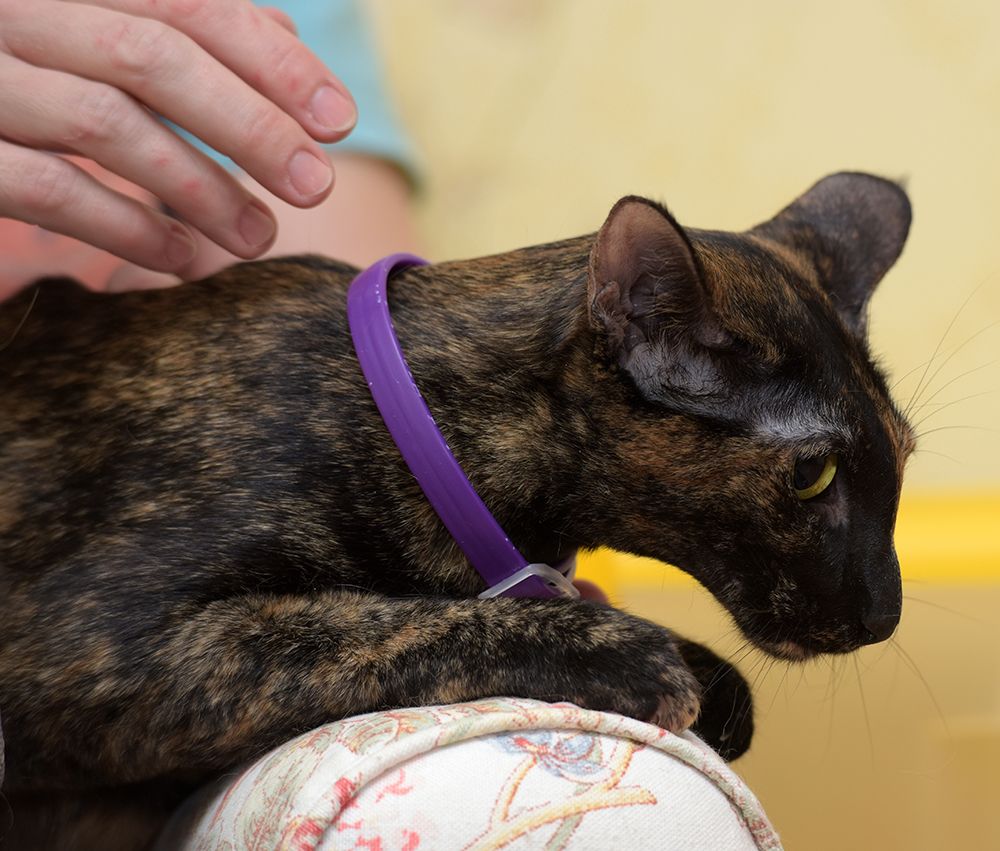
As much as we love our cats, dealing with fleas can be a huge pain. Flea collars are one method of flea prevention that many pet owners opt for, but do they actually work? The answer is yes, but they might not be the best option for everyone. They can be a helpful part of a multi-step approach considering your individual situation.
Read on to find out everything you need to know about using flea collars on cats, including whether or not they’re effective.

Do Flea Collars Get Rid of Fleas on Cats?
A lot of pet parents ask themselves this question, and the answer isn’t always cut and dry. Flea collars can be effective at repelling and killing fleas, but not all of them are equally effective. Also, because each cat is different, they don’t work for everyone.
There are a few things you need to take into account when deciding if a flea collar is the right choice for your cat.

The 3 Questions to Ask if You’re Considering a Flea Collar for Your Cat
1. How bad is your flea problem?
If you only have a few fleas, a collar might be enough to get rid of them. But if you have a heavy infestation, you’ll need to use other methods in addition to the collar.
2. How will your cat react to the flea collar?
Some cats are very sensitive to the chemicals in the collar and can react to them. Others simply don’t like wearing them and will try to take them off. If your cat falls into either of these categories, a flea collar is certainly not the right choice.
3. How often are you willing to put the flea collar on and take it off?
Flea collars need to be replaced every few months, and some pet parents find this to be a hassle. If you’re not willing to put the time and effort into using a flea collar correctly, it’s probably not the right choice for you.
So, do flea collars work on cats? The answer is yes, but they might not be the best option for everyone. Consider your situation before making a decision.

Why Does My Cat Still Have Fleas with a Flea Collar?
You’ve tried flea collars, but your cat still has fleas. What gives? The truth is that there is no way to stop fleas completely. Flea collars can help to reduce the number of fleas on your cat, but they are not 100% effective. There are a few things you can do to help reduce the number of fleas on your cat:
- Speak to your vet about your cat’s specific needs. They can prescribe medication that will help to kill fleas and prevent them from coming back.
- Vacuum your house regularly. This will help to remove any fleas and larvae that are living in your carpet.
- Treat your house. Use a special flea home flea spray that stops the development of flea eggs and larvae and kills adult fleas in those areas that are especially hard to reach. Read the instructions carefully and keep your cat and family away while it works.
- Wash your cat’s bedding in hot water. This will kill any fleas that are living in their bed.
- Treat all the pets in the household. Otherwise, you won’t keep parasites under control.
If you are still having trouble with fleas, talk to your vet. They can prescribe medication that will help to kill fleas and prevent them from coming back.
How Do I Know if My Cat’s Fleas Are Gone?
Okay, you’ve tried the flea collar, but you want to make sure those fleas are gone for good. Here are a few things you can do to check:
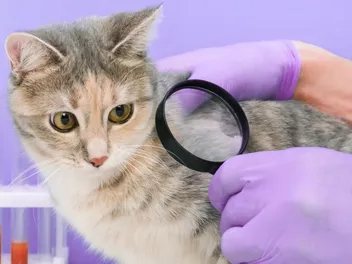
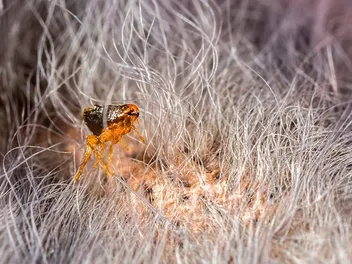
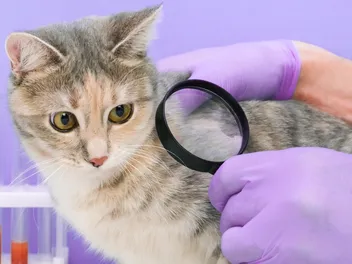
- Check your cat’s fur and skin for any signs of fleas or other parasites. If you see any, remove them with a fine-toothed comb, check if they are dead or alive, and dispose of them. If they are dead, your flea product is working. If the fleas are still alive, you should speak to your vet and change your strategy.
- Inspect your cat’s coat, bedding, and sleeping areas for any flea dirt. If you find any, wash the bedding in hot water and vacuum the sleeping areas thoroughly. You should stop seeing flea dirt as the fleas die off.
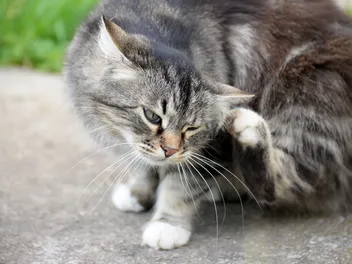
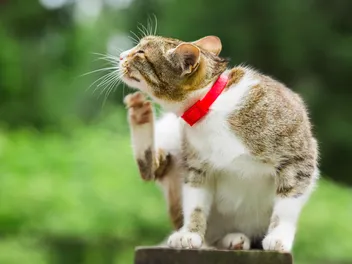
- Watch your cat’s grooming habits. If your cat is still itching and overgrooming, chances are they are still suffering from an infestation.
If you follow these steps and fleas are still bothering your cat, it is possible that the flea collar is not working. You may need to try a different method of flea control, such as oral medication or spot-on treatment. Talk to your vet about which option is best for your cat.

Conclusion
Not all cat flea collars contain the same molecules and have the same efficacy. A vet-recommended flea collar might be a good option for your cat, but you should consider all your options speaking to your vet because you need to take into consideration your cat’s age, lifestyle, and severity of the flea infestation. A flea collar can be a helpful part of a multi-step approach to keeping your feline friend free of these pesky parasites.
In addition to using a collar, you should also employ regular combing and vacuuming and take your cat to the vet for regular check-ups. With a little diligence, you can help your cat avoid the discomfort of fleas!
Featured Image Credit: Anna Krivitskaya, Shutterstock
Expert cat care, straight to your inbox
News, insights, and useful advice, delivered to you.

No spam — unsubscribe anytime.
By signing up, you agree to our Terms & Conditions and Privacy & Cookies Policy.
How useful was this post?
Click a star to rate. You can leave written feedback afterwards. (We read all feedback.)
Christian started writing for a local newspaper as a teenager, and he's been involved in the publishing industry for most of his adult life. Combining his love of writing with a passion for animals, he is currently the Director of Editorial at Pangolia and the Editor-in-Chief at Catster.
Christian lives in the Philippines with his wife, son, and four rescue cats: Trixie, Chloe, Sparky, and Chopper.