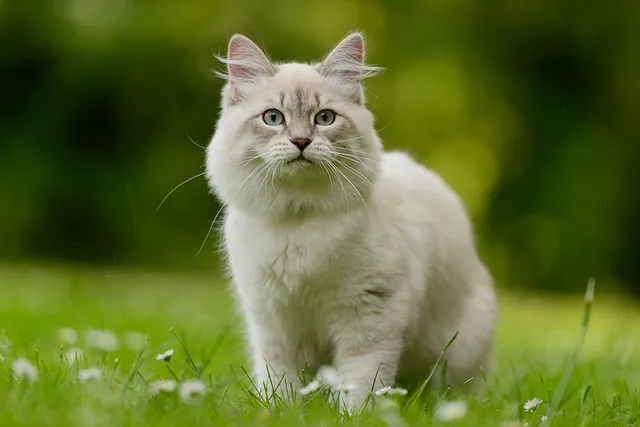
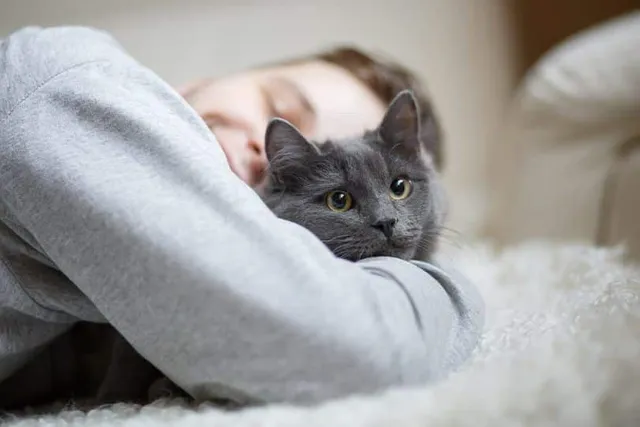
20 Cool Cat Breeds: Top Choices for Your Home (With Info & Pictures)
Selecting the ideal feline for your home can be an agonizing process with so many exceptional breeds available. All cats are unique and wonderful, but which one is right for your family?
To make your search a little easier, we have compiled a list of the top cool cat breeds.

The Top 20 Cool Cat Breeds
1. Ragdoll

Breed Overview
Lifespan:
Weight:
Height:
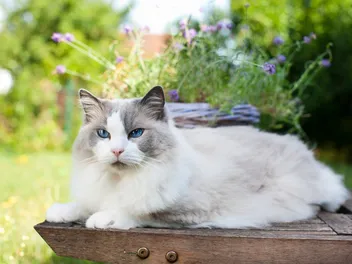
Ragdolls are best known for their affectionate and calm nature. They are described as puppy-like and love being around people, and they make excellent family pets. Their gorgeous blue eyes and plush coats make them stand out, and their sweet, docile temperament is what earns them their name. Like a ragdoll, they go limp and relaxed when you pick them up and completely surrender to the cuddles of their owners.
2. Munchkin

Breed Overview
Lifespan:
Weight:
Height:
Munchkins are short and sweet cuties that are known for their sausage dog-like legs, earning them the nickname “sausage-cats.” They are active and playful and enjoy the company of their owners but are also happy in their solitude. Munchkins find joy in stashing their toys to play with later, which may send you on the hunt if you discover your favorite piece of jewelry missing. Another fun fact about these cats is that they were named after the munchkins from The Wizard of Oz.
3. Sphynx

Breed Overview
Lifespan:
Weight:
Height:
The Sphynx is a hairless cat with suede-like skin. This unique feline is friendly and loving and will be happy to spend its days curled up on your lap and greet you at the door after a long day of work. Hairless doesn’t mean low maintenance because you will need to take extra care of its sensitive skin, protecting it from sun and cold. In the winter, the Sphynx may need a kitty sweater and plenty of cuddles to make up for its lack of fur.
4. British Shorthair

Breed Overview
Lifespan:
Weight:
Height:
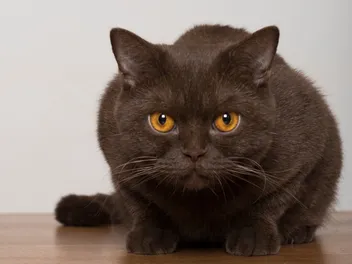
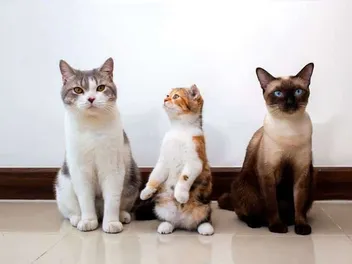
British Shorthairs are pleasant and loyal companions that love to spend time with their owners. They are easy-going and placid, and although they are friendly, they may reject your cuddles but do not take them to heart. They are as cute as stuffed toys with their dense coat, broad bodies, and round faces. Interactive play is important to keep this cat in good shape.
5. Bengal

Breed Overview
Lifespan:
Weight:
Height:
Since it’s crossed with an Asian leopard cat, the Bengal is a domestic breed that loves the outdoors. Despite their wild appearance, Bengals are loving and friendly, and they prefer families that matches their energy levels, so playtime is essential. Because they have lots of energy, Bengals need an adequate space to run around freely. Their easy-to-groom coat is plush with marble markings that sometimes shimmer in the sunlight like diamonds.
6. Maine Coon

Breed Overview
Lifespan:
Weight:
Height:
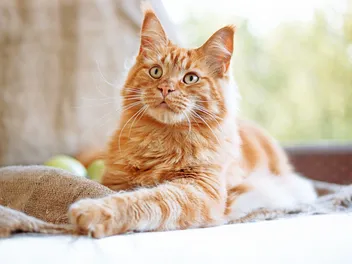
Maine Coons are well known for their size and are one of the biggest domestic cat breeds. They are loved for their friendly personalities and fluffy fur, and they need regular grooming to keep their coats tangle-free and smooth. Because they’re vulnerable to obesity, the Maine Coon’s nutrition needs to be carefully monitored and controlled to avoid becoming overweight. They need adequate space to exercise, and when they do, you will hear them before you see them since their heavy bodies make a lot of noise.
7. Scottish Fold

Breed Overview
Lifespan:
Weight:
Height:
Scottish Folds have round bodies and round heads, but their sweet, folded ears are their most endearing traits. Their tails can become stiffer over time, and they need to be handled gently. They are sweet and gentle cats that are affectionate with their family. Scottish Folds are not as active as other breeds, but they love to eat. This means that the cat’s diet must be carefully managed to prevent it from becoming overweight.
8. Birman

Breed Overview
Lifespan:
Weight:
Height:
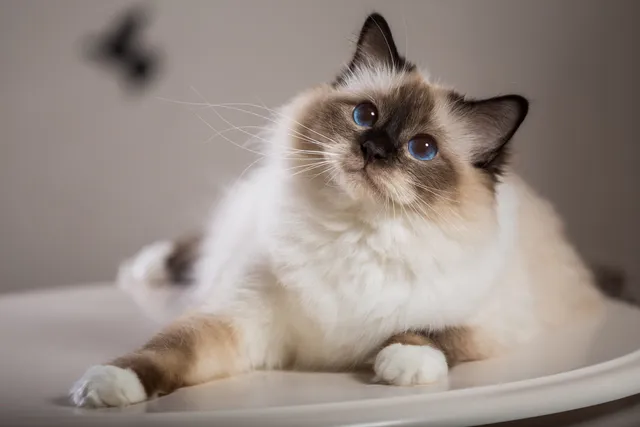
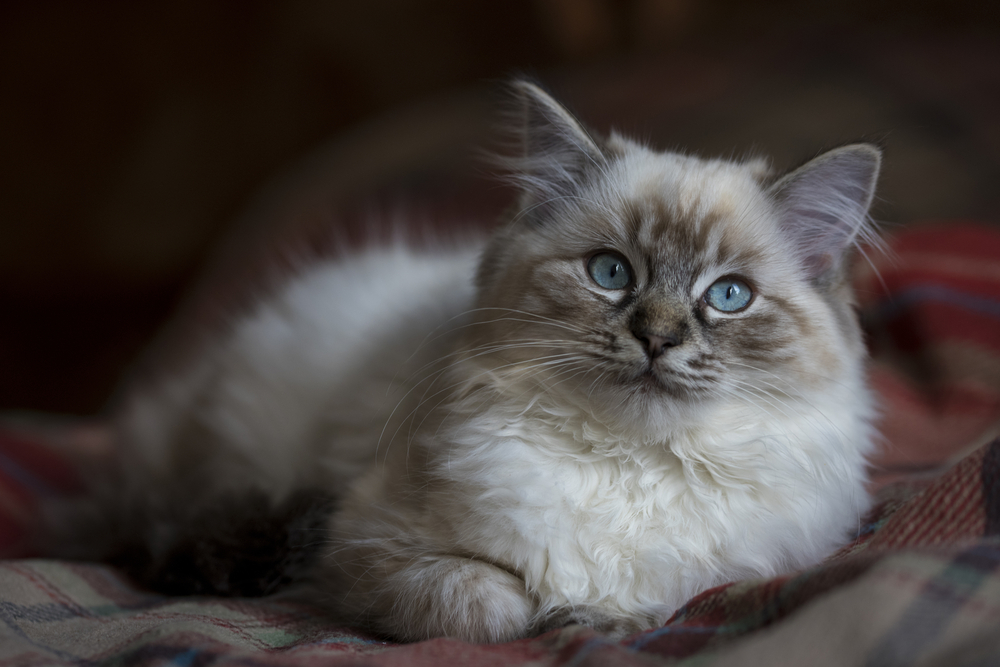
Birmans are famous for their intense blue eyes and white-mitted feet. They do not always show the same affection to everyone in the home and tend to latch onto one member of the family. Sometimes, they can become upset if they do not receive enough attention. Daily brushing is advised to avoid matting as the Birman’s fur is very fine. Regular exercise is vital since the stocky cats are prone to pick up weight.
9. Devon Rex

Breed Overview
Lifespan:
Weight:
Height:
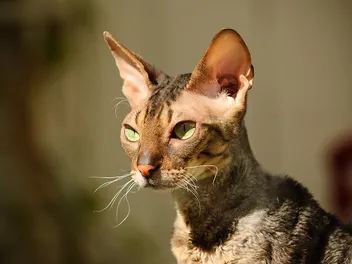
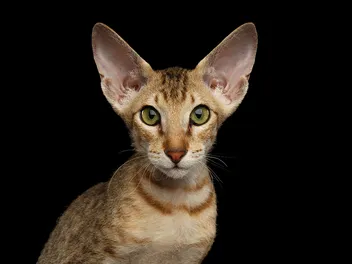
These elf-like kitties are playful and friendly. Because of their high levels of intelligence, Devon Rexes can easily learn new tricks. Their fur is unusual, curly, and very fragile, so brushing should be avoided. However, they can be gently groomed by rubbing them with a soft cloth. Devon Rexes often have broken whiskers because they’re also fragile, but this look is fitting for their sweet clown-like personalities and kitten-like antics.
10. Abyssinian

Breed Overview
Lifespan:
Weight:
Height:
Abyssinians are said to be one of the oldest and most popular breeds. They are the epitome of an ideal pet as they are playful, loving, affectionate, social, and entertaining. They are easy to look after and will bring joy to any family. An Abyssinian’s coat is unique because it’s spotted like the fur of wild cats. These active kitties will also appreciate a jungle gym where they can jump and climb.
11. Persian

Breed Overview
Lifespan:
Weight:
Height:
Persians have long fluffy coats, and their flat faces make them one of the cutest felines. These charming and elegant kitties love being with their owners, lapping up kisses and cuddles, and relaxing on the couch. They are also happy to be alone, making them the perfect, easy-going pets. Although they make great lap cats and enjoy being picked up, they require daily grooming to keep their coats healthy.
12. Somali

Breed Overview
Lifespan:
Weight:
Height:
The Somali is adventurous and curious, and you will need to play with it regularly to help it avoid boredom-induced misbehavior. To some, this breed is known as the “hairdresser cat” because they enjoy playing with their owner’s hair, including beards. They are gentle around children, affectionate, and enjoy kneading to show their love. Somalis are long-haired cats that are easy to groom, and their coloring is reddish-brown like a fox.
13. Egyptian Mau

Breed Overview
Lifespan:
Weight:
Height:
The Egyptian Mau is a regal and elegant-looking feline. It’s remarkably beautiful with a shiny spotted coat and athletic build. Maus are usually loving and affectionate with the whole family but tend to stick with just one person, and although they may be coy with strangers, they don’t take long to warm up to their families. They don’t need much grooming, but when it is grooming time, they will appreciate a bit of playtime, too.
14. American Bobtail

Breed Overview
Lifespan:
Weight:
Height:
Due to their gentle and affectionate personalities, American Bobtails are known as the ‘golden retrievers’ of cats. Living up to their name, they have short, bobbed tails. Their coats can be practically any color, and they can have short or long fur. Bobtails are a rare breed that can cost a pretty penny, but their sweet and friendly temperament will make you forget the cost. Because Bobtails shed a lot, they’re not ideal for allergy sufferers.
15. Serengeti

Breed Overview
Lifespan:
Weight:
Height:
The Serengeti is a domestic breed that is a cross between a Bengal and an Oriental shorthair. Its coat has spots, like that of a leopard, which gives the feline a wild cat appearance. The Serengeti will curl up on your lap and is known for following their owner around like a shadow. Finding one of these cuties may be difficult to find because very few breeders breed Seregnetis.
16. Selkirk Rex

Breed Overview
Lifespan:
Weight:
Height:
Admired for its curly coat that earned the nickname “cat in sheep’s clothing,” the Selkirk Rex is one of only four breeds of cats with wavy fur. It is adorable and cuddly and as cute as a teddy bear. Selkirk Rexes are affectionate and love attention, and they’re ideal for active families. Playtime and toys are essential to keep this kitty busy because it’s an intelligent breed that easily gets bored.
17. Siberian

Breed Overview
Lifespan:
Weight:
Height:
These gorgeous Siberians, unfortunately, come with a high price tag due to the low number of purebreds outside of Russia. Their Russian heritage paired with their thick, water-repellent coats allow them to tolerate extremely cold climates. They can take as long as five years to reach adulthood, which means you will enjoy your playful and affectionate kitty for a long time.
See Also: Siberian Munchkin Cat Mix
18. Manx

Breed Overview
Lifespan:
Weight:
Height:
As one of the oldest known cat breeds, the Manx are known for being round, and they often have stubby tails or no tails at all. They are intelligent and sociable and can be trained to fetch things and obey verbal demands. This makes the Manx a great family pet, especially for families with children. The Manx has a double coat that requires daily brushing to remove loose fur.
19. Turkish Van

Breed Overview
Lifespan:
Weight:
Height:
The Turkish Van is a unique breed that, unlike most cats, doesn’t shy away from water as they are strong, capable swimmers. They love water and can often be found happily swimming in your bathtub. They are intelligent and can be trained easily to do tricks. As affectionate and loveable as they are, Turkish vans will happily lay near the couch while you watch television, but they prefer to not be picked up.
20. Norwegian Forest Cat

Breed Overview
Lifespan:
Weight:
Height:
These gorgeous kitties are recognized by their large size, bushy tails, and long fur. The Norwegian Forest Cats’ waterproof coats are designed to protect them from winters in Norway, and they also have a dense undercoat for extra insulation. Forest Cats are gorgeous and elegant, and their playful and affectionate nature makes them easy to connect with. They are perfect for a family with kids since they are tolerant and laid back, and their slow maturity means they have a kitten’s energy.
Conclusion
It’s no surprise that cats are popular pets to own, with such a variety of cute and unique breeds. If you have your heart set on a purebred kitty, it is important to research the breed and get as much information about the breeder as you can. There are also plenty of shelters with kitties that would love to come home with you.
Whichever cool cat breed you decide to add to your family, it'll provide you with cuddles and lots of love for years to come.
Featured Image Credit: cath5, Shutterstock

Expert cat care, straight to your inbox
Vet-reviewed advice, behavior tips, and the best of Catster. Free, and you can unsubscribe anytime.
By signing up, you agree to our Terms & Conditions and Privacy & Cookies Policy.

Christian started writing for a local newspaper as a teenager, and he's been involved in the publishing industry for most of his adult life. Combining his love of writing with a passion for animals, he is currently the Director of Editorial at Pangolia and the Editor-in-Chief at Catster.
Christian lives in the Philippines with his wife, son, and four rescue cats: Trixie, Chloe, Sparky, and Chopper.
Join the conversation
Ask a question, share your story, or send private feedback.