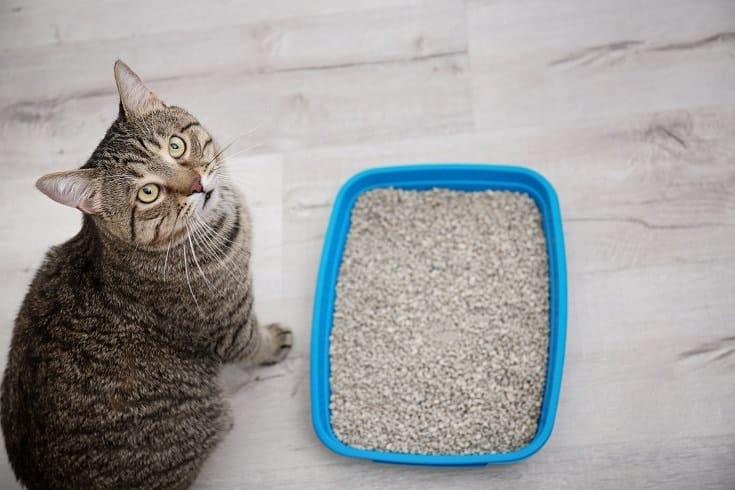
My Cat Has Worms: How Do I Clean My House? Vet Approved Guide


In this article
Living with cats can be full of play, laughs, and plenty of cuddles, but there are always aspects of cat ownership that aren’t fun, such as when your cat gets worms. You’ll need to know what steps should be taken to ensure that it doesn’t happen again, and this includes cleaning the house.
But where should you begin when your cat has worms, and what’s the best way to clean to ensure that your cat won’t become reinfected? Here, we go through the best cleaning methods and how to prevent your cat from ever getting worms again!

Before You Begin
If your cat has worms, you’ll no doubt want to give your house a good clean, both for your cat’s health and your peace of mind! Although the risk that your cat or family will pick up worms from the environment is fairly low, we’d rather help you eliminate the risks completely.
The first and most crucial step of any successful worm offensive is deworming your cat because if you don’t treat your cat, the cycle will just continue. If your cat has managed to get worms, there’s a chance they’ve also got fleas, so a quick trip to the vet to pick up a prescription flea and worm treatment is essential. Be aware that even most combination flea & worm treatments will need an additional tapeworm treatment, so make sure you get everything covered. If you do have a flea infestation, you will find that many of the steps you can take to treat your home will coincide with what we’ll be recommending here.
You should also consider purchasing an enzymatic cleaner to help clean any mess. Most brands can be used on carpets, fabrics, and hard floors. They work well at breaking down stains and odors of pet messes like vomiting and diarrhea.
Our Favorite Enzyme Cleaner
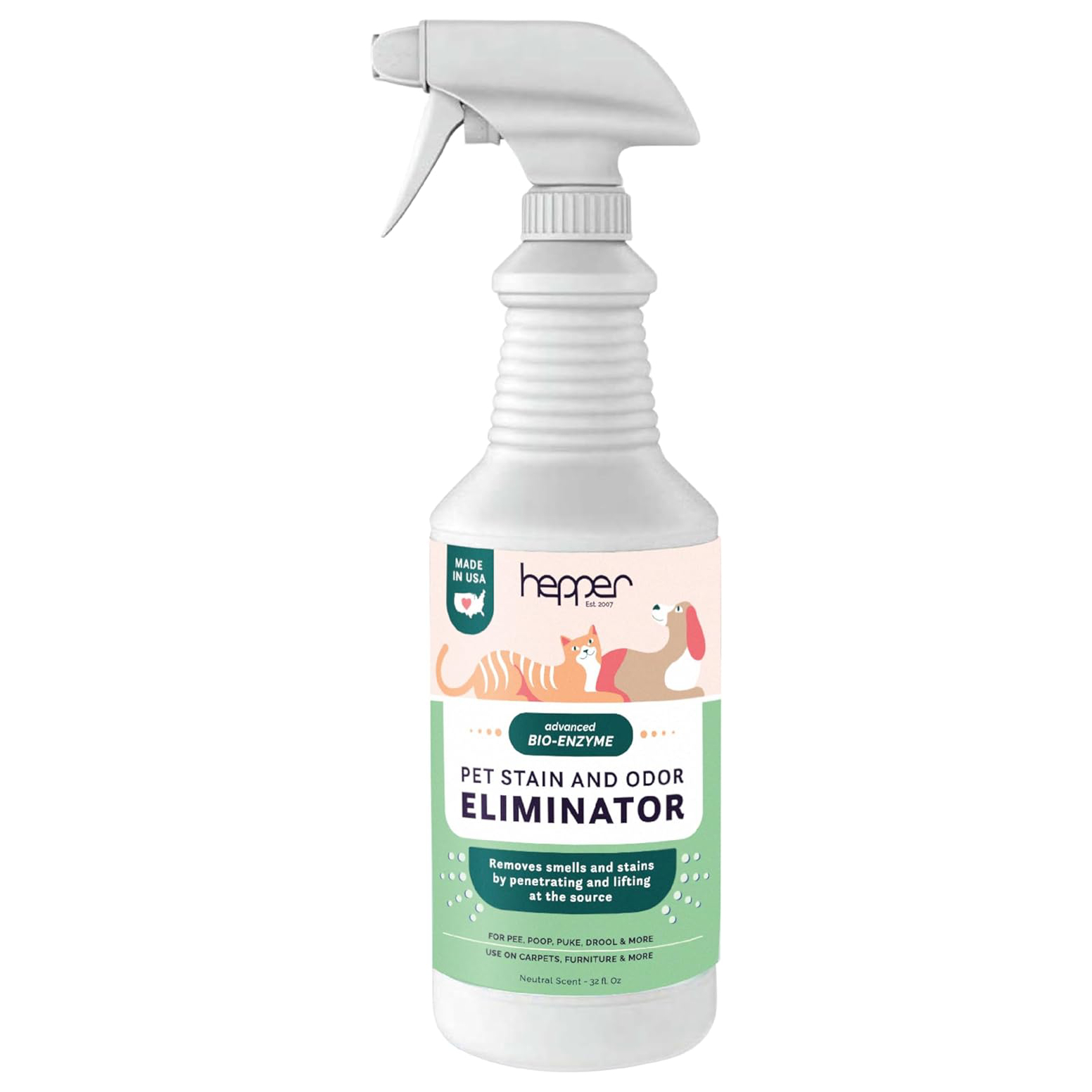
The Hepper Advanced Bio-Enzyme Pet Stain & Odor Eliminator Spray is our favorite all-purpose enzyme cleaner. It kills harmful bacteria and permanently removes even the worst kitty stains and smells, leaving your home fresh and clean! Click here to learn more about this amazing product and get yourself a bottle.
| Rating | Image | Product | Details | |
|---|---|---|---|---|
Best Enzyme Spray
 |
|
Hepper Advanced Bio-Enzyme Pet Stain & Odor Eliminator Spray |
|
Check Price |
At Catster, we’ve admired Hepper for many years, and decided to take a controlling ownership interest so that we could benefit from the outstanding products of this cool cat company!
How to Clean Your House if Your Cat Has Worms
1. Ensure That You’re Protected
Unfortunately, several types of cat worm infections can be transmitted to you, so while cleaning up, you need to ensure that you’re wearing rubber gloves and ideally a disposable apron and mask.
Disposable protective equipment is your best bet, particularly when dealing with transmissible parasites, as you can just throw everything away when you’re done.
2. The Litter Box Is First
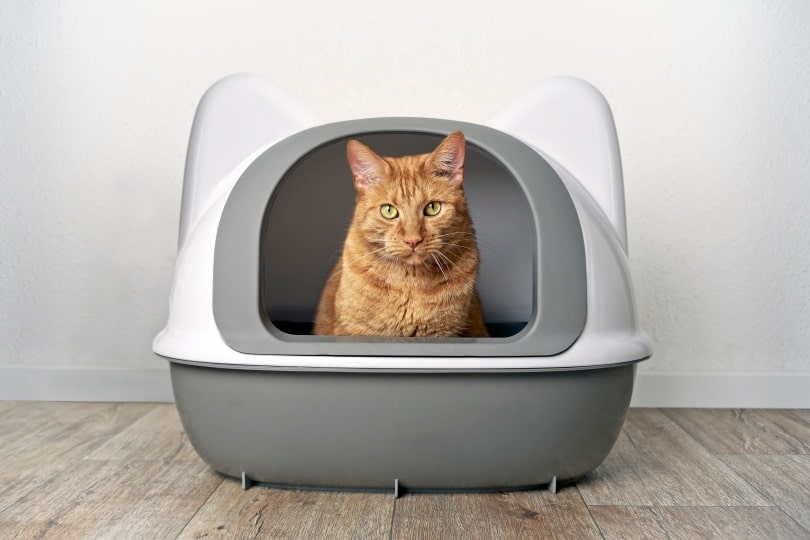
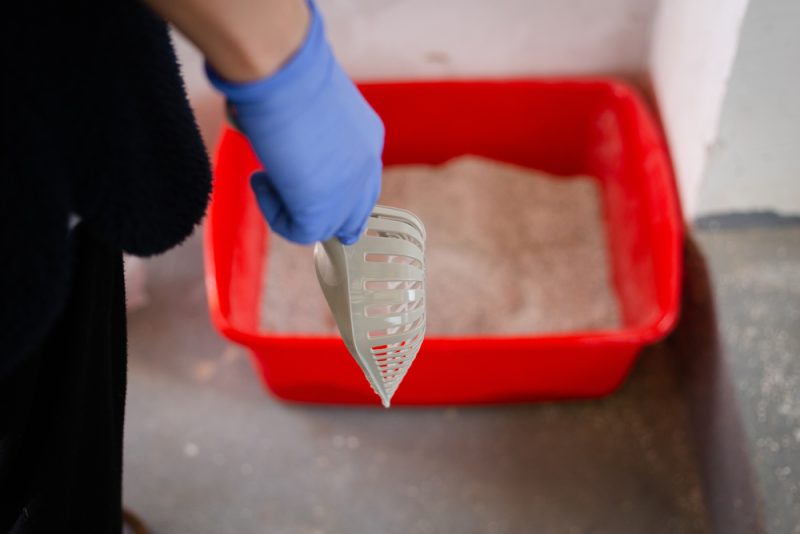
Since worm eggs show up in feces, which is the most common way that your pets pick them up, you need to start with your cat’s litter box. Remember that your cat needs to be dewormed first, though. Removing the source of the eggs will reduce the chances of reinfection. During this process, you’ll want to clean your cat’s litter box every day, particularly after a poop, so they don’t step in it again.
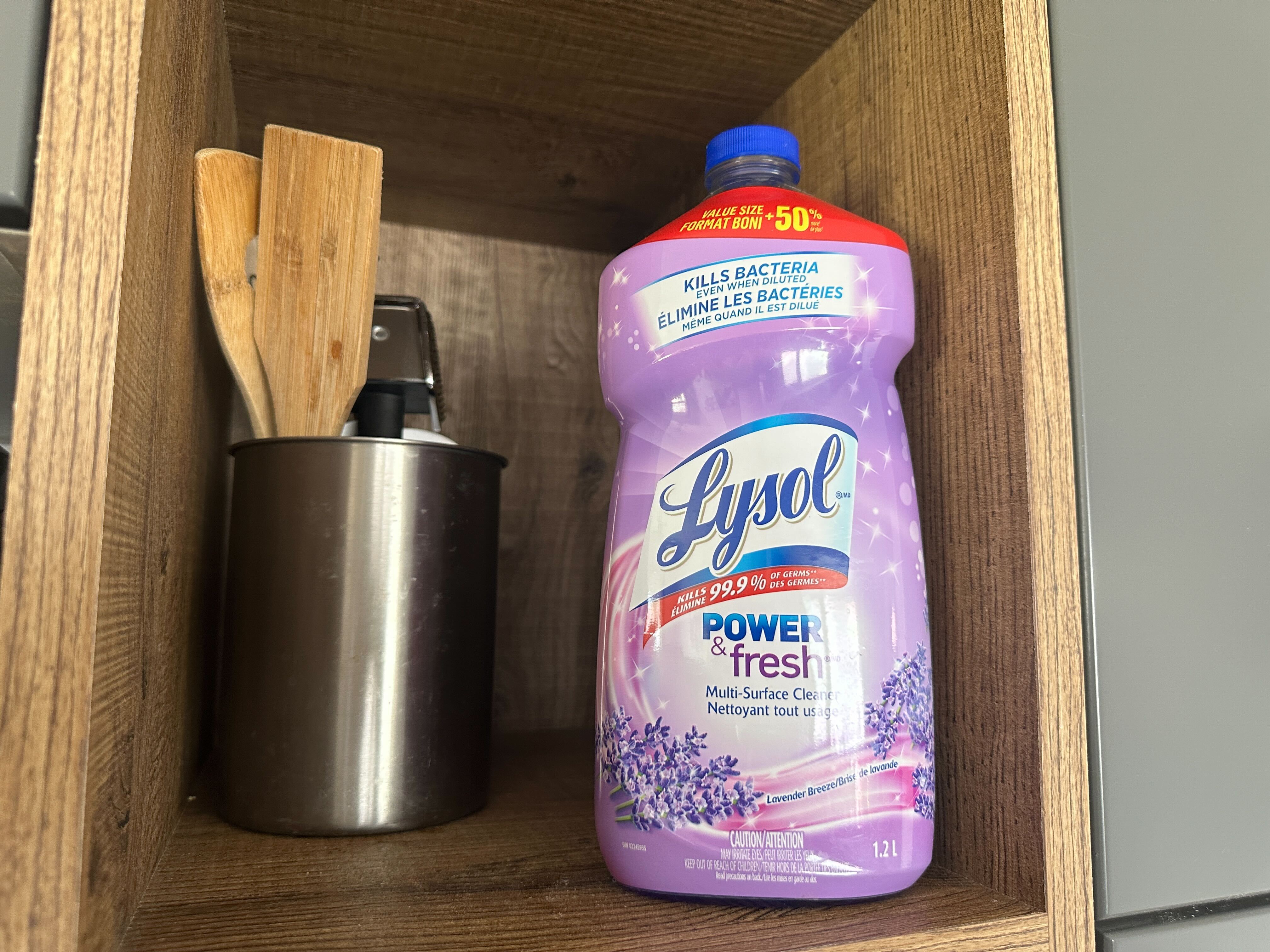
Empty the tray entirely and use bleach disinfectant spray to clean it, rinse thoroughly. Ensure that you’re wearing rubber gloves and a mask that you can dispose of immediately after cleaning.
3. Clean Up the Accidents
Signs of worms can include diarrhea and vomiting, so you need to stay on top of cleaning up any messes. Of course, you’ll want to clean up any of your cat’s accidents at all times, but it’s more critical right now because of the parasites.
While it’s more common to find the eggs in the poop, in some cases, you will see worms in the vomit.
4. Clean Hard Floors
If the accident occurs on a hard floor, start by wiping up as much of the mess with paper towels as you can. Then boil water, and use it with detergent to properly wash the floor. Follow this with a bleach disinfectant spray or 1 cup of chlorine bleach in 1 gallon of water.
5. Clean Carpets
If you have carpets, you might want to invest in a steam cleaner or at least rent one during this process. If an accident happens on your carpet, you’ll want to wipe it up, steam it, and then apply a carpet cleaner. Just be sure to follow the directions on the bottle. Just clean the spot multiple times if necessary.
6. Clean All Hard Surfaces
Beyond cleaning up the areas where your cat has made a mess, you should do a clean-up of all the hard surfaces in your home. This is time-consuming and challenging, but the eggs can stick to your cat’s fur, which can be transferred to various surfaces in your home. Concentrate on the areas where you know that your cat has been.
Use a mixture of boiling water and detergent (or bleach), or you can use an enzymatic cleaner or disinfectant spray, depending on your flooring type.
7. Clean The Bedding
Whether your cat sleeps in their own bed or yours, ensure everything gets a proper clean. Clean soft beds, blankets, and sheets on a hot cycle for at least 60 minutes. For more rigid structures like cat trees, cubbies, or beds that might not be machine washable, you can use a steam cleaner or aerosol product to treat any difficult-to-reach surfaces. We strongly recommend that you pay attention to cleaning labels to help you decide which method is best.
Any plastic items can be liberally cleaned with a disinfectant, but make sure it is something safe for use around your pets.
8. Clean Those Carpets Again
Beyond spot-cleaning the messes, you’ll want to give your carpets a deep cleaning. Some worms can live for weeks on carpets, and their eggs can potentially survive for months.
So, to prevent this never-ending cycle of your cat becoming infected again and again, you must properly clean your carpets. You’ll need to vacuum everywhere and follow that up by steam cleaning, as the heat should be effective at killing off the parasites.
This should be enough, but you’ll want to regularly vacuum and steam clean until you’re sure all traces of the parasites are gone.
9. Clean Everything Else
Now that the carpets, floors, and litter box are clean, there’s everything else that your cat has come into contact with; bedding, cushions, toys, blankets, etc. Most items you can wash in the washing machine on the hot water cycle.
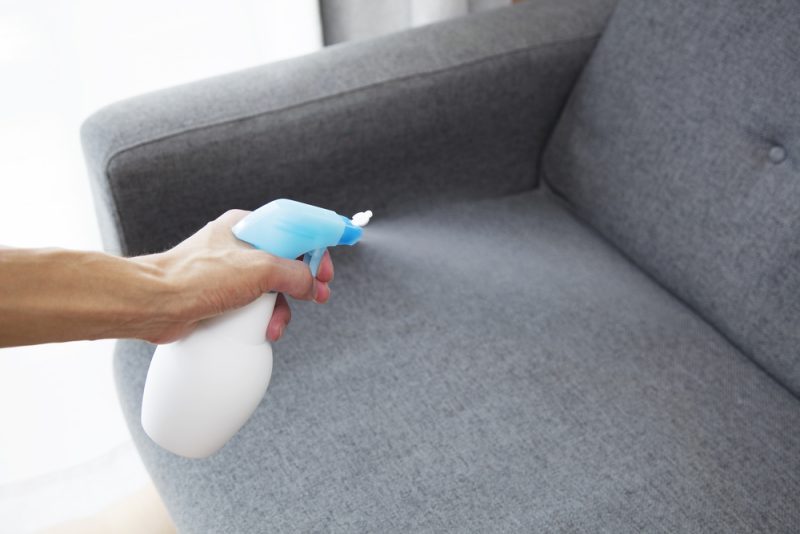
For furniture and other items that can’t be thrown into the washing machine, you can use the steam cleaner or wipe down the surfaces with the usual detergent and hot water. Don’t skimp on cleaning in the crevices and corners of your furniture, as you never know where those eggs might end up.
10. And Then There’s Outside
If you have an outdoor cat, you also need to deal with your outdoor space. To start, you can boil water, mix it with bleach (1 cup chlorine bleach to 1 gallon of water), and pour it on any patio or concrete outdoor spaces. Don’t use any hoses or power washers, as this can just spread the parasites around. Take care when using hot water and bleach to avoid injuries. Extra caution may be needed for people with respiratory illnesses.
You’ll also want to regularly clean up any of your cat’s (or dog’s) feces as soon as possible because they can be sources of the infestation.

How Do Cats Get Worms?
Outdoor cats are more likely to get worms than indoor cats, but it isn’t impossible for cats that don’t go outside to become infected. If any cat comes into contact with any area that has eggs or feces that are infected, they will likely become infected too.
If any eggs become attached to their coat or paws, the cat will groom themselves and end up ingesting the eggs and becoming infested. Indoor cats are more likely to become infested if they live in a multi-cat household, especially if they all share the same litter box that might have contaminated feces. Outdoor cats that hunt small rodents are more likely to become infected if the prey has worms.
Some cats can also become infested through dog poop that contains eggs from certain hookworm and roundworm species that aren’t species-specific.
Tapeworms can also develop through fleas. They can jump from dogs to cats and any fleas that are ingested while grooming could also potentially cause tapeworms in cats, even if they are indoors only.
What Are the Signs of Worms?
Different species of worms will cause different signs, but let’s start by looking at the more common signs of worms:
- Vomiting (might throw up worms with it)
- Diarrhea (might have blood)
- Weight loss
- Tarry feces
- Skin problems
- Swollen/bloated abdomen
- Dull coat and poor overall body condition
When the worm infestation continues and worsens, you may rarely see the following signs:
If you suspect that your cat might have a worm infestation, it’s best to take them to your vet as soon as possible for treatment. It is important to remember that just because you haven’t seen worms in your cat’s feces, doesn’t mean that they don’t have worms. Vets need to examine cat poop under the microscope to see worm eggs.
It is also common for cats to be infected and show no signs, so regular deworming is important.
How Are Worms Usually Treated?
Before you start cleaning your house, you need to have your cat treated for the worms. The treatment will depend on the kinds of worms that your cat has. The most common types depend on your area but often are hookworms and roundworms, but cats can also get tapeworms and heartworms.
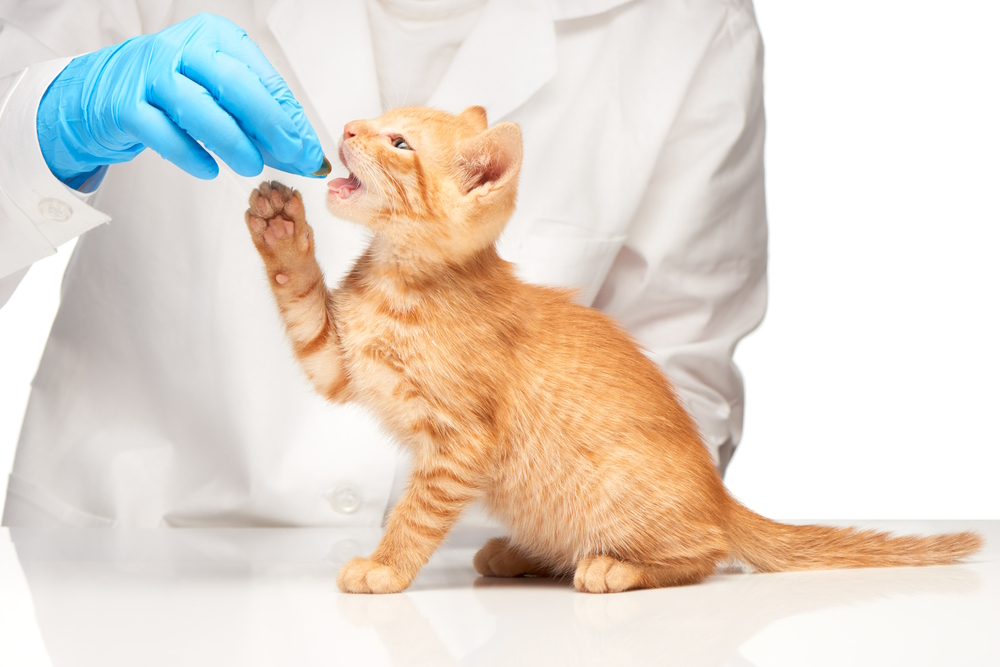
Your vet will likely prescribe deworming medication designed to rid your cat of whatever species they are infested with. It is possible to purchase deworming medication over the counter, but it’s best to get advice from the vet to ensure that you’re providing the right treatment.
Avoiding Future Worm Infections
While there’s never a guarantee that you can completely prevent any parasite infestations in the future, there are a few steps that you can take that might help reduce the chances.
Keep Your Cat Indoors
While indoor cats are susceptible to getting worms, it’s much more likely with outdoor cats. One precaution suitable for some cats is to keep your cat inside.

Supervise Your Outdoor Cat
If keeping your cat indoors isn’t something that you can do, consider setting up your backyard to contain your cat within the space. You should also keep an eye on your cat while they’re outside. Eating birds and rodents should be prevented because they are capable of carrying parasites.
Avoid raw diets. Parasites can be transmitted through eating raw meats so raw diets should be avoided.
Grooming
Regularly grooming your cat can allow you to discover any potential hitchhikers. Invest in a flea comb so you can catch any parasites. Beyond that, grooming is important for your cat’s health and comfort. It can also be a lovely bonding experience.
Preventative Medication
You’ll want to give your cat flea, worm, and heartworm preventative medication, especially if you have an outdoor cat. Most medications today tend to combine the two. Since fleas also carry the tapeworm parasite, it’s a good idea to use preventative medicine. Speak to your vet about preventative health care. Cats should be dewormed at least four times a year.
Control rodents. Rodents are a frequent source of intestinal parasites for cats that hunt and eat their prey. Control any rodents in and around your home. You can also use an enzyme cleaner on rodent droppings if you do happen to find any in your home.

- ADVANCED ENZYMATIC CLEANER - Penetrates the most stubborn smells and stains at the deepest molecular levels to dissolve any pet mess you encounter and lift it away at the source.
- FOR ANY MESS, ON ANY SURFACE - This pet odor eliminator cleans your carpets, floors, furniture, fabrics, and more. Whether it's urine, feces, vomit, or drool, you can erase all foul spots and smells!
- FRESH, NATURAL ODOR - Our unique formulation doesn't rely on dangerous or unpleasant chemical fragrances to get the job done. We eradicate smells and stains, not just cover them up.
At Catster, we’ve admired Hepper for many years and decided to take a controlling ownership interest so that we could benefit from the outstanding products of this cool cat company!
Conclusion
Cleaning is everything in these circumstances. If your cat has worms and you regularly clean your home, your cat’s bedding, and the litter box, you should be able to keep on top of a worm infestation and help keep it from occurring again.
However, if you have multiple pets, you might want to keep them separate during this time if it’s possible. Try to keep your infected cat away from the other pets, especially by providing them with their own litter box.
Remember to speak to your vet for diagnosis and treatment. The only way to get your cat back to optimum health is with medical intervention and a good cleaning regime.
Sources
Featured Image Credit: Svetlana Rey, Shutterstock

Expert cat care, straight to your inbox
Vet-reviewed advice, behavior tips, and the best of Catster. Free, and you can unsubscribe anytime.
By signing up, you agree to our Terms & Conditions and Privacy & Cookies Policy.
Kathryn was a librarian in a previous lifetime and is currently a pet writer. When she was a child, she hoped to work in ZOOs or with wildlife in some way, thanks to her all-consuming love for animals. Sadly, she's not strong in the sciences, so she fills her days with researching and writing about all kinds of animals and spends time playing with her adorable but very naughty tabby cat, Bella. Kathryn is hoping to add to her family in the near future – maybe another cat and a dog.
Join the conversation
Ask a question, share your story, or send private feedback.