Get

In Your Inbox

Catster is reader-supported. When you buy via links on our site, we may earn an affiliate commission at no cost to you. Learn more.

How Do Cats Get Worms? Vet Reviewed Causes, Signs & Prevention


Share

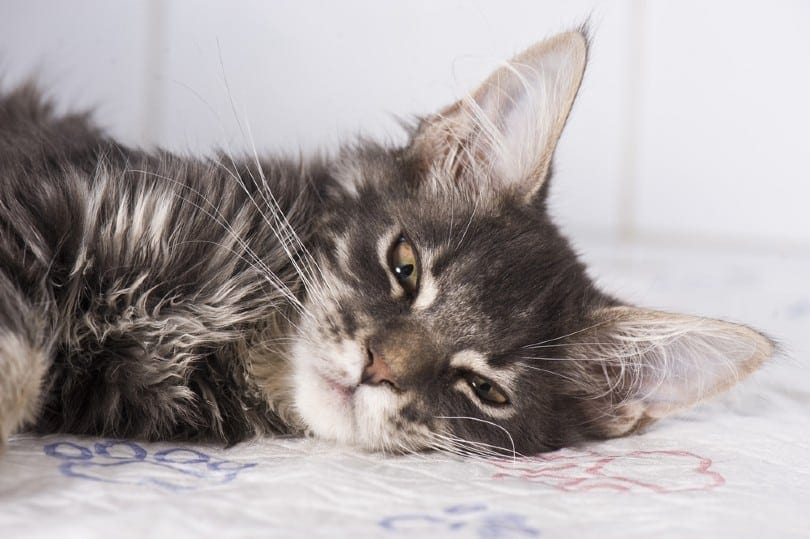
sick ginger cat

Finding worms in your favorite feline’s poop or around their butt is never pleasant. But it is not uncommon for our pets to come down with parasites, such as worms, even if your cat is strictly an indoor pet. But how do cats get worms in the first place? There are a handful of ways for cats to catch worms (and a few worms they can get), and it’s essential to know these so you can reduce the risk of transmission to yourself or other pets in the home.

The most common ways a cat can get worms is by mosquitoes, or by eating infected feces, mice, or fleas. Knowing how to treat worms is vital, so you can get your feline feeling healthy again. In this article, we’ll discuss how your cat can get worms, what signs to look for, and how to treat and prevent them.

divider 3 paws

The 4 Worm Types in Cats and How They Are Caught

Cats can get a few types of worms, and some are more common than others1.

1. Tapeworms

Tapeworms
Image Credit: Rattiya Thongdumhyu, Shutterstock

Tapeworms are common in cats. They’re long and flat with segmented sections and live in a cat’s small intestines. Tapeworms look like grains of rice when you find them in feces or around a cat’s rectum. Taenia taeniaeformis is the most common form of tapeworm and is passed to cats when they eat an infected flea.


2. Heartworms

You give your cat heartworm prevention medicine to protect them, but unlike for dogs, there isn’t an effective cure if they’re infected. Heartworms can be fatal because they cause damage to the lungs and heart.

The good news is that felines are more resistant to worms than canines, but cats can still get them. The heartworm is usually passed to cats by mosquitoes; mosquitoes drink from an infected animal and then carry the heartworm larvae to the next animal they attack.


3. Roundworms

cats roundworms
Image Credit: Todorean-Gabriel, Shutterstock

Roundworms are comprised of three species; Toxocara canis is the most common (and the one that can spread to people). However, Toxocara cati is a roundworm species that can be passed to kittens from their mothers via milk. However, most roundworms are acquired by eating feces containing roundworm eggs.

Lungworms are another less common roundworm a cat can get. As the name indicates, they are found in the lungs and lower respiratory tract. They start in the intestines but then make their way to the lungs. They are commonly undiagnosed because some signs of an infection resemble those of a regular respiratory condition.

Eyeworms are less common than other roundworms on this list, and as the name suggests, they affect the eye. The white worms are long but small enough to move across the eye’s surface and hide in tear ducts. They can cloud the cornea and cause watery, itchy eyes. They’re transmitted by flies depositing larvae in the eye.


4. Hookworms

Hookworms are also fairly common in some countries and environments. The most common hookworms in cats are Ancylostoma. The worms burrow into the intestinal lining, causing gastrointestinal issues such as bleeding and weight loss. They are typically caught when cats eat infected feces or animals (like mice). The worms can also be passed to a cat if their skin is penetrated.

divider 3 paws

Signs of Worms in Cats

If your cat has worms of any kind, they may show signs, but some are easier to spot than others. Signs of lungworm are the most difficult to detect since they resemble several respiratory conditions.

But if worms are present, you should see one or several of the following:
  • Worms in feces
  • Bloody feces
  • Worms around the anus
  • Vomiting
  • Diarrhea
  • Coughing
  • Lethargy
  • Weight loss
  • Loss of appetite
  • Anemia
  • Pot-belly
  • Dull coat

divider 3 paws

Treatment and Prevention of Worms in Cats

Luckily, worms are treatable in cats, and there are ways you can prevent them from occurring in the first place.

Treatment

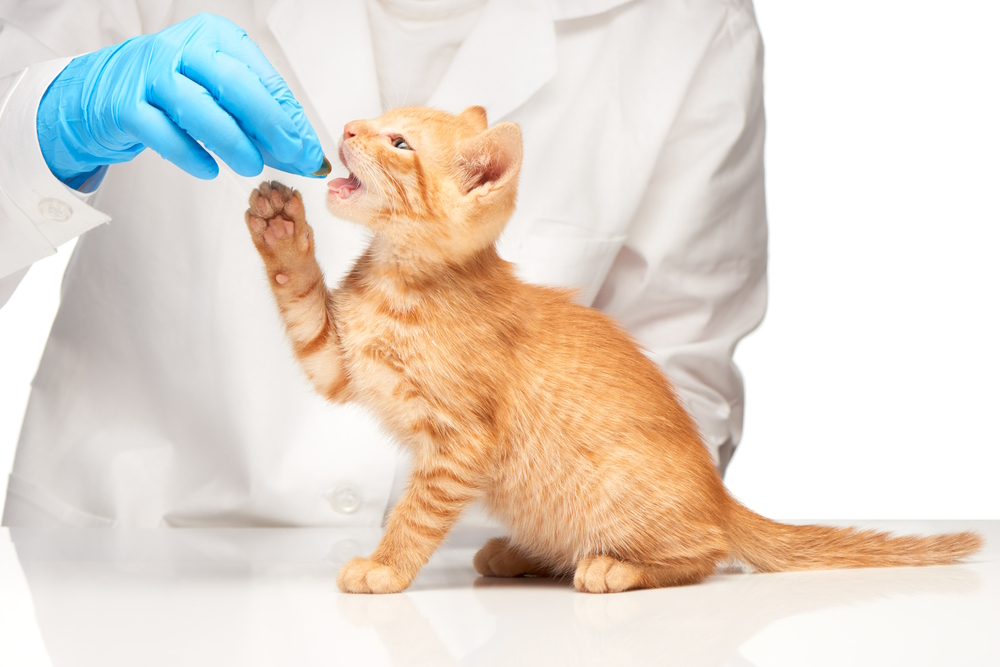
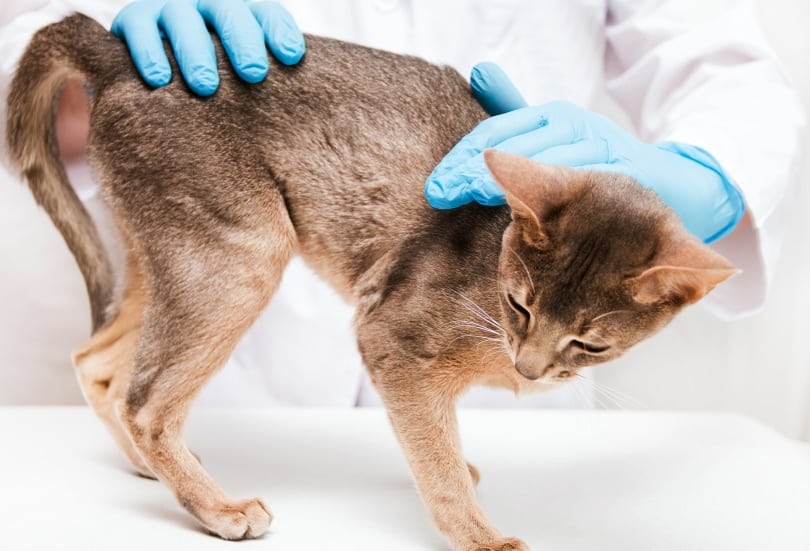
As soon as you suspect your cat has worms, take them to the vet for a proper diagnosis. Once the worm has been determined, your vet can prescribe deworming medication that is either injectable or oral.

Giving your cat home remedies for worms is inadvisable since they may be ineffective. Worms that aren’t treated can, in some cases, lead to a fatal outcome.

cat getting a shot from a vet
Image Credit: Kachalkina Veronika, Shutterstock

Prevention

Of course, an ounce of prevention is worth a pound of cure, so working to prevent worms from infecting your cat is always preferable!

There are several ways to go about this, including:
  • Not having more than one cat per litter box
  • Regular worm/heartworm treatment
  • Deworming treatments for kittens until the age of six months
  • Yearly vet visit for a check-up
  • Using tick and flea prevention on your pet
  • Preventing rodents from infesting your home

divider 3 paws

Final Thoughts

It’s not fun for anyone when your cat has worms! Now that you know the types of worms your pet can come into contact with and how they come into contact with them in the first place, you should have an easier time preventing your feline friend from getting worms. However, if prevention doesn’t work, your vet can treat your cat with deworming medication. Here’s to happy, healthy kitties!


Featured Image Credit: Jumpstory

Want content like this delivered to you?

Sign Up For Our Newsletter

News, insights, expert advice, and everything cat

* By submitting, you agree to our Terms & Conditions and Privacy & Cookies Policy.


How useful was this post?

Click on a star to rate (you can leave written feedback after clicking submit)

Help us improve Catster for pet parents!

Your feedback really matters.

What did you like about this post? Also how can we improve it?

Join the conversation

Leave a Reply

You’re very welcome to leave a comment or question. Please know that all comments must meet our community guidelines, and your email address will NOT be published. Let’s have a positive and constructive conversation.


Catster's Digital Magazine is Back!

Vet-approved health & behavior advice

Real cat stories & community features

When a Cat Becomes a Water Fountain – Why Cats Vomit After Drinking

Seeing a cat drink water and then promptly bring it back up can be confusing. Sometimes the explanation is fairly simple, particularly if...

Chatting About Sleeping Positions, Loafing & Cats in Tubes | Chatty Cattys, Episode 33

In this episode of Catster’s Chatty Cattys podcast, Dr. Karyn and Nicole dive deep into the fascinating world of feline sleep behaviors. From...

The Bite Stuff: The Truth Behind a Cat’s Sudden Nip

A cat bite that seems to come out of nowhere is one of the more confusing things a cat owner deals with. Everything...

Your Cat’s Purr Proves They’re One of a Kind

There are few sounds more comforting to a cat parent than the familiar rumble of a purring cat. You probably know your own...

More related

10 Best Cat Scratchers of 2026 – Reviews & Top Picks

Our beloved cats scratch for all sorts of reasons, so it makes perfect sense to make sure you have at least one type...

9 Best Cat Dewormers in 2026 – Reviews & Top Picks

You’ve seen worms in your cat’s stool. Parasites come in all shapes and sizes. Some are microscopic but wreak havoc on our cat’s...

8 Best Cat Foods for Picky Cats in the UK in 2026: Reviews & Top Picks

Cats generally know what they do and don’t want, and not much can change their minds. This can pertain to where they want...

Are Neanthe Bella Palms Poisonous to Cats? The Facts & FAQ

Many people adore having house plants because they improve the appearance of the environment and can help clean the air in the home....

Keep reading

Do Cats Eat Their Own Poop? Vet-Verified Facts & How to Stop It

Cats are curious creatures, and we may see them sampling various non-edible things, including houseplants, cardboard boxes, and our toes. Many animals eat their feces to digest maximum nutrients, but do cats eat their own poop too? Cats do not...

two-cats-looking-at-the-litter-box

Can Cats Smell Other Cats on You? Does This Make Them Jealous?

Last weekend, when you went to that house party, and your friend’s cat curled up in your lap, did your cat give you one sniff when you got home and then shun you for the rest of the night? Are...

cat smelling woman's chin

Why Do Cats Like to Sit on Plastic Bags? 5 Interesting Reasons & Vet-Reviewed Safety Tips

It happens almost every time you go to the grocery store: You arrive home with plastic bags in hand and are greeted happily by your feline friend. You unpack everything, and while putting your groceries away, you hear that unmistakable...

British Shorthair Cat sitting on a plastic bag

Do Cats Really Play With Their Prey Before Killing Them? Vet-Approved Behavior Explanation

We easily forget that our cute, fluffy cats are natural-born killers. Perfectly evolved to chase, stalk, and hunt small animals to devour them, even our domestic cats can often bring home their prey. Cats are often thought to be malicious...

cat hunting mouse outdoor

Vet-Reviewed Tips for Being a Good Cat Foster Parent

Being a foster parent for cats living in shelters is one of the most rewarding things you can do if you’re a pet lover. It can be difficult at times, though, for a variety of reasons. You can get attached...

woman holding a cat in the porch

Do Deaf Cats Tend to Be More Affectionate? What You Need to Know!

If you are thinking of adopting a cat, do not overlook cats that are deaf. Some people shy away from felines with disabilities because they imagine taking care of them will be more difficult, or perhaps the cat will be...

white-scottish-straight-longhair-cat

Do Cats Revenge Poop? Vet-Reviewed Behavior Facts

Our cats communicate their interests, likes, and dislikes through a long list of methods. Some do a series of vocalizations, while others rely on body language translation. But what about when it comes to the litter box? If your cat...

hand picking up cat poop

Is Your Cat Losing Teeth? What’s Normal & When to Worry (Vet-Verified)

Dental problems are a pretty big issue among cats. In fact, it is estimated that over two-thirds of cats over 3 have some degree of dental disease. However, losing a tooth doesn’t necessarily equate to a problem. So if your...

cat with open mouth and teeth

Love Cats? So Do We! Join the Catster Community

Stay informed with expert pet care insights delivered straight to your inbox! Discover professional guidance on animal behavior, feeding tips, trusted product picks, and much more.


Sign up for the Catster Email Newsletter

Stay informed with expert pet care insights delivered straight to your inbox! Discover professional guidance on animal behavior, feeding tips, trusted product picks, and much more.