Can Cats Die From Stress? Vet-Approved Facts & Advice


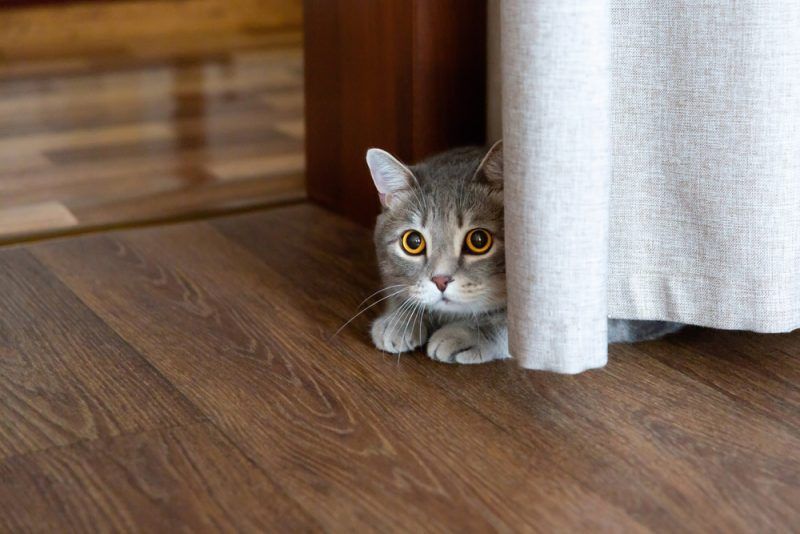
We’ve all been there. The second something seems off with your cat; you imagine the worst. Your heart races and your eyes swell with tears. When you’re on the phone with your vet, you ask the dreaded “what ifs.”
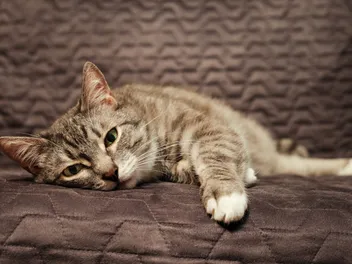
Sound familiar? Well, here’s the short answer to your question: cats’ health can suffer tremendously from stress in some situations. They can develop various stress-related medical issues if the problems aren’t handled quickly.
That’s why it’s essential to pay attention to common signs of stress in cats and figure out a solution as soon as possible. If you don’t, your cat could face a life-threatening health problem later.

Acute Stress vs. Chronic Stress
Acute stress is temporary, like a car ride or an unwanted visitor in the home. It comes and goes, so your cat will unlikely experience serious health problems with acute stress. Chronic stress is recurring or ongoing, usually caused by something that can’t be easily removed, like a new baby or a multi-cat household.
Both types of stress signal the fight or flight senses in the body. Although stress has a negative connotation, a little stress can be good for the body. Stress is an alarm that tells us we need to make adjustments. It helps humans and animals survive in the wild.
However, chronic stress is harmful. Chronic stress elevates the fight or flight senses, which can sabotage the body over time. We certainly don’t want anything bad to happen to our kitties, so here are the signs of stress and what you can do to keep your cat happy and calm.

The 6 Signs Your Cat May Be Stressed
1. Not Eating or Drinking
Refusing food or water is expected with sick or stressed cats. Sadly, it can become serious if your cat refuses food and water for more than 24 hours.
We all know what will happen if your cat refuses water: dehydration. However, a cat can develop hepatic lipidosis or fatty liver without food and get dehydrated. It is when the liver doesn’t process fats efficiently and occurs more commonly in overweight cats that haven’t been eating for a few days and have lost weight.
What to Do:
Your cat needs to eat and drink every day. If their appetite is reduced, speak to your vet and offer an enticing meal, like wet food, boiled chicken meat, or cooked fish meat (without bones). Wet food can also keep your cat hydrated. Warm the food up to make it more palatable.
Water fountains are excellent for encouraging cats to drink more water. The trickling sound of water entices cats more than stagnant pools of water in standard water bowls. If your cat suddenly stops eating or drinking, it’s essential to get them to a veterinarian as soon as possible, well within 24 hours.
They will be able to rule out any underlying illness and, depending on the diagnosis, will initiate appropriate treatment with painkillers, appetite stimulants, fluid therapy, or antibiotics, if required.
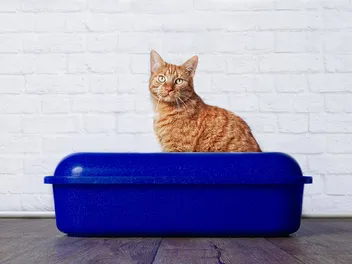
2. Litter Box Issues

Stress in cats may increase their risk for developing feline lower urinary tract disease or FLUTD. FLUTD can include urinary tract inflammation, infection, and the presence of crystals or stones in the urinary bladder. It can also lead to a urinary blockage, particularly in male cats. Typical signs of FLUTD include:
- Urinating outside the litter box
- Going in and out of the litter box
- Red or orange tint in urine (usually a sign of blood)
- Howling or crying when urinating
- Straining to urinate and passing very little or no urine
- Refusing to eat
- Vomiting
- Having a painful and distended abdomen
- Licking genital area excessively
A cat with FLUTD should be seen by a veterinarian immediately. It is very painful for the cat and can quickly lead to a serious problem if left untreated. Male cats, especially, can become very ill from a life-threatening urinary blockage. After your vet diagnoses and treats the issue, it’s essential to address the cause to minimize the risk of it happening again.
Some cats require a long-term prescription diet if they are suffering from urinary crystals or stones, while some may need to lose weight. If the problem is strictly behavioral and the vet has given your cat the all-clear, but they are still urinating outside of the litter box, adding more litter boxes is an excellent place to start.
Try a new cat litter, or move the litter box to a different but private and quiet area close to where the cat is choosing to pee in the first place. Ensure the litter box is large enough to accommodate your cat and allows them to get in comfortably, particularly for older cats. Use an enzymatic spray after you clean the urine stains.
Ensure there are enough resources for all the cats in a multi-cat household, such as scratching posts, bowls, toys, and other items, and that each cat has sufficient space and privacy. Pheromone diffusers will also help comfort and reassure fearful and anxious cats. Of course, ensure your cat’s litter box is clean and has fresh litter.
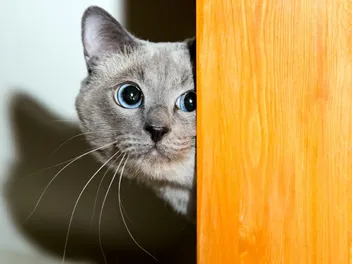
3. Hiding
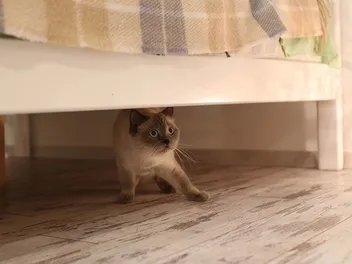
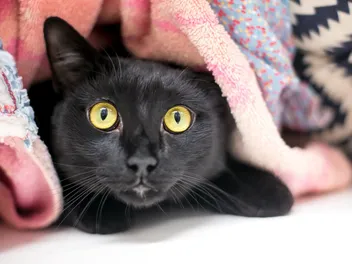
Cats hide in all kinds of nooks and crannies when they’re stressed. Some cats even hide for days before showing their faces, which may negatively impact their health.
What to Do:
Let your cat hide for a few hours if they can access food, water, and a litter box. You also want to check that your cat is eating and drinking regularly. Many cats like to hide in their litter boxes when they’re petrified. Hiding is a red flag if it persists for more than a few hours and is not caused by a stressful event.
It’s okay for a cat to feel uneasy, but we don’t want our cats hiding and refusing food and water. Identify and remove the stressor that has caused this, but also be aware sick cats may choose to hide. If your cat is not eating or drinking or is unwilling to move and continues to hide after the cause of stress has been removed from their environment, get them checked out by a vet immediately.
4. Vocalization

Have you ever heard your cat howl or meow as if they are crying? Cats normally meow at humans as a way to get what they want. Other times, it’s a way to inform us of their dissatisfaction, pain, injuries, or illness.
What to Do:
First, make sure your cat is not distressed and crying because they are in pain, has any wounds or injuries, is limping, is struggling to urinate or defecate, or has any other changes in their behavior. These require an urgent trip to the vet.
If that’s not the case and your cat is meowing and getting stressed because they saw the neighborhood cat in their garden, try distracting your cat with some affection or an activity. Grab your cat’s favorite toy, play an interactive game, or try snuggling and reassuring them.
5. Aggression
Stress-related aggression is usually redirected aggression, and when your cat has built up tension, they'll release it onto something or someone unrelated.
What to Do:
Consult a vet first to ensure your cat is not becoming frustrated or aggressive because of an underlying pain and illness. After they have had a clean bill of health from the vet, try redirecting the built-up frustration toward something healthy. Try playing with your cat and using positive reinforcement rather than awarding negative behaviors with attention.
Take them out for a walk on a secure harness and lead, and enrich their indoor environment. Consider building a secure outdoor catio. Find ways for your cat to use the energy on something appropriate rather than on someone or another pet.
6. Excessive Grooming or Scratching

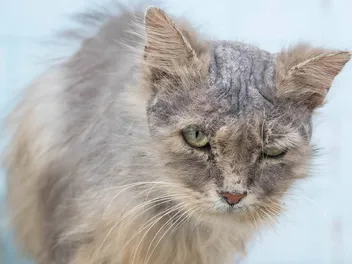
Grooming and scratching are stress-related quirks similar to biting nails in humans. Cats do it to calm their nerves when the stress is too much. Cats are naturally hygienic, but too much grooming can cause significant skin irritation. Sometimes, it can lead to skin wounds and sores that require veterinary attention.
What to Do:
There are several ways to calm your cat at home with the help of a veterinarian. Some cats need medical treatment for their skin if overgrooming has led to skin irritation. But sometimes, an underlying issue, such as fleas or other skin parasites, is the cause for the scratching.
They may suggest putting a cone on your cat. Yes, your cat will hate it, but it’s better than watching them groom themselves raw. A vet may also recommend pheromone diffusers like Feliway if they suspect the cause of overgrooming is stress.
Wrapping It Up
Cats are hard to read, so don’t be too hard on yourself if you don’t notice the signs of stress immediately. Every cat owner has experienced the frustrations of a stressed-out kitty. Your cat may seem foolish for acting that way, but they have their reasons. Often, an underlying illness and pain can also cause cats to behave differently, so it’s crucial to seek help from a vet.
Understanding cats takes time, and each cat is unique in expressing stress and frustration. As you get to know your cat, you’ll learn how to handle stress better. Stress can predispose your cat to several health issues, some of which are life-threatening and others are uncomfortable.
Sources
Featured Image Credit: Mantikorra, Shutterstock
Expert cat care, straight to your inbox
News, insights, and useful advice, delivered to you.

No spam — unsubscribe anytime.
By signing up, you agree to our Terms & Conditions and Privacy & Cookies Policy.
How useful was this post?
Click a star to rate. You can leave written feedback afterwards. (We read all feedback.)
Cassidy's journey from vet tech and professional pet sitter to pet writer showcases her lifelong passion for animals, both domestic and wild. Throughout the years, she has cared for many pets and enjoys writing about the animal-human bond. She and her husband have settled in Wichita, where they live with their German Shepherd, Raven, two cats, Lucy and Strudel, and a small flock of backyard chickens.