How to Handle Food Aggression in Cats: 11 Vet-Reviewed Tips & Tricks


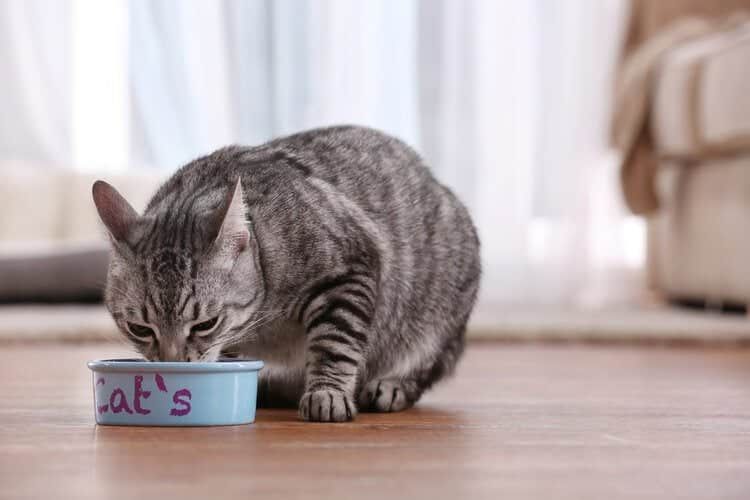
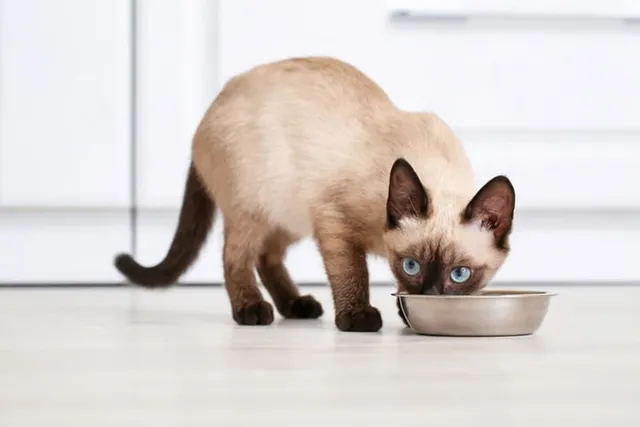
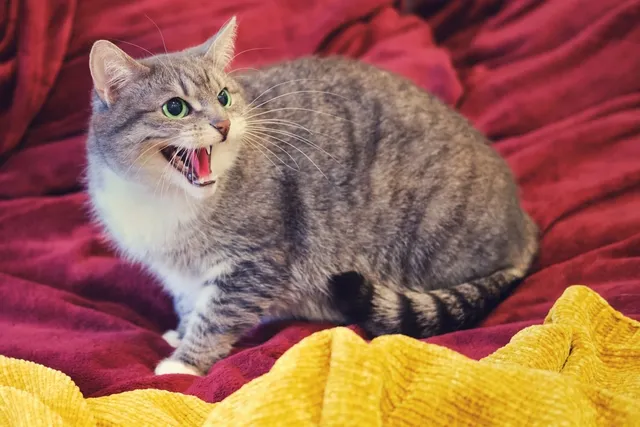
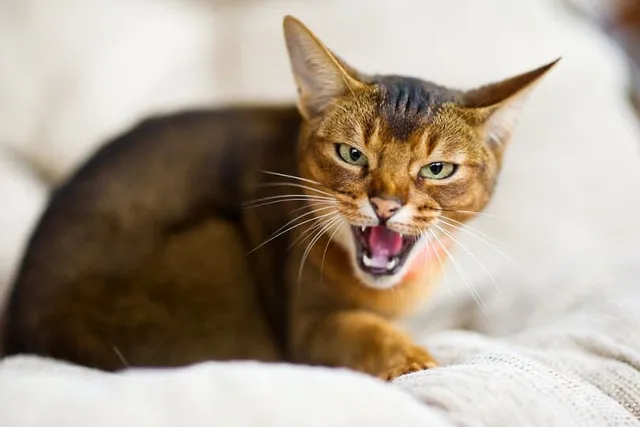
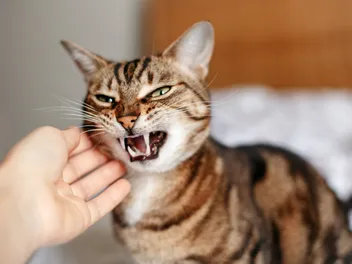
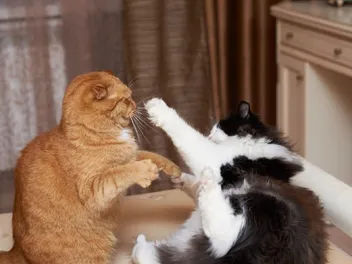
Dealing with food aggression in a cat can be overwhelming and even scary at times. Food aggression can exhibit itself in a variety of ways, including growling, biting, food stealing, and attacking. Unfortunately, without appropriate management, food aggression will almost always get worse over time.
It’s important to begin making changes in your feeding routine to remedy the undesirable behavior. Here are some of the most useful things you can do to manage your cat’s food aggression.

The 11 Tips for Handling Food Aggression in Cats
1. Visit the Vet
When you notice food aggression in your cat, the first step is to visit the vet. This is especially important if your cat has suddenly developed food aggression. It can indicate an underlying medical condition, like diabetes, thyroid disease, or a neurological condition.
A vet can determine if the food aggression has a physiological, behavioral, or combined cause. If they find something wrong with your cat, be prepared to make multiple changes to remedy the undesirable behavior. Don’t just rely on treating a medical condition to repair the problem.
Pros
- A good option for sudden changes
- Can determine the underlying cause
- Can help with a treatment or modification plan
Cons
- Can be expensive
2. Don’t Allow Begging
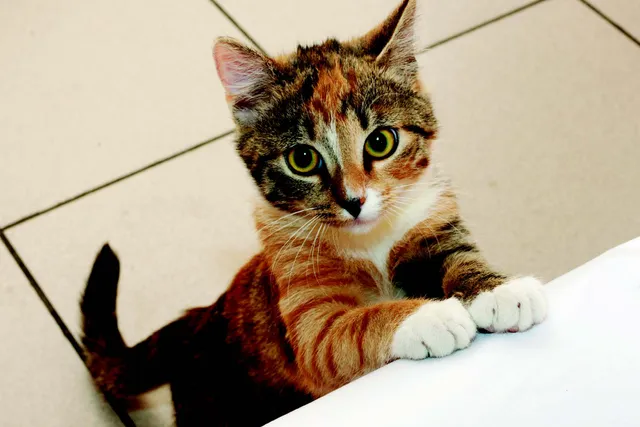
Cats with food aggression beg between meals or when they see food. Many cats attempt to beg at the table, with some even stealing food from your plate or kitchen counters. You may have to keep your food more secure and out of reach of your cat if food stealing is occurring. If your cat can open the cabinets, you can secure them with baby locks.
Some people find it funny or charming when their cat begs at the table or attempts to steal food, so they encourage the behavior by not discouraging it. If your cat succeeds in stealing or being given food for begging, the behavior will continue to worsen. If needed, keep your cat in another room when others are eating to prevent begging and food stealing. Don’t give in to begging, no matter how charming the behavior may seem.
Pros
- Can be easy to discourage
- Can be remedied by keeping food out of reach
- Usually improves when encouragement isn’t present
Cons
- May require cabinet locks, putting the cat up, and not giving in to cute behaviors
3. Don’t Reward Bad Behaviors

If your cat receives rewards for begging or stealing, they will usually continue with the behavior. Rewarding bad behaviors can make them worse. If your cat starts begging for food at 3 AM, and you get up and feed them to get the begging to stop, you’ve rewarded the bad behavior, and your cat now knows that begging can result in them getting what they want.
No matter how frustrating or annoying begging gets, the whole household must be on board with refusing to give in to your cat's demands.
Pros
- Often reduces begging and other undesirable behaviors
- Works well with a commitment to change
Cons
- Can be difficult
- Requires the entire household’s commitment to change
4. Give Attention, Not Food
Sometimes, we aren’t sure how to show affection to our pets. This often results in people giving treats, snacks, and extra food as a way to show love. Unfortunately, this can increase the food-aggressive tendencies of your cat. It can also increase begging and food stealing, especially when your cat doesn’t get what they want.
What your cat needs from you is your attention and affection. Each cat's needs will vary, but spending more time with your cat, whether snuggling, playing, or solving a kitty puzzle, will provide enrichment instead of filling them up with treats.
Pros
- Easy to remedy
- Can discourage bad behaviors
- Helps meet your cat’s social and exercise needs
Cons
- Requires your time
5. Positive Reinforcement

Positive reinforcement involves rewarding your cat when they participates in a desirable behavior instead of discouraging an undesirable behavior. Positive reinforcement can involve giving your cat a treat as a reward, but it can also be done with attention, toys, and games. Some cats can be rewarded simply by scratching their ears and chin, while others can be rewarded with a quick game of fetch or a new toy.
Using positive reinforcement requires you to stay ahead of your frustration and emotions when dealing with your cat. If you begin offering negative responses to undesirable behaviors, it can make your cat anxious or frustrated. Positive reinforcement involves redirection and reward for desirable behaviors, which helps build your cat’s confidence and trust in you.
Pros
- Provides an immediate reward for desirable behaviors
- Encourages positive behaviors without actively discouraging negative behaviors
- Builds trust and confidence
Cons
- Requires patience and knowing your cat’s needs and wants
6. Give Space
During meal time, food-aggressive cats will let you know if you’re too close to them by growling, hissing, or swatting. Give your cat space when it’s time for a meal. Once you’ve put their food down for them, don’t try to take it back.
Don’t attempt to pet your cat or be near them while they’re eating. If needed, you can feed them and leave the room. Ensure other pets aren’t crowding your cat’s space, and don’t feed multiple pets in the same space together.
Pros
- Usually easy to remedy
- Can decrease food aggression attacks and other negative behaviors
- Helps your cat feel comfortable
Cons
- May require changes to your feeding routine
7. Give Privacy

On top of giving your cat space, they need plenty of privacy when it’s time for food. You can put your cat in a room by themselves to prevent them from getting irritated by loud noises or people.
By not giving your cat a quiet, private place to eat their meals, you may unintentionally be increasing their aggression. Cats that feel crowded, stressed, or like their food is at risk of being taken are far more likely to show food aggression behaviors.
Pros
- Helps your cat feel safe and comfortable
- Keeps your cat and other pets and people safe
- Reduces aggressive behaviors
Cons
- May require changes to your feeding routine
8. Feed Small Meals More Frequently
Many cats with food aggression show improvement when they receive several small meals instead of one or two large meals per day. Breaking up the feeding time can reduce your cat’s obsession with food by improving satiety between meals. It can also reinforce to your cat that they aren’t going to go hungry, which can be a real problem for cats that have previously been strays and missed multiple meals.
This approach requires you to portion their meals to avoid overfeeding. Feeding small meals more frequently shouldn’t increase the amount of food your cat is eating unless recommended by a vet.
Pros
- Can help reduce food obsession
- Improves satiety between meals
- Helps your cat feel like they aren’t going to go hungry
Cons
- Requires careful food portioning
9. Provide High-Quality Nutrition

High-quality cat food gives your cat all the nutrients they need to be healthy. It can also help them feel more satiated between meals by providing nutrient-dense ingredients that keep them full and support healthy digestion.
Low-quality cat foods often result in your cat feeling full but quickly burning off the food they’ve consumed, causing them to be hungry again before their next meal is due. This may require you to spend a little more on cat food, but it will be worth the benefit to your cat.
Pros
- Ensures your cat’s nutritional needs are being met
- Improves satiety between meals
- Supports healthy digestion
Cons
- May cost more
10. Get Creative
Finding ways to feed your cat that encourage their instincts can help you reduce food aggression. Food puzzles are a great way to encourage your cat to work for their food instead of obsessively and quickly eating it. The puzzles and slow feeders made for cats can help your cat get more out of their eating experience.
Another good option for cats is to hide their food in small portions around the house. One suggestion is to hide a few pieces of kibble in cupcake liners or something similar. While the game encourages your cat to use their hunting instincts, it’s not a good option when multiple pets are in the home.
Pros
- Gives your cat a mental exercise
- Encourages your cat’s instincts
- Makes mealtimes more about the experience and less about eating quickly
Cons
- Not a good option in multi-pet homes
11. Minimize Stress

Stressed cats are far more likely to develop aggression than happy cats, which can be food aggression or overt aggression. Minimizing your cat’s stress creates an overall happier environment for them and reduces their perceived need to react with aggression.
Stress minimization for cats includes providing quiet places, helping your cat feel safe from other pets or small children, and ensuring all of your cat’s emotional and physical needs are met. This will take some time and effort, but the payoff for your cat is worth it.
Pros
- Improves overall happiness for your cat
- Creates a home environment that feels safe
- Reduces overall aggression
Cons
- Will take time and effort to arrange
Conclusion
Food aggression can be a tricky issue to manage in cats. If your cat has food aggression, you should first get a vet visit to rule out a medical cause. Be prepared to implement multiple changes to your pet's feeding time and environment to help your cat feel happier. A cat that feels happy, confident, and safe is less likely to exhibit food aggression.
Sources
Featured Image Credit: Africa Studio, Shutterstock
Expert cat care, straight to your inbox
News, insights, and useful advice, delivered to you.

No spam — unsubscribe anytime.
By signing up, you agree to our Terms & Conditions and Privacy & Cookies Policy.
How useful was this post?
Click a star to rate. You can leave written feedback afterwards. (We read all feedback.)
Christian started writing for a local newspaper as a teenager, and he's been involved in the publishing industry for most of his adult life. Combining his love of writing with a passion for animals, he is currently the Director of Editorial at Pangolia and the Editor-in-Chief at Catster.
Christian lives in the Philippines with his wife, son, and four rescue cats: Trixie, Chloe, Sparky, and Chopper.