Are Munchkin Cats Hypoallergenic? Vet-Reviewed Info & Management Tips


In this article
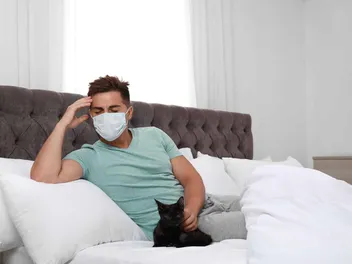
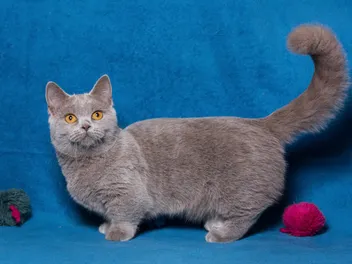
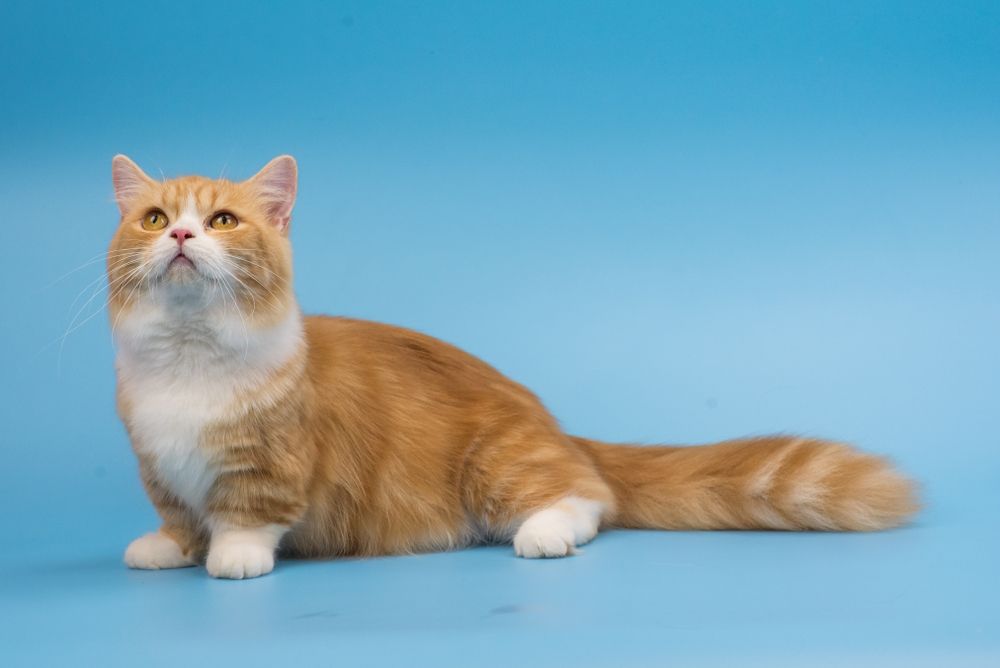
Munchkin cats are arguably one of the cutest cat breeds out there. With their tiny legs, they run around in a waddle-like way and sometimes have folded ears. Maybe you’re considering having one of your own, but you have an allergic reaction to cats. Unfortunately, in this case, Munchkin cats are not considered a hypoallergenic cat breed.
If you want to get down to brass tacks, there isn’t really a completely hypoallergenic cat breed out there, but there are breeds that are more tolerable to people with allergies than others. Munchkin cats are generally not among those breeds, but, with lots of diligent cleaning, it could be possible to live peacefully with a non-hypoallergenic cat when you have mild allergies.

There’s No Such Thing as a 100% Hypoallergenic Cat
All cats naturally produce certain proteins that people with allergies react to. The most common among these is a protein called the Fel d1 protein, though some people may be allergic to other proteins a cat produces. There are at least 10 identified allergens cats naturally produce 1.
Fel d1, the most common allergen, is heavily concentrated in a cat’s saliva and is also produced by sebaceous glands all over their skin. The reason people react the way they do to cat hair is because cats groom themselves, and by doing so, they deposit the allergen onto their fur. If fur sheds, it acts as a medium to spread the allergen around. This commonly leads to the misconception that fur is what causes allergies to cats.
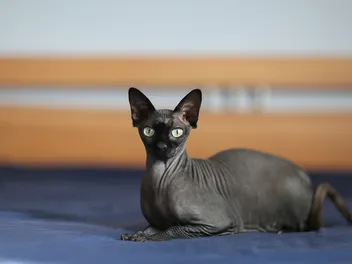
However, fur is only part of the story. Cats also naturally produce dander, which are microscopic flakes of skin that shed all the time. Fel d1 deposited on a cat’s skin will definitely spread around with their dander as well. Feline dander is microscopic and can easily become airborne, which means that even if a cat is hairless or a low shedder, they will never truly be hypoallergenic, as they will still produce dander.
Munchkin cats, like other cat breeds produce Fel d1 (along with other allergens that cats produce). So, this is why they are not considered hypoallergenic, just like every other cat out there.

Which Breeds of Cats are Hypoallergenic?
Though no cat breed is truly hypoallergenic, low-shedding breeds do offer some respite from the allergens that spread through the shedding of a cat’s fur.
Low-Shedding Cat Breeds:
These breeds are considered relatively low in terms of their shedding, which may make allergies more manageable. However, it is important to note that the severity of your allergic reaction depends, in part, on your immune system as well. For extremely sensitive individuals, a cat’s breed would make little no difference in tolerating an allergic reaction. Furthermore, some allergens that you might be sensitive to are found in other bodily secretions of cats, such as in their urine.
It is also important to keep in mind that though these breeds typically shed less, their shedding increases during seasonal changes. Furthermore, certain health issues or poor nutrition can lead to episodes of increased shedding as well.
If you have a confirmed allergy to the Fel d1 protein (diagnosed by your allergist or doctor), you may want to consider a female or neutered male cat as your pet, as both females and neutered males produce less Fel d1 than intact male cats.
Which Cats Are Worst for Allergies?
Heavy shedding breeds may exacerbate your allergies considerably more than low shedders.
Worst Cat Breeds for Allergies:
Munchkin Cat Quick Facts
A Munchkin cat could be a great addition to your household. They are great family cats; quite energetic and smart. They can learn tricks like a dog and stay playful their whole life long. Munchkin cats come with varying leg lengths, so you could get a “rug-hugger” or a slightly taller one.

Do Munchkin Cats Shed?
Yes, Munchkin cats shed a moderate amount. However, within the breed there are varying lengths of hair. Though it doesn’t quite matter allergy-wise whether a cat’s hair is shorter or longer, there is less hair to clean up and brush with shorter cat hair.
Munchkin cats are considered moderate shedders. So, a person with mild allergies should be able to tolerate owning a Munchkin cat if they are diligent about brushing the cat regularly and cleaning up the cat hair around the house.
Living With Cat Allergies as a Cat Owner
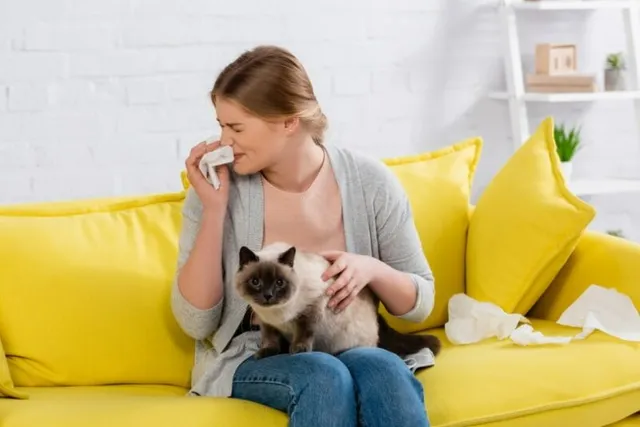
It should be noted that when serious allergic reactions happen (difficulty breathing, shortness of breath, etc.) due to the presence of cats or cat hair, you should not consider owning a cat. It’s not worth risking your health.
It is also recommended that you consult your healthcare provider prior to adopting a cat in order to assess the extent of your allergies. This is important because, at times, many people may misdiagnose their allergies (you may, in fact not be allergic to cats at all!).
If your allergies are mild and not a major health concern, you should consider the following tips to help you better manage your allergies.
Vacuum Everywhere and Often
When you live with a cat and have cat allergies, you and your vacuum become best friends and spend a lot of time together. Focus specifically on vacuuming your cat’s favorite spaces to hang out, like the top of your couch, the cat’s bed, and around their scratching post.
The process of vacuuming can definitely be overwhelming for folks with allergies, as it tends to kick up dander that’s settled on surfaces. A face mask can be used to lessen such episodes of allergic reactions. Likewise, an automatic vacuum cleaner can be utilized to clean the house while you’re away from the commotion of the process itself. Alternatively, you could ask someone to help you vacuum your house if need be.

Change and Wash Linens Frequently
A cat’s hair and dander gets everywhere, and the time that you definitely don’t want to be affected by allergies is your sleeping time. Start off by washing your sheets once a week. If your allergies keep bothering you at night, you may need to wash them every 3 days or even more frequently.
Your cat’s beds, any furniture with fabric, drapes, upholstery, and areas with fabrics that your cat frequently visits should also be washed frequently. If your cat enjoys sneaking into your closet, you should consider stopping them from doing so.
Change Air Filters in HVAC Systems
Owning a pet takes its toll on your HVAC (heating, ventilation, and air conditioning) filters. When they are full of pet dander, you can be sure your allergies will act up more than usual. Keeping on top of their maintenance (per manufacturer guidelines) will help keep your allergies in control and ensure that your HVAC system functions properly.
An air filter is an absolute blessing when it comes to allergens. Consider a HEPA (high efficiency particulate air) filter to help you manage your allergies better. Another benefit of an air filter is that it also helps keep the air healthy for your pet cat!

Establish a “Cat-Free” Zone
Some days, you might find your allergies flaring up more than usual. This may happen during periods of stress or when your immune system is challenged in other ways. It’s definitely a good idea to keep your cat out of your bedroom at all times when you know you have allergies. This offers you a “retreat” of sorts when your allergies seem to be getting out of hand.
If you wish, you can also establish other rooms in your home as off-limits to cats. This will give your senses a break when you spend a lot of time in certain areas of the home.
Groom Your Cat Often
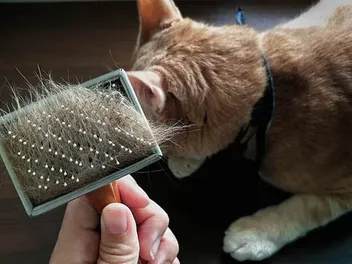
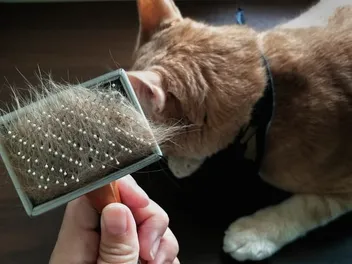
Brush your Munchkin cat (or any cat you have) twice a week to keep the hairs from being shed all over. This traps the hairs and offers quick, all-in-one disposal of the hairs. You should do this in a well-ventilated area. As always, if this process tends to be too much for you to handle, you should consider a face mask or seeking the help of a professional groomer.
Short-Term Respite: Baths
Giving your cat a bath can help with allergies, as it will reduce the amount of allergens they shed for a period of about 2 days or so. Though impractical as a long-term solution, it can be an option to consider for a particularly challenging weekend or a time when you want to be very careful about not letting your cat allergies get the best of you. It can also be an option for when you have family, friends, or other people with allergies coming to your house for a short duration.
Stay on Top of Your Hygiene
Finally, it’s important to stay on top of your own hygiene to keep your allergies in control. Wash your hands often, especially before and after you interact with your cat. Consider having dedicated “cat cuddling” outfits, which you wash separately and more frequently than your other clothes.
On days where you feel particularly vulnerable to having your allergies flare up, consider self-care time in the form of a long bath, a hot shower, or an outdoor walk to provide your body some respite from your symptoms.
Conclusion
It’s likely that you read this article hoping that Munchkin cats were hypoallergenic. Sorry to say that this isn’t the case! We hope we have provided you with enough information to live in harmony with a Munchkin cat, even if you have some mild cat allergies. With persistent cleaning of your house and cat, it is a possible feat to accomplish. However, it is best to follow your healthcare provider’s lead on this matter.
See also:
14 Hypoallergenic Cat Breeds for People With Allergies (With Pictures)
Are Japanese Bobtail Cats Hypoallergenic? Breed Facts & Alternatives
Featured Image Credit: chatchai77, Shutterstock
Expert cat care, straight to your inbox
News, insights, and useful advice, delivered to you.

No spam — unsubscribe anytime.
By signing up, you agree to our Terms & Conditions and Privacy & Cookies Policy.
How useful was this post?
Click a star to rate. You can leave written feedback afterwards. (We read all feedback.)
Jordin Horn is a freelance writer who has covered many topics, including home improvement, gardening, pets, CBD, and parenting. Over the years, she has moved around so much that there's been no time to settle down and own a pet. However, as an animal lover, she dotes on and cuddles any pet she happens upon! She grew up with and dearly loved an American Eskimo Spitz named Maggie and a Pomeranian/Beagle mix named Gabby. She calls Colorado home, but has also recently resided in China, Iowa, and Puerto Rico
Jordin does not like to settle for the "easy answer" when it comes to living life with your pet. She loves to research the best methods and products out there and cut through the jargon so you can see plainly what something is or how something is done.