Are Japanese Bobtail Cats Hypoallergenic? Breed Facts & Alternatives


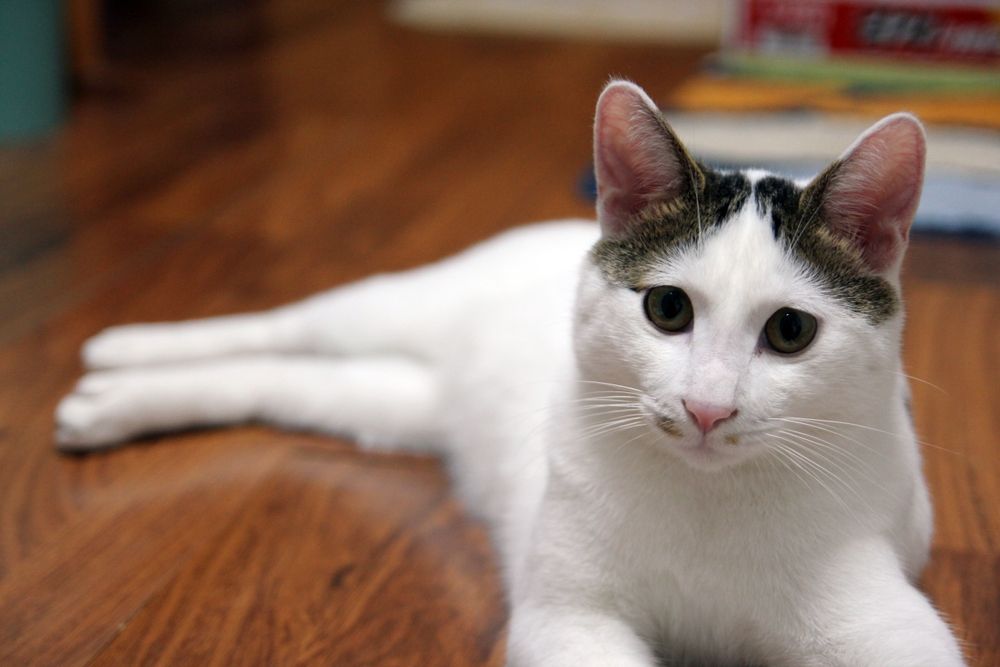
If you’re looking to adopt a new feline friend but are allergic to cats, then you need to search for the most hypoallergenic kitties out there. Otherwise, as cute as they are, having a cat might not be worth the sneezing and itchy eyes. The bad news is there’s no such thing as a 100% hypoallergenic cat. The good news is that there are cat breeds that are considered hypoallergenic, usually because they shed less.
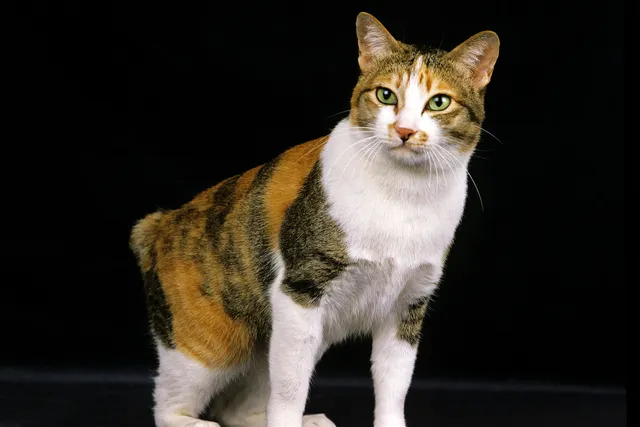
The Japanese Bobtail cat is a breed that may shed a bit less than others; however, it isn’t considered hypoallergenic and still has two shedding seasons a year. Read on to find out more.

What Is a Japanese Bobtail Cat?
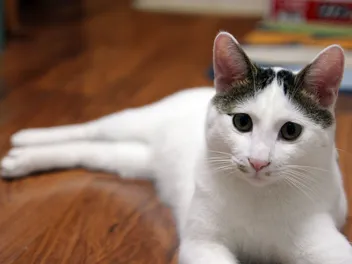
Japanese Bobtail cats are quite popular in Japan but not as commonly found in the United States. It’s an ancient breed that, though the name includes “Japanese”, likely developed in other regions, such as Thailand and Malaysia 1. However, the breed is well-known in Japan—these felines are found in Japanese folklore, were considered a symbol of status at one point, and are still taken as a symbol of good luck and fortune now.
The Japanese Bobtail is a medium-sized breed, standing only 8–9 inches and weighing 5–10 pounds. And, as the name suggests, these felines have shorter tails (usually around 4 inches long). These cats come in a variety of colors and patterns, so it’s easy to find the color of cat you want. And they make incredible companions!

Is the Japanese Bobtail Cat Suitable for Those With Allergies?
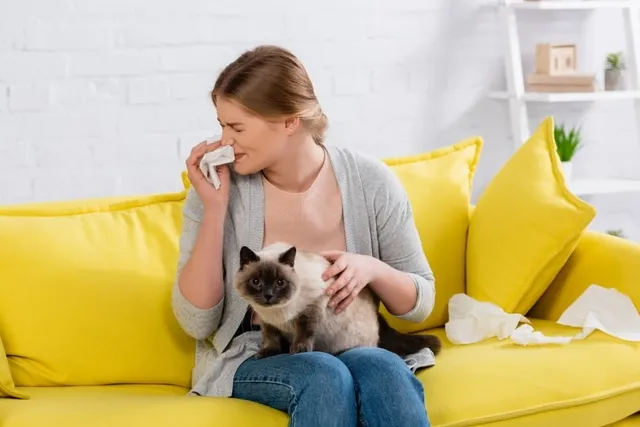
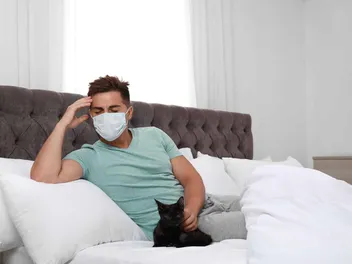
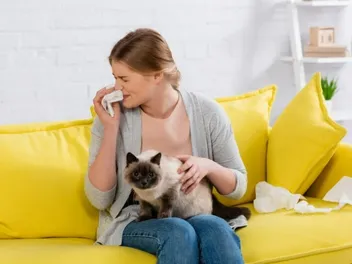
Whether the Japanese Bobtail cat is suitable for those with allergies will depend on just how bad those allergies are. Although different people can be allergic to different things, studies have shown that most people are allergic to a protein found in cat saliva and skin called Fel d 1. As a cat grooms, this protein is spread through their fur. These allergens make their way around your home when your cat sheds hair and dander (dead skin cells) into the environment.
Though the Japanese Bobtail sheds, it has very little undercoat and is a low-shedding breed, so it sheds much less than many other felines. Most of that shedding is done during its shedding seasons in the fall and spring, so those will be the most painful for people with allergies. But due to its low-shedding nature, this may be a suitable breed for those with less severe allergies.
Grooming the Japanese Bobtail Cat
Of course, allergies or not, you’ll still need to groom this kitty to keep its coat looking its best. So, what does that entail?
The Japanese Bobtail cat can come with either a long or short coat, but it doesn’t have much of an undercoat (which is the reason it sheds less ). That lack of undercoat also makes grooming this feline a lot simpler! You’ll only need to brush out your cat’s fur a couple of times weekly to remove dead hair and prevent tangles.
Brushing to remove fur might be a bit harsh on those with allergies, so if possible, have a non-allergic family member take on this task, ideally outside or in a well-ventilated area. Regular brushing will reduce the shedding and the amount of allergens in the home though.
What Are the Most Hypoallergenic Cat Breeds?
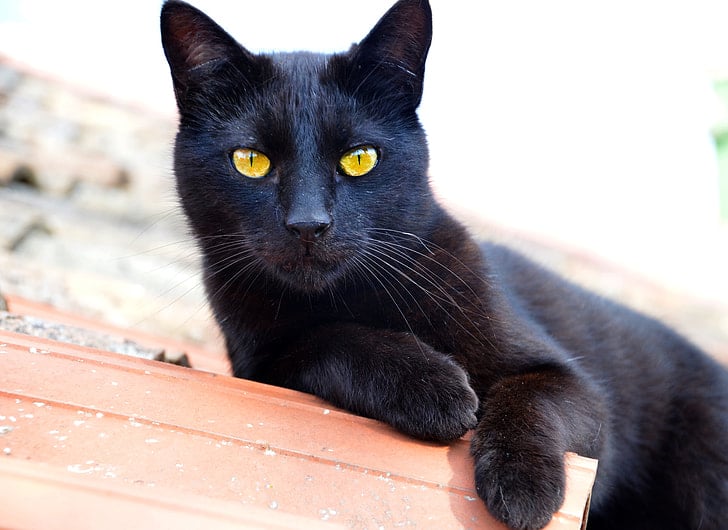
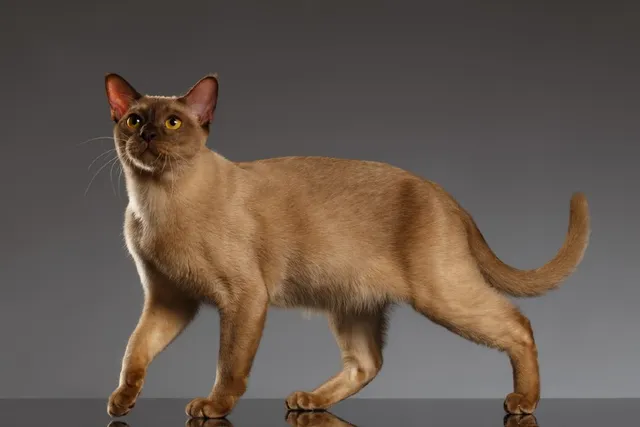
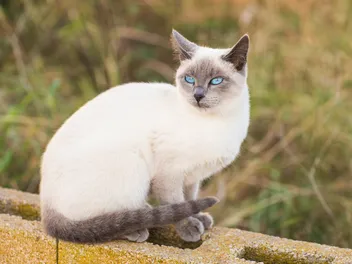
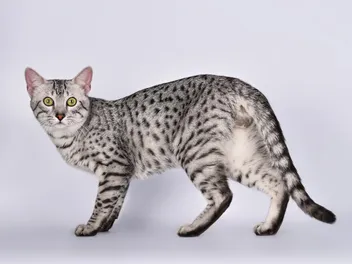
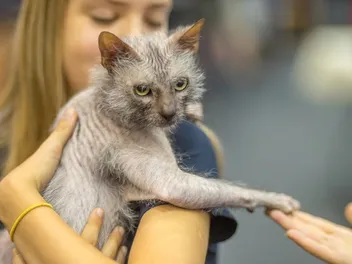
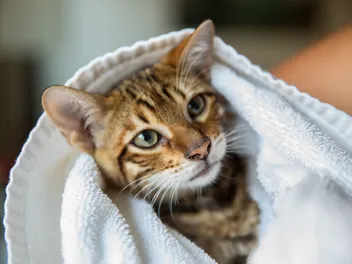
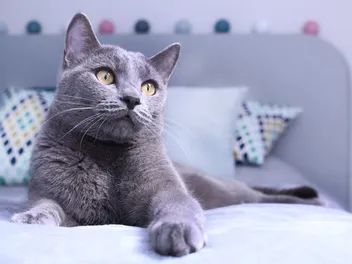
If you think the Japanese Bobtail cat might be too harsh on your allergies but still want a kitty of your own, there are several cat breeds that are considered hypoallergenic that you can look into getting. These are breeds that shed less or produce lower levels of the proteins that trigger most people’s allergies. Just a few of them include the following:
It is always a good idea to spend some time around your chosen breed to see if they trigger your allergies before bringing one into your family. There are several breeds to choose from, so you should be able to find a feline you love!
Final Thoughts
The Japanese Bobtail cat isn’t considered a hypoallergenic breed, but it does shed much less than many other breeds. This could make these felines suitable for some with allergies, though likely not for those with severe allergies. However, there are many hypoallergenic cat breeds out there if you feel the Japanese Bobtail isn’t the right mix for your allergies, so finding the perfect kitty should be possible!
Featured Image Credit: Algorithm images, Shutterstock
Expert cat care, straight to your inbox
News, insights, and useful advice, delivered to you.

No spam — unsubscribe anytime.
By signing up, you agree to our Terms & Conditions and Privacy & Cookies Policy.
How useful was this post?
Click a star to rate. You can leave written feedback afterwards. (We read all feedback.)
Misty Layne lives out in the woods in small-town Alabama with her two Siamese cats —Serafina and Jasper. She also has an array of stray cats, raccoons, and opossums who like to call her front porch home. When she’s not writing about animals, you’ll find her writing poetry, stories, and film reviews (cats, by far, her favorite writing topic, though!). In her free time, Misty enjoys chilling with her cats, playing piano, watching indie and foreign films, photographing abandoned places, and catching up on her never-ending TBR list.