Why Does My Cat Meow So Much? 6 Reasons (Vet Answer)

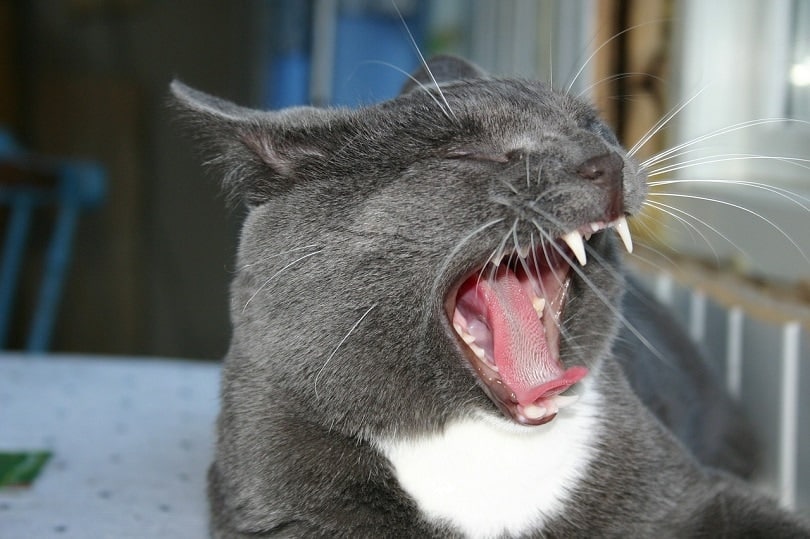
Cats can be the most loving, loyal, and fun companions. They can be less time-consuming than other pets and often fit more easily into your lifestyle. A friendly, purring housemate to greet you after work and cuddle on the sofa is surely one of the best things in life. But sometimes your talkative feline companion can border on annoying, especially if they keep you awake by meowing loudly at night, or you can't hear the television over their constant yowling! Excessive meowing can definitely make your feline friend less endearing. So, what does excessive meowing mean and what can you do to stop your cat from meowing all the time?

The 6 Reasons Why Cats Meow
Cats can meow for many reasons. Being in heat, feeling stressed, feeling pain, feeling hungry or just general interaction with their pet parent are all possible causes. So, meowing can be very normal if a bit annoying, but should not be ignored, especially if it is excessive or if there is a change in the pattern or amount of crying your cat does. Some changes in your cat’s crying could be a sign that your cat needs veterinary attention, either for a behavioral issue or other illness. Often these things are treatable with the right advice and intervention, especially if you intervene at an early stage.
1. Heat & Hormones
If you have a female cat that has not been spayed, you will likely experience her coming into season, known as heat, reasonably regularly once she reaches around 6 months old. It's not uncommon – and is completely understandable – that owners seek veterinary advice about their cat that is in season, as the signs can suggest that she is in extreme pain or is unwell.
Cats that are in heat tend to do a lot of yowling, a term for a loud vocalization that, once heard, cannot be forgotten! Aside from the yowling and excessive crying, cats that are in season will get into odd positions with their tail up or to the side, and can sometimes stretch out, yowling as if they are hurt.
Although being in season isn't a concerning medical condition, it can certainly be annoying. It also means that your cat will be desperate to go out and mate with any local unneutered tomcats in the neighborhood, so beware of the risk of an unexpected pregnancy. Unneutered male tomcats may also vocalize excessively, especially if they know there are 'in heat' lady cats in the area. Luckily, if your cat is vocalizing for this type of hormonal reason, neutering should be the answer. Speak to a veterinarian about booking this procedure if you think it might be relevant.
2. Stress
Cats can vocalize excessively if they are stressed. Compared to us humans, cats are a little more sensitive to stress, so it is important to really think about what might have changed in their life recently from their perspective. For example, that new cat in the area might only be minorly irritating to you because they use your garden as a toilet, but your cat will likely feel threatened and stressed at having a new cat in their territory.
Similarly, you might think a new baby is a lovely addition to the family, or that you humans are the only ones affected by the change of routine, night feeds, and crying, but your cat will often pick up on the changes in the household too. Signs of stress in cats can include meowing, especially if there is a change in the pattern, frequency, or sound, but also overgrooming, bald patches, and passing urine in places where they shouldn't.
Stress can lead to more serious concerns in cats, especially if it causes an effect on the bladder. If you think your cat might be stressed, and that this is causing them to meow, you could try interventions like calming medications, anti-anxiety diffusers, or sprays, or you could speak to a veterinarian. Remember to let your veterinarian know if your cat is having any trouble passing urine.

3. Pain
If your cat is sore or is feeling unwell, they may meow more. A sudden change in their vocalizing, especially if you can see an injury or signs of trauma, may be a sign that they are painful, so arranging an appointment with a veterinarian would be recommended. However, it is important to note that some cats do the opposite when they are in pain, by becoming more withdrawn, less vocal, and less interactive. It is important not to assume that your cat is not in pain just because they are not crying.
4. Hunger
Just like us, cats become a little more grumpy or demanding when they are hungry. If your cat’s crying is generally related to dinnertime, it’s far less likely to be a concern. If your cat has a feeding routine rather than grazing as and when, stick to your guns and try not to acknowledge their meowing at all.

5. Feline Dementia
Cats can suffer from ‘dementia-like’ symptoms as they age, and this can cause them to yowl more than they used to. They are often seeking reassurance and may be feeling lost or confused. Elderly cats may have hyperthyroidism, high blood pressure, and hearing loss as well – all of which can cause increased meowing!
6. Feeling Chatty
Some cats are very vocal by nature – they just want to have a chat because they enjoy and feel reassured by their interactions with you. Breeds that tend to meow more include Siamese, Burmese, Oriental Shorthairs, and Sphynx cats, although many others can be vocal.
Many cats enjoy getting attention and affection from you, and they will seek and achieve this by meowing. The more that they receive your attention for meowing, the more this behavior is reinforced. Take care when responding to your cat’s unwanted behavior, even when times are tough – by giving in for an easier life you may be inadvertently encouraging the behavior.
The crucial way to determine whether your cat is just a ‘Chatty Cathy’ or whether there is a problem that needs investigation is to get to know your cat. If you have only just taken on a new cat, you may not know what is normal for them. Take time to observe for any other concerning signs and keep an eye out for any change in their vocalizing behaviors. If you are unsure whether your cat is just talkative or whether there is an underlying problem, always speak to a veterinarian who will be able to help.
Frequently Asked Questions
Why does my cat meow at night?
If your cat meows at night it might be because they are stressed, or even bored. If anything has changed regarding their routine, for example, if you've moved home or there is a new cat in the area, this could trigger excessive meowing. The fact that the excessive meowing happens at night is normally just due to many cats being more active and awake during the night.
How do you stop a cat from meowing all night?
The first step to stopping, or at least trying to control your cat's excessive crying at night, is to try to determine the cause. Important things to consider are whether the behavior has suddenly started, gotten worse, or always been the case and whether there have been any recent stresses or injuries that could account for it.
There are medical options to help with stress or pain causes, so an appointment with a veterinarian to rule in or out various potential reasons would be helpful. Ultimately though, your cat may just be particularly active at night and this can cause them to be more vocal.
Is my cat crying a bad sign?
Not necessarily. Cats can cry for many reasons and sometimes it’s just because they’re happy and want to interact with you. However, if you’ve noticed a change in the pattern or amount of crying, or if there are other signs of illness or injury, it would be sensible to take your cat to the veterinarian to make sure there is nothing wrong.
Conclusion
If your cat cries excessively, it can be really annoying. Relentless meowing can be tough to take especially when it starts to impact your sleep, your enjoyment of your home life, and your bond with your beloved feline. So, what do you do when your cat won't stop meowing?
Try to stay calm and consider the reasons why it might be happening. Firstly, decide whether it is a brand-new problem or whether your cat has always done it to an extent. Perhaps your cat is a new addition so you’ve no idea what is normal for them.
If stress-related, there are anti-anxiety medications that may help or if it is sexually motivated behavior, the advice may be as simple as to neuter your pet. Veterinarian and cat behaviorist advice is likely to be able to shed some light on the situation and will hopefully give you some tactics or lifestyle changes that will allow you to live in harmony with your cat. Remember that however challenging you are finding living with your noisy cat, acknowledging the behavior will give your cat the attention they desire, which may encourage them to continue to behave this way. However, with patience and the correct advice, your bond with your cat could soon be restored.
Want more free vet advice? Check out some of our other Ask-a-Vet posts:
Featured Image Credit: SuzyLu, Pixabay

Expert cat care, straight to your inbox
Vet-reviewed advice, behavior tips, and the best of Catster. Free, and you can unsubscribe anytime.
By signing up, you agree to our Terms & Conditions and Privacy & Cookies Policy.
Dr. Joanna Woodnutt BVM BVS (Veterinarian)
Joanna is an experienced veterinarian working in the UK. She has written about pets and their health for many blogs, pet magazines and pet websites and loves to help readers understand their pets through her writing.
She has started her own freelance company so she can help more pet parents than just the one standing in front of her in a consultation room.
She enjoys teaching and educating clients, so a career in writing, public education and pet health is the perfect combination for her.
Join the conversation
Ask a question, share your story, or send private feedback.