Why Is My Old Cat Meowing So Much? 10 Vet-Reviewed Reasons


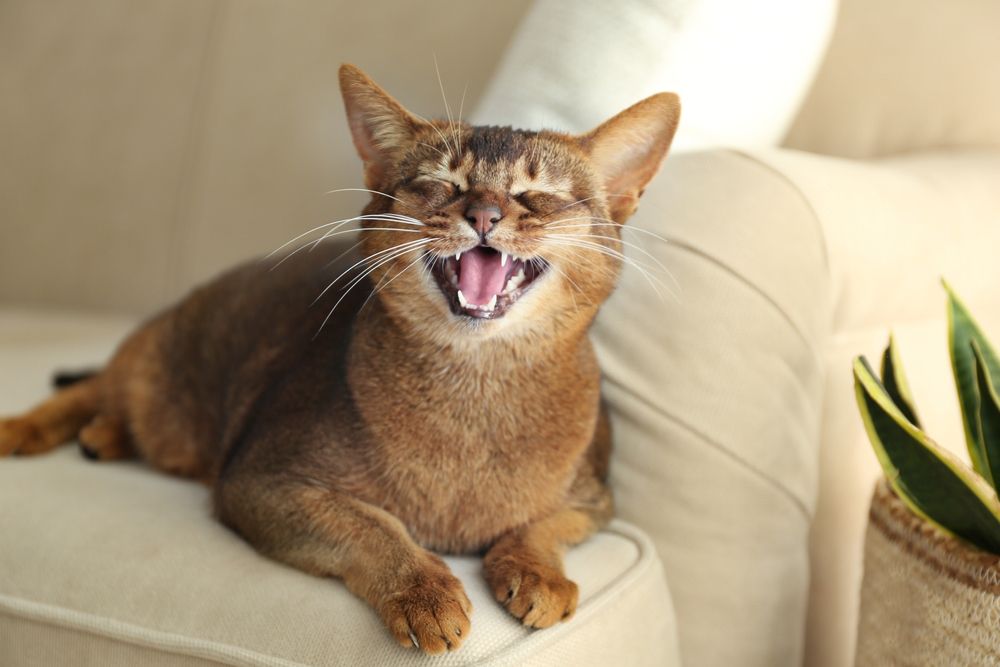
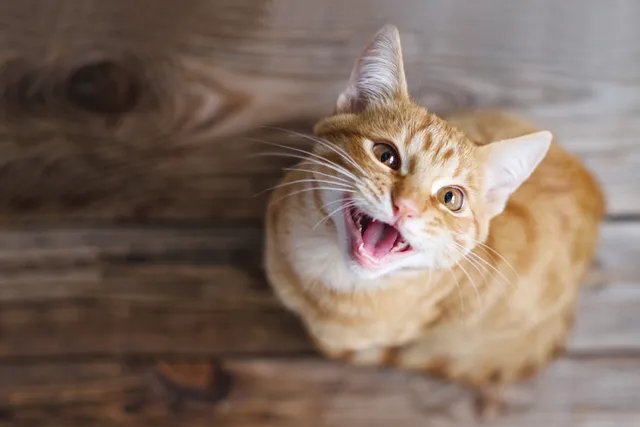
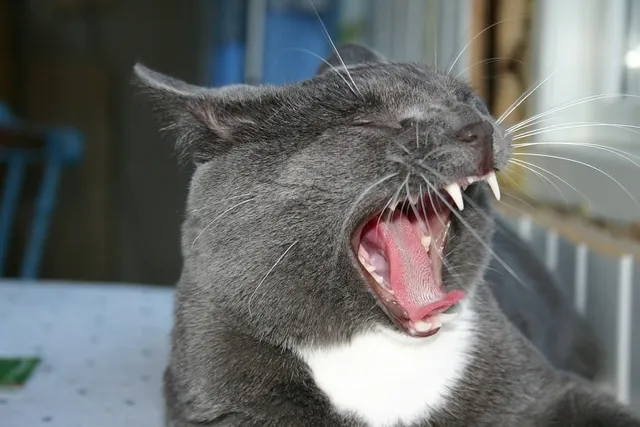
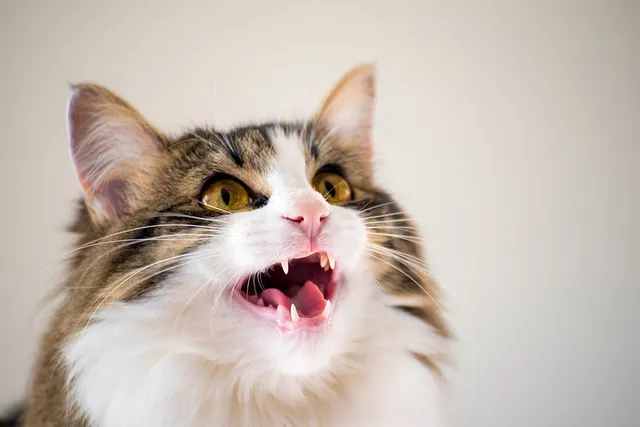
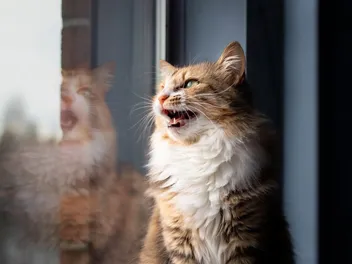
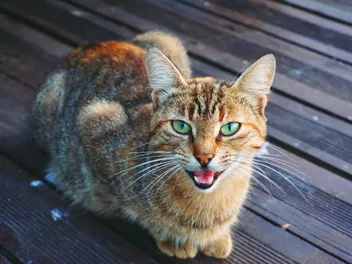
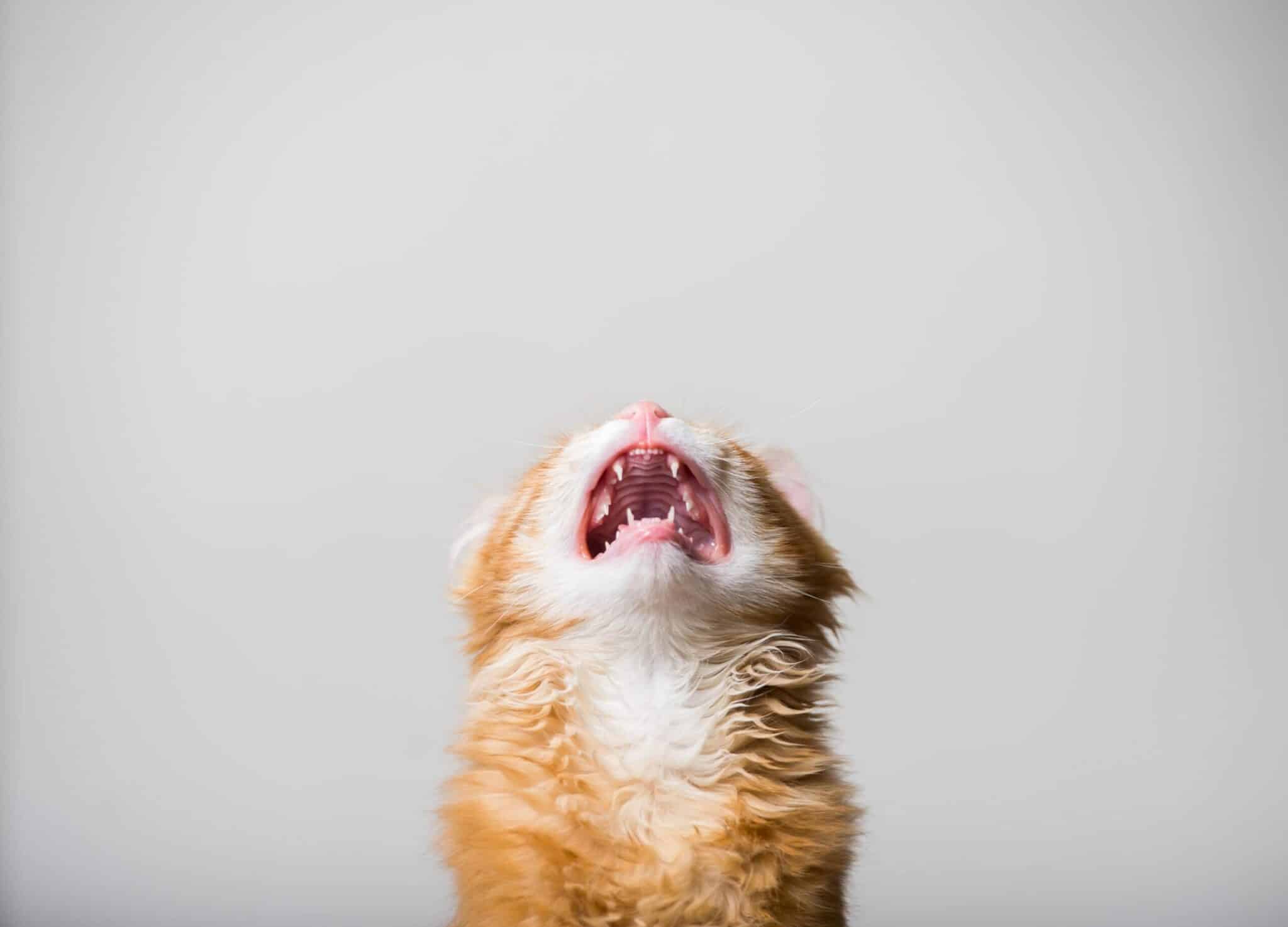
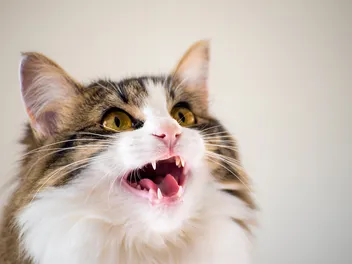
As cats age, they may start vocalizing more often. Some cats naturally meow more than others, but if your elderly cat starts meowing much more excessively, it can make you wonder if your cat is experiencing a problem.
Determining the cause of the increased meowing and getting to the root of the problem will help you remedy the situation. Read on to learn about possible reasons that your old cat is meowing so much.

The 10 Reasons Old Cats Meow
1. Dementia / Cognitive Dysfunction Syndrome
Cat dementia, or feline cognitive dysfunction (FCD), is a group of signs and changes in an elderly cat's brain caused by old age (or more appropriately, oxidative stress). FCD is generally understood as the degeneration of tissues in the brain due in part to oxidative damage, but genetic predisposition also plays a role.
This degeneration causes a reduction in the function of an elderly cat's brain and a slew of clinical signs, one of which is excessive crying.
Signs of FCD Include:
Confusion, changes in memory, and fear are big reasons your cat might be meowing so much, as they can sometimes forget where they are or who you are, causing them to cry out.
While it's not a certainty that all cats will get FCD, it's known that 1/3 of all cats will show a few signs of cognitive decline by the age of 11, and this rises to 50% of cats over the age of 15.
How to Remedy the Behavior
If you’re concerned about your pet’s well-being, we recommend consulting a veterinarian.
2. Losing Their Senses (Sensory Decline)
Sensory decline is another reason your older cat may be crying more, as losing the ability to see, hear, or smell is stressful to a cat. It can be part of the aging and degeneration process, but any suspected changes to your cat's senses need to be addressed by a vet as soon as possible.
This loss of some or all of the senses can be stressful to cats, as their senses enable them to make sense of the noisy, bright world around them. Cats struggling with sensory decline might be crying to ask for help, as they're not sure about navigating an area or aren't sure who is present in a room, making them feel unsafe.
Signs of Sensory Decline in Cats Include:
How to Remedy the Behavior
3. Hypertension (High Blood Pressure)
High blood pressure (or hypertension) is commonly seen in older and geriatric cats. Current studies show that the most common ages for a cat to be diagnosed with hypertension are between 13 and 15 years old.
Hypertension can appear as a complication of other medical conditions, including kidney disease and hyperthyroidism, and as a primary problem, with no other disease associated.
Signs of High Blood Pressure in Cats Include:
How to Remedy the Behavior

4. Hyperthyroidism
Hyperthyroidism is a common illness in middle-age and elderly cats, with estimations that over 10% of cats over 10 years of age will develop the disease. Hyperthyroidism is a problem with the thyroid gland, a small butterfly-shaped gland in the front of the neck.
This gland produces too many hormones (thyroid hormones) that change the metabolism in the cat's body, leading to damage to organs, increased blood pressure, and heart problems if not treated. This issue is usually caused by a benign (non-cancerous) growth on the cat's thyroid gland, and while the signs can be subtle and take a while to show, they often mimic signs of old age in cats.
Signs of Hyperthyroidism Include:
How to Remedy the Behavior
5. Arthritis / Joint Pain
Degeneration of the joints is a common problem in elderly cats that can cause great pain and discomfort. It can affect any joint but it is seen more often in the shoulders, elbows, hips, knees, and ankles, which causes a slow or awkward gait and sometimes painful vocalizations as your cat tries to move.
There are usually other behavioral changes seen in cats with joint pain, such as reluctance to walk up and down stairs, not wanting to jump up or down from furniture, or not wanting to climb into the litter box, causing accidents around the home.
Research shows that more than 80% of cats over the age of 10 suffer from arthritis or joint degeneration, so the problem is prevalent and causes cats to meow in pain in many cases.
How to Remedy the Behavior

6. Neurological or Central Nervous System Disease
Central nervous system (CNS) diseases can occur in aged cats, and certain neurological conditions can cause behavioral changes, including meowing. Infectious causes of CNS disease include feline infectious peritonitis or toxoplasma infection, which are less common in old cats but can still occur.
Problems in certain areas of the cat’s brain, such as the hypothalamus and hippocampus, have been linked to excessive vocalizations. Brain tumors may also occur, causing the affected cat to develop signs gradually over time. One of the most common signs is behavioral changes, such as excessive crying, coordination problems, pain, seizures, and different pupil sizes.
How to Remedy the Behavior
7. Attention
Sometimes, elderly cats just need some attention and love from their owners and will croakily meow to get it. They may be hoping to get some social interaction or food. Constant or excessive meowing can be frustrating, but try to remember that you're the person whom your old cat will look to for comfort and reassurance or for help if they have a problem.
Cats can get lonely, bored, or even afraid, particularly ones suffering from cognitive decline, so they may try to get your attention in one of the only ways they know how: by using their voice.
How to Remedy the Behavior

8. Stress
Old cats, like young cats, can suffer from stress that can cause them to meow. Some of their stress can be caused by dementia / cognitive decline, but some can be caused by changes in routine or changes around the home, such as the introduction of a new pet or baby to the household.
Older cats may deal with stress less effectively than younger cats, as they're generally less tolerant of it and can become easily overwhelmed.
How to Remedy the Behavior
9. Dental Problems
Dental disease is prevalent in older cats, with 50% to 90% of cats older than 4 years old having some kind of dental disease, which gets more severe as the cats get older.
Dental problems can cause great pain and can make it impossible to eat, causing your cat to meow in pain.
Signs of Dental Pain and Disease in Cats Include:
How to Remedy the Behavior

10. Just Being Vocal
Maybe you just adopted an old Siamese and you are very surprised at how chatty they are. Some breeds, such as Siamese, Bobtail, and Bengal cats, are known to be very vocal and will often talk to their owners all day long, but if your cat is usually quiet and suddenly starts to meow frequently or loudly, they should be checked out at the vet to ensure that nothing is wrong.
Some breeds, such as Siamese, Bobtail, and Bengal cats, are known to be very vocal and will often talk to their owners all day long, but if your cat is usually quiet and suddenly starts to meow frequently or loudly, they should be checked out at the vet to ensure that nothing is wrong.
How to Remedy the Behavior

At What Age Is a Cat Considered Old?
Due to the average modern cat living longer, a cat is now considered "mature" at 7 years of age (when cognitive decline can start), considered "elderly" at 11 years, and classed as "geriatric" at 15 years and above.

Conclusion
Old cats are truly wonderful to be around and are often cuddly and calm. They usually take life in the slow lane in their old age, but when your cat is meowing excessively, it can become distressing for both you and your feline friend.
Finding out the cause of your cat's crying can help you remedy the situation. It's important to remember that your cat isn't doing it on purpose and is rather suffering from an underlying health problem or crying in pain or distress. If none of these apply, your cat may just be chatty, and a little extra playtime can help burn off any excess energy they have that they might use for talking!
See Also:
Sources
https://www.petmd.com/cat/conditions/neurological/c_ct_cognitive_dysfunction_syndrome
https://www.dvm360.com/view/unpacking-feline-dementia-veterinary-guide
https://vcahospitals.com/know-your-pet/hypertension-or-high-blood-pressure-in-cats
https://icatcare.org/advice/hypertension-high-blood-pressure/
https://vetmed.illinois.edu/pet-health-columns/cats-hyperthyroidism/
https://bluepearlvet.com/medical-articles-for-pet-owners/hyperthyroidism-in-elderly-cats/
https://icatcare.org/advice/arthritis-and-degenerative-joint-disease-in-cats/
https://journals.sagepub.com/doi/full/10.1016/j.jfms.2011.09.004
https://icatcare.org/advice/senility-dementia-or-cognitive-dysfunction-syndrome/
Featured Image Credit: New Africa, Shutterstock
Expert cat care, straight to your inbox
News, insights, and useful advice, delivered to you.

No spam — unsubscribe anytime.
By signing up, you agree to our Terms & Conditions and Privacy & Cookies Policy.
How useful was this post?
Click a star to rate. You can leave written feedback afterwards. (We read all feedback.)
Brooke Billingsley, a former veterinary assistant for nine years, became a nurse in 2013. She lives in Arkansas with her boyfriend of five years, surrounded by her beloved pets: three dogs, two cats, five fish, and two snails. Brooke has a soft spot for special needs animals, caring for a three-legged senior dog and a widely known cat with acromegaly and cerebellar hypoplasia. She has developed a keen interest in fish keeping and is always learning how to provide the best environment for her aquatic pets. In addition to her passion for animals, Brooke enjoys gardening and maintains a vegetable garden during the summer. She stays active with yoga and received her 200-hour yoga teacher certification in 2020. Brooke also hosts a podcast that delves into folklore and myth, dedicating her spare time to research and writing. She embraces the philosophy that every day is an opportunity for learning and growth, continually working to acquire new skills and knowledge.