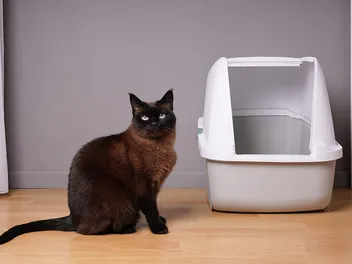
Why Your Older Cat Is Not Using the Litter Box (7 Likely Reasons)


In this article
It can be a bit frustrating when your cat uses the bathroom outside the litter box, but it’s not uncommon for older cats to have accidents. A lot of changes occur as your cat gets up there in age. Caring for a senior can have its challenges, especially concerning the litter box.
If your beloved older cat has suddenly stopped using the litter box, there are several reasons this may be happening. Certain issues may be related to age while others may not. In this article, we’ll take a thorough look into what could be causing this behavior and what you can do about it.

Tips for Cleaning Up After Your Older Cat
Cleaning up cat urine or feces is never something you look forward to doing, but it’s something that all cat owners will be forced to do at some point or another. Here are some tips on getting your cat’s mess cleaned up and your home restored to normal.
1. Use an Enzyme Cleaner
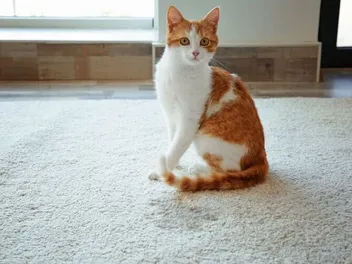
A mess of feces may need to be washed with cool water to remove any excess, but both poop and pee messes should be followed up with a top-of-the-line enzymatic cleaner. These cleaners use enzymes to break down the bacteria in the waste and will eliminate stains and odors rather than just masking them.
Our Favorite Enzyme Cleaner
The Hepper Advanced Bio-Enzyme Pet Stain & Odor Eliminator Spray is our favorite enzyme cleaner out there. It permanently removes even the very worst kitty stains and smells, leaving your home fresh and clean! Click here to learn more about this amazing product and get yourself a bottle.

- ADVANCED ENZYMATIC CLEANER - Penetrates the most stubborn smells and stains at the deepest molecular levels to dissolve any pet mess you encounter and lift it away at the source.
- FOR ANY MESS, ON ANY SURFACE - This pet odor eliminator cleans your carpets, floors, furniture, fabrics, and more. Whether it's urine, feces, vomit, or drool, you can erase all foul spots and smells!
- FRESH, NATURAL ODOR - Our unique formulation doesn't rely on dangerous or unpleasant chemical fragrances to get the job done. We eradicate smells and stains, not just cover them up.
At Catster, we’ve admired Hepper for many years, and decided to take a controlling ownership interest so that we could benefit from the outstanding products of this cool cat company!
2. Use Gloves
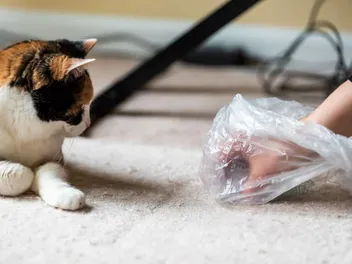
Cat waste is gross, and you don’t want to come in contact with any of it. You risk feces being contaminated with a parasite known as Toxoplasma gondii, which leads to Toxoplasmosis1. Since you certainly don’t want any cat feces or urine coming in contact with your skin anyway, it’s best to throw on some gloves to get the job done.

3. Use Paper Towels
Paper towels are necessary regardless of whether your cat has gone number one or number two. Soak up any urine with paper towels or pick up any feces and then dispose of it in a trash bag and take it to the outdoor dumpster to prevent the scent from stinking up your home.
4. Use a Carpet Cleaner
Carpet cleaners can most definitely come in handy for pet owners. Whether it’s just used for spot treatment, or you opt for a full-sized machine meant to cover large areas, they can help restore carpets and remove any set-in stains or odors. If you don’t want to invest in one, you can always rent from a local home improvement store or even hire a professional to come in and do a thorough cleaning.

Why Your Older Cat Is Not Using the Litter Box
1. Health Issues

Just like with humans, cats become more susceptible to health issues as they advance in age. Older cats are much more likely to suffer from health ailments like urinary tract infections, kidney disease, heart disease, diabetes, hyperthyroidism, cancer, and more. These medical issues quite often lead to changes in bathroom habits and make it much more likely that your cat will suffer from accidents.
The first thing you need to do if your senior cat has begun going outside the litter box is call your veterinarian and schedule an appointment. You will want to rule out any medical conditions and make sure they are in good health before you contemplate any other reasons for this behavior.
Certain health issues can be remedied easily and could have your cat back to using the box in no time, while others may require more extensive treatment measures. Your veterinarian will do a thorough examination and any diagnostic testing necessary. If there is a medical condition present, they will go over a treatment plan with you.
2. Cognitive Decline

As the body ages, it is not unusual for cognitive function to decline. Older cats are commonly affected by the condition known as feline cognitive dysfunction or FCD. Over 55% of cats aged 11 to 15 years and 80% of cats ages 16 to 20 years suffer from cognitive decline.
This affects a cat’s memory, hearing, sight, and ability to learn. Cats will often forget their normal habits and routines and experience disruption in their sleeping patterns, and may even show changes in behavior.
Forgetting the location of the litter box is very common in cats suffering from cognitive decline. They may also forget the habit of using the litter box in the first place and resort to eliminating waste in areas where they sleep or eat.
There are many telltale signs of decreased cognitive function, so if you happen to notice your cat has begun going outside the litter box and it is accompanied by other unusual behaviors outside the norm, you should reach out to your veterinarian for a proper evaluation.
If it is determined that FCD is likely the root cause of the behavior after ruling out various medical causes, the veterinary staff will talk to you about making some changes within the household to better suit your cat and work on setting a specific schedule. There may also be some medications that could be helpful but that will be at the discretion of the veterinarian.
3. Chronic Pain

Unfortunately, arthritis and chronic pain is often a part of getting older and our precious kitties can suffer from it, too. After many years of jumping, playing, and carrying the body through life, the bones and joints can begin to degenerate and cause reduced mobility and much less activity in a cat’s daily life.
Certain litter boxes may be more difficult to get into if your cat is suffering from arthritis or another form of chronic pain. This could potentially cause your older cat to resort to using the bathroom elsewhere. Signs your cat is in pain include lameness, stiffness when walking, reluctance to jump or climb stairs, lack of activity, and reluctance to be touched.
If you believe your elderly cat could be having issues getting around, it’s a good idea to have them examined by your veterinarian so they can provide treatment for pain relief and give you tips on keeping your cat comfortable.
As far as the litter box goes, you will need to make sure your cat has easy access to the box in the area of the home where they spend most of their time. For example, don’t place the litter box upstairs if your cat spends most of its time downstairs or vice versa. You should also look into a litter box that provides easy entry like an open pan or even a covered box that has a ramp.
4. Sudden Change of Litter or Litter Box

Cats can be very picky in many aspects of their life. If your older cat has suddenly stopped going in the litter box, it could be related to a change in litter or even the litter box itself. Cats are habitual creatures that crave routine, and they can act out of character if that routine is changed.
There are a few reasons a cat may dislike certain types of litter. This can include smell, texture, or even just the fact that it’s different from that to which they are accustomed. The same goes for the litter box. If they were comfortable using a certain style of box, and you replaced it with a new type, it could easily deter them from using the litter box to do their business.
If you’ve ruled out any potential health issues that could be contributing to this behavior and you’ve made a change of litter box or litter type, you may want to bring back what they’re used to and see if you have any success.
5. Cleanliness of the Litter Box

Plenty of cats will refuse to use a dirty litter box. This isn’t necessarily an age-related issue since cats of any age often refuse to use dirty litter boxes, but certain older cats may grow less tolerant of extra mess in their box, too. Certain cats may even prefer the litter box be cleaned after each use.
If you have an extra-clean cat, you will just have to be on top of litter box duty. It’s recommended to clean the litter box at least once per day. If you have a really picky cat, you may want to try and carve out 2 to 3 times per day to do a quick cleaning of any mess.
It is a good idea to do a thorough cleaning of the litter box about once every week or so. This includes removing all litter, cleaning the box with soap and water, and then putting a fresh batch of litter back in. If the box is old or the odor is difficult to remove, it may be time to replace it altogether.
6. There Are Not Enough Litter Boxes in the Home

You may run into litter box issues if there are not enough litter boxes in the house. This is especially true in multiple-cat households. It is recommended that you have one box per cat and then one extra. So, if you have two cats in the house you should have three litter boxes available for them to use.
Cats enjoy their privacy, especially seniors that are beginning to slow down and be less active than they used to be. Of course, you want to rule out any potential medical conditions as the first step in figuring out why your older cat isn’t using their litter box, but it could be something as simple as them needing their own private space.
7. Change in Routine or Environment

If there is one thing cats hate, it’s change. While kittens and younger cats may be more adaptable, that isn’t always the case and cats of any age can be largely affected by a change. Older cats that are already comfortable and set in their ways can be particularly sensitive to a sudden change in environment or routine.
This may include changes ranging from small to large. Have you recently moved furniture around or changed the location of the litter box? Have you had guests over? Is there construction going on in or around the house? All of these can cause your cat enough stress to potentially stop using their litter box.
Big life changes like moving or bringing home a new baby or family pet can also trigger this behavior. So, if you suddenly notice cat messes in random areas of the home, think about what could have caused your cat any kind of stress.
There’s no way to prevent change, but you may be able to help lessen the stress on your cat by preparing beforehand. Keep them in a comfortable area, limit their exposure to outside sources, and keep their usual litter box close by.
You can also try using comforting pheromone sprays or even contact the veterinarian for some tips on destressing. They may even be able to prescribe some medication to relax their nerves and ease their anxiety as they adjust.
It may be frustrating to clean up after but never punish your cat for going outside the litter box. Instead, use positive reinforcement when they are doing what they are supposed to and provide them with lots of comfort and affection when they are going through a stressful period. More negative emotions will only worsen the problem.
How to Encourage Your Cat to Use the Litter Box
If your older cat’s unwanted bathroom habits are not due to an underlying health issue, there are some things you can do to encourage them to get back into the habit of using the litter box. Here are some tips to keep in mind.
1. Find the Right Location
Cats like privacy when they go to the bathroom. In the wild, it makes them vulnerable to predators and a cat’s natural instincts are very much alive and well even when they are a spoiled rotten domesticated house cat.
Not every cat will have the same privacy needs, but it’s a good idea to place the litter box in a quiet, low-traffic area of the household that is easily accessible. For older cats, we recommend placing it in an area not too far from where they spend most of their time.
If their mobility is going downhill and they are much less active than they used to be, keeping it nearby will be easier on their aging bodies and can help prevent or reduce accidents.

2. Make Sure Your Cat Can Easily Enter the Box
As mentioned above, you want a litter box that is comfortable and easy for your cat to enter. Older cats that have trouble getting around may have a hard time using a top entry box or any other kind they must jump into.
There’s no need to make any changes to their normal litter box if they aren’t showing any issues using it, but if they start to show signs of arthritis or struggle to maintain their normal activity levels, you may want to opt for something easier for them to get into and out of appropriately.
3. Use Their Preferred Litter
Cats are sensitive to smells and textures. There are plenty of litter varieties available on the market and not all cats will be keen on certain types. This can be due to chemical smells, clumping agents, litter texture, and much more.
If your cat is comfortable with a certain type of litter and they’ve recently stopped going in the litter box after you have made a change, it’s time to put their preferred litter back in place to help encourage them to use their box again.
4. Clean the Litter Box Often
Clean your litter boxes at least once per day to prevent them from becoming too dirty. If your litter box is full of mess, it may discourage your cat from using it. If your cat suddenly quit using their box and it’s full of their waste, do a very thorough cleaning and replace the old litter with fresh litter. If their issue is cleanliness, this should resolve the problem.

5. Try a Litter Additive
Litter additives or litter attractants are specifically made to correct inappropriate elimination behavior. Not only are they great for litter training new kittens, but they also help encourage older cats to use the desired litter box. These products work by using a scent that attracts the cats to the box.
Conclusion
There are several reasons why your older cat may be using the bathroom outside their litter box. Senior cats are much more susceptible to medical issues, arthritis, and chronic pain, all of which could be related to inappropriate elimination. There are plenty of other factors that aren’t related to health concerns that could play a role in this behavior too. First and foremost, you should visit your veterinarian to either treat or rule out any potential health problems.
Featured Image Credit: Svetlana Rey, Shutterstock
Expert cat care, straight to your inbox
Vet-reviewed advice, behavior tips, and the best of Catster. Free, and you can unsubscribe anytime.
By signing up, you agree to our Terms & Conditions and Privacy & Cookies Policy.
Lindsey and her husband enjoy traveling the US with their kids and photographing wildlife. Her passion is to educate others on the importance of proper animal care, with an emphasis on reptiles and exotics since their care requirements can be much more complex. She is also a huge advocate for bully breeds. She feels most at home in the forest either on horseback or in hiking boots.
Join the conversation
Ask a question, share your story, or send private feedback.