How to Introduce a Cat to a New Litter Box (7 Vet-Approved Tips)


In this article
There are several possible reasons you might need to switch up your cat’s litter box. Perhaps they have outgrown their present one, are having difficulties getting in and out, or need something more open or enclosed. Simple enough, right? Not always.
As we all know, as cat parents, our feline friends are prone to aversion at times. A cat’s suspicion surrounding change can mean that introducing them to something new and improved requires a bit of extra know-how on your part to make transitions as stress-free as possible.
In this guide, we’ll share some great tips on how to successfully introduce your cat to their brand-spanking new litter box.

How to Introduce a Cat to a New Litter Box
1. Choose the Right Location

If possible, put the new litter box in the exact same place and position as the previous one. Some cats can get pretty anxious when their litter box is moved around too often, so keeping the litter box in the same location and position will reduce their stress and encourage them to use it.
Of course, this is a bit trickier if you’ve moved house. In this case, the best thing you can do is choose a calm, quiet spot in as private an area as possible and stick to it.
2. Stick to the Same Litter
Just like when a litter box is moved around, changing the type of litter your cat uses can be confusing and stressful for them. If your cat wasn’t getting along with their previous kind of litter, it’s 100% fine to change it, but try to avoid switching litter that they like and are used to. Moreover, it’s a good idea to keep filling the box with litter to the same depth as before.
3. Pick a Suitable Box

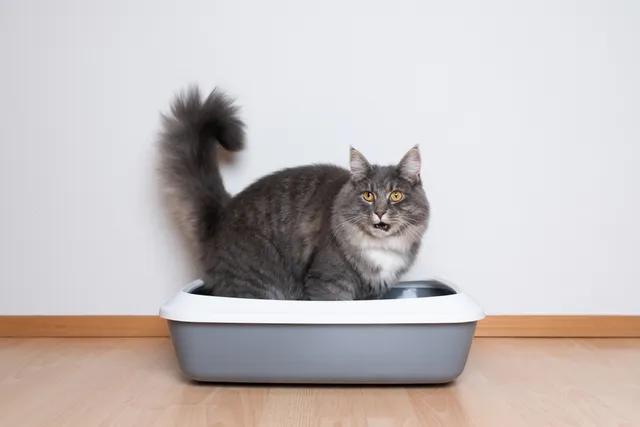
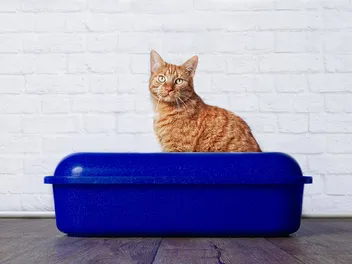
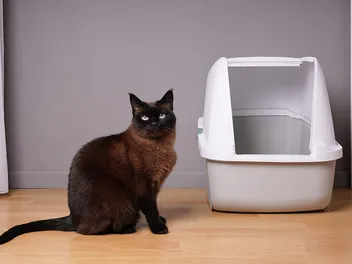
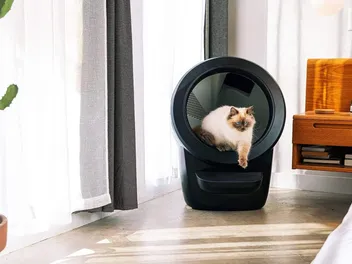
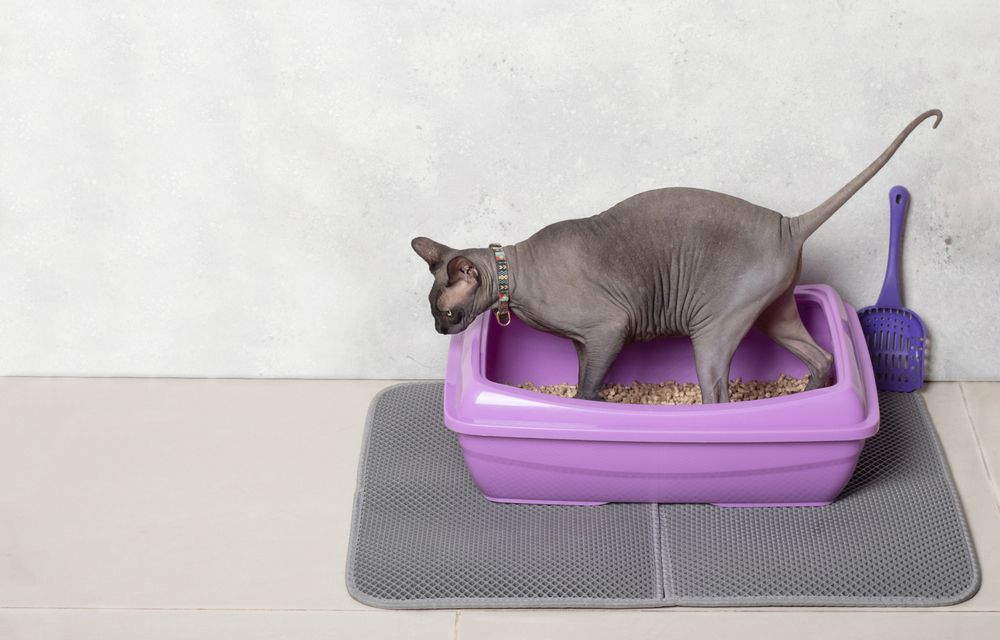
It can be surprising to some just how picky cats can be, and yep—that extends to the kind of box they use. They all have different preferences. While one cat may be fine with a standard, open litter tray, others may be on the shy side and prefer an enclosed box. Older cats or those with mobility issues will often need a box that’s easy for them to enter and exit.
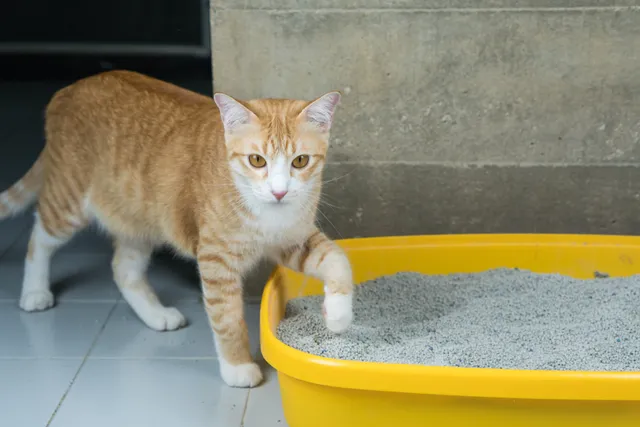
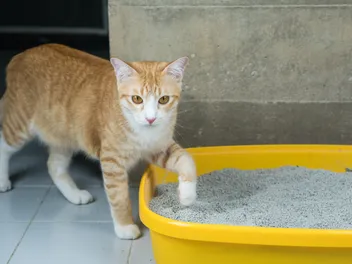
Some cats even don’t like having all four paws in the litter tray (one of our cats has this problem) so need a covered box with a hole in it so they can rest their front paws on the top of the box and stand to do their business. Picking the best box for your cat will make the transition much easier for them.
5. Keep the Box Spick & Span

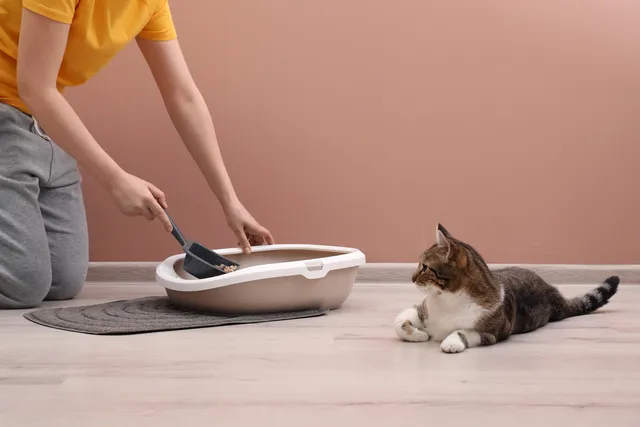
A dirty litter box is enough to stop cats from using it, which increases the likelihood of their “deposits” ending up on your floor or furniture. Cats love nothing more than a fresh, clean box, so you should do daily spot-checks to remove any clumps.
Change the litter completely as often as needed—this can range from once every other day to once weekly, depending on the type of litter you’re using—and thoroughly clean the box with pet-safe cleaning products. You shouldn’t delay cleaning a litter box for more than a week at most.
Cleaning up after our pets is not the most enjoyable part of owning them. Despite keeping a clean litterbox, cat odors and stains may still exist around the house. Sometimes, even the best litter box setup needs extra help. If you're tired of dealing with bad smells from litter boxes, Hepper Advanced Bio-Enzyme Pet Stain & Odor Eliminator Spray can help with the worst pet stains and smells. Additionally, the Advanced Bio-Enzyme Cat Litter Deodorizer neutralizes odors upon contact.
Our Favorite Products
| Image | Product | Details | |
|---|---|---|---|

|
Hepper Advanced Bio-Enzyme Pet Stain & Odor Eliminator Spray |
|
Check Price |

|
Advanced Bio-Enzyme Cat Litter Deodorizer |
|
Check Price |
At Catster, we’ve admired Hepper for many years and decided to take a controlling ownership interest so that we could benefit from the outstanding designs of this cool cat company!
6. Guide Your Cat
If you’re transitioning to a kind of box that your cat isn’t used to, they may be baffled by what is, in their eyes, a bizarre new object. For example, if you’re trying out an enclosed box for the first time, take your cat over to check it out with the door open. Consider leaving the door open for the first few days to let your cat get used to jumping in and out.
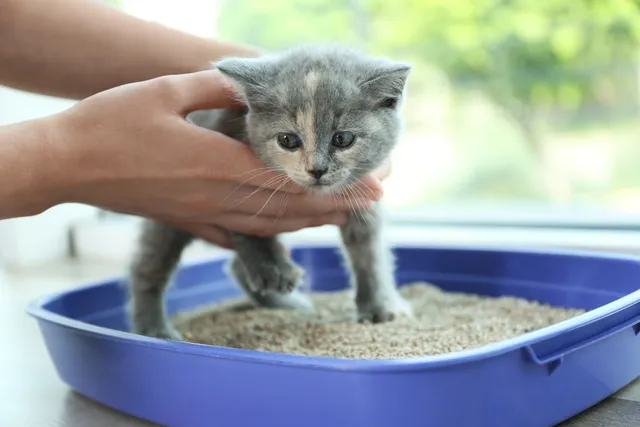
When your cat is comfortable getting in and out of the box, start showing them how the door opens and closes. While they’re using the box, gently and slowly close the door. If your cat has trouble figuring out what the new box is for, you can also try gently putting their paw in the litter to show them.
6. Create Positive Associations

Leave your cat be when they’re in the litter box, but praise and reward them when they get out. This can be with a nice head or behind-the-ear scratch, or you can offer one of their favorite treats. This helps create a positive association with using the new box.
7. Be Forgiving of Accidents
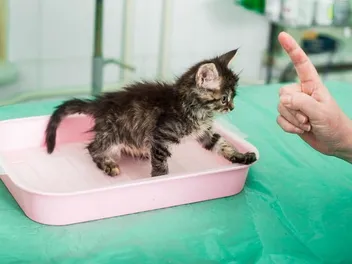
Don’t punish or scold your cat if they use the bathroom outside the litter box—they’re not doing this out of spite or to misbehave. It’s more likely that your cat isn’t sure what the new box is for yet or is a bit nervous about using it.
If you spot your cat about to do their business on the floor, quickly but calmly pick them up and place them in the litter box to show them where they’re supposed to go. Praise and reward them for using it.
FAQ
How Long Does It Take for a Cat to Adjust to a New Litter Box?
This depends on your cat. Some cats start using their new box straight away, whereas for others, it may take a few days to feel comfortable with it. In some cases, the cat will need a couple of weeks to adjust.

Why Won’t My Cat Use Their Litter Box?
If you’ve guided your cat to use the box and have encouraged them with rewards, but they don’t seem to be making any progress, it may be that they don’t like the type of box or litter you’ve chosen. Another common reason cats avoid litter boxes is that they’re too dirty for them.
If your cat continues peeing and pooping on the floor, speak to your vet to rule out any medical issues that may be causing this, like a urinary tract infection.
Conclusion
When picking a new litter box for your cat, the key is choosing the right kind of box and litter for them. Cats’ preferences and needs tend to vary greatly, which is why there are so many types of boxes and litter on the market!
For reluctant or nervous cats, a bit of gentle guidance, some tasty snacks, and some praise usually do the trick when it comes to getting them to use a new box. Consistency in where the box is located and the kind of litter you use are also important factors. If you have any concerns about your cat’s bathroom habits, please contact your vet for advice.
Related Reads:
Featured Image Credit: Kokorina Mariia, Shutterstock
Expert cat care, straight to your inbox
News, insights, and useful advice, delivered to you.

No spam — unsubscribe anytime.
By signing up, you agree to our Terms & Conditions and Privacy & Cookies Policy.
How useful was this post?
Click a star to rate. You can leave written feedback afterwards. (We read all feedback.)
Kit Copson is a freelance writer and lifelong animal lover with a strong interest in animal welfare. She has parented various furry beings over the years and is currently a proud cat mom of two—one very chilled (unless hungry) Siamese and a skittish but adorable Domestic Shorthair—and dog mom of one—an adopted Bichon Poodle cross. When not writing about or spending time with animals, Kit can be found doodling in her sketchpad, reading, or more often than not, drinking tea.