10 Warning Signs Your Cat Is Crying for Help: Vet-Reviewed Facts & FAQ



In this article
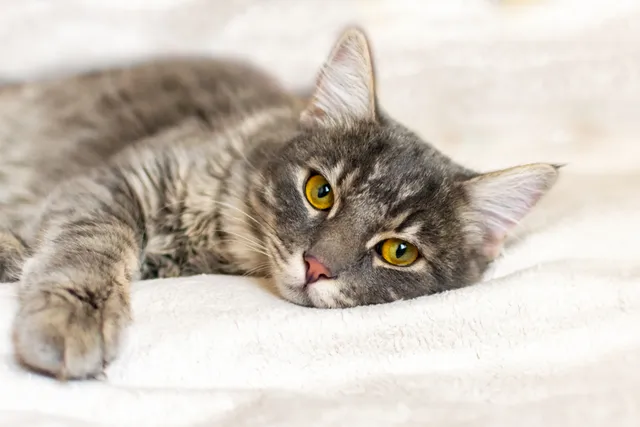
How do you know when your enigmatic feline companion needs help if there's no actual "crying" involved? Should you take a wait-and-see approach or head straight to the emergency veterinary clinic? It’s not always easy, but by paying attention to a few subtle and not-so-subtle signs, you should be able to tell when something is wrong with your cat.
Let's explore some possible warning signs that your cat may be crying out for help, along with a few tips to make your beloved pet feel safer and more comfortable at home.

The 10 Warning Signs Your Cat Is Crying for Help
1. Sudden and Obvious Changes in Behavior
You know your pet better than anyone, so you should be able to tell when something is wrong by carefully monitoring their behavior. For instance, if your energetic and lively little furball suddenly becomes sluggish and drowsy, that should give you a hint that something is not quite right.
Note: Felines are typically stoic and complicated creatures who will sometimes go to great lengths to hide their pain and distress. That means you can't always rely solely on observing their behavior to know if they need your help. Fortunately, there are other ways to determine this.

2. Increased Vocalizations
Many cats are good at expressing their emotions through a diverse range of meows, though this can vary depending on their breed and personality. Some felines tend to be quite vocal, while others remain stubbornly silent all the time. For example, Siamese cats are known to be particularly chatty, whereas Birmans are among the quietest breeds. That said, a cat in real distress may yowl or howl loudly, indicating a potential health problem that may require urgent attention.
3. Changes in Appetite or Thirst
Another way to gauge the health and well-being of your cat is by observing their eating habits. A decreased appetite can be a sign of a serious health issue, for example. That said, cats can be finicky at times, so this could just be a sign that a change in food is in order. You should know what is normal for your pet. But if their appetite changes drastically and if they show less interest in their food than usual, they may have an undiagnosed medical condition. Any significant change in weight may also indicate an underlying health issue.
Furthermore, increased thirst can indicate a disease like diabetes, kidney disease, or hyperthyroidism. Conditions like these are often accompanied by other signs, such as weight loss or lethargy. But these signs can also be linked to many other health issues, so don’t wait to schedule a consultation with your veterinarian.

4. Repeated Vomiting and Diarrhea
It's normal for cats to vomit a hairball every once in a while, but if it happens frequently, it could be a sign of a bigger problem. This is especially concerning if your cat's eating, drinking, and litter box habits have changed. If vomiting is paired with diarrhea, it could be an indication of a serious issue.
There are various potential causes of vomiting and diarrhea in cats, including gastrointestinal issues (like intestinal blockage, parasites, food sensitivity or allergy, or inflammatory bowel disease) and non-gastrointestinal causes (like pancreatitis, kidney disease, or even cancer).
A few of these conditions are considered medical emergencies, so contact your veterinarian, especially if your cat has vomited several times in a row and hasn't eaten or drunk in 12 hours.
If you’re concerned about your pet’s well-being, we recommend you contact a veterinarian.
5. Litter Box Issues
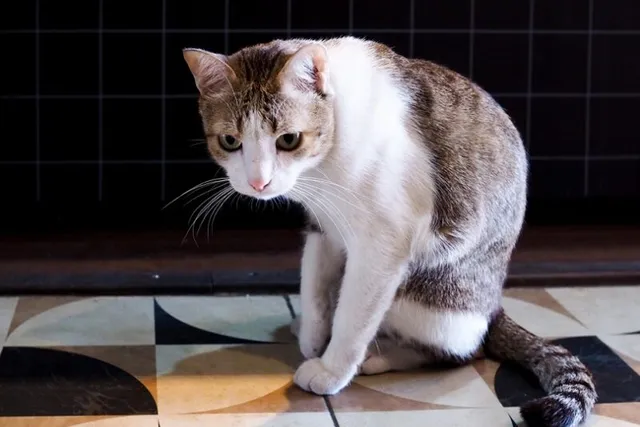
Cats are clean creatures, so any change in their litter box habits can be a telltale sign that something is wrong. However, this may not always be a cause for veterinary care. Maybe you haven’t had the chance to clean the litter box for a few days, and your cat is showing their displeasure by defecating outside the box. But if their litter box is immaculate and they continue to do their business outside of it, this could be a sign of urinary tract obstruction (also called urethral obstruction), which is a life-threatening condition that requires urgent medical attention.
So, if your cat is displaying signs of discomfort like straining and crying while producing only small amounts of urine or excessively grooming their genital area, it's crucial to contact your veterinarian immediately.

6. Overgrooming
Most cats like to keep their fur smooth and clean. However excessive grooming can indicate an underlying problem, such as hidden wounds, pain, skin allergies, parasites, or anxiety and stress. Bald spots can also appear where your cat licks excessively.
The best way to help your cat with their excessive grooming is to identify and address the root cause. You’ll need to consult with your veterinarian, so they can diagnose the underlying issues and recommend appropriate medical or behavioral treatments.
7. Abnormal Gait
Most cats effortlessly glide through their environment without a misstep, so if you notice any changes in your cat’s gait, such as limping, difficulty jumping, or lying down, this could indicate internal or muscular pain. A broken bone would obviously alter your cat's gait, but a damaged muscle, ligament, or tendon could also be the cause. Aging can lead to painful arthritis, which can also impact your cat's mobility.
Whatever the cause, any changes in your cat's gait, no matter how subtle, should be evaluated by a veterinarian.

8. Changes in Sleeping Habits
On average, cats sleep between 12 and 16 hours a day, depending on their age and level of activity. If your cat is napping all day but is eating and playing normally, there’s no need to worry. But if your furry friend seems extremely lethargic and loses all interest in playing, this could be a sign of health conditions like hypothyroidism, diabetes, or kidney disease.
9. Persistently Dilated Eyes or Unequal Pupils
As the saying goes, "The eyes are the window to the soul." In the case of your beloved feline, their eyes can reveal much about their overall health.
For one thing, your cat’s pupils should be of equal size. If you notice that they have uneven pupil size, known as anisocoria, this could signal an underlying health issue, such as eye inflammation, corneal injury, retinal disease, cancer, glaucoma, or a problem with the brain or cranial nerves. Conversely, if your cat has persistently dilated pupils (called mydriasis), it may be caused by hypertension, glaucoma, retinal disease, or even a brain tumor.

10. Hiding
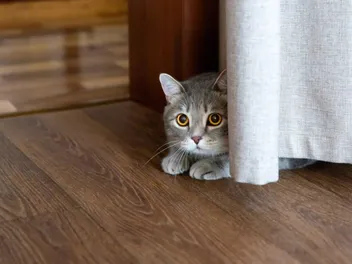
Constant hiding (and not in a playful "hide and seek" manner) is not normal behavior for most cats. There are many reasons that your cat may retreat to secluded places all day, such as fear, stress, anxiety, pain, or a sudden change in their routine. Speak to your veterinarian if you're concerned, especially if you've noticed any other worrying signs, such as weight loss.

Why Do Cats Mask Their Emotions?
This goes beyond their apparent independent and stoic nature. Cats are masters at hiding their pain and distress in order to survive in the (sometimes) dangerous world around them. A cat that shows pain seems weaker and slower—in other words, they're easy prey to catch. Of course, most pet cats don't live in constant fear of being attacked by ferocious predators, but those instincts for survival and self-preservation are deeply rooted in them.
However, this makes it harder to notice the warning signs that your cat is crying out for help.
When Should You Go to the Vet?
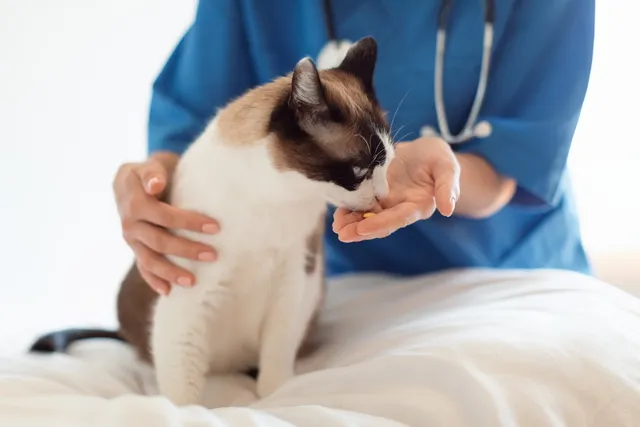
You’ll need to know what behaviors are normal for your cat so you can recognize when something is wrong. If your cat cannot urinate or defecate, is constantly vomiting, is having a seizure, or is suffering from labored breathing, you should see a vet right away.
If it doesn’t seem to be an emergency but you’re still worried about your cat’s well-being, it's best to call your veterinarian to discuss your concerns.

How to Make Your Cat Feel Safe
If you've taken your cat to the vet and they’ve been given a clean bill of health, they may simply need to feel more secure in their home environment. Your veterinarian can offer helpful tips for providing the best possible care for your feline friend and reducing their stress or anxiety. They may also recommend that you consult with a certified feline behaviorist for additional guidance.
In the meantime, here are a few quick tips to make your beloved cat feel safer and more comfortable at home:
- Provide plenty of hiding places. Nothing makes a cat feel safer than a nice cardboard box! A cozy bed or cushion, strategically placed in a quiet place (like your closet), should also do the trick.
- Buy or make a tall cat tree. Cats feel safe when they can observe their surroundings from elevated vantage points. Therefore, it’s ideal to provide them with a large cat tree or a shelf to climb on—and judge you from afar.
- Stick to a regular feeding, playing, and sleeping schedule to create a routine that your cat can rely on.
- Patience and gentleness are essential. Be extremely patient with your cat as they adapt to new people, new places, and new experiences. Allow them to explore and tackle new things at their own pace.

Conclusion
Cats tend to be overly secretive when it comes to pain. But there are several ways to tell if your pet is sick or in distress. By paying close attention to the warning signs that your feline pal is giving you, you should be able to detect when they need your help.
Do note that this list is not exhaustive, and there may be other signs that your cat is crying out for help. That's why you need to get used to your cat's body language, habits, and behavior, in order to recognize any changes quickly. As always, do not hesitate to consult your veterinarian if you have any questions or concerns.
Sources
Featured Image Credit: Zhuravlev Andrey, Shutterstock
Expert cat care, straight to your inbox
News, insights, and useful advice, delivered to you.

No spam — unsubscribe anytime.
By signing up, you agree to our Terms & Conditions and Privacy & Cookies Policy.
How useful was this post?
Click a star to rate. You can leave written feedback afterwards. (We read all feedback.)
Genevieve is both a biologist and a science writer, driven by her deep love for capuchin monkeys, pumas, and kangaroos. Her dedication to wildlife has taken her across the globe, from Bolivia and Guatemala to Canada and Australia, working and volunteering at various rehabilitation centers. As a Canadian living in Argentina, Genevieve starts her days with horses and cows greeting her from the plains outside her home office. She is the proud parent of three rescued dogs—Lemmy, Nala, and Pochi—and an energetic kitten named Furiosa. The opportunity to share her passion and expertise in animal care brings her great satisfaction.