How to Calm an Anxious Cat: 5 Vet-Approved & Effective Methods

In this article
While cats are often seen as independent and enigmatic creatures, they can also experience anxiety, and it can have a profound impact on their well-being. If your once playful and confident feline companion starts to show signs of being unwell—such as overgrooming, restlessness, or increased vocalizations—it's normal to feel helpless about what to do.
But with the right knowledge and a compassionate approach, you can relieve your furry friend's anxiety. In this article, we'll discuss five proven, vet-approved methods to help calm your cat, paving the way for a happier, more balanced life together.

Behavioral & Physical Signs of Cat Anxiety
Anxiety can manifest itself in different ways, and the signs are not always obvious. Also, it can indicate an underlying health condition, such as feline lower urinary tract disease.
Here are common signs of anxiety in cats.
Behavioral Signs:
- Excessive grooming
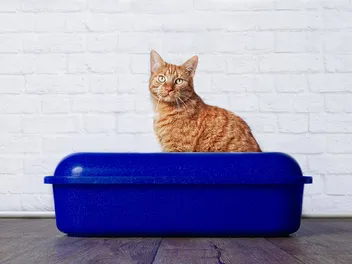
- Urinating outside the litter box
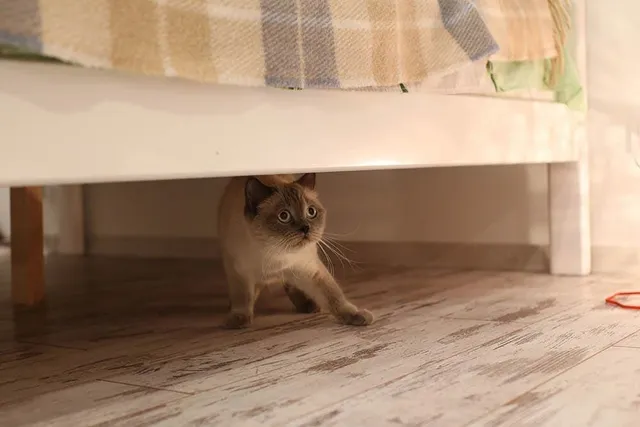
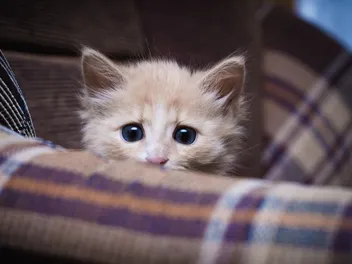
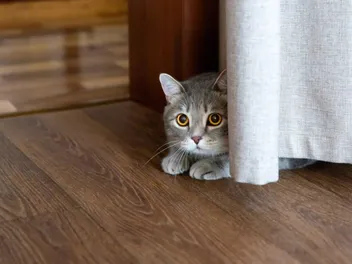
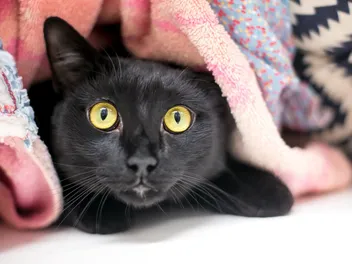
- Hiding
- Destructive behavior (e.g., scratching your favorite sofa)
- Trying to escape
- Restlessness
- Decreased appetite
- Increased vocalizations
If your pet is showing these signs, we suggest you speak to a vet.
Physical Signs:
- Holding their tail close to their body
- Holding their ears back
- Hair standing up
- Avoiding eye contact
- Shifting body or head away
- Hiding
- Holding their tail close to their body
- Partially or fully dilated pupils
- Aggression
- Trembling
- Trying to escape
The 5 Ways to Reduce Your Cat's Anxiety
Anxiety in cats can have many causes, from a recent change in their environment to a health issue. A traumatic experience can also trigger anxiety in pets. Many fears and anxieties can develop from experiences during a kitten's first year of life, which can worsen over time. That's why it's important to treat your cat's anxiety as soon as possible.
Now, let's look at five methods to help ease your beloved cat's distress. Remember to consult a vet first to ensure your cat doesn't have an underlying medical condition that could account for a sudden change in their behavior.
1. Create a Safe Haven for Your Cat
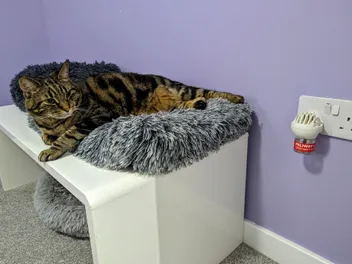
Maybe your cat needs their own little nook to retreat to when they feel overwhelmed. Designate a quiet, secluded space where your feline friend can hide when there is too much disturbance in their environment.
This sanctuary should have cozy bedding, high hiding spots (cat trees and other perches), stimulating toys, and familiar scents—items that provide security and comfort.
2. Establish Consistent Routines
Cats thrive on predictability and routine. Establishing a consistent daily schedule provides a stabilizing anchor for your anxious companion. Set regular mealtimes, play sessions, and periods for rest. This structure can alleviate anxiety by creating a sense of order and comfort in your cat's life.

3. Consider Pheromone Therapy
Nature has its way of calming even the most restless souls, and pheromones, which are species-specific chemical signals, tap into this power. Specially formulated products, such as synthetic pheromone sprays or diffusers, mimic the soothing scents that mother cats emit to comfort their kittens.
By releasing these pheromones into the environment, you can create a calming atmosphere that helps reduce your cat's anxiety and promotes a sense of well-being. Over-the-counter calming products, such as synthetic pheromone diffusers and supplements, may help reduce anxiety, but they should be discussed with a veterinarian first.
4. Add More Enrichment Activities
Anxiety may stem from boredom and pent-up energy. Engaging your cat in enriching activities can work wonders for their mental and physical well-being. Provide interactive toys, puzzle feeders, and scratching posts to keep them entertained and mentally stimulated. Regular play sessions can provide an outlet for excess energy and strengthen the bond between you and your feline pal.

5. Seek Help From Feline Experts
When your cat’s anxiety persists despite your best efforts, seeking professional help from a veterinarian or animal behaviorist is a wise decision. They can conduct a comprehensive evaluation of your cat's behavior, identify underlying causes, and recommend tailored solutions. They may suggest medication, behavior modification techniques, or additional therapies to alleviate your cat's anxiety and improve their overall quality of life.
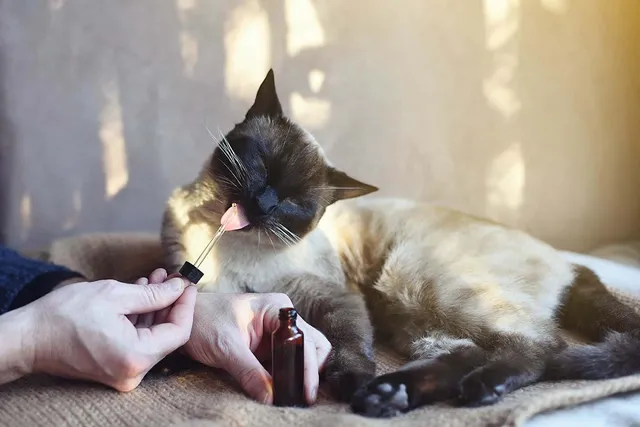
Should I Try CBD Oil to Reduce My Cat’s Anxiety?
Cannabidiol (CBD) products for pets have grown in popularity in recent years, with many dog owners reporting benefits when using them to treat anxiety in their canine companions.
However, although more CBD products are available on the market and are aimed at improving the well-being of our four-legged friends, it is important to note that there is currently limited information regarding the safety and efficacy of cannabidiol in cats.
A study published in the Journal of Feline Medicine and Surgery looked at the safety and tolerability of CBD oil in cats. This was the first feline study to explore the effects of CBD and THC (delta-9-tetrahydrocannabinol) on cats in a controlled research setting.
The good news is that compared to THC oil, CBD oil was associated with fewer side effects when given to cats. These results support further research into the potential therapeutic uses of CBD in cats and its consideration as a safe treatment option in veterinary medicine.
But until there's more scientific evidence to support these findings, it's best to err on the side of caution and not use CBD products to relieve your cat's anxiety without first speaking to a veterinarian.
Final Thoughts
One of the most important things to remember is that if your cat is suffering from anxiety, it isn’t because you are not taking good care of them. Indeed, anxiety is a complex emotion that can arise from various factors, some of which are beyond your control.
Still, by implementing these vet-approved methods and approaching your cat's condition with patience, understanding, and compassion, you should see an improvement in their well-being. With time and help from a veterinarian, your anxious cat should be able to regain their zest for life.
See also:
Sources
Featured Image Credit: evrymmnt, Shutterstock

Expert cat care, straight to your inbox
Vet-reviewed advice, behavior tips, and the best of Catster. Free, and you can unsubscribe anytime.
By signing up, you agree to our Terms & Conditions and Privacy & Cookies Policy.
Genevieve is both a biologist and a science writer, driven by her deep love for capuchin monkeys, pumas, and kangaroos. Her dedication to wildlife has taken her across the globe, from Bolivia and Guatemala to Canada and Australia, working and volunteering at various rehabilitation centers. As a Canadian living in Argentina, Genevieve starts her days with horses and cows greeting her from the plains outside her home office. She is the proud parent of three rescued dogs—Lemmy, Nala, and Pochi—and an energetic kitten named Furiosa. The opportunity to share her passion and expertise in animal care brings her great satisfaction.
Join the conversation
Ask a question, share your story, or send private feedback.